What Americans Get Wrong About Electric Cars
Many Americans hold misconceptions about electric vehicles (EVs), often rooted in outdated information or a lack of exposure to current technology. This disconnect leads to hesitations about adoption, despite significant advancements in range, charging infrastructure, and overall performance. Understanding the realities of EV ownership is crucial for a more informed perspective and for truly evaluating their place in the future of transportation.
Simply put, common myths about electric cars include concerns over range anxiety, long charging times, high upfront costs, limited model availability, and the environmental impact of battery production. Many of these are no longer major obstacles with current EV technology and infrastructure growth.
Key Takeaways
- Range anxiety is largely a myth for most daily driving needs, with modern EVs offering ample mileage.
- Charging is becoming faster and more accessible, with home charging being the most convenient option.
- While upfront costs can be higher, EVs often have lower total cost of ownership due to fuel and maintenance savings.
- The variety of electric car models available is rapidly expanding, catering to diverse preferences and budgets.
- The environmental footprint of EV batteries is improving, and recycling processes are becoming more efficient.
What is Range Anxiety and Why Is It Often Misunderstood?
Range anxiety, the fear of an electric vehicle running out of battery power before reaching a charging station or destination, is perhaps the most pervasive myth surrounding EVs. This concern often stems from early EV models that had significantly shorter ranges or from a misunderstanding of typical daily driving habits.
For the vast majority of drivers, daily commutes and errands fall well within the range of even base-model EVs available today. For instance, the average American drives about 30-40 miles per day. Most new EVs offer a range of 200-300 miles or more on a single charge, meaning most drivers could go several days without needing to plug in, even without charging at home.
The perception of range anxiety is also influenced by comparing EV range directly to gasoline cars without considering refueling habits. While a gas car can be refueled in minutes, EVs are typically charged overnight at home, meaning drivers start each day with a “full tank.” Public charging is more for longer trips or for those without home charging access.
- Average daily commute distance in the US: 30-40 miles.
- Typical EV range: 200-300+ miles.
- Most daily driving needs are easily met by current EV ranges.
- Home charging eliminates the need for frequent public charging stops for daily use.
- Public charging infrastructure is growing rapidly, making longer trips more feasible.
- Model availability is increasing, offering options for various driving needs.
The fear of running out of power is often amplified by media portrayals and early adopter experiences. As more EVs hit the road and charging networks expand, this anxiety is steadily decreasing for consumers who are better informed about the practicalities of EV use.
How Fast Can Electric Cars Really Charge?
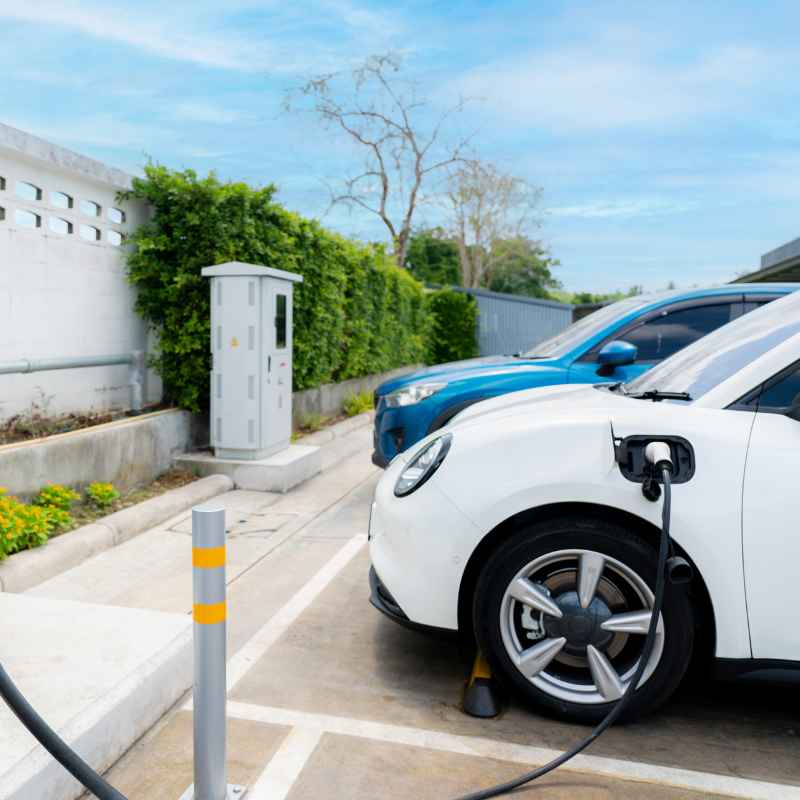
Charging time is another frequent point of concern, with many picturing hours spent waiting at a station. However, the speed of EV charging varies significantly depending on the type of charger used and the vehicle’s charging capability.
There are three main levels of EV charging. Level 1 charging uses a standard 120-volt outlet, similar to what you’d use for household appliances. This is the slowest method, adding about 2-5 miles of range per hour, and is typically used for overnight charging for plug-in hybrids or for topping up EVs with very small batteries.
| Charging Level | Voltage | Typical Range Added Per Hour | Use Case |
|---|---|---|---|
| Level 1 | 120V | 2-5 miles | Overnight top-up, PHEVs |
| Level 2 | 240V | 10-60 miles | Home charging, public stations |
| Level 3 (DC Fast Charging) | 240V-480V (DC) | 100-200+ miles in 20-30 mins | Road trips, quick charging |
Level 2 charging uses a 240-volt outlet, similar to what an electric dryer uses, and is the most common type for home and public charging. This can add 10-60 miles of range per hour, meaning most EVs can be fully charged overnight. Level 3, also known as DC Fast Charging, uses high-voltage direct current and is found at public charging stations along highways.
These chargers can add 100-200 miles of range in as little as 20-30 minutes, making road trips significantly more convenient than many realize.
- Level 1: Slow, uses standard household outlet, adds minimal range per hour.
- Level 2: Faster, requires 240V outlet, ideal for home and overnight charging.
- DC Fast Charging: Fastest option, found at public stations, adds significant range in under an hour.
- Charging speed depends on the car’s onboard charger and battery size.
- Many apps and in-car navigation systems show real-time charger availability.
The charging landscape is also improving with the rollout of faster and more reliable DC fast chargers, and the development of integrated charging solutions for apartment buildings and workplaces. For most daily users, plugging in at home is akin to charging a smartphone – you wake up with a full charge every morning.
What is the True Cost of Owning an Electric Car?
The perceived high upfront cost of electric cars is often a significant barrier to adoption. While it’s true that many EVs have a higher sticker price than comparable gasoline vehicles, this is only part of the total cost of ownership equation.
Over the lifespan of the vehicle, electric cars often prove to be more economical due to substantial savings on fuel and maintenance. Electricity is generally cheaper per mile than gasoline, and this gap is widening in many regions as gas prices fluctuate. For example, fueling an EV with electricity can be 30-60% cheaper than fueling a gasoline car, depending on local electricity and gas prices.
The US Department of Energy reports that the average cost to drive an EV is significantly lower than that of a comparable gasoline car.
Maintenance is another area where EVs shine. They have fewer moving parts than internal combustion engine (ICE) vehicles. There’s no engine oil to change, no transmission fluid, no spark plugs, and fewer brake pad replacements due to regenerative braking, which uses the electric motor to slow the car and recapture energy.
- Upfront purchase price: Can be higher for EVs.
- Fuel costs: Significantly lower with electricity compared to gasoline.
- Maintenance costs: Substantially reduced due to fewer moving parts.
- Incentives and tax credits: Can lower the effective purchase price.
- Resale value: Modern EVs are holding their value well.
- Total Cost of Ownership (TCO): Often lower for EVs over 5-10 years.
Furthermore, federal and state tax credits, as well as local rebates, can further reduce the initial purchase price of an EV, making them more competitive. Considering all these factors, the total cost of ownership for an EV is frequently lower than for a comparable gasoline vehicle, especially when factoring in the long-term savings.
Are There Really Enough Electric Car Models to Choose From?
The idea that the EV market offers limited choices is a perception that is rapidly becoming outdated. While early EVs were often limited to compact sedans or niche luxury vehicles, the automotive industry is now flooding the market with a diverse range of electric options.
Virtually every major automaker has committed to electrifying their lineups, leading to an explosion in the number of available EV models. Consumers can now choose from electric SUVs, trucks, sedans, sports cars, and even minivans. This expansion covers a wide spectrum of price points and performance levels, catering to a much broader audience than ever before.
Important: By 2025, it’s projected that there will be over 100 different EV models available in the US market, ranging from affordable compacts to high-performance luxury vehicles and heavy-duty trucks.
This growth in model diversity means that consumers are no longer forced to compromise on their vehicle type or features simply to go electric. Whether you need a family-hauler, a work truck, or a fuel-efficient commuter, there is likely an EV that fits your lifestyle and budget.
- Sedans: Numerous options from compact to full-size.
- SUVs: A massive and growing segment, from small crossovers to large three-row SUVs.
- Trucks: Electric pickup trucks are now available from major manufacturers.
- Performance Cars: High-performance EVs offer thrilling acceleration and handling.
- Commercial Vehicles: Electric vans and delivery trucks are entering the market.
- Luxury Vehicles: Premium EVs offer advanced features and comfort.
The rapid pace of innovation means new models are frequently being introduced, and existing models are being updated with improved technology and longer ranges. This competitive landscape benefits consumers by offering more choices and driving down prices over time. The myth of limited EV selection is quickly becoming a relic of the past.
What is the Environmental Impact of EV Batteries?
Concerns about the environmental impact of manufacturing and disposing of EV batteries are frequently raised. While battery production does have an environmental footprint, it’s crucial to compare this to the lifecycle emissions of gasoline-powered vehicles.
The manufacturing process for EV batteries is energy-intensive and involves mining for materials like lithium, cobalt, and nickel. However, automakers and battery manufacturers are increasingly investing in cleaner energy sources for production and are working to improve the efficiency of mining and refining processes. Furthermore, the actual usage phase of an EV is significantly cleaner than that of a gasoline car.
Even when accounting for emissions from electricity generation, EVs generally produce far fewer greenhouse gases over their lifetime, especially as electricity grids incorporate more renewable energy sources.
Battery recycling is another area of significant advancement. While early battery recycling was challenging, new technologies are emerging that allow for the efficient recovery of valuable materials like cobalt, nickel, and lithium. Companies like Redwood Materials and Li-Cycle are developing large-scale recycling operations.
These efforts not only reduce waste but also create a more circular economy, lessening the reliance on virgin mining.
| Factor | Electric Vehicle (EV) | Internal Combustion Engine (ICE) Vehicle |
|---|---|---|
| Manufacturing Emissions | Higher due to battery production | Lower |
| Operational Emissions | Zero tailpipe emissions; dependent on electricity source | Significant tailpipe emissions (CO2, NOx, particulates) |
| Lifecycle Emissions | Generally lower, especially with cleaner grids | Higher |
| Battery Disposal/Recycling | Evolving recycling processes; potential for material recovery | Traditional recycling for metals, but fluids and plastics pose issues |
The environmental benefits of EVs become more pronounced as battery technology improves and more renewable energy is integrated into the grid. The focus is shifting from the challenges of battery production to the significant operational advantages and the ongoing development of sustainable battery lifecycles.
What are the Benefits of Regenerative Braking?
Regenerative braking is a key feature of electric vehicles that often goes unnoticed by drivers but offers significant advantages. It’s a system that converts the kinetic energy of a moving vehicle back into electrical energy, which is then stored in the battery.
This process happens when the driver lifts their foot off the accelerator pedal or applies the brake. Instead of the traditional friction brakes converting kinetic energy into heat and wasting it, regenerative braking uses the electric motor as a generator. This not only slows the vehicle down but also recaptures energy, extending the vehicle’s range.
Tip: Many EVs offer adjustable levels of regenerative braking, allowing drivers to choose between a strong “one-pedal driving” mode that significantly slows the car when the accelerator is released, or a more gentle coasting effect.
The benefits are twofold. Firstly, it directly contributes to increased driving range. By recapturing energy that would otherwise be lost, EVs can travel further on a single charge.
Secondly, it significantly reduces wear and tear on the traditional friction brake system. Because regenerative braking does most of the slowing down, the physical brake pads and rotors are used less frequently, leading to longer brake life and reduced maintenance costs.
- Converts kinetic energy back into electrical energy.
- Recaptures energy that would normally be lost as heat.
- Extends the driving range of the EV.
- Reduces wear on traditional friction brakes.
- Allows for “one-pedal driving” in many models, simplifying driving.
- Contributes to lower maintenance costs.
- Helps manage speed on downhill descents.
This technology not only enhances efficiency and economy but also provides a unique and often enjoyable driving experience. Learning to modulate the accelerator for regenerative braking can become intuitive, leading to smoother driving and more efficient energy usage.
How Does Home Charging Work for Electric Cars?
Home charging is one of the most convenient aspects of EV ownership and a primary reason why range anxiety is often overblown. The process is remarkably simple and integrates seamlessly into daily routines.
Most EVs come with a Level 1 charging cable that can plug into a standard 120-volt household outlet. While this is the slowest method, it’s sufficient for many plug-in hybrid owners or for topping up EVs with smaller batteries overnight. For faster charging, most EV owners opt for a Level 2 charging station, which requires a 240-volt outlet (similar to an electric dryer) and dedicated installation by an electrician.
Once the charging station is installed, charging is as easy as plugging in your car when you get home, much like charging your smartphone. Many charging stations offer smart features, allowing you to schedule charging for off-peak hours when electricity rates are lower, or to monitor charging status via a mobile app. The car’s battery management system ensures it charges safely and efficiently.
- Install a Charging Station: For faster charging (Level 2), hire a qualified electrician to install a 240-volt outlet and charging station in your garage or driveway.
- Plug In Your Vehicle: Connect the charging cable from the station to your EV’s charging port.
- Start Charging: Charging usually begins automatically. Some stations or vehicles allow for scheduling or activation via an app.
- Monitor Progress: You can often track charging status through your car’s dashboard, a mobile app, or the charging station’s indicator lights.
- Unplug and Drive: When charging is complete or you need to depart, simply unplug the cable and drive away.
The convenience of waking up every morning with a fully charged vehicle means most daily driving needs are met without any effort. This eliminates the need for frequent stops at gas stations or public charging points for routine use.
Why Are Electric Cars Becoming More Popular?
The growing popularity of electric cars is driven by a confluence of technological advancements, environmental awareness, and economic factors. Consumers are increasingly recognizing the tangible benefits that EVs offer over traditional gasoline vehicles.
One of the primary drivers is the significant improvement in battery technology. Modern EVs boast longer ranges, faster charging capabilities, and longer battery lifespans than their predecessors. This addresses earlier concerns about practicality and makes EVs a viable option for a much wider range of drivers and use cases.
The continuous innovation in battery chemistry and manufacturing is leading to both better performance and falling production costs.
Warning: While the charging infrastructure is expanding rapidly, it’s still advisable to check charger availability and compatibility before embarking on long road trips, especially in less populated areas.
Environmental concerns are also playing a crucial role. As awareness of climate change grows, consumers are actively seeking more sustainable transportation options. EVs produce zero tailpipe emissions, contributing to cleaner air in urban areas and reducing a vehicle’s overall carbon footprint, especially when powered by renewable energy sources.
Government regulations and incentives in many countries further encourage the adoption of EVs, signaling a global shift towards electrification.
- Technological Advancements: Improved battery tech, longer range, faster charging.
- Environmental Consciousness: Zero tailpipe emissions, reduced carbon footprint.
- Lower Running Costs: Savings on fuel and maintenance.
- Government Incentives: Tax credits, rebates, and preferential treatment (e.g., HOV lane access).
- Expanding Model Availability: More choices across all vehicle segments.
- Growing Charging Infrastructure: Increased availability of public and home charging.
- Performance: Instant torque provides quick acceleration and an engaging driving experience.
- Reduced Noise Pollution: EVs are significantly quieter than gasoline cars.
The combination of these factors—technological maturity, environmental benefits, economic advantages, and a wider selection of vehicles—is propelling electric cars into the mainstream. The market is no longer a niche for early adopters but a rapidly growing segment of the automotive industry.
Frequently Asked Questions
What is the real-world range of most electric cars?
The real-world range of most electric cars typically falls between 200 and 300 miles on a single charge. This is more than sufficient for daily commutes and errands for the majority of drivers. Factors like driving style, temperature, and terrain can influence the exact range achieved.
How long does it take to charge an electric car?
Charging times vary greatly. Using a Level 1 (120V) outlet can take 24-48 hours for a full charge. A Level 2 (240V) charger typically charges a full battery in 4-10 hours.
DC Fast Chargers can add 100-200 miles of range in just 20-30 minutes.
Are electric cars more expensive to insure than gasoline cars?
Insurance costs for electric cars can sometimes be higher than for comparable gasoline vehicles, though this is not always the case. This can be due to factors like higher repair costs for specialized components, the initial purchase price, and newer technology. However, insurance rates are constantly evolving as more EVs are on the road and repair networks become more established.
What happens to electric car batteries at the end of their life?
At the end of their useful life in a vehicle, EV batteries are increasingly being repurposed for stationary energy storage or sent for recycling. Advanced recycling processes are capable of recovering valuable materials like lithium, cobalt, and nickel, reducing the need for new mining and minimizing waste.
Do electric cars perform well in cold weather?
Electric cars’ performance, particularly range, can be reduced in cold weather. Cold temperatures affect battery efficiency, and drivers often use cabin heating, which draws power from the battery. However, modern EVs have thermal management systems to mitigate these effects, and most still offer adequate range for daily use even in colder climates.
Final Thoughts
Many of the common objections to electric cars are based on outdated information. With significant advancements in battery technology, charging infrastructure, and model diversity, EVs are now a practical and often superior choice for many American drivers. By understanding the realities of range, charging, ownership costs, and environmental impact, consumers can make more informed decisions about embracing the future of transportation.
Products related to this article
Sponsored / affiliate links. As an Amazon Associate I earn from qualifying purchases. I may earn additional commission from eligible campaigns.