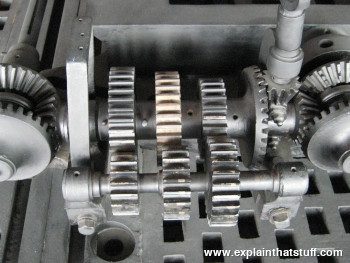
What are Gears in a Car: Unlocking Driving Dynamics
Ever wondered what makes your car smoothly transition from a standstill to cruising at highway speeds? It’s all about the gears.
Understanding gears in a car can feel like unraveling a mystery, but it’s easier than you might think. Gears are essential for managing your car’s speed and power, ensuring you have a seamless driving experience. By getting to know how they work, you not only become a more informed driver but also enhance your vehicle’s performance and longevity.
Imagine being able to tackle those steep hills effortlessly or accelerate with precision. Dive into the world of car gears and discover how they play a crucial role in your everyday driving. Stick around, and you’ll gain insights that could transform the way you perceive your driving experience.
Basics Of Car Gears
Car gears help the engine run smoothly. They let the car go fast or slow. Gears change the speed and force of the car. Without them, the car would not work well. Engines need gears to work at their best. Drivers use gears to control the car. Gears make driving easy and safe. They help cars climb hills. They also help cars stop safely.
Cars have different types of gear systems. Manual gears need the driver to change them. Automatic gears change by themselves. They are easy to use. Semi-automatic gears are a mix of both. Drivers can choose how they want to drive. Each system has its own use. Some cars are fast with manual gears. Automatic gears are smooth and easy for city driving.
Manual Transmission
Manual gears let drivers control speed and power. You change gears with a gear stick. Each gear has a different size. Small gears make the car go fast. Big gears give the car power. A clutch pedal helps switch gears. Press the pedal to change the gear. Release the pedal to drive. It’s like riding a bike. You change gears for hills or speed.
Manual cars are usually cheaper than automatic cars. They use less fuel too. You can save money this way. Manual cars are fun to drive. They give more control. Drivers feel connected to the car. Manual cars are also good for learning. They teach how cars work. Many people enjoy the challenge. It’s like a skill to master. Simple and effective.
Automatic Transmission
Automatic gears make driving easy. They change gears by themselves. Sensors tell the car when to shift. Hydraulic systems help in this process. The car has a torque converter. It connects the engine and transmission. This allows the car to move smoothly. Automatic transmissions use a planetary gear set. This gear set decides how much power goes to the wheels. The car does all this without the driver worrying. It’s like magic!
Automatic transmission cars are simple to drive. No clutch pedal is needed. This makes driving less tiring. Especially in traffic. Shifting gears is smooth and easy. This makes the ride comfortable. Beginners find it easier to learn driving. They can focus more on the road. Fuel efficiency is often better with automatics now. New technologies have improved them. Maintenance is generally less complicated. They are reliable for daily use.
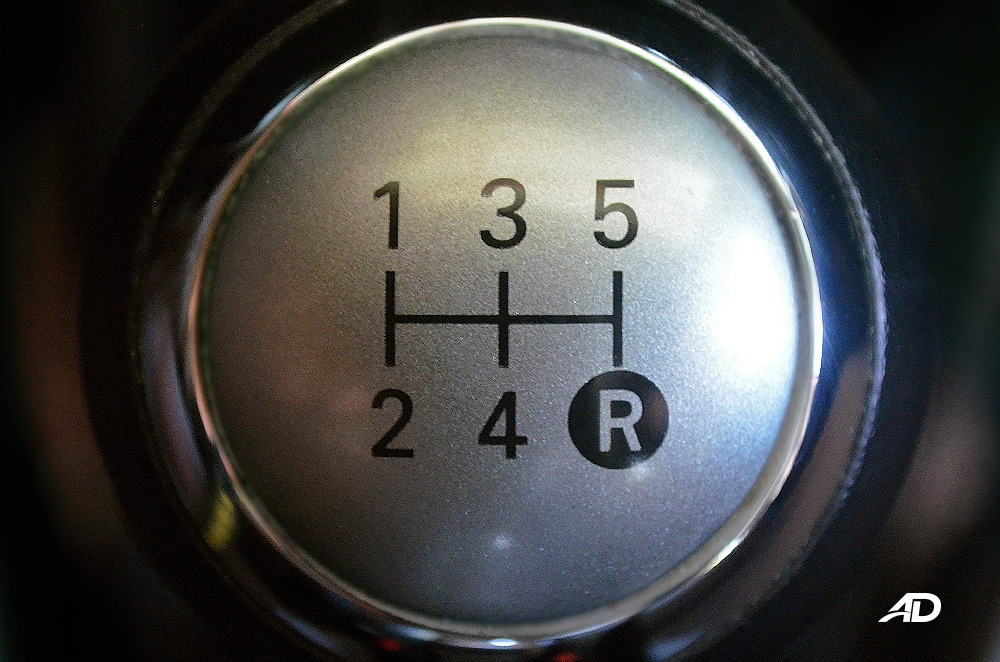
Credit: www.autodeal.com.ph
Cvt And Dual-clutch Systems
CVT stands for Continuously Variable Transmission. It changes gear ratios smoothly. This helps the car accelerate without feeling jerky. Traditional gears shift from one to another. But CVT uses pulleys and belts instead of gears. It offers better fuel efficiency. It also makes driving smoother. Some drivers find CVT less engaging. It’s different from regular gear systems.
The Dual-Clutch system uses two clutches. One clutch handles odd-numbered gears. The other handles even-numbered gears. This allows for fast gear changes. Drivers feel less delay between shifts. Dual-clutch systems are common in sports cars. They offer quick and precise shifting. This system can be fun to drive. Efficiency and performance are benefits of dual-clutch. It combines automatic and manual features.
Factors Influencing Gear Choice
Weather affects gear choice. Rainy days require lower gears. Snow needs careful driving with lower gears. Road type matters too. Smooth roads allow higher gears. Rough roads demand lower gears. Traffic conditions play a role. Busy traffic needs frequent gear changes. Open roads let you use higher gears. Speed limits impact gear choice. Higher speeds use higher gears. Lower speeds need lower gears.
Fuel efficiency matters in gear selection. Higher gears save fuel. Lower gears consume more fuel. Engine power affects fuel usage. Strong engines handle higher gears better. Weak engines may struggle with high gears. Driving habits influence fuel efficiency. Smooth driving saves fuel. Aggressive driving uses more fuel. Car type matters too. Some cars are designed for fuel efficiency.
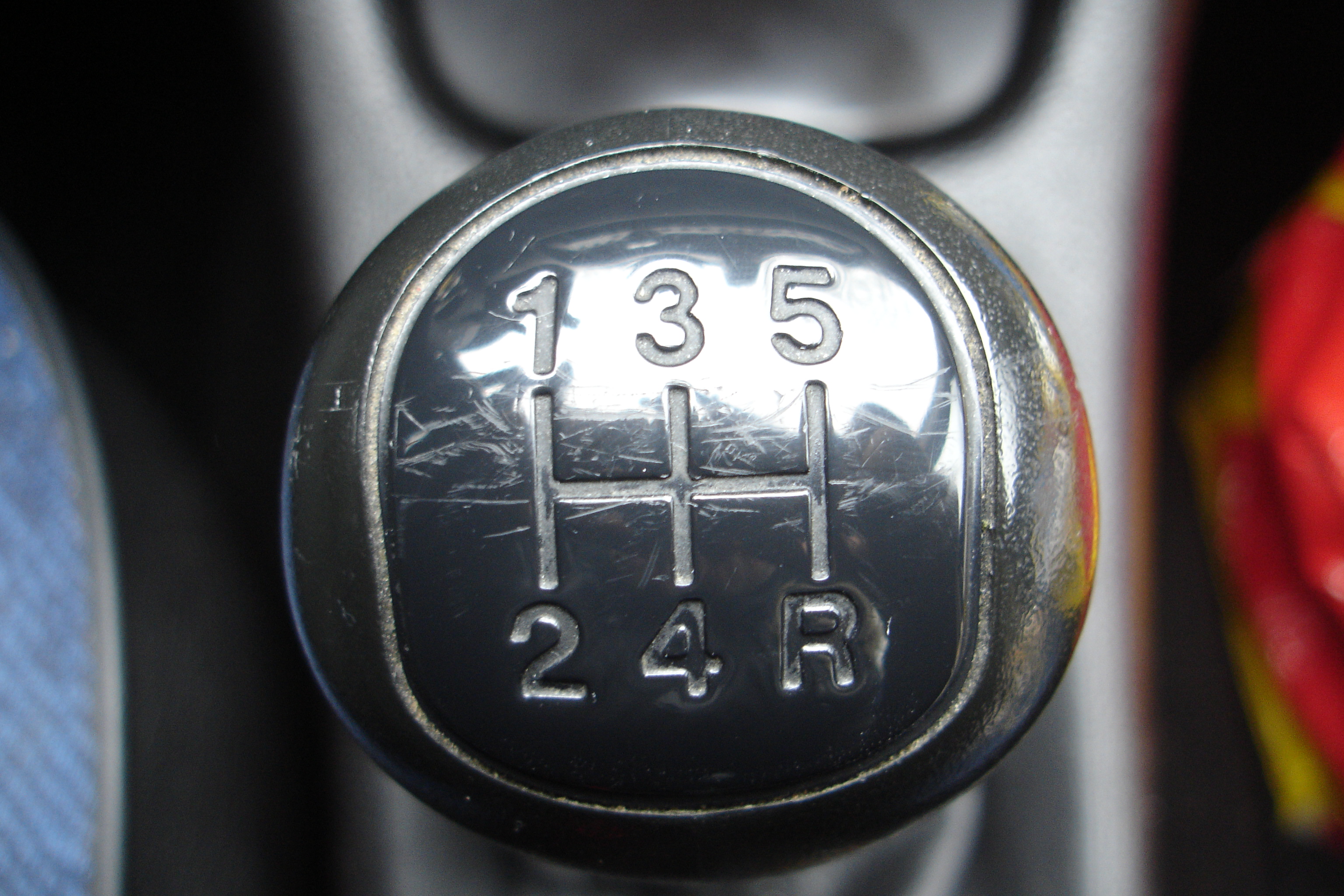
Credit: en.wikipedia.org
Maintenance Tips For Car Gears
Strange noises can mean gear trouble. Listen for grindingor clunkingsounds. Gears should shift smoothly. If they don’t, there might be a problem. Watch for warning lights on the dashboard. They can show gear issues. If the car shakes or jerks, check the gears. Unusual smells can also be a sign. Always pay attention to these signs. Fixing small issues early can save money later.
Check the gear oil often. It keeps the gears working well. Change the oil if it looks dirty. Keep the transmission system clean. Dirt can cause problems. Avoid overloading the car. Heavy loads can hurt the gears. Drive smoothly and avoid sudden stops. This helps the gears last longer. Regular checks by a mechanic are important. They can spot small problems early.
Innovations In Gear Technology
Smart gear systems help cars change speed easily. These systems know the best time to change gears. Sensors and computers work together. They make driving smoother. Automatic gear changes mean less work for drivers. Drivers can focus on the road. Less thinking about gear changes. Fuel efficiency improves with smart gears. Cars use less fuel. Better for the environment. Smart gear systems are in many modern cars. They make driving fun and safe.
The future of gear mechanisms looks exciting. New materials make gears lighter and stronger. Electric vehicles use different gear systems. These systems help cars go fast. Software in cars helps gears work better. Gears can talk to each other. Self-driving cars will use smart gears. This will make rides smooth and safe. Innovations will keep improving gear technology. Every year brings new ideas. Cars will be more fun to drive.
Frequently Asked Questions
What Does The Gear 1, 2, 3, 4, 5 Mean?
Gears 1 to 5 represent different speed levels in manual transmission vehicles. Gear 1 provides maximum torque for low speeds, ideal for starting. Gear 2 is for slightly higher speeds. Gears 3, 4, and 5 progressively increase speed and efficiency, reducing engine workload at higher velocities.
What Are Gears In A Car Used For?
Gears in a car control speed and torque. They adjust engine power for efficient driving. Lower gears offer more torque for acceleration. Higher gears provide speed with less effort. Proper gear usage enhances fuel efficiency and performance.
What Does 1st, 2nd, And 3rd Gear Do?
1st gear provides maximum power for starting from a stop. 2nd gear offers more speed with moderate power. 3rd gear allows faster speeds with reduced power, ideal for city driving.
Is A High Gear 1 Or 5?
In most cars, a high gear is 5. Lower gears, like 1, are for slower speeds and more power.
Conclusion
Understanding car gears is crucial for smooth driving. Gears help control speed and power. They make driving safer and more efficient. Automatic gears shift for you. Manual gears need driver input. Both types have benefits. Choosing depends on preference and driving style.
Learning about gears enhances driving experience. It increases vehicle control. It also improves fuel economy. Gears are simple but vital parts. They keep your car running well. Always practice safe driving techniques. This knowledge boosts confidence on the road. Happy driving!