What Are The Plastic Screws In Car Bumpers Called? Explained
It’s a little thing, but it can drive you crazy. You’re looking at your car, maybe after a minor bump or just doing a routine check. You notice one of those plastic fasteners holding a bit of the bumper trim.
You know you might need to replace one, but what do you even call it? It’s not like you can just ask for “those little plastic twisty things.”
This common puzzle happens to many car owners. We see these parts every day but don’t know their proper names. Knowing the right terms helps when you’re shopping for parts or talking to a mechanic.
It saves time and avoids confusion. Let’s break down what these plastic screws are called and why they’re important.
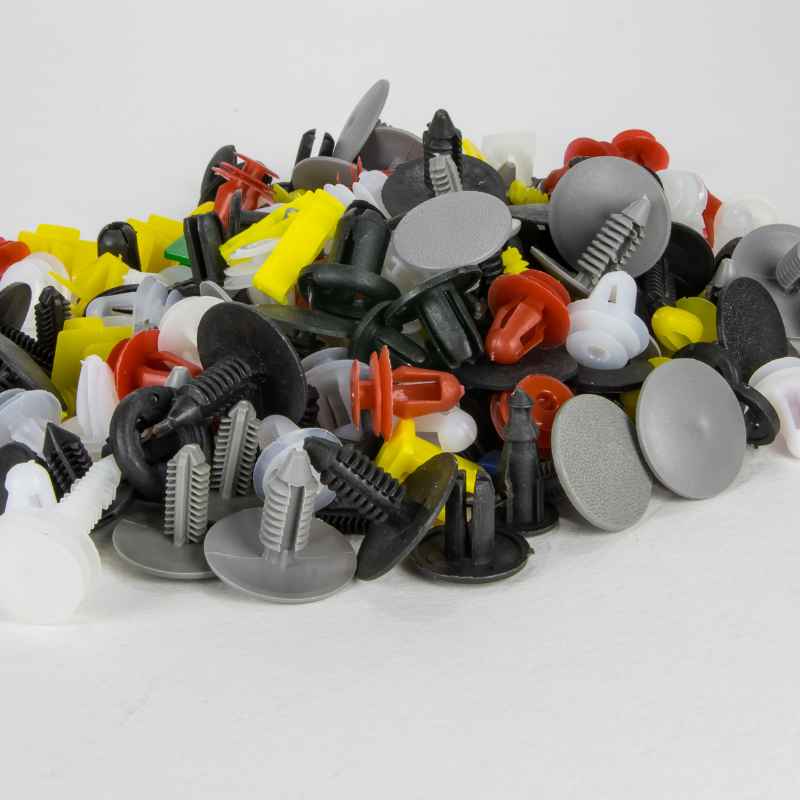
The plastic screws or fasteners in car bumpers are commonly called plastic clips, body clips, bumper clips, or retainers. They are used to attach bumper covers, trim pieces, and other components to the vehicle’s frame or body.
Understanding Bumper Fasteners: More Than Just Screws
When you think of car parts, you might picture big engines or shiny wheels. But lots of smaller parts work together. These small plastic pieces are often overlooked.
Yet, they play a big role in how your car looks and stays safe.
These aren’t your average metal screws. They are designed for specific jobs. They need to hold parts securely.
But they also need to be a bit flexible. This is especially true for car bumpers. Bumpers absorb impacts.
The fasteners must handle this without breaking too easily.
They are often made from strong plastics. These plastics can bend a little. They can also resist weather.
Think about heat, cold, and rain. These fasteners need to last a long time.
The Story of a Lost Clip
I remember one time I was washing my car. It was a sunny Saturday. I noticed a small piece of trim on my front bumper looked loose.
It was just a tiny section, but it bugged me. I ran my finger under it. Sure enough, one of those little plastic clips had popped out.
It was gone.
My first thought was, “What is that thing called?” I couldn’t find a regular screw there. It looked like a plastic rivet. I went to the auto parts store.
I tried to describe it. “You know, that plastic thing that holds the bumper piece?” The guy looked at me a bit blankly.
He asked, “Is it a clip? A fastener? A rivet?” I just nodded, feeling a little silly.
He grabbed a few different types of plastic fasteners. We looked at them. Finally, we found one that looked about right.
It wasn’t the exact same one, but it fit well enough. That day taught me the importance of knowing the right name for these parts. It would have saved me a lot of pointing and guessing.
Common Bumper Fastener Types
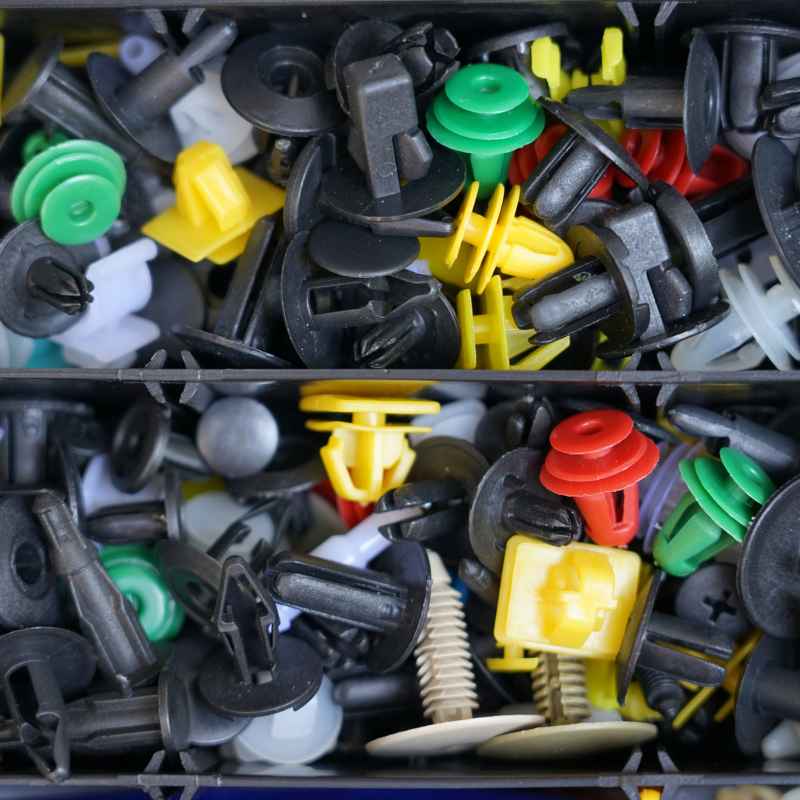
Nylon Push-Type Rivets: These are very common. You push them in. The head expands to hold them tight.
They often look like a screw head but don’t turn.
Screw-Type Fasteners: Some look like screws. You might turn them with a screwdriver. But they are made of plastic and often have a special head shape.
Hole Plugs: These fill holes. They might be used where a bolt or screw used to be. They keep dirt and water out.
U-Nuts and Speed Nuts: These metal clips often work with plastic screws. The plastic screw bites into the metal nut to hold things together.
Why Are Plastic Fasteners Used on Bumpers?
Car makers use plastic fasteners for many good reasons. Metal screws can rust. They can also be heavy.
Plastics are lighter. They don’t rust. They are also often cheaper to make in large numbers.
Bumpers are designed to absorb small impacts. They need to flex. Plastic fasteners allow for this slight movement.
Metal fasteners might break or bend. This could damage the bumper more.
They also help reduce noise. Plastic is not as good at carrying sound as metal. So, fewer rattles and squeaks come from the bumper.
This makes for a quieter ride.
The Role of Material in Fastener Design
Most of these fasteners are made from nylon. Nylon is strong. It is also flexible.
It can handle a wide range of temperatures. It doesn’t get brittle in the cold. It doesn’t melt in the heat.
Other plastics are used too. ABS plastic is another common choice. The specific type of plastic depends on where it’s used.
Some need to be very rigid. Others need to be able to stretch a bit.
This choice of material is key. It helps the fastener do its job. It keeps the bumper parts secure.
It also helps protect the car from damage. This is especially true in minor accidents.
The Many Names for One Thing
The confusion often comes from the many terms used. You might hear:
- Body Clips: This is a general term for any plastic clip holding body panels.
- Bumper Clips: More specific to the bumper area.
- Retainers: This implies the part holds something in place.
- Fasteners: A broad term for anything that joins parts.
- Plastic Rivets: These look like rivets but are plastic. You push them in to expand.
- Trim Clips: Used for plastic trim pieces.
Sometimes, they might even look like screws. But they don’t always turn. They might have a slot for a screwdriver.
But you often just pull them out. Or push them further in to lock.
Quick Comparison: Metal Screws vs. Plastic Fasteners
Pros: Very strong, permanent hold.
Cons: Can rust, heavier, less flexible, can damage panels if overtightened.
Pros: Lightweight, rust-proof, flexible, cheaper, less likely to damage panels.
Cons: Can break if stressed too much, less holding power than large metal bolts.
Navigating Auto Parts Stores
When you go to buy these parts, it can be overwhelming. Most auto parts stores have a large bin or section of these plastic fasteners. They are often organized by size or type.
The best approach is to take the old one with you. If you can’t, try to get a good photo. Note the size of the hole it came out of.
Also, measure the length of the part that goes into the hole.
Sometimes, a part number is visible on the old fastener. This is a big help. If not, you’ll have to rely on description and visual matching.
Understanding Different Clip Designs
Many plastic clips have a stem that goes into a hole. The end of the stem often has barbs or a split. When you push it in, these parts spread out.
This creates a tight fit. It’s like a tiny anchor.
Other types have a head that you press down. This expands a part of the clip. It locks into place.
To remove these, you often need a special tool. This tool helps you lift the center pin or body of the clip.
Some clips are designed to go into a pre-drilled hole. Others are meant to snap into a metal clip that’s already attached to the car. This is common for trim pieces.
Real-World Scenarios for Bumper Clips
These fasteners are everywhere on a car’s exterior. You’ll find them:
- Attaching Bumper Covers: The main plastic shell of the bumper.
- Securing Trim Pieces: Those strips of plastic along the sides or edges.
- Holding Splash Guards: The flaps behind the wheels.
- Fastening Wheel Well Liners: The plastic lining inside the wheel arches.
- Mounting Grilles: Parts of the front grille.
The environment plays a role. In areas with harsh winters, salt can affect metal fasteners. Plastic ones are unaffected.
In hot climates, the sun can degrade some plastics over time. But good quality fasteners are made to resist UV rays.
Why Clips Fail
Age and Heat: Over time, plastic can become brittle.
Vibration: Constant shaking can loosen or break clips.
Impacts: Even minor bumps can dislodge or crack them.
Improper Installation: Forcing them can break them.
Corrosion: If used with metal, corrosion can affect the surrounding area.
When Is a Loose Bumper Piece a Problem?
Most of the time, a single missing or loose plastic fastener isn’t a major issue. The bumper cover is usually held by many. But there are times to pay attention:
- Safety: If a large piece of the bumper is loose, it could fall off. This is a road hazard for others.
- Aerodynamics: A loose panel can create drag. This affects fuel efficiency.
- Water and Dirt: Gaps can let water and dirt into engine areas. This can cause damage over time.
- Appearance: It just looks bad. A car with loose trim doesn’t look well-maintained.
If you notice a gap where there wasn’t one before, check it out. Look for missing fasteners. Feel if the panel is loose.
Simple Checks You Can Do
You don’t need to be a mechanic to do some basic checks. After washing your car, or even while walking around it:
- Visual Inspection: Look for any parts that seem out of place. Are there any odd gaps?
- Gentle Push: Lightly push on bumper covers and trim pieces. Do they feel solid? Or do they wiggle too much?
- Listen: Sometimes, a loose part will rattle or make noise while driving.
If you find a problem, don’t ignore it. It’s usually a simple fix. It’s much easier to
Quick Tips for Bumper Fasteners
Here are some handy tips:
- Keep Spares: Buy a small assortment of common plastic fasteners. Keep them in your glove box or garage.
- Use the Right Tool: For clips you need to remove, use a trim removal tool. This prevents damage to the panel and the clip (if you want to reuse it).
- Don’t Overtighten: If you’re using screw-type fasteners, stop when they feel snug. Overtightening can strip the plastic threads.
- Match the Clip: Try to get the exact same type of clip. If not, find one that is the same size and shape.
When to See a Professional
Significant Damage: If the bumper cover itself is cracked or torn.
Multiple Missing Fasteners: If many clips are gone, the panel might be unstable.
Unsure of the Problem: If you can’t identify the issue or the correct part.
Safety Concerns: If the bumper seems loose and could be a hazard.
Frequently Asked Questions About Bumper Screws
What is the primary purpose of plastic clips on car bumpers?
Plastic clips, also known as body clips or retainers, are used to securely attach various parts of the bumper assembly, like the cover and trim pieces, to the vehicle’s frame or body structure. They help keep these components in place while allowing for some flexibility.
Are all plastic fasteners on bumpers the same type?
No, they are not all the same. There are many different types designed for specific purposes. These include push-type rivets, screw-type fasteners, and specialized retainers, each with a unique design for its application.
Can I use a regular metal screw instead of a plastic clip?
While tempting, it’s generally not recommended. Plastic clips are designed to be flexible and absorb minor impacts without causing damage. Metal screws can be too rigid, potentially cracking the bumper material or the fastener hole if the bumper flexes.
How do I know which plastic clip I need to replace?
The best way is to remove the old clip and take it with you to an auto parts store. If that’s not possible, try to note its size, length, and type. Photos can also be helpful when asking for assistance.
Where can I buy replacement bumper clips?
You can find replacement bumper clips at most auto parts stores, online retailers like Amazon or eBay, and sometimes at dealerships. Buying in bulk or assortment kits can be cost-effective if you’re unsure which ones you’ll need.
How do I remove a stubborn plastic bumper clip?
For stubborn clips, a trim removal tool is your best friend. These tools are designed to get under the clip head without damaging the surrounding plastic. For push-type rivets, you might need to pry up the center pin first, if it has one, before pulling the rest out.
In Closing: The Little Parts Matter
So, the next time you see those plastic bits holding your bumper together, you know what they are. They have many names: clips, fasteners, retainers. They are essential for your car’s look and function.
Don’t underestimate their importance. Keeping them in good shape helps your car stay safe and look its best.
Products related to this article
Sponsored / affiliate links. As an Amazon Associate I earn from qualifying purchases. I may earn additional commission from eligible campaigns.