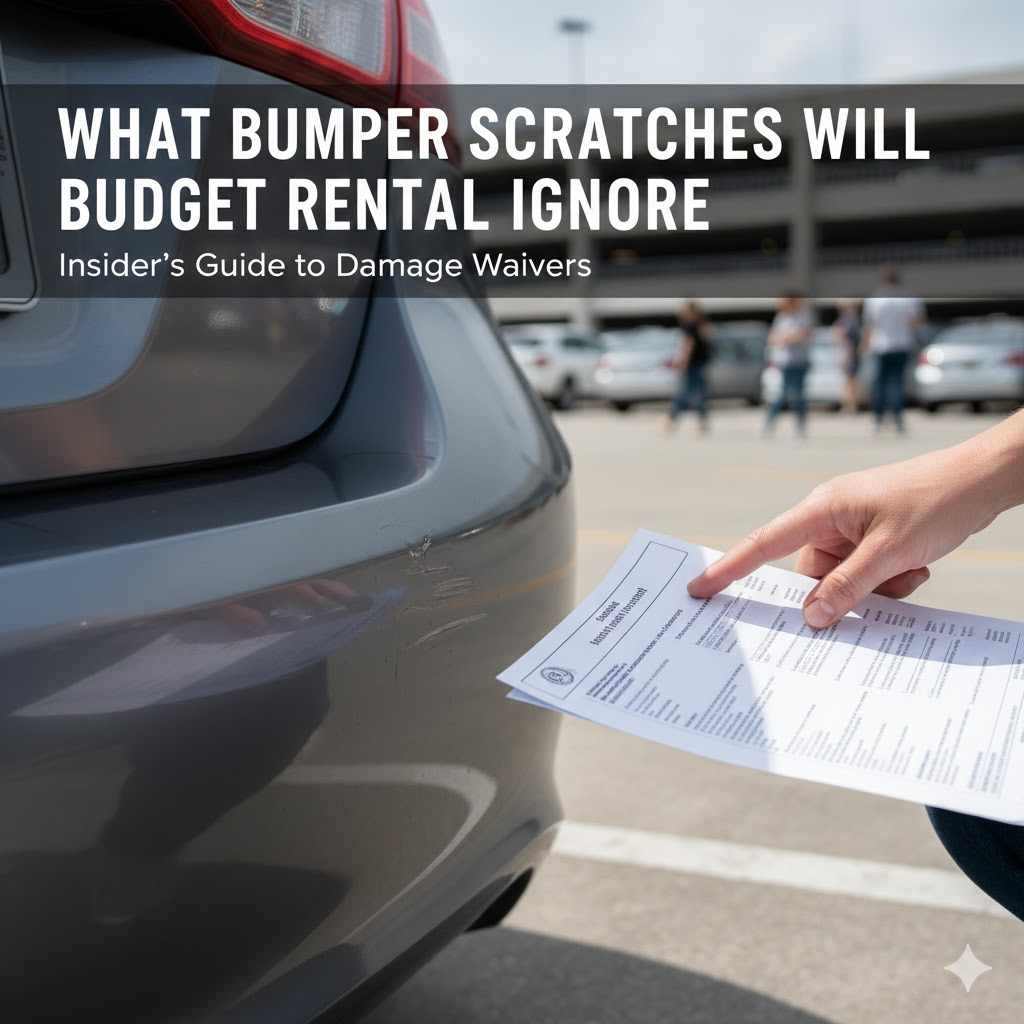
What Bumper Scratches Will Budget Rental Ignore
When you rent a car, especially from places like Budget, you might worry about tiny dings and scratches. It’s a common concern, particularly if it’s your first time renting. You might wonder, What Bumper Scratches Will Budget Rental Ignore? It can feel a bit confusing.
This guide makes it simple. We’ll walk you through what to look for so you know what’s okay and what’s not. Get ready for clear steps and easy answers.
Understanding Budget Rental Car Policies
Budget Rental’s Stance on Minor Bumper Scratches
Budget Rental, like most car rental companies, has specific policies regarding damage to their vehicles. These policies are in place to protect their assets and ensure that customers are held responsible for damage caused during their rental period. For a renter, knowing these policies upfront can prevent misunderstandings and unexpected charges.
The key is to differentiate between normal wear and tear and damage that goes beyond acceptable limits. This section will explore what constitutes normal wear and tear according to industry standards and how Budget Rental generally interprets these. We’ll break down the typical damage waiver agreements and what they cover or exclude.
Understanding these terms is your first step to avoiding surprises.
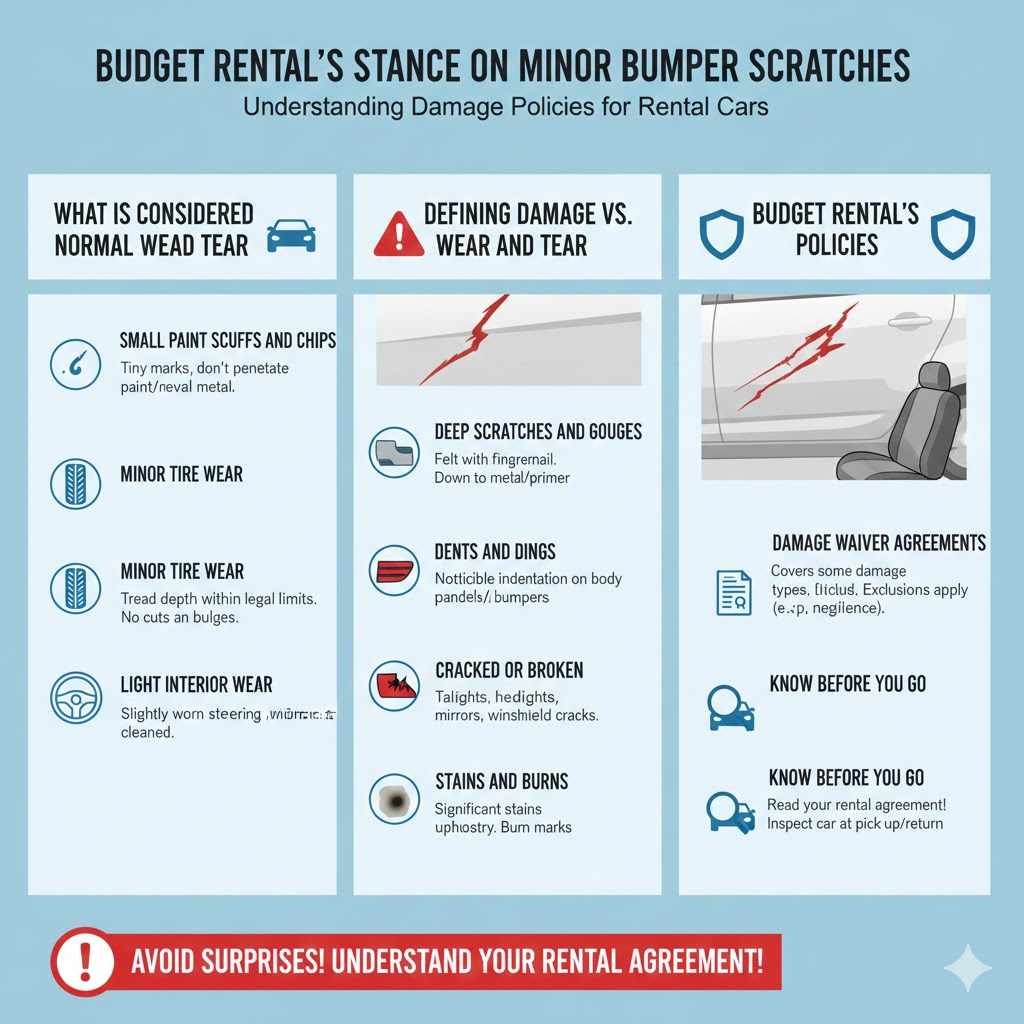
What is Considered Normal Wear and Tear
Normal wear and tear refers to the expected deterioration of a vehicle that happens over time through regular use. This includes minor cosmetic issues that do not affect the car’s safety or operability. Think of things like a few small stone chips on the windshield or very light scuffs on the paintwork that are barely noticeable.
These are generally accepted as part of the natural aging process of a vehicle. Rental companies understand that cars will be driven, and some minor imperfections are inevitable. The line between acceptable wear and damage is crucial.
- Small Paint Scuffs and Chips: Tiny marks on the paint, often caused by road debris like gravel or sand, that do not penetrate the paint or reveal the metal underneath are typically considered normal. These are common and usually not charged to the renter. Imagine a microscopic fleck of paint missing that you can barely see or feel with your fingernail.
- Minor Tire Wear: Tires naturally wear down with use. As long as the tread depth remains within legal limits and there are no cuts or bulges, normal tire wear is expected. This is a mechanical aspect of the vehicle that is accounted for in its lifecycle.
- Light Interior Wear: A slightly worn steering wheel or minor dirt that can be cleaned easily is also usually acceptable. This pertains to the everyday use of the car’s interior features.
Defining Damage vs. Wear and Tear
The distinction between damage and wear and tear is where most renter confusion arises. Damage is typically something that has occurred due to an incident, accident, or negligence, and it impacts the car’s condition or functionality. A deep scratch that goes down to the primer or metal is damage.
A dent in the bumper from hitting something is damage. Tears in the upholstery or stained seats are also considered damage, not just wear. Rental agreements usually list specific types of damage that renters are liable for.
- Deep Scratches and Gouges: If a scratch is deep enough to feel with your fingernail, or if it has removed paint down to the metal or primer, it’s considered damage. This requires repair work to prevent rust and maintain the car’s appearance.
- Dents and Dings: Any noticeable indentation in the car’s body panels or bumpers is typically classified as damage. This includes even small dents that are clearly visible.
- Cracked or Broken Components: This includes anything broken like taillights, headlights, mirrors, or significant cracks in the windshield or body panels. These are safety and functional issues.
- Stains and Burns: Significant stains on the upholstery or carpet, or any burn marks, are considered damage. This goes beyond what simple cleaning can rectify.
What Bumper Scratches Will Budget Rental Ignore?
Identifying Scratches Budget Rental Might Overlook
Knowing what Budget Rental might overlook when it comes to bumper scratches can save you a lot of worry. Generally, companies are more concerned with scratches that are deep, extensive, or that could lead to further problems like rust. Very minor, superficial scuffs that are barely visible and don’t compromise the paint are often the types that slip through the cracks.
It’s about the severity and visibility of the scratch. This section will outline the characteristics of these almost-invisible imperfections and how they differ from more serious issues. We will also touch upon the inspection process and why some minor marks might not be flagged.
Superficial Scuffs and Light Marks
A superficial scuff mark on a bumper is usually a light scratch that only affects the clear coat layer of the paint. These are often caused by brushing against soft objects, car washes, or minor bumps against other vehicles at very low speeds. They don’t penetrate the color layer of the paint, and you typically can’t feel them when you run your fingernail over them.
These are the kind of marks that can buff out easily with a polishing compound. Budget Rental, like other companies, understands that cars get these minor abrasions frequently.
- Barely Visible Lines: If a scratch looks like a faint white line and disappears when the bumper is wet, it’s likely just a scuff in the clear coat. These are very common.
- Tiny Paint Transfer: Sometimes, a bit of paint from another object can transfer onto the bumper, appearing as a smudge or line. If this can be wiped off with a detailing spray, it’s usually not an issue.
- Location Matters: Scratches on the lower, less visible parts of the bumper, or those easily hidden by mud or road grime, might be less likely to be scrutinized as closely.
Assessing Depth and Severity
The most critical factor in determining if a scratch will be ignored is its depth. A scratch is considered deep if it goes through the clear coat and the color coat, exposing the primer or the plastic of the bumper itself. You can usually feel these deeper scratches with your fingernail.
Budget Rental will likely flag any scratch that requires repair, such as filling, sanding, and repainting. They assess this by looking for any sign of underlying material.
- Fingernail Test: This is a simple but effective way to gauge depth. If your fingernail catches on the scratch, it’s likely too deep to be ignored.
- Color Layer Penetration: If the scratch shows white (primer) or black or grey (plastic), it has gone too deep. The clear coat and color coat are gone in that area.
- Potential for Rust or Corrosion: While plastic bumpers don’t rust, deep scratches that expose the material can lead to degradation or make the area more susceptible to damage from further impacts or weather.
The Rental Inspection Process
Pre-Rental Inspection Tips
Before you even drive your Budget Rental car off the lot, a thorough inspection is your best defense against unexpected charges. Many renters skip this step, assuming the car is in perfect condition. However, taking a few minutes to document any existing damage is crucial.
This includes checking the exterior, interior, and tires. You should use your phone to take clear pictures and videos of any imperfections you find. This process is not about finding fault, but about protecting yourself and ensuring a smooth rental experience.
This section will guide you on what to look for and how to document it effectively.
- Walk Around the Entire Car: Don’t just look at the doors. Check bumpers, sides, roof (if visible), and all four wheels. Use good lighting if possible.
- Document Everything: Take clear photos and videos of any existing scratches, dents, chips, or stains. Ensure the date and time are visible on your photos if your phone settings allow.
- Check for Existing Damage: Pay close attention to the areas most prone to scratches, like bumpers, door edges, and lower body panels.
- Inspect the Interior: Look for tears in seats, stains on carpets, or damage to the dashboard and console.
Using the Rental Agreement Documentation
When you pick up your rental car, you will usually be given a form to note any existing damage. It is vital to use this form accurately. If you find any marks, make sure they are noted by the rental agent and signed by you.
If the agent is in a hurry, politely insist on a proper inspection. If there isn’t a form, or if it’s insufficient, use your own documentation (photos/videos) and email it to yourself and the rental company immediately. This creates a timestamped record of the car’s condition when you received it.
- Point Out All Issues: Show the agent any marks you find and ensure they are clearly marked on the damage report.
- Request an Agent’s Signature: If you’re marking damage on their form, get the agent to sign it. This confirms they acknowledged the existing condition.
- Consider a Video Walk-Through: If possible, ask the agent to walk around the car with you and record any existing issues on your phone.
Post-Rental Concerns and What to Do
When Budget Rental Charges for Scratches
Budget Rental, like any company, will charge for damages that exceed normal wear and tear. If they claim you caused damage to the bumper or other parts of the car, they will typically present you with an invoice. This invoice might include the cost of repairs, assessment fees, and sometimes a loss of use fee if the car had to be taken out of service for repairs.
It’s important to review this invoice carefully and compare it against any documentation or pre-rental inspection reports you have. Understanding the charges is your right.
- Review the Damage Report: Compare the damage they’ve identified with the notes on your rental agreement and your own photos/videos.
- Understand the Repair Costs: Ask for a breakdown of the charges. Are they charging for actual repair costs, or a flat fee? Is it comparable to market rates?
- Check Your Credit Card Statement: If you have a rental insurance policy through your credit card, understand its coverage for these types of damages.
Disputing Unfair Charges
If you believe you are being unfairly charged for damage you did not cause, you have grounds to dispute it. The key is to have solid evidence from your rental period. This evidence would include the pre-rental inspection report, your photos and videos of the car’s condition when you picked it up, and your return receipt.
Presenting this information clearly and calmly to the rental company’s customer service department is the first step. Keep records of all communication.
- Gather All Evidence: Collect your rental agreement, your photos, videos, and any correspondence with Budget Rental.
- Contact Customer Service: Reach out to Budget Rental’s customer service department and explain your situation.
- Escalate if Necessary: If you don’t get a satisfactory resolution, you may need to escalate the issue to a supervisor or consider filing a dispute with your credit card company or a consumer protection agency.
Tips for Avoiding Bumper Damage
Driving Safely in Various Conditions
Avoiding bumper damage starts with safe driving practices. This means being aware of your surroundings, especially in tight parking spaces, busy streets, and areas with poor road conditions. When parking, take your time and use your mirrors and backup camera effectively.
Driving too fast on uneven surfaces or in areas with potholes can also lead to accidental scrapes. Being mindful of how you operate the vehicle is paramount.
- Park with Caution: Always look for parking spots that are easy to get into and out of. Avoid squeezing into tight spaces if possible.
- Be Mindful of Obstacles: Watch out for curbs, high parking blocks, speed bumps, and other low-lying obstacles that could scrape the underside of your bumper.
- Slow Down on Rough Roads: If you encounter potholes or unpaved roads, reduce your speed significantly to avoid jarring impacts.
Utilizing Rental Car Insurance Options
Understanding rental car insurance is an essential part of the rental process. Budget Rental, like other companies, offers various insurance or damage waiver options. These can protect you from paying for accidental damage, including to your bumper.
Many personal auto insurance policies and even some credit cards offer coverage for rental cars, so it’s wise to check your existing policies before purchasing additional coverage. This can sometimes be a lifesaver for minor dings and scratches.
- Check Your Credit Card Benefits: Many credit cards offer secondary or primary rental car insurance if you use the card to book the rental.
- Review Your Personal Auto Insurance: Your own car insurance policy might extend coverage to rental vehicles.
- Understand Collision Damage Waivers (CDW) / Loss Damage Waivers (LDW): These are not insurance policies but waivers that release you from liability for damage to the rental vehicle, usually for a daily fee. Read the fine print carefully.
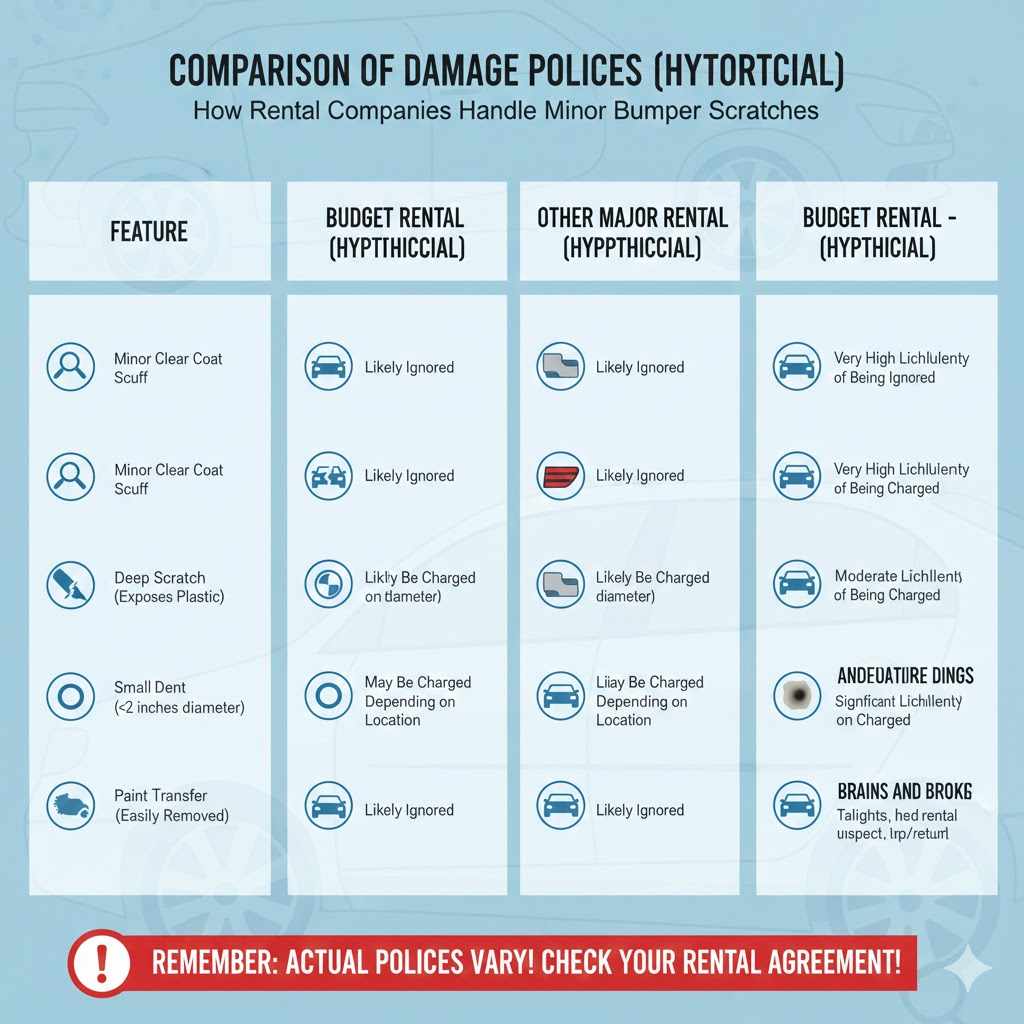
Comparison of Damage Policies (Hypothetical)
To better illustrate how different rental companies might handle minor bumper scratches, here is a hypothetical comparison. It’s important to remember that actual policies can vary, and this is for informational purposes only. The key takeaway is that most companies have a threshold for what they consider acceptable wear and tear versus chargeable damage.
| Feature | Budget Rental (Hypothetical) | Other Major Rental Company (Hypothetical) | Budget Rental (Hypothetical) – Emphasis |
|---|---|---|---|
| Minor Clear Coat Scuff | Likely Ignored | Likely Ignored | Very High Likelihood of Being Ignored |
| Deep Scratch (Exposes Plastic) | Likely Charged | Likely Charged | High Likelihood of Being Charged |
| Small Dent (<2 inches diameter) | May Be Charged Depending on Location | May Be Charged Depending on Location | Moderate Likelihood of Being Charged |
| Paint Transfer (Easily Removed) | Likely Ignored | Likely Ignored | Very High Likelihood of Being Ignored |
Frequently Asked Questions
Question: Will Budget Rental charge for a tiny scratch that is hard to see?
Answer: Budget Rental is less likely to charge for very small, superficial scratches that are difficult to see and do not penetrate the paint layer. These are often considered normal wear and tear.
Question: What is the best way to check for damage before driving away?
Answer: Do a full walk-around, check all sides of the car, and use your phone to take clear pictures and videos of any existing marks or issues before you leave the lot.
Question: Can I fix a small scratch myself before returning the car?
Answer: It is generally not recommended to attempt repairs yourself as it could potentially cause more damage or void certain rental agreements. It’s best to report any damage to the rental company.
Question: Does Budget Rental have a damage waiver that covers minor scratches?
Answer: Budget Rental offers various waiver options, but their coverage details for minor scratches should be reviewed carefully in the rental agreement. They often distinguish between damage and normal wear and tear.
Question: How can I protect myself from unfair damage charges on my rental car bumper?
Answer: Thoroughly inspect the car before renting, document any existing damage with photos and videos, and always review your rental agreement and any damage reports carefully.
Summary
When renting from Budget, focus on what bumper scratches are truly significant. Very minor, superficial scuffs that don’t go deep into the paint are usually overlooked. The key is to avoid deep scratches, dents, or any damage that affects the bumper’s integrity.
Always inspect the car thoroughly before renting and document any existing marks. This careful approach ensures you only pay for damage you actually cause.