Do You Add Transmission Fluid With the Car Running?
For most cars, yes — the engine should be running and warmed up when you check or add automatic transmission fluid, with the vehicle in Park or Neutral. Running the engine activates the transmission pump, which circulates the fluid so the dipstick gives you an accurate reading. There are real exceptions, though: manual transmissions are checked with the engine off, a handful of automakers (including Honda) specify hot-but-off, and many newer “sealed” automatics have no dipstick at all.
Getting this step wrong is one of the easiest ways to misjudge your transmission fluid level. Checking a cold, parked engine can make a normal level look low — and “topping off” based on that reading can overfill the transmission, which causes its own problems. Below is the correct method for automatic transmissions, the exceptions that actually matter, and a safe step-by-step for adding fluid.
Why the Engine Is Usually Running When You Check or Add Transmission Fluid
BEST FUNNEL FOR ADDING ATF
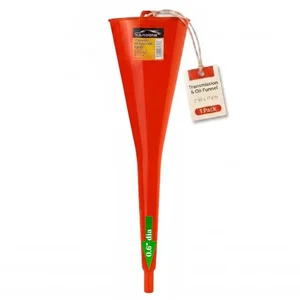 |
KarZone Long Neck Funnel for Oil Change, Transmission Fluid & Gas – $15.99 Dipstick tubes are narrow and hard to aim into with the engine running — this long, flexible neck reaches the opening without drips down the side of the engine.
|
When the engine is off, transmission fluid drains back down into the pan and settles. Pull the dipstick then and you’ll often get a falsely high reading, because the fluid that’s normally circulating through the torque converter, cooler lines, and valve body has settled where the dipstick can’t “see” the true level. With the engine running, the internal pump pushes fluid through the whole system, so the level on the dipstick reflects what’s actually available to lubricate and cool the transmission while you drive.
Temperature matters too. ATF expands as it heats up, which is why most dipsticks have separate “COLD” and “HOT” fill marks. A level that looks perfect cold can actually be low once the fluid reaches normal operating temperature (roughly 150–200°F). That’s why the standard method is: engine running, transmission warmed up (a 10–15 minute drive, or several minutes of idling and cycling through the gears), car on level ground.
Shift position matters as well. Most manufacturers want the transmission in Park for this check; a few specify Neutral instead. Your owner’s manual has the exact procedure for your specific vehicle — this is one of the few maintenance checks where the “standard” method genuinely varies by make and model, so it’s worth the two minutes to look it up rather than assume.
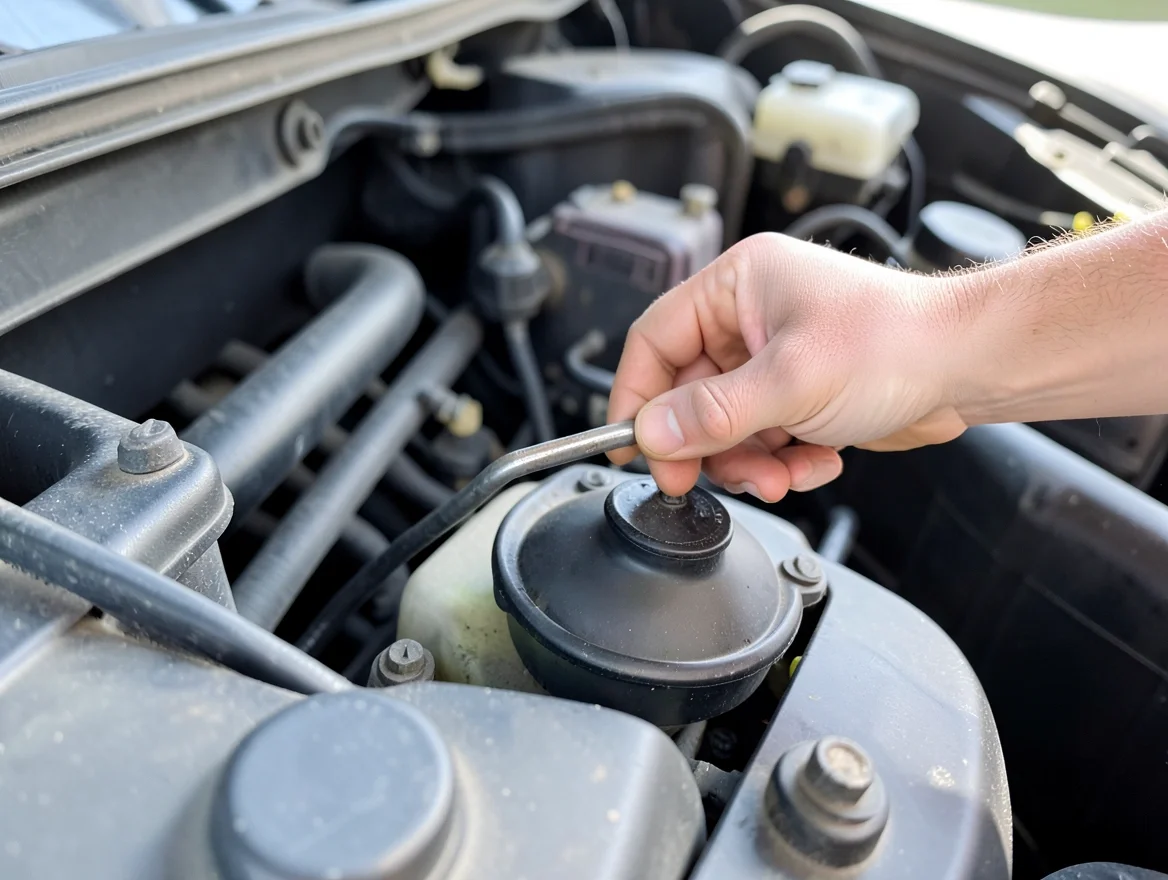
When the Engine Should Be Off Instead
“Engine running” is the default for automatic transmissions with a dipstick, but it isn’t universal. These three situations are the real exceptions:
Manual Transmissions Are Checked With the Engine Off
Manual transmissions almost never have a dipstick. Instead, there’s a fill plug on the side of the transmission case. With the engine off and the car level, a technician (or you, with the plug within reach) removes the fill plug — if fluid is at the bottom edge of the hole, the level is correct. If it’s below the hole, it needs fluid. There’s no circulation concern here because manual transmission fluid doesn’t need to be pumped through a torque converter and cooler the way ATF does.
Some Automakers Specify Hot but Off
Honda is the most common example: several Honda and Acura models call for checking transmission fluid with the engine warmed up and then shut off, not idling. This is a manufacturer-specific spec built into that transmission’s design, and it’s exactly why “check your owner’s manual” isn’t just boilerplate advice on this particular question — following the generic engine-running method on a car that calls for hot-but-off can give you a level reading that’s off by a noticeable margin.
Newer Sealed Transmissions Have No Dipstick at All
Many newer automatic transmissions are “filled for life” and built without a dipstick or an owner-accessible fill point. These use an electronic sensor or a check/fill plug that requires the vehicle to be raised on a lift and the fluid to be within a specific temperature range, verified with a scan tool. If your transmission doesn’t have a dipstick under the hood, don’t assume you can top it off yourself — that’s a job for a dealer or transmission shop, not a home DIY check.
How to Check and Add Automatic Transmission Fluid Safely
This method applies to automatic transmissions with a conventional dipstick. Confirm your vehicle uses this method (and Park vs. Neutral) in the owner’s manual before starting.
- Park on level ground and set the parking brake.
- Start the engine and let it run until the transmission reaches normal operating temperature — a short drive or several minutes of idling with the brake held and gears cycled through works.
- Shift into Park (or Neutral, per your manual) and leave the engine running.
- Open the hood and locate the transmission dipstick — usually labeled and separate from the engine oil dipstick.
- Pull it out, wipe it clean with a lint-free rag, reinsert it fully, then pull it out again to read the level.
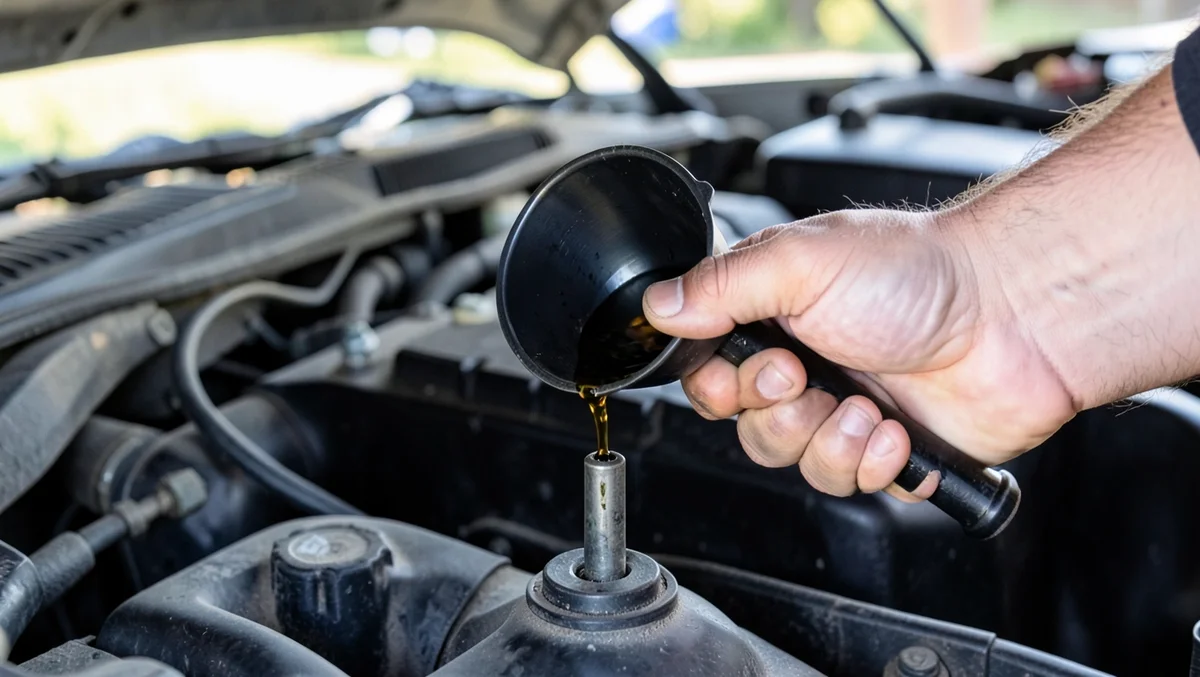
- If the level is below the “HOT” mark, insert a long-neck funnel into the dipstick tube and add fluid a little at a time — a few ounces, then recheck.
- Recheck the level after each small addition. It takes a minute or two for added fluid to circulate down into the pan and back up to the dipstick reading, so don’t rush this step.
- Stop as soon as the level sits between the marks. Reinsert the dipstick fully and close the hood.
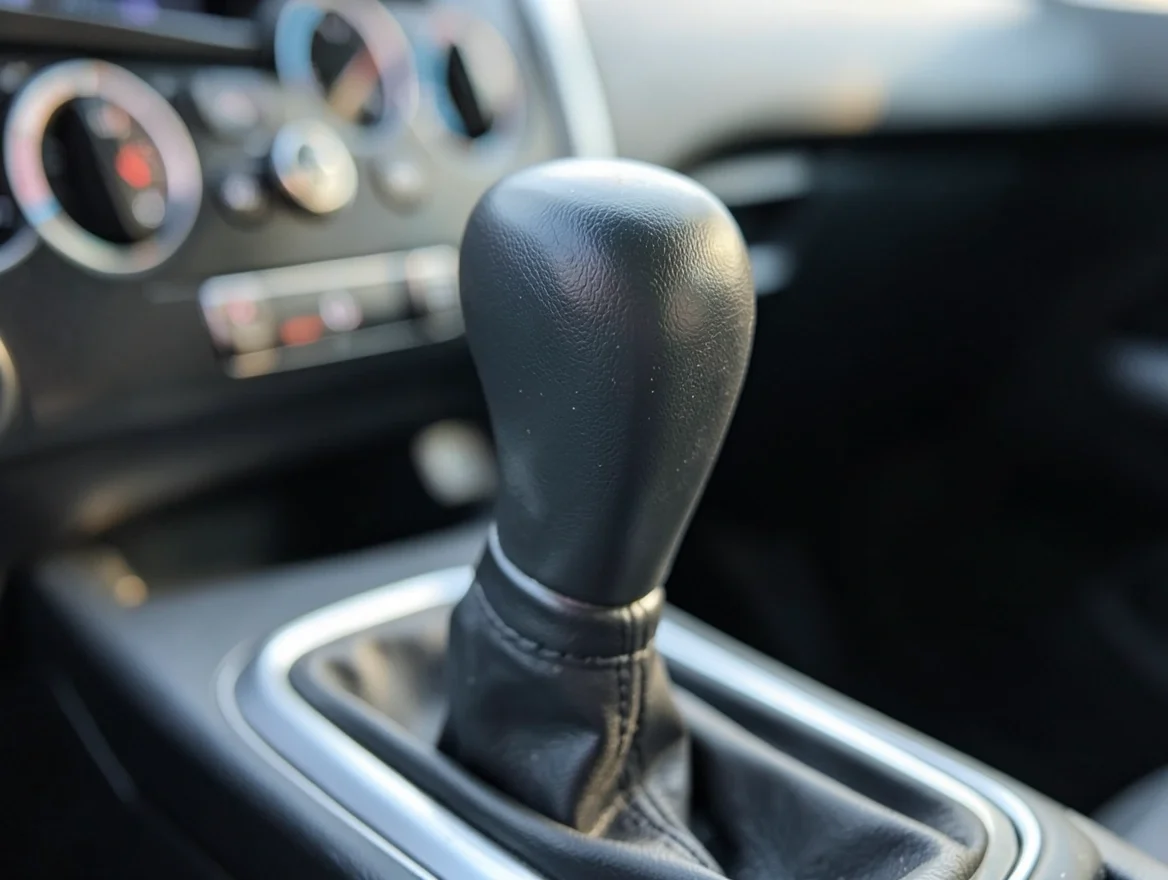
Safety Precautions When Working Near a Running Engine
Working under the hood with the engine running means moving belts, a spinning fan, and hot metal all within reach. Set the parking brake and confirm the transmission is fully in Park (or Neutral) before you start — never rely on the brake pedal alone. Keep loose sleeves, hair, and jewelry away from the belt area. Wear gloves and eye protection, since a hot dipstick or a splash of ATF can burn or irritate skin. Use a funnel to keep fluid off hot exhaust or engine components, and wipe up any spills immediately — ATF is slippery and can be a fire hazard if it drips onto a hot surface.
Choosing the Right Transmission Fluid
Transmission fluid isn’t universal, and the wrong type can cause real damage — not just a minor performance issue. Automatic transmission fluid (ATF) and manual transmission fluid (MTF) work in completely different systems, and even within “ATF” there are several distinct formulations (such as Dexron, Mercon, or a manufacturer-specific synthetic) that aren’t interchangeable. Using the wrong ATF type can affect shift quality, clutch material compatibility, and seal life.
Check your owner’s manual or the fluid fill cap for the exact specification your vehicle calls for, and buy fluid labeled for that spec rather than a generic “universal ATF” unless the label explicitly states it meets your manufacturer’s requirement. If you’re not sure which fluid your car needs, a dealer parts department or independent transmission shop can look it up by VIN in a few minutes.
Signs of Low or Failing Transmission Fluid
If the transmission seems to hesitate, slip, or shift on its own between gears, that’s often a sign of low transmission fluid. You might also notice the engine revving higher than normal before the car actually accelerates, or a delay when shifting from Park into Drive. Low fluid reduces the hydraulic pressure the transmission needs to engage gears cleanly, and running it low for an extended period can lead to real internal wear.
Grinding, whining, or humming noises from the transmission area are another warning sign, and they usually point to fluid that’s either low or has broken down (dark, burnt-smelling fluid instead of the normal reddish color). Don’t ignore these noises — catching a fluid problem early is far cheaper than repairing a transmission that’s run low or dirty for months.
Common Mistakes to Avoid
- Checking cold, then topping off: a cold reading can look artificially low, leading to overfilling once the fluid warms and expands.
- Overfilling: too much fluid causes foaming and aeration, which reduces the fluid’s ability to lubricate and can lead to overheating or slipping.
- Using the wrong fluid type: ATF formulations aren’t interchangeable, and using the wrong one can affect shift quality or damage seals.
- Pouring too fast: adding fluid in one continuous pour without rechecking makes it easy to overshoot the correct level.
- Skipping the owner’s manual: Park vs. Neutral, and engine-on vs. engine-off, genuinely differ by manufacturer — don’t assume the generic method applies to every car.
When to Call a Professional
Some situations are worth handing to a mechanic rather than tackling yourself: if your transmission has no accessible dipstick (a sealed, filled-for-life design), if you see fluid leaking anywhere under the car, if the transmission shifts harshly or slips even after a fluid top-off, or if you feel vibration during shifting. A shop has the lift access, scan tools, and manufacturer-specific procedures to diagnose the actual cause rather than guessing, and catching a problem early is almost always cheaper than a full transmission rebuild or replacement later.
Frequently Asked Questions
Do You Add Transmission Fluid With the Engine Running or Off?
For most automatic transmissions with a dipstick, yes — the engine should be running and warmed up so the fluid is circulating, which gives an accurate reading. Manual transmissions and some sealed automatics are the exceptions; always confirm the method in your owner’s manual.
Should the Car Be in Park or Neutral When Checking Transmission Fluid?
Most manufacturers specify Park, but some specify Neutral. Both require the parking brake engaged and the vehicle on level ground. Check your owner’s manual for the exact position your vehicle calls for.
Why Does Honda Say to Check Transmission Fluid With the Engine Off?
Honda and Acura specify checking several of their automatic transmissions warmed up but with the engine shut off, which is a manufacturer-specific design difference from the more common engine-running method. Using the wrong method on these models can give you a level reading that’s noticeably off.
How Do You Check Manual Transmission Fluid?
Manual transmissions are checked with the engine off, using a fill plug on the side of the case rather than a dipstick. If fluid reaches the bottom of the fill hole, the level is correct; if it’s below that, it needs more fluid.
Can You Add Transmission Fluid to a Hot Engine?
Yes, and for most automatics that’s actually the correct condition — a warmed-up engine and transmission give the accurate “HOT” reading on the dipstick. Just use a funnel, add fluid slowly, and keep hands and rags away from the exhaust and any moving parts.
What Happens if You Add Too Much Transmission Fluid?
Overfilling causes the fluid to foam and aerate inside the transmission, which reduces its ability to lubricate and cool properly. This can lead to slipping, overheating, and, if left uncorrected, internal damage. If you overfill, some fluid needs to be drained back out to the correct level.
The Bottom Line
For the vast majority of cars with a dipstick, the correct method is engine running, transmission warmed up, and the vehicle in Park or Neutral on level ground — that’s what gives you an accurate fluid level and lets you add fluid safely through the dipstick tube. The exceptions are real, though: manual transmissions are checked with the engine off, a few automakers like Honda specify hot-but-off, and many newer sealed transmissions have no dipstick at all. When in doubt, your owner’s manual has the exact procedure for your specific vehicle — and if your transmission shows signs of trouble beyond a simple low-fluid top-off, a qualified mechanic can diagnose it properly.
Products related to this article
Sponsored / affiliate links. As an Amazon Associate I earn from qualifying purchases. I may earn additional commission from eligible campaigns.