What Are The Plastic Screws On Bumpers Called?
Plastic screws are small, but they play a big role in keeping car bumpers secure and looking good. Many people see these fasteners when they look closely at their car’s bumper, but few know their real name or purpose. If you’ve ever wondered what those plastic screws are called, how they work, or why they matter, you’re in the right place.
In this article, you’ll learn everything you need to know about these tiny but important parts—from their names and functions to how they compare with other fasteners and how to replace them yourself. Whether you’re a curious car owner or starting out with DIY repairs, clear answers and practical advice await you.
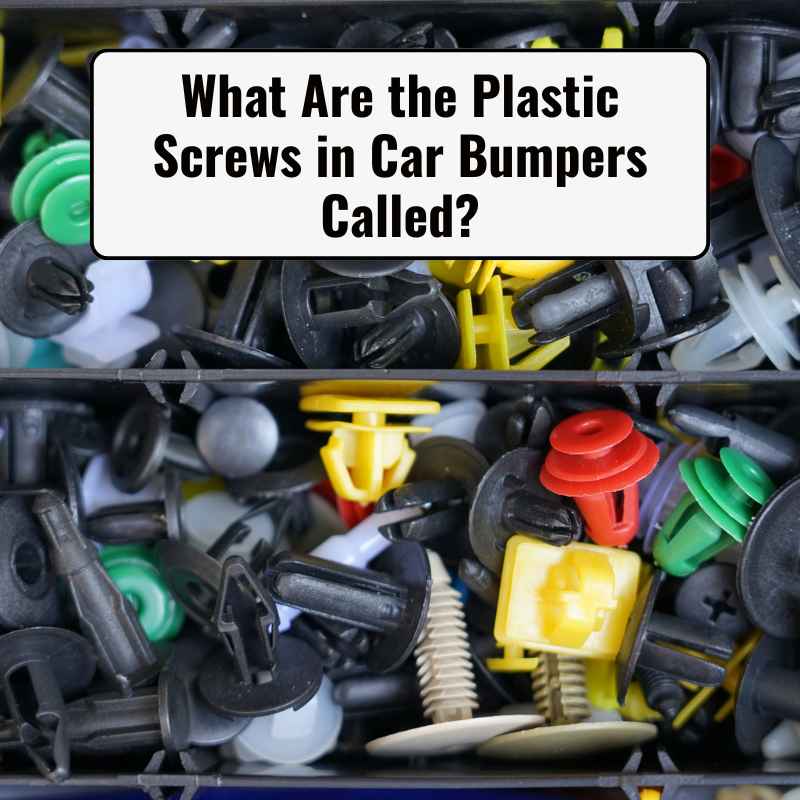
The plastic screws you see in car bumpers are usually known as bumper clips, retainers, or push rivets. Sometimes, people call them plastic fasteners or trim clips
. Each term describes a part that anchors the bumper to the frame or holds different sections together.Common Names
- Bumper clips
- Push rivets
- Plastic retainers
- Trim clips
- Panel fasteners
Most mechanics use these terms interchangeably, but car manufacturers may use a specific name in their manuals. For example, Toyota often calls them “clips” while Honda refers to “retainers. ” If you buy replacements, knowing these names helps you find the right part.
Why Are They Plastic?
Plastic is used because it’s lightweight, resists rust, and is flexible enough to absorb bumps. Unlike metal screws, plastic fasteners don’t scratch paint and are easier to remove without tools. They are also cheaper for car makers, which helps keep production costs low.
How Do They Work?
These fasteners fit into small holes along the bumper and “snap” into place. Most have a center pin that you push in to lock, or pull out to release. They create a tight hold but allow for easy removal when you need to repair or replace the bumper.
Types Of Plastic Fasteners Used In Car Bumpers
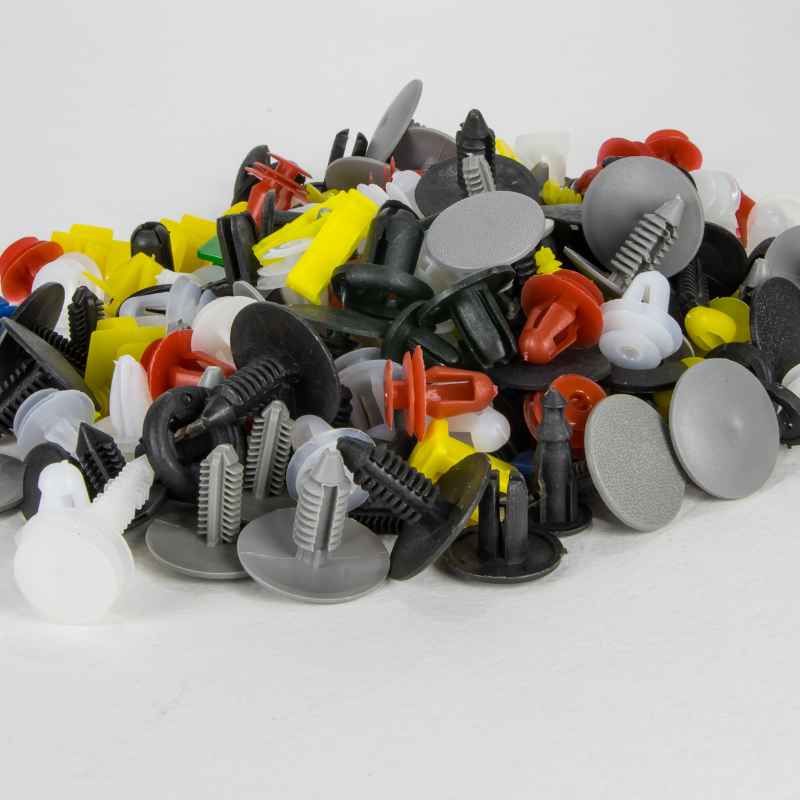
Car bumpers use several types of plastic fasteners, each designed for a specific job. Understanding the differences helps you choose the right one for repairs.
Push Rivets
Push rivets are the most common type. They have a two-part design: a base and a pin. You push the pin to expand the base, locking the rivet in place.
- Used for attaching bumper covers and splash guards.
- Easy to install—just push to lock.
Snap-in Clips
Snap-in clips slide into slots and snap tight. They often hold trim pieces or small panels.
- Good for quick assembly.
- Can be reused if not damaged.
Screw-type Retainers
These look like screws but are made from plastic. They turn into a threaded hole and offer a stronger hold than push rivets.
- Used in areas that need more strength.
- Require a screwdriver for installation.
Expansion Clips
Expansion clips expand when pushed into a hole. They often secure thicker panels or inner bumper parts.
- Hold panels firmly.
- Can handle vibration and movement.
Comparison Table: Main Types Of Plastic Bumper Fasteners
| Type | How It Locks | Common Use | Ease of Removal |
|---|---|---|---|
| Push Rivet | Push pin to expand | Bumper cover | Easy |
| Snap-In Clip | Snap into slot | Trim pieces | Moderate |
| Screw-Type Retainer | Twist into hole | Strong hold areas | Easy (with tool) |
| Expansion Clip | Expands in hole | Thicker panels | Moderate |
Why Plastic Fasteners Matter For Car Bumpers
Many people think these clips are small and unimportant, but they are essential for keeping your bumper secure and safe.
Protecting Against Vibration
Bumpers face a lot of shaking and movement, especially when driving over rough roads. Plastic fasteners absorb vibration without breaking, keeping the bumper from rattling or coming loose.
Preventing Rust
Metal screws can cause rust, especially where water collects. Plastic fasteners resist moisture, helping your bumper stay clean and rust-free.
Easy Repairs
If your bumper needs fixing, plastic clips are easy to remove and replace. You don’t need special tools or skills, making repairs quicker and cheaper.
Example: Accident Damage
After a minor accident, bumpers often pop loose. The plastic clips break but don’t damage the bumper or frame. Replacing the clips is much cheaper than buying a new bumper.
Cost Comparison Table: Plastic Vs Metal Fasteners
| Fastener Type | Average Price (per piece) | Installation Difficulty | Rust Risk |
|---|---|---|---|
| Plastic Clip | $0.10 – $0.50 | Low | None |
| Metal Screw | $0.20 – $0.75 | Medium | High |
Where Are Plastic Bumper Screws Located?
Plastic fasteners are placed in specific spots to keep the bumper secure.
Common Locations
- Top edge – Under the hood, holding the bumper to the frame.
- Bottom edge – Near the splash guard or undertray.
- Wheel wells – Along the sides, where the bumper meets the fender.
- Behind the license plate – Sometimes used to hold the plate bracket.
- Corners – Where bumper sections join.
Every car model is different, but most use 6–12 clips per bumper. Some SUVs or trucks may use more.
Visual Example
If you look under your car’s hood, you’ll see several round plastic clips along the top of the bumper. In the wheel wells, look for plastic screws holding the bumper to the fender. These are all designed to be removed for easy bumper repair or replacement.
How To Identify The Right Plastic Fastener For Your Car
Choosing the right clip is important. If you pick the wrong size or type, the bumper may not fit well.
Check Your Owner’s Manual
Most manuals list the part number or type of fastener used. Look for sections on bumper removal or body repairs.
Compare With Existing Clips
Remove one clip and measure its length, diameter, and shape. Take it to an auto parts store, or compare with online listings.
Common Sizing
Plastic fasteners come in standard sizes. Here are some typical measurements:
- Head diameter: 18–22 mm
- Stem length: 20–28 mm
- Stem diameter: 7–10 mm
Some cars use unique clips, so always check before buying.
Example: Honda Accord
The Honda Accord uses push rivets with an 18 mm head and a 23 mm stem. Toyota Camry uses snap-in clips with a wider head. Always match the clip to your car model.
Data Table: Common Fastener Sizes By Car Brand
| Car Brand | Head Diameter (mm) | Stem Length (mm) | Type |
|---|---|---|---|
| Honda | 18 | 23 | Push Rivet |
| Toyota | 22 | 25 | Snap-In Clip |
| Ford | 20 | 28 | Expansion Clip |
How To Remove And Replace Plastic Bumper Clips
If your bumper is loose, broken, or rattling, you may need to change the clips. Here’s a simple, step-by-step guide.
Tools Needed
- Flathead screwdriver
- Clip removal tool (optional)
- Replacement clips
Steps To Remove
- Locate the clips – Check all edges of the bumper.
- Insert the tool – Use a flathead screwdriver under the clip head.
- Lift the center pin – If it’s a push rivet, pull the center pin up first.
- Pull out the clip – Gently lift or twist to remove.
- Repeat for all clips – Remove each clip in order.
Steps To Replace
- Align the bumper – Make sure holes match up.
- Insert the new clip – Push it into the hole.
- Lock the clip – Press the center pin to secure.
- Check fit – Make sure the bumper is tight and secure.
Practical Tips
- If a clip breaks, remove all pieces before installing a new one.
- For tight clips, use a clip removal tool to avoid scratching the paint.
- Buy extra clips—they are cheap and often break during removal.
- Don’t force a clip that doesn’t fit; use the correct size.
Example: Common Mistake
Some beginners use metal screws when plastic clips break. This can damage the bumper and lead to rust. Always replace with the same type.
Differences Between Plastic Screws And Other Fasteners
Not all bumper fasteners are plastic, and not all plastic screws are the same. Here’s how they compare.
Plastic Vs Metal Fasteners
- Plastic fasteners are lightweight, rustproof, and easy to remove.
- Metal screws are stronger but can rust and damage paint.
Clip Vs Screw
- Clips snap or push in and can be removed without tools.
- Screws need a screwdriver and give a tighter hold.
Rivet Vs Clip
- Rivets expand to lock in place, often used for larger panels.
- Clips are for lighter parts and trim.
Key Insight
Some cars mix plastic and metal fasteners in the same bumper. For example, plastic clips may hold the cover, while metal screws anchor the frame. Always check which is used before replacing.
Common Problems With Plastic Bumper Fasteners
Even though they are strong, plastic clips can face problems.
Breaking
Plastic clips can crack if you pull them too hard. Cold weather makes them brittle. Always remove gently and avoid working in freezing temperatures.
Loss
Clips can fall out during repairs or after an accident. Missing clips leave the bumper loose.
Wrong Size
Using the wrong size or type causes poor fit. The bumper may sag or rattle.
Wear And Tear
Over time, clips wear out from vibration and heat. It’s normal to replace them every few years.
Example: Real-life Data
A survey of auto repair shops found that plastic clips are among the top five parts replaced after bumper repairs. Most shops keep dozens of sizes in stock because every car uses different clips.
How Often Should You Replace Plastic Bumper Clips?
There is no fixed schedule, but some signs show it’s time.
Signs You Need New Clips
- Bumper feels loose or rattles.
- Clips are cracked, missing, or won’t lock.
- After any bumper repair or accident.
Practical Advice
Check your clips every time you service the car or wash it. If you notice loose parts, replace the clips right away.
Where To Buy Plastic Bumper Screws And Clips
Finding the right clip is easy if you know what to look for.
Auto Parts Stores
Most stores carry a range of clips. Ask for “bumper clips” or “plastic fasteners. ” Bring a sample for easy matching.
Online Retailers
Websites like Amazon, eBay, and specialized auto parts sites list hundreds of clip types. Use your car’s model and year to find the right part.
Dealerships
For rare clips, visit the car dealership. They have exact matches but may charge more.
Example: Pricing
A bag of 10 plastic clips costs $2–$5 online. Dealerships may charge $1–$2 per clip.
Are All Plastic Bumper Screws Universal?
Not all clips fit every car. Some are universal, but many are model-specific.
Universal Clips
These fit standard holes and are good for quick repairs. However, they may not match the original look or fit.
Oem Clips
OEM stands for “Original Equipment Manufacturer.” These match the exact size, shape, and color of your car’s clips.
When To Use Universal Clips
- For temporary repairs.
- When original clips are unavailable.
- If exact fit is not critical.
When To Use Oem Clips
- For perfect fit and appearance.
- To maintain warranty.
- For newer cars.
Key Insight
If you plan to sell your car, OEM clips help keep it looking original. Universal clips are fine for older cars or small repairs.
Statistics: Plastic Fastener Usage In Modern Cars
Modern cars use more plastic fasteners than ever. Here are some facts:
- The average car bumper uses 8–14 plastic clips.
- Over 60% of bumper fasteners are plastic in cars made after 2010.
- Plastic clips reduce bumper repair time by 30% compared to metal screws.
- OEM clips are used in over 90% of new car models.
These numbers show how important plastic fasteners are for car assembly and repair.
Environmental Impact Of Plastic Bumper Screws
Plastic is often criticized for environmental harm, but bumper clips are designed to last and use less material.
Recycling
Most bumper clips are made from nylon or polypropylene. These materials can be recycled if collected properly.
Waste Reduction
Because plastic clips break instead of damaging the bumper, fewer large parts end up in landfills.
Industry Trends
Car makers are shifting to bio-based plastics for clips to reduce impact. Some new models use recycled materials.
Practical Insight
If you replace clips, collect the old ones and recycle them at a local auto parts store or recycling center.
Tips For Beginners: Safe Handling And Mistakes To Avoid
If you’re new to car repairs, plastic clips are a good place to start. Here are tips to help you succeed.
Handle With Care
- Use gentle pressure to avoid breaking clips.
- Work in warm weather to prevent brittleness.
Match The Clip
- Always check the size and shape before buying.
- If unsure, bring a sample to the store.
Avoid Metal Screws
- Don’t substitute metal for plastic.
- Metal can damage the bumper and cause rust.
Buy Extra
- Clips are cheap—buy a few more than you need.
- Spares help if one breaks during installation.
Practice First
- Try removing and installing a clip on a hidden part before working on the main bumper.
Real-world Example: Repairing A Loose Bumper
Let’s walk through a real scenario. A car owner notices their bumper is loose after hitting a curb.
- They inspect and find three broken clips.
- They remove the old clips using a flathead screwdriver.
- They buy new OEM clips online for $4.
- They align the bumper and snap in the new clips.
- The bumper fits tight and looks as good as new.
This simple repair saves time and money compared to a full bumper replacement. Beginners often miss the importance of proper clip alignment—always check the holes before pressing clips in.
How Plastic Bumper Fasteners Improve Car Safety
Plastic clips may seem minor, but they affect safety.
Crash Absorption
During a small collision, clips break to absorb impact. This prevents the bumper from transferring force to the car frame, reducing damage.
Preventing Loose Parts
A loose bumper can fall off or drag on the road. Plastic clips keep the bumper secure, avoiding accidents.
Quick Repairs
Easy-to-replace clips mean damaged bumpers can be fixed quickly, keeping your car safe and roadworthy.
Frequently Asked Questions
What Is The Technical Name For Plastic Bumper Screws?
The most common technical names are push rivets, bumper clips, and plastic retainers. Each describes a fastener used to secure bumpers and trim panels.
Are Plastic Bumper Clips Strong Enough For Daily Use?
Yes, plastic bumper clips are designed to handle vibration, weather, and minor impacts. They are tested for strength and durability in car manufacturing.
Can I Use Metal Screws Instead Of Plastic Clips?
It’s not recommended. Metal screws can cause rust, scratch paint, and damage the bumper. Always use the same type of fastener your car originally had.
How Do I Find The Right Clip For My Car?
Check your owner’s manual for part numbers, or remove a clip and match its size at an auto parts store. Online stores often list clips by car make and model.
Are Plastic Bumper Clips Recyclable?
Most are made from nylon or polypropylene, which can be recycled if collected properly. Ask your local auto parts store or recycling center for guidance.
Plastic screws, clips, and fasteners may seem small, but they are a big part of car safety, appearance, and repair. Knowing their names, types, and how to handle them can save you money and make DIY repairs easier. Whether you need to replace a broken clip or want to understand more about your car, these fasteners deserve your attention. If you want deeper technical details, explore resources like Wikipedia for more information. Next time you look at your car’s bumper, you’ll know exactly what those plastic screws are called and how they work.
Products related to this article
Sponsored / affiliate links. As an Amazon Associate I earn from qualifying purchases. I may earn additional commission from eligible campaigns.