What CarMax Looks For: Proven Buying Secrets
To sell your car to CarMax, focus on its condition. CarMax prioritizes clean vehicles with no major cosmetic flaws, a good maintenance history, and recent inspections. Transparency about any issues and having documentation ready will streamline the process and potentially get you a better offer.
Selling your car can feel like a puzzle, especially when you’re trying to get the best deal. A common question is: “What exactly does CarMax look for when they buy a car?” It’s natural to want to know what makes your car stand out to a big buyer like CarMax. You might worry about hidden quirks or confusing paperwork. But don’t sweat it! Understanding what buyers like CarMax value can make selling your car much smoother and more profitable. This guide will break down exactly what CarMax considers, giving you the inside scoop so you can confidently prepare your vehicle and get a fair offer. We’ll cover everything from its appearance to its paperwork, so you’re well-prepared for the process.
Decoding CarMax’s Buying Criteria: What You Need to Know
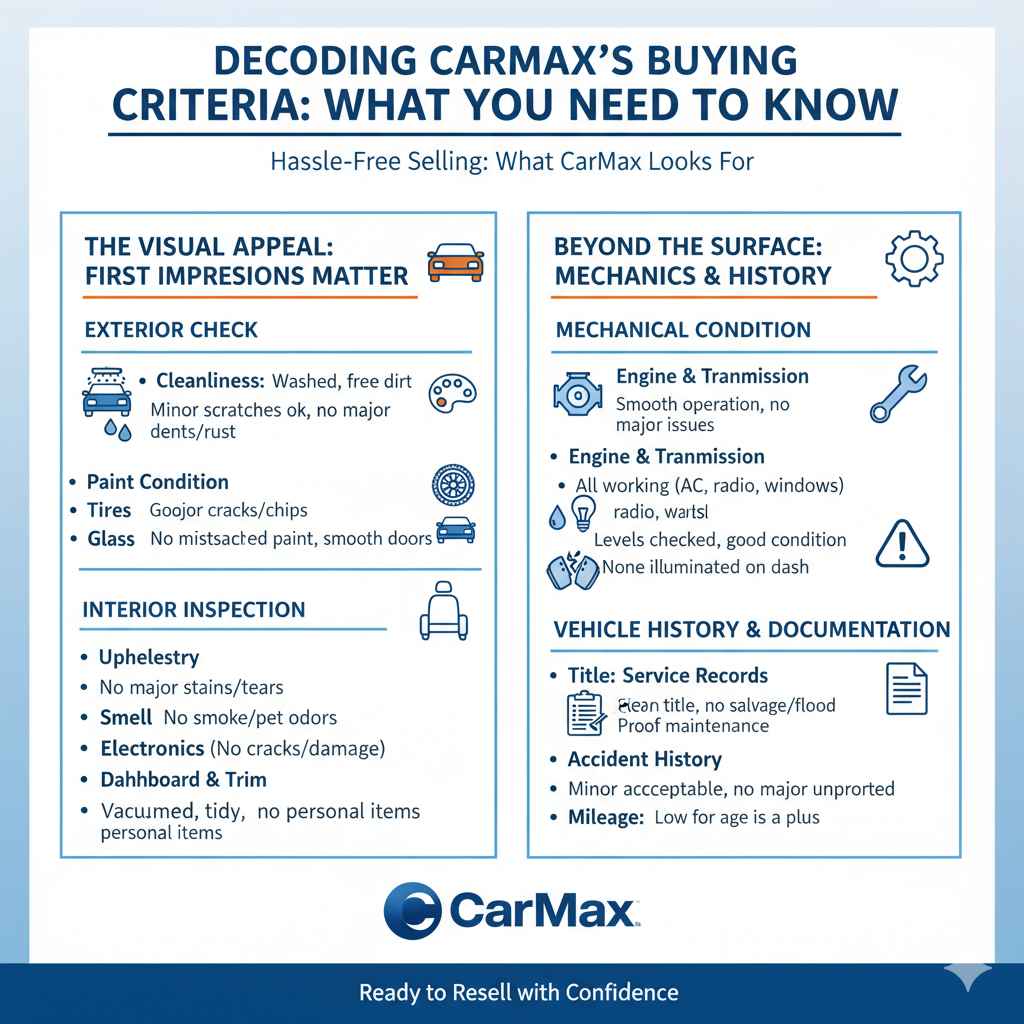
So, you’re thinking about selling your car to CarMax? Great choice for a hassle-free experience! But what exactly goes on behind the scenes when they decide if your car is a good fit? CarMax is known for its straightforward appraisal process, but there are key things they examine to determine a car’s value and whether they’ll make an offer. Think of it like this: CarMax is scouting for cars that are in good shape, well-maintained, and have a clear history. They aren’t looking for perfect, showroom-condition vehicles, but they do want cars that are ready to be resold with confidence. Let’s dive into the specifics so you can be ready!
The Visual Appeal: First Impressions Matter
CarMax definitely notices how your car looks. They want to see a vehicle that has been cared for. This doesn’t mean it needs to be brand new, but dents, major scratches, or peeling paint can bring down their offer. They are looking for a car that presents well to potential buyers on their lot.
Exterior Check: More Than Just a Wash
- Cleanliness: A sparkling clean car makes a great first impression. Wash off dirt, mud, and grime. Pay attention to wheels and tires.
- Paint Condition: Minor scratches and chips are often acceptable, especially on older vehicles. However, large dents, deep scratches, rust spots, or faded paint can be red flags.
- Tires: Check the tread depth. If your tires are significantly worn, CarMax might factor in the cost of replacement when making their offer. Good tires show responsible ownership.
- Glass: Cracks or significant chips in the windshield or other windows will likely be noted.
- Body Panels: Look for any signs of mismatched paint, which can indicate past repairs from accidents. Ensure all doors, hood, and trunk open and close smoothly.
Interior Inspection: Comfort and Cleanliness
- Upholstery: Stains, tears, or excessive wear on seats or carpets can lower your car’s perceived value. A good cleaning or professional detailing can help significantly.
- Smell: Lingering odors, especially from smoke or pets, are a big turn-off. If possible, clean out any items that might trap smells.
- Electronics: Ensure all dashboard lights are off (except for normal indicators like oil pressure when the engine is running), and all electrical components are working. This includes power windows, locks, radio, air conditioning, and heating.
- Dashboard and Trim: Cracks or significant damage to the dashboard or interior trim pieces will be noticed.
- Cleanliness: Vacuum the floors, wipe down surfaces, and remove any personal belongings. A tidy interior suggests a well-maintained vehicle.
Under the Hood: Mechanical Health and Maintenance
Beyond the looks, CarMax pays close attention to how your car runs. They want to know it’s mechanically sound and has been looked after. A car that runs smoothly and has a history of regular maintenance is a plus.
Engine and Drivetrain: The Heart of the Car
- Engine Noise: Listen for any unusual sounds like knocking, ticking, or whining. A healthy engine purrs, it doesn’t rattle.
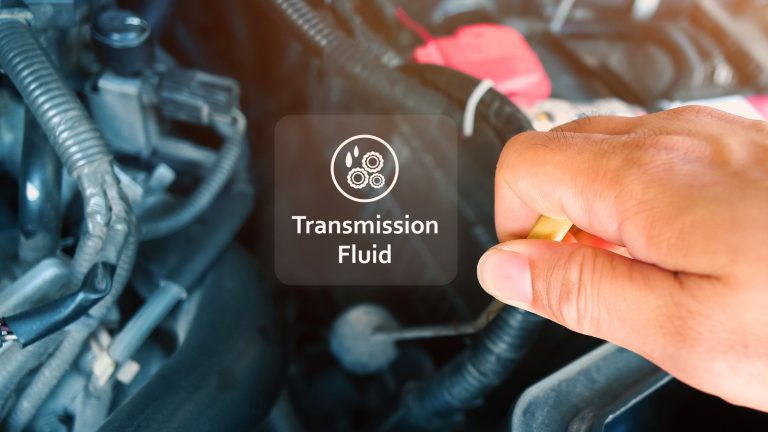
- Fluid Levels: Ensure all essential fluids (oil, coolant, brake fluid, power steering fluid, transmission fluid) are at the correct levels and appear clean. Low or dirty fluids are a warning sign.
- Leaks: Check for any visible fluid leaks under the car or around the engine.
- Transmission: Shifts should be smooth without hesitation or jerky movements.
Brakes and Steering: Safety First
- Brake Performance: Do the brakes feel firm? Are there any grinding or squealing noises when you brake?
- Steering: The vehicle should drive straight without pulling to one side, and the steering should feel responsive.
Maintenance Records: Proof of Care
This is a big one! Having documentation of regular oil changes, tire rotations, and other scheduled maintenance can significantly boost your car’s appeal and your offer. It proves you’ve been proactive about keeping your car in good shape. You can often get your maintenance history from your mechanic or through online services if you’ve used them consistently. Resources like FuelEconomy.gov offer great general advice on vehicle maintenance that aligns with what buyers look for.
The Paperwork Trail: Clarity and Ownership
CarMax needs to ensure they are buying a car with a clear title and that you are the rightful owner. Having your ducks in a row here makes the process much faster and smoother.
Title and Ownership
- Clean Title: CarMax generally looks for vehicles with a “clean” title. This means there’s no salvage, flood, or major accident branding on the title.
- Ownership Verification: You’ll need to prove you own the car. This usually involves showing your driver’s license and the car’s title document.
- Liens: If you still owe money on the car (there’s a lien on the title), you’ll need to have that resolved before you can sell it. CarMax can sometimes help with this process, but it’s often simpler if you clear it beforehand.
Reporting and History Checks
CarMax will run a vehicle history report (like Carfax or AutoCheck). This report is crucial. It can reveal accidents, previous owners, and title issues. While a minor accident that was properly repaired might not be a deal-breaker, major issues will be. Transparency is key here; if you know about something the report might show, it’s best to be upfront.
The Appraisal Process: What to Expect
When you bring your car to CarMax, they have a structured process to evaluate it. Understanding this process can help alleviate any anxiety.
The Inspection Walk-Around
A CarMax associate will physically inspect your car. They’ll go through it, inside and out, checking all the points we’ve discussed: the exterior for dents and paint, the interior for wear and tear, and they’ll likely take it for a short test drive to assess mechanical condition. They use a detailed checklist to ensure consistency.
Pre-Appraisal Preparation: Things You Can Do
Before you even arrive at CarMax:
- Clean It Thoroughly: A detailed wash, interior vacuuming, and wipedown can make a big difference.
- Gather Documents: Have your title (if you have it), registration, and any maintenance records ready.
- Minor Repairs: Fix small issues like burned-out bulbs or a cracked taillight cover if you can do it cheaply.
- Remove Belongings: Empty the car completely.
The Offer Window
After the inspection, CarMax will give you a written offer. This offer is typically valid for several days (often 7 days). It’s a no-obligation offer, meaning you can walk away if you’re not happy with it. This transparency is one of the things people appreciate about CarMax.
Specific Vehicle Types: What CarMax Prefers
While CarMax buys a wide range of vehicles, some types tend to be more sought after than others. Generally, they prefer cars that are popular with a broad range of buyers.
Popular Models and Makes
Every dealership has a demand list based on what their customers are buying. Common, reliable models from mainstream brands like Toyota, Honda, Ford, and Chevrolet are often in high demand. Luxury vehicles, sports cars, or highly specialized vehicles might be harder for them to appraise and resell, potentially leading to a lower offer if they decide to buy it at all.
Mileage and Age
CarMax generally looks for vehicles with reasonable mileage for their age. Extremely high mileage can indicate more wear and tear, while very low mileage on an older car might raise questions about why it wasn’t driven (e.g., mechanical issues preventing use). There isn’t a hard and fast rule, but extremely high mileage vehicles (e.g., over 150,000 miles, depending on age and make) might be looked at more critically.
You can get a general idea of average mileage for a car’s age from resources like the Federal Highway Administration’s data on annual vehicle miles traveled, which can help you understand how your car compares.
Condition is King (Across All Types)
Regardless of make, model, or age, the overall condition remains the most critical factor. A well-maintained, clean car from a less popular brand will likely fare better than a neglected, high-demand model.
CarMax’s Buying Limits and Exclusions
It’s important to know that CarMax does have some limits on what they will buy. Knowing these upfront saves you time and disappointment.
Vehicles They Typically Won’t Buy
CarMax has specific criteria that can lead them to decline purchasing a vehicle:
- Salvage or Branded Titles: As mentioned, cars with titles indicating they’ve been declared a total loss due to damage (flood, salvage, etc.) are generally not accepted.
- High Age or Mileage: While not always a strict cutoff, very old cars or those with exceptionally high mileage might be outside their buying parameters.
- Rebuilt Status: Similar to salvage titles, a “rebuilt” status can be a disqualifier.
- Certain Makes/Models: Some specialty vehicles, heavily modified cars, or models with known significant issues may be avoided.
- Major Mechanical Issues: Significant and costly problems with the engine, transmission, or safety systems will likely lead to them not buying the car.
The “As-Is” Nature of Their Purchases
CarMax buys cars “as-is.” This means once they purchase it from you, they are responsible for any subsequent repairs. This is why their inspection is thorough—they are assessing what it will cost them to get the car ready for their sales lot.
Preparing Your Car for the Best Offer: A Checklist
Maximizing your car’s value at CarMax comes down to preparation. Here’s a practical checklist to get your car ready:
- Deep Clean Inside and Out: Wash, wax, and vacuum. Clean all surfaces, glass, and wheels. Consider a professional detail if you can afford it.
- Address Minor Cosmetic Issues: Fix small stone chips in the paint, repair minor scuffs, or replace a cracked emblem if it’s easy and inexpensive.
- Repair or Replace Worn Tires: Ensure tires have decent tread life.
- Remove All Personal Items: Clear out the glove box, trunk, and all compartments.
- Organize Your Documents: Gather your title (if you have it free and clear), maintenance records, and owner’s manual.
- Check All Features: Ensure lights, wipers, radio, AC, power windows, and locks are working correctly.
- Clear Any Warning Lights: If a warning light is on due to a minor issue (like a loose gas cap), try to resolve it.
- Be Honest About Issues: If there’s a known problem, be prepared to discuss it. Transparency can build trust.
CarMax’s Buying Process: A Step-by-Step Breakdown
Wondering how the CarMax selling process actually works? It’s designed to be simple and stress-free. Here’s what you can expect:
Step 1: Get an Online Quote
Start by visiting the CarMax website and filling out information about your car. This initial quote is an estimate. It gives you a ballpark figure before you even step foot in a store.
Step 2: Schedule Your In-Person Appraisal
If you like the ballpark figure, you’ll schedule an appointment at a local CarMax store. This is where the real assessment happens.
Step 3: The Appraisal Inspection
A CarMax associate will inspect your car. This typically takes about 30-45 minutes. They’ll check everything we’ve discussed: condition, features, and might take it for a short test drive. They’ll also run a vehicle history report.
Step 4: Receive Your Written Offer
After the inspection, you’ll receive a firm, written offer. This offer is valid for 7 days, giving you time to consider it without pressure. This is the maximum they are willing to pay at that moment.
Step 5: Decide and Sell (or Walk Away)
If you accept the offer, CarMax will handle the paperwork. They’ll pay you promptly, often by check or direct deposit. If you’re not satisfied, you can simply thank them and walk away, no hard feelings. Your offer remains valid for the next 7 days.
Key Takeaways: How to Maximize Your CarMax Offer
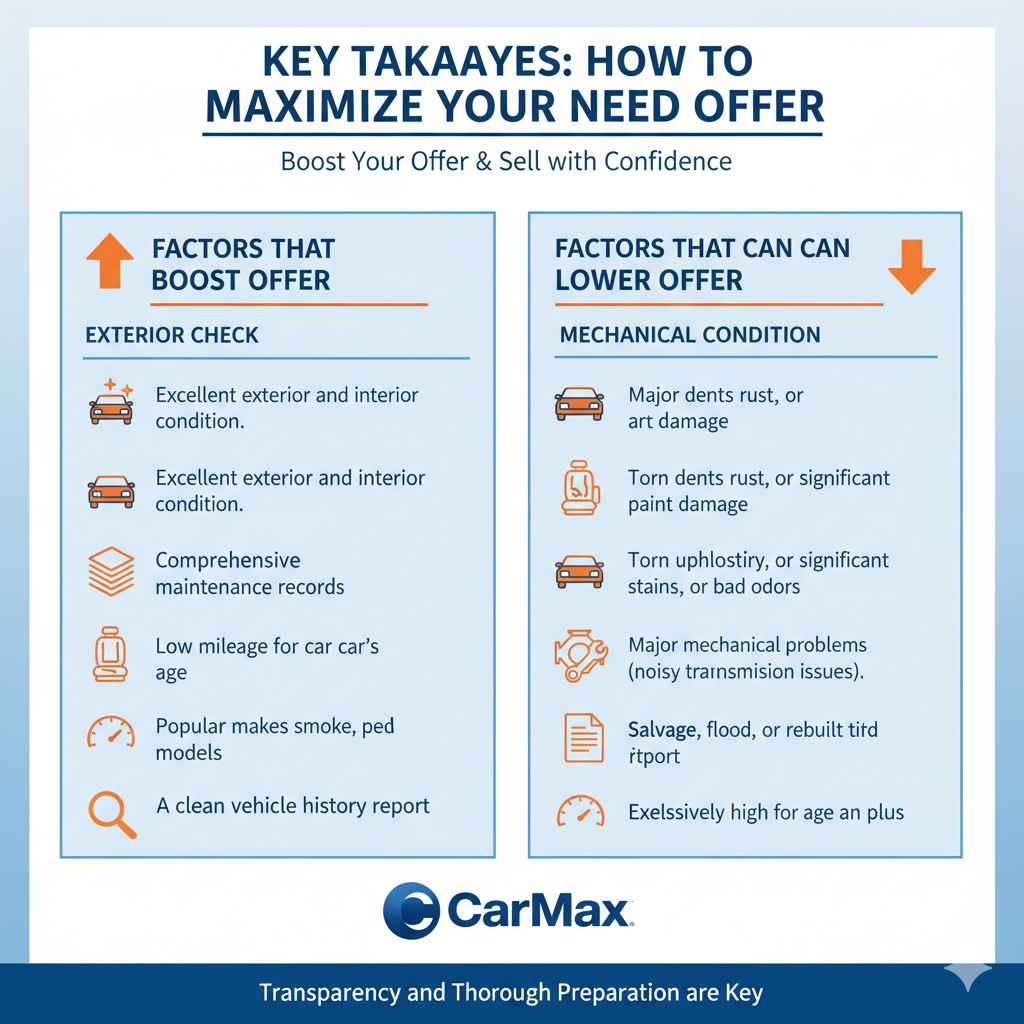
To sum it up, CarMax is looking for cars that are in good condition, well-maintained, and have a clear history. By focusing on presentation, mechanical soundness, and having your documentation in order, you can significantly improve your chances of getting the best possible offer.
Factors That Boost Your Offer:
- Excellent exterior and interior condition.
- Comprehensive maintenance records.
- Low mileage for the car’s age.
- Popular makes and models.
- A clean vehicle history report.
- All features (AC, radio, etc.) working correctly.
Factors That Can Lower Your Offer (or Lead to Decline):
- Major dents, rust, or significant paint damage.
- Torn upholstery, significant stains, or bad odors.
- Major mechanical problems (noisy engine, transmission issues).
- Salvage, flood, or rebuilt titles.
- Excessively high mileage.
- Known issues not disclosed.
By understanding what CarMax looks for, you can prepare your car effectively and approach the selling process with confidence. It’s about presenting your car in its best light, backed by evidence of good ownership. Remember, transparency and thorough preparation are your best tools for a successful sale.
FAQ: Your CarMax Selling Questions Answered
Q1: What condition does my car need to be in for CarMax to buy it?
CarMax generally looks for cars that are in good, drivable condition. They understand cars aren’t new, so minor cosmetic flaws like small scratches or dings are often acceptable. However, major issues like significant rust, large dents, torn interiors, or substantial mechanical problems will likely affect their offer or their decision to buy.
Q2: How important are maintenance records to CarMax?
Maintenance records are very important! They prove that you’ve taken care of your car and followed its recommended service schedule. Having a history of regular oil changes, tire rotations, and other maintenance can significantly help your appraisal and potentially increase your offer.
Q3: Can I sell my car to CarMax if I still owe money on it (have a lien)?
Yes, you can sell your car to CarMax even if there’s a lien on the title. They will pay off the outstanding loan amount as part of the sale, and you will receive the difference between the loan payoff and the CarMax offer. You’ll need to provide them with the exact payoff amount from your lender.
Q4: What happens if my car has a salvage title?
CarMax generally does not buy vehicles with salvage, branded, or rebuilt titles. These titles indicate a history of major damage or accidents where the vehicle was declared a total loss by an insurance company. If your car has such a title, you will likely need to explore other selling avenues.
Q5: How long is CarMax’s offer valid?
Once CarMax provides you with a written offer after inspecting your car, that offer is typically valid for 7 days. This gives you a week to think about it and compare it to other options if you wish, without any pressure to decide immediately.