What Counts as Open Carry in a Car? Legal Guidelines Explained
Figuring out What Counts as Open Carry in a Car? can seem tricky, especially if you’re new to gun laws. Different places have different rules, so it’s easy to get confused. Don’t worry, though! This post breaks down open carry laws in a simple way. We’ll explore the basics, making it easier to see how these laws work. We’ll look at the details, step by step, so you can be confident about the rules. Ready to find out more?
Defining Open Carry Basics
Open carry generally means carrying a firearm in plain sight. This could be on your person, in a holster, or sometimes in a vehicle. The exact definition, however, varies significantly depending on your location. Some places allow open carry without any permit, while others require specific licenses or permits. It’s important to know the law in your state and local area to avoid any legal troubles. This information will help you steer clear of actions that could put you in a tough spot.
State and Local Regulations
State laws often set the broad framework for open carry, but local jurisdictions (cities, counties) can add their own rules. For instance, a state might allow open carry, but a city ordinance could restrict it in certain public areas, such as parks or government buildings. Always consult both state and local statutes. This ensures you’re completely in the clear. Failing to do so can lead to unexpected consequences.
-
- State Laws: These laws set the general rules regarding open carry. They establish whether open carry is allowed, if a permit is needed, and any specific requirements, such as age restrictions.
State laws offer the fundamental rules of the game. They act like the main rulebook. States will decide if open carry is okay. They’ll also specify whether you need a license. Some states have age limits or other rules you need to follow.
-
- Local Ordinances: These are rules made by cities and counties. They can add extra restrictions to state laws. They might ban open carry in specific places like schools or public events.
Local rules can change the picture. Cities and counties add their own twists. They may limit where you can carry a gun. Parks, schools, or busy events could be off-limits. You must know both state and local rules.
-
- Permit Requirements: Many states require a permit to openly carry a handgun. These permits may involve background checks, training courses, and other requirements to make sure that people are safe to carry a firearm.
Lots of states ask for a permit before you openly carry a handgun. You might need to pass a background check. Training is often required too. These rules aim to ensure safety for everyone involved.
Vehicular Carry Laws
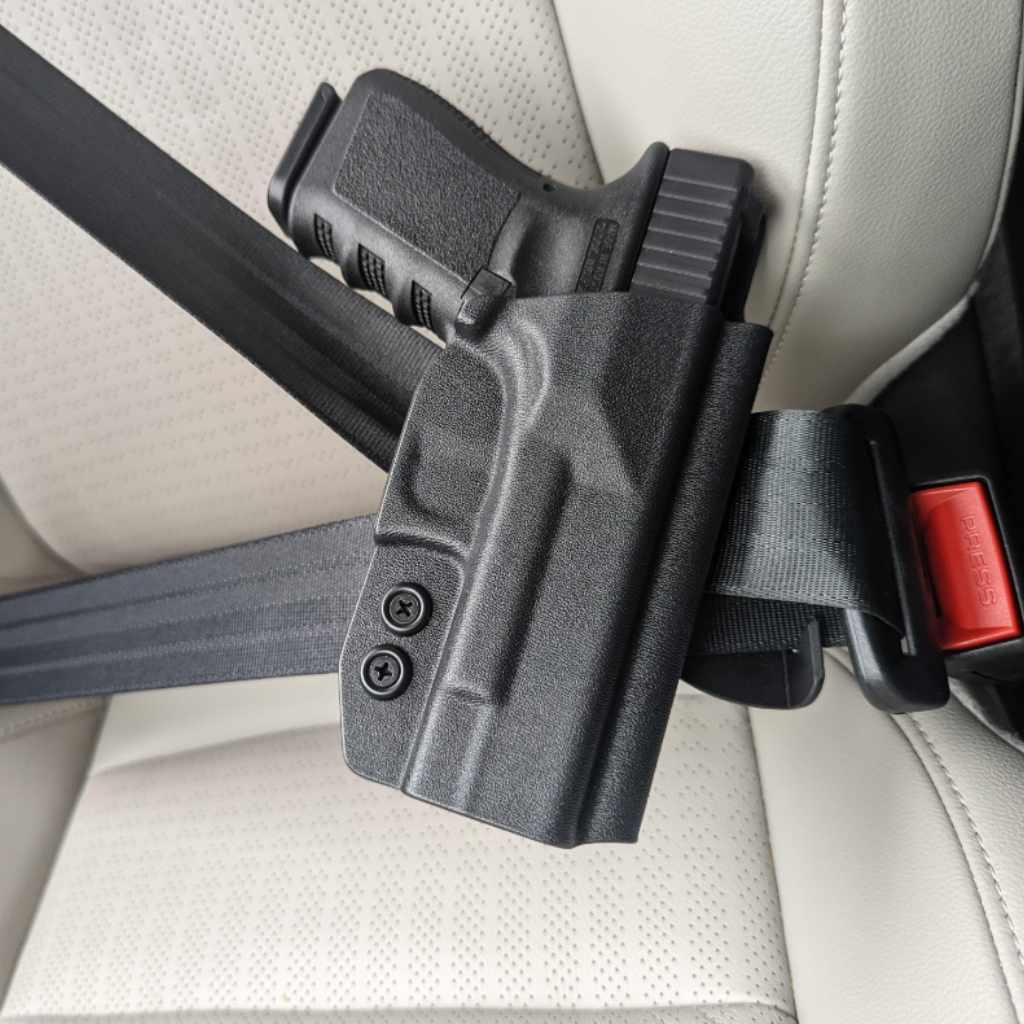
Laws regarding open carry in vehicles are often different from those regarding open carry while walking around. Some places consider a vehicle an extension of your home, and open carry rules might align with those for private property. Other locations treat vehicles as public spaces, imposing stricter regulations. The vehicle’s definition could impact the law’s interpretation. Is it a car, truck, or even an RV? These laws differ depending on the place. Knowing these details is very important to avoid legal problems. Knowing the rules makes a big difference.
-
- Loaded vs. Unloaded: Some jurisdictions allow open carry in a car only if the firearm is unloaded. Others may let you carry a loaded gun. The requirements can also extend to where the ammunition is stored.
The state of the firearm makes a difference. Some places insist it’s unloaded. Others may allow loaded guns. This also affects where you keep ammo.
-
- Accessibility: Laws often specify how accessible the firearm must be. This impacts whether it’s okay to have the gun within easy reach, or if it must be stowed in a locked container.
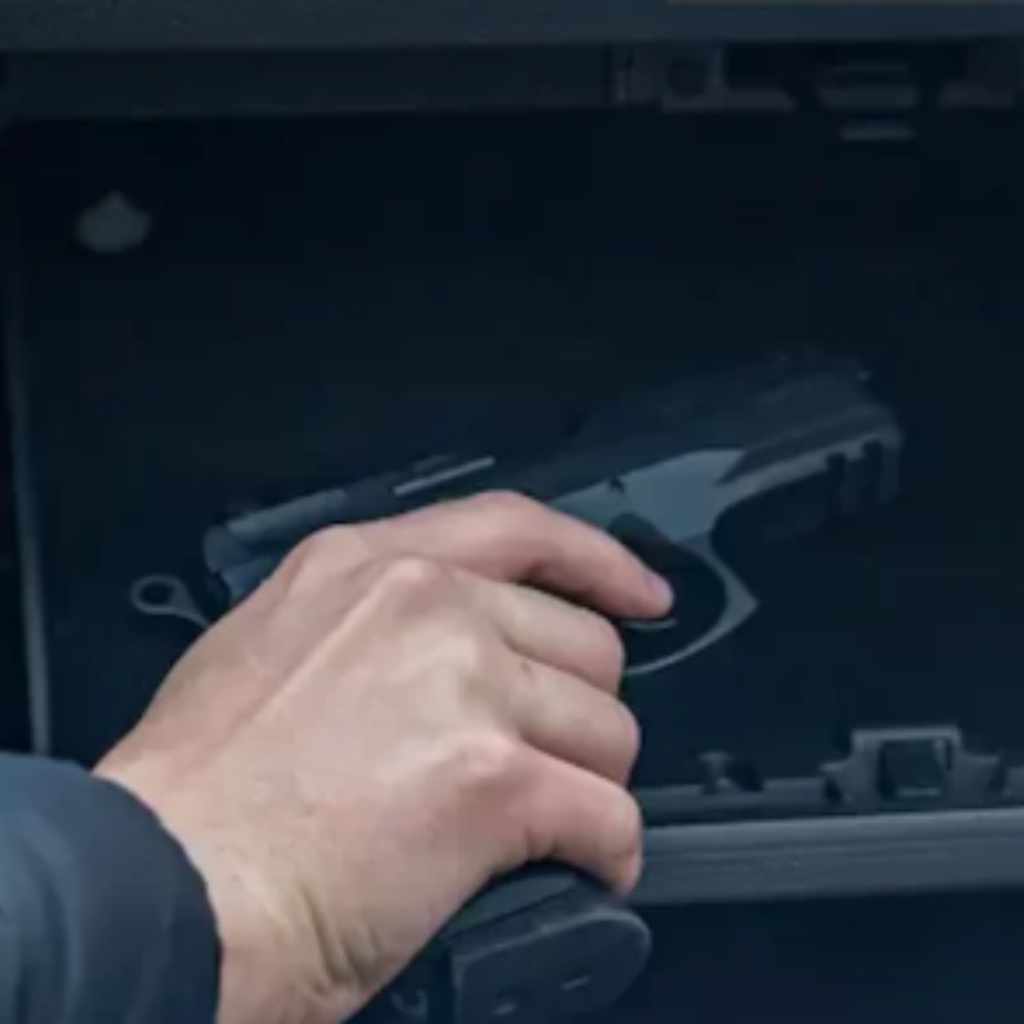
The rules dictate how easy it is to access the gun. Some states may want it out of reach. Think about a locked case or the glove compartment.
-
- Storage Requirements: If open carry is allowed, many places have storage rules. These rules can affect how the firearm should be stored to ensure safety and prevent unauthorized access.
Safety is key. Some locations set storage rules for the gun. Think about how to keep it safe and secure.
Open Carry in Your Vehicle: Specific Scenarios
Let’s consider specific scenarios that people often encounter. These examples demonstrate how the laws might apply in real-world situations. Each location’s rules must be remembered. Keep the focus on accuracy, not speculation. The rules can be specific to each case.
-
- Scenario 1: Routine Traffic Stop. You are driving and get pulled over by a police officer. You have a handgun in a holster on your hip. What should you do?
In this scenario, you must know the laws of your location. In many places, you must tell the officer about your firearm right away. This avoids misunderstandings and shows respect for the law. Follow the officer’s instructions carefully. This can make the process easier for everyone. Keeping calm is the best plan.
-
- Scenario 2: Transporting a Firearm. You are driving to a shooting range with your handgun. How do you transport the gun safely and legally?
Transporting a firearm requires care. This often means the gun should be unloaded. It might need to be stored in a locked case. Check your local laws for detailed instructions. Following these steps ensures your safety and that of others. It also helps you avoid any legal trouble.
Variations in Open Carry Regulations by Location
Open carry laws differ widely across the United States. Some states have very relaxed rules. Others have stricter laws. This part explores these differences. It highlights the importance of knowing local regulations. Knowing these different regulations ensures that you are aware of what is permitted. This helps to prevent problems.
State-by-State Breakdown
Here’s a look at how different states manage open carry, showing the variety of the rules across the country. Remember, laws can change, so it’s always smart to verify the most up-to-date information. Understanding these variations gives a clear picture. This will help prevent issues.
| State | Open Carry Status | Permit Required? | Key Considerations |
|---|---|---|---|
| Arizona | Allowed | No | Open carry is generally permitted without a permit. |
| California | Restricted | Yes (Handgun) | Open carry of handguns is generally prohibited. |
| Texas | Allowed | Yes (Handgun) | Permit required to openly carry a handgun. |
| Florida | Restricted | Yes (Handgun) | Permit required for open carry of handguns. |
| New York | Restricted | Yes (Handgun) | Open carry is generally restricted; permits are difficult to obtain. |
This table demonstrates the range of open carry rules. Some states, like Arizona, are more permissive. Others, like California, have very strict limitations. Always check your state’s current rules. Be aware of any recent changes.
-
- Permitless Carry: Some states permit open carry without a permit. These states often have specific rules about where open carry is allowed.
Some locations have no permit rules. You can openly carry without a permit. But you still need to follow other rules. Areas like schools might be off-limits.
-
- Permit-Required: Many states require a permit to openly carry a handgun. This often involves background checks and training.
Many places insist on a permit to openly carry a handgun. You usually need to pass a background check. Training is often part of the deal.
-
- Restricted States: Some states severely restrict open carry, either by banning it altogether or making it very difficult to get a permit.
Some states have tight restrictions. They might forbid open carry outright. Permits can be tough to get. Know these rules well.
Factors Influencing Legal Compliance
Several factors will affect whether you’re complying with the law. Knowing these can help to avoid violations. Being well-informed is always an advantage. You can avoid legal trouble by being aware of these factors. This gives confidence in any situation.
-
- Age Restrictions: Most places set a minimum age for open carry. This age matches the legal age for owning a handgun.
Most states have age limits. Usually, you must be 21 to carry a handgun openly. Some states might allow younger people to carry a long gun.
-
- Prohibited Locations: Many states restrict open carry in specific places. These places are schools, government buildings, and places that serve alcohol.
Certain locations are off-limits. Schools, government buildings, and bars often forbid open carry. Always check the local rules.
-
- Vehicle Regulations: Vehicle rules vary greatly. Some places consider a vehicle the same as a person. Others have separate rules for transport.
Vehicle rules can change a lot. Some places see cars as extensions of your home. Others treat them as public spaces. Know how your area views this.
Open Carry and Law Enforcement
Interactions with law enforcement are something to think about. Knowing what to expect during a traffic stop can help. Police officers can have different procedures based on location. Understanding these dynamics is necessary. This will ensure that interactions are safe. You can avoid misunderstandings and legal problems.
During a Traffic Stop
If you’re openly carrying a firearm and get pulled over, here’s what you should do. The goal is to make the interaction as safe as possible for everyone involved. Be respectful, and follow the officer’s instructions. Keep your cool. This can help prevent the situation from escalating.
-
- Immediate Notification: It’s always smart to tell the officer that you’re carrying. This needs to be done when they ask for your license and registration. This prevents any surprises. It’s often required by law.
Tell the officer immediately about the gun. Do this when they ask for your paperwork. It prevents surprises. In many places, it’s the law.
-
- Follow Instructions: Always follow the officer’s directions. This includes what to do with your hands. They might ask where the gun is.
Do what the officer says. They might have specific directions. Pay close attention. Keep your hands visible.
-
- Remain Calm: Staying calm and collected will help you. Avoid sudden movements. Do not reach for the gun unless you’re told to.
Stay calm! Avoid quick movements. Do not reach for your gun unless you are told.
Legal Rights and Responsibilities
You have rights, but you also have responsibilities when carrying a firearm. Knowing these rights and responsibilities keeps you on the right side of the law. This can protect you in case of any issues. It makes clear your conduct.
-
- Know Your Rights: Learn your rights, but also the rules of your location. Learn about search and seizure. Know when an officer can ask questions or search your car.
Learn your rights. Learn the rules in your area. Know when the police can search. Also know when they can ask questions.
-
- Cooperate Respectfully: Cooperate with the police. Answer questions honestly. Show respect. This can help prevent problems.
Be respectful and cooperative. Answer questions honestly. This builds trust. It also helps avoid any troubles.
-
- Documentation: Keep records of any interactions with law enforcement. This can be important if there is a legal challenge.
Keep a record of all police contacts. This is important if you ever have a legal issue. It helps to keep track of what happened.
Frequently Asked Questions
Question: Can I open carry in my car without a permit in my state?
Answer: It depends on the state and local laws. Some states allow open carry in a vehicle without a permit, while others require one. Always check your state and local regulations for the specific rules.
Question: What should I do if a police officer pulls me over while I’m open carrying in my car?
Answer: Inform the officer immediately that you are carrying a firearm, providing its location. Follow the officer’s instructions carefully and keep your hands visible. Be calm and respectful.
Question: Are there any places where open carry is always prohibited, even in a car?
Answer: Yes, certain locations are often off-limits, such as schools, government buildings, and places that serve alcohol. Local ordinances can impose additional restrictions.
Question: What if my car is my primary residence, can I still open carry?
Answer: Rules may differ. If your vehicle is your residence, it might be viewed similarly to a home under open carry rules. However, local laws and court rulings can impact this. Consult a legal expert.
Question: How do I find the specific open carry laws in my city or county?
Answer: You can usually find this information on your city or county’s official website. You can also contact your local law enforcement agency. Many states also offer resources online. A local lawyer can also advise you.
Final Thoughts
Understanding What Counts as Open Carry in a Car? requires knowing the law. The rules are different everywhere. Some places require permits, while others do not. You need to know what your state, county, and city say. Knowing these rules ensures you are on the right side of the law. Always be careful. Always be informed. Knowing the specifics helps keep you safe. Doing the research means you can protect yourself. Stay up-to-date on any changes. Being informed means you can carry responsibly, while staying within the legal guidelines. This information should help you confidently and responsibly navigate open carry in your car. That way, you’re prepared for the rules.