What Do Yellow Lights Mean on a Cop Car? Full Explanation
Yellow (amber) lights on a police car signal caution, not an emergency stop. They’re most often used for scene lighting, traffic control, or non-emergency activity — never as a command to pull over. Amber is also the most widely permitted warning-light color in the U.S., so seeing one on its own doesn’t necessarily mean the vehicle is a police car at all.
What Amber Lights Actually Mean on a Police Car
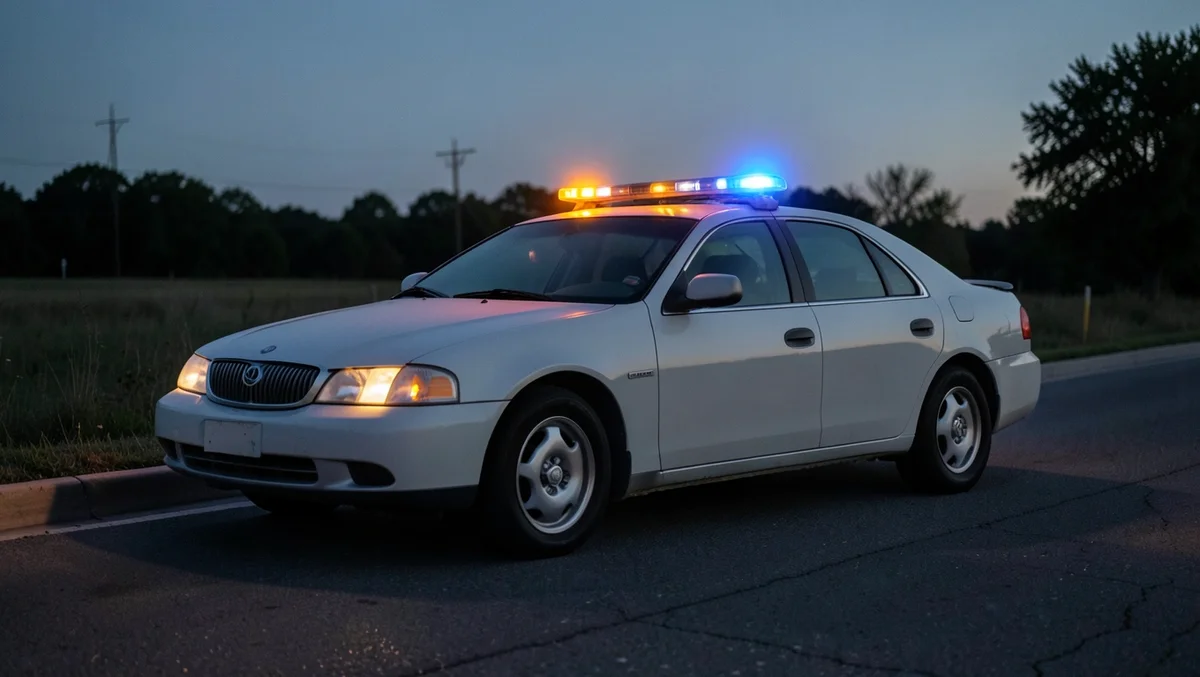
Amber (also called yellow) is a caution color, not an emergency-response color. Under the SAE J595 standard that governs warning lamps on authorized emergency vehicles, amber lights are rated separately from the red/blue combinations reserved for active emergency response. When an officer’s amber lights are on, it typically means:
- The car is directing or slowing traffic around a hazard, scene, or work zone
- The vehicle is present but not actively responding to an emergency
- Drivers should slow down and stay alert, not stop or pull over
That’s the core distinction from red or blue lights, which do carry the authority to compel a stop. Amber is a “please be careful” signal, not a “pull over now” signal.
Amber Lights Aren’t Only Used by Police
This is the part most explainers skip: amber is the one warning-light color that most states also allow on non-emergency vehicles. Tow trucks, roadside-assistance vehicles, construction crews, utility trucks, and pilot/escort vehicles are commonly permitted to run amber strobes to flag a hazard — without any of the legal authority that comes with red or blue lights. California, for example, restricts tow trucks to amber-only lighting, and only while actively towing, assisting a disabled vehicle, or otherwise creating a roadway hazard. Virginia’s vehicle code (§ 46.2-1025) separately spells out who may use flashing amber, purple, or green lights and under what conditions.
The practical takeaway: if you only see amber lights, you can’t assume you’re looking at an unmarked police car. It could just as easily be a tow truck, a utility crew, or a highway maintenance vehicle. See our guide on whether LED lights are legal in your own car for how these rules apply to civilians specifically.
Amber vs. Red vs. Blue vs. White: What Each Color Signals
| Light Color | Typical Meaning | Compels a Stop? |
|---|---|---|
| Amber / Yellow | Caution, traffic direction, non-emergency presence | No |
| Red | Active emergency response | Yes |
| Blue | Law-enforcement presence and authority | Yes |
| White | Scene/takedown lighting, used alongside red or blue | No, supplemental only |
Many modern light bars combine several of these colors in one unit, which is why a single patrol car can flash amber, red, blue, and white depending on the situation.
Common Situations Where You’ll See Amber Lights on a Patrol Car
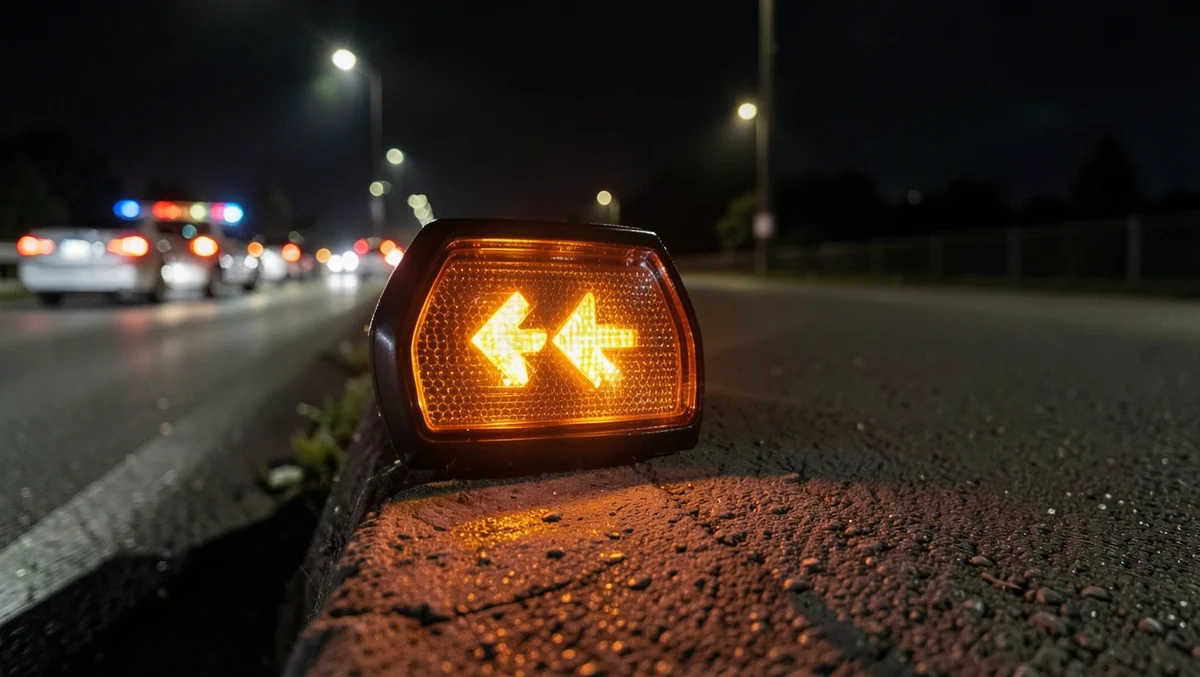
- Rear-facing traffic direction. Many state codes require amber “traffic advisor” arrows to face rearward so they can direct drivers to merge over at an accident, DUI checkpoint, or work zone without adding to the glare of the main light bar.
- Escort duty. Funeral processions, parades, and oversized-load escorts are typically non-emergency movements, so amber (sometimes with the primary bar dimmed) is common.
- Non-emergency patrol presence. A parked cruiser near a school zone or community event may run amber alone just to be visible, without signaling any active incident.
- Secondary caution alongside red/blue. During an active stop or scene, amber elements in the same light bar often supplement red and blue to warn approaching traffic separately from the primary emergency signal.
Do You Have to Stop When You See Amber Lights?
Generally, no. Amber lights alone are not a legal command to stop — that’s the whole point of the color coding. What they’re asking for is reduced speed and extra attention, and, if directional arrows are lit, a lane change away from the hazard. That said, always follow an officer’s hand signals or verbal instructions if one is present, regardless of which light colors are active; a person directing traffic outranks the lights themselves.
Laws Vary by State and Department
Exactly when a department uses amber versus red/blue, and what civilians are allowed to install on their own vehicles, is set at the state level and can differ significantly. If you’re wondering whether flashing lights on a personal vehicle could get you in trouble, see our breakdown of the fines for having police-style lights on your car. When in doubt about a specific state’s rules, check that state’s vehicle code directly rather than relying on general assumptions — this is one area where local law genuinely varies.
Frequently Asked Questions
What do yellow lights mean on a cop car?
Yellow (amber) lights on a police car signal caution, traffic direction, or non-emergency presence. They don’t carry the stop-compelling authority of red or blue lights — they’re asking drivers to slow down and stay alert, not to pull over.
Do amber lights on a police car mean you have to stop?
No. Amber lights alone don’t compel a stop under most state laws. They mean slow down and use caution. Only red or blue lights (typically combined with a siren) signal that you’re required to stop for law enforcement.
Are amber warning lights only used by police vehicles?
No. Amber is the most widely permitted warning-light color for non-emergency vehicles in most states, so tow trucks, construction crews, utility vehicles, and escort vehicles legally use it too. Seeing amber lights alone doesn’t confirm the vehicle is a police car.
What’s the difference between amber and blue or red lights on a police car?
Amber signals caution and doesn’t compel a stop. Blue signals law-enforcement authority, and red signals active emergency response — both can require drivers to yield or stop. White is used alongside red or blue for scene lighting rather than as its own signal.
Is it legal for a civilian to put amber lights on their own car?
In many states, civilians can legally use amber warning lights under specific conditions (for example, while towing or during a roadside breakdown), but rules vary significantly by state and by how the lights are used. Red and blue lights are almost universally restricted to authorized emergency vehicles. Check your specific state’s vehicle code before installing any warning lights.
How can you tell if a vehicle with amber lights is really the police?
Amber lights by themselves aren’t proof. Look for additional markings — agency decals, a light bar with red or blue elements, a spotlight mount, a push bar, government plates, or visible antennas. Unmarked police vehicles may lack most of these, so if you’re unsure, you can call local non-emergency dispatch to confirm before pulling over in an isolated area.
Conclusion
Yellow lights on a cop car mean caution and non-emergency activity, not a command to stop. They’re used for scene lighting, directing traffic away from a hazard, escort duty, and general visibility — and because amber is legal for so many non-police vehicles too, it’s the one warning color that doesn’t automatically point to law enforcement. Knowing the difference between amber, red, blue, and white keeps you reacting correctly on the road instead of guessing.
Products related to this article
Sponsored / affiliate links. As an Amazon Associate I earn from qualifying purchases. I may earn additional commission from eligible campaigns.