What Does A Google Car Look Like: Essential Reveal
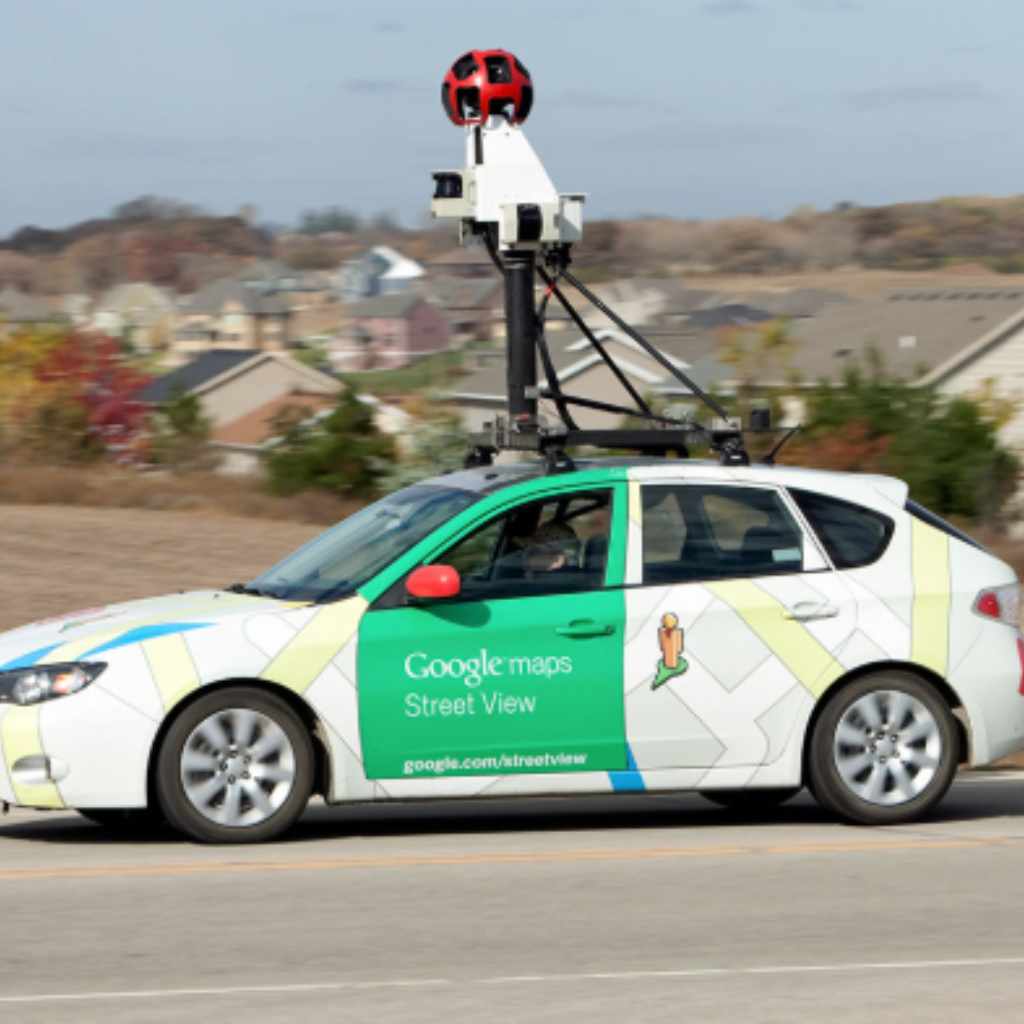
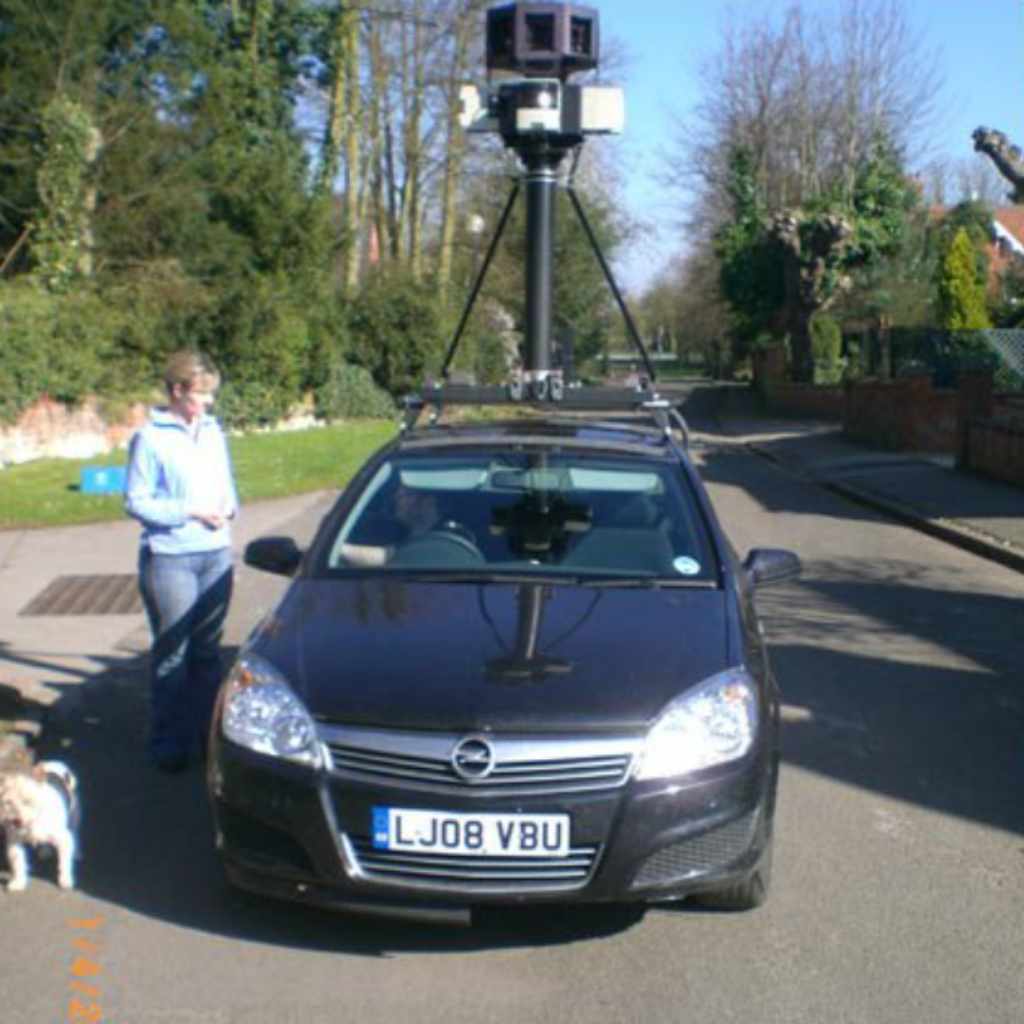
A “Google Car” primarily refers to the self-driving test vehicles developed by Waymo (Google’s autonomous driving project), which often feature large roof-mounted sensor structures, distinct branding, and are clearly marked as autonomous test vehicles, looking quite different from standard consumer cars.
Have you ever seen a strange vehicle cruising down the road with big gadgets stuck to the top? It’s easy to feel confused or even a little nervous when you spot one of these high-tech cars! Many people hear about Google’s self-driving efforts—now known as Waymo—and wonder exactly what these futuristic machines look like in the real world. You are not alone in asking, “what does a google car look like?”
Don’t worry; understanding these vehicles is simpler than you think. As your trusted guide, Md Meraj is here to break down the visual elements, the technology behind the look, and what you should expect when you see one of these cars. We’ll clear up the confusion so you can drive safely and stay informed. Let’s peel back the curtain on these fascinating automotive innovators!
Understanding the Google Car: More Than Just a Pretty Face
When we talk about a “Google Car,” we are usually talking about the current generation of vehicles used by Waymo, the company that grew out of Google’s self-driving car project. These aren’t the privately owned cars you buy at a dealership; they are highly specialized test platforms.
The defining characteristic of these cars is not just their make or model, but the specialized equipment bolted onto them. Think of it this way: the car chassis is the body, but the sensors are the eyes and ears that allow it to drive itself.
The Evolution: From Priuses to Palerides
The look of the Waymo vehicle has changed over the years as the technology has matured. It’s helpful to see this evolution to understand why today’s cars look the way they do.
- Phase 1: The Early Days (Lexus and Toyota Prius): In the very beginning, Google often used easily adaptable cars, like the Lexus RX450h and Toyota Prius, and retrofit them with custom sensor mounts. These initial vehicles often looked a bit clunky because the sensors were added on top of an existing design.
- Phase 2: The Partnership Era (Chrysler Pacifica Minivan): Waymo partnered with major manufacturers. The Chrysler Pacifica Hybrid became a staple. These minivans were customized from the factory floor to integrate the necessary hardware more smoothly than the earlier models.
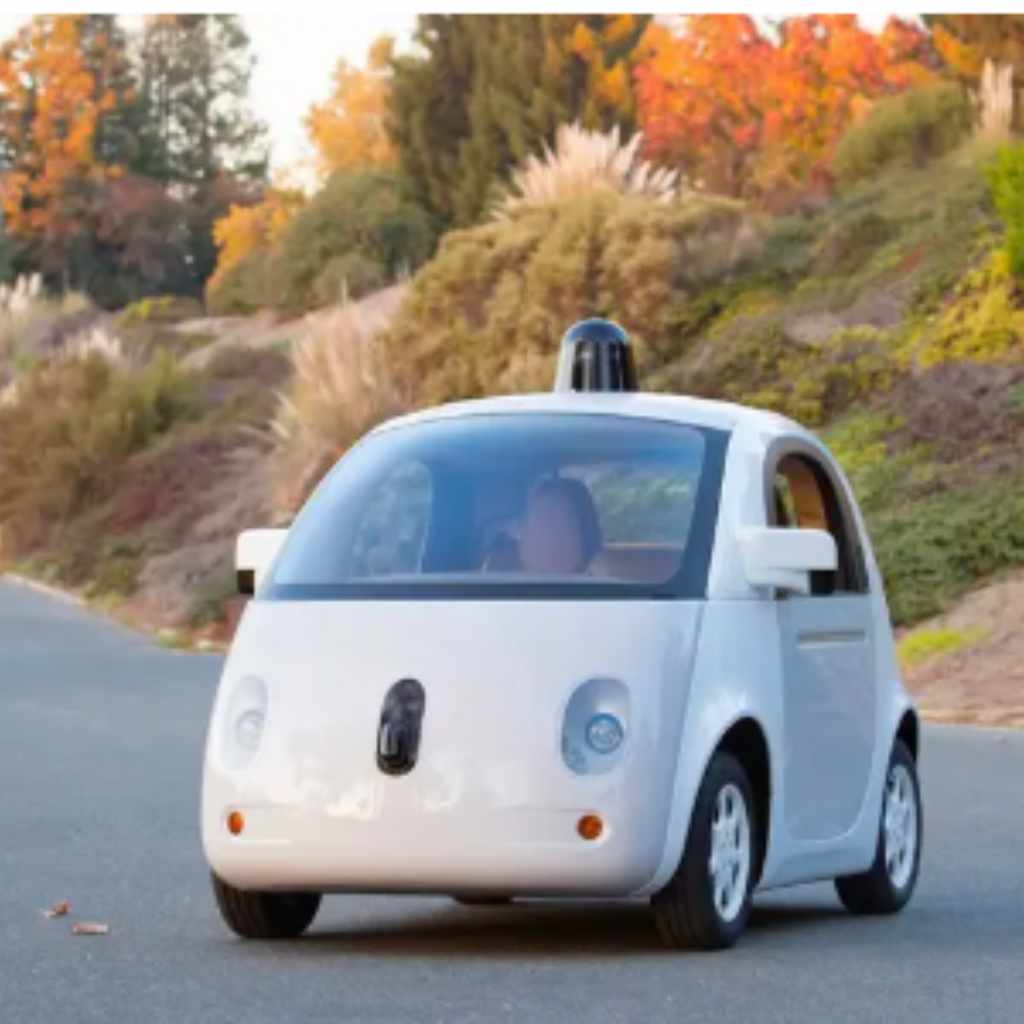
- Phase 3: The Dedicated Platform (Jaguar I-PACE and Custom Builds): Today, Waymo is integrating its technology into newer electric vehicles, like the Jaguar I-PACE, and working on completely custom “vehicle platform” designs for fully driverless trips.
The Essential Visual Cues: What to Look For
So, if you see a car that looks “different,” how can you be sure it’s a self-driving test vehicle and not just a quirky custom job? Look for specific hardware bolted onto the exterior. These components are crucial for navigation and safety.
The Sensor Suite: The Eyes of the Machine
The most noticeable feature is the sophisticated sensor package mounted externally. These sensors replace the need for a human driver to constantly watch the road. They provide a 360-degree view of the world around the vehicle.
1. LiDAR (Light Detection and Ranging)
This is arguably the most easily identifiable component. LiDAR units spin rapidly, shooting out millions of laser beams per second to create a highly detailed, three-dimensional map of the environment. This map helps the car measure distances accurately, even in low light.
- Appearance: Often looks like a spinning cylinder or dome mounted prominently on the roof.
- Function: Provides precise distance measurements and creates the “point cloud” map the car uses to see obstacles.
2. Radar Sensors
Radar (Radio Detection and Ranging) uses radio waves to determine the range, angle, and velocity of objects. These are excellent for tracking the speed of other vehicles, especially in bad weather where lasers might struggle.
- Appearance: Usually small, dark panels or circles integrated into the front and rear bumpers, sometimes hidden behind plastic fascias.
- Function: Excellent for tracking speed and distance of moving targets, crucial for highway driving.
3. Cameras (Vision Systems)
These are the car’s primary method for reading signs, seeing traffic lights, and identifying pedestrians and cyclists. They mimic human sight but process the information instantly.
- Appearance: Multiple cameras are strategically placed around the vehicle—front, sides, and rear—often looking like slightly enlarged or specialized camera modules integrated near the headlights or side mirrors.
- Function: Color recognition (traffic lights) and high-resolution object identification.
The Branding and Identification
To comply with local laws and inform the public, these vehicles are usually clearly marked. You won’t typically see secretive vehicles driving around.
- Waymo Decals: Look for the specific Waymo logo or branding on the side panels or doors. Sometimes, the word “Waymo” or “Self-Driving Vehicle” will be clearly visible.
- Color Scheme: While manufacturers like Chrysler or Jaguar build the base car, Waymo often applies a distinctive livery or color scheme—often white, sometimes with blue or green accents—that makes them stand out.
- Safety Indicators: Many test vehicles have additional lights or indicators designed to signal their autonomous status to nearby human drivers or law enforcement.
A Comparison Table: Standard Car vs. Waymo Test Vehicle
To clearly illustrate the differences, here is a simple comparison. This helps solidify what makes a Waymo car visually distinct from a typical vehicle you might see on the road.
| Feature | Standard Consumer Car | Waymo Autonomous Test Vehicle (e.g., Pacifica) |
|---|---|---|
| Roof Equipment | Often none or a standard roof rack/sunroof. | Large, prominent sensor apparatus (often a housing unit containing LiDAR and cameras). |
| Exterior Sensors | Parking sensors, maybe one front radar/camera for adaptive cruise control. | Multiple integrated radar units, numerous specialized cameras (360° coverage), and roof-mounted LiDAR. |
| Branding | Manufacturer logos (Ford, Toyota, Honda, etc.). | Prominent “Waymo” or self-driving test vehicle markings. |
| Interior Occupancy | Driver and passengers occupying seats as required. | May have safety drivers or operators sitting in the front seats, or in fully driverless tests, no one at all. |
| Purpose | Personal transportation. | Data collection, testing, and refinement of autonomous driving software. |
Inside the Brain: Why the Exterior Looks That Way
The exterior appearance is a direct reflection of the complex internal technology required to operate safely without human intervention. Explaining the function helps demystify the look.
The Importance of Redundancy
A standard car relies on one primary set of inputs: the driver. However, an autonomous vehicle needs several backup systems because if one sensor fails, the car cannot just “pull over” instantly like a human might. This need for triple-checking everything requires multiple types of sensors working together (sensor fusion).
For example, if heavy fog obscures the camera’s view, the radar and LiDAR should still be able to “see” the road boundaries and objects ahead. This redundancy dictates the bulky exterior look.
Navigating Regulations and Safety Standards
The look of these cars is also heavily influenced by government requirements as they test on public roads. Organizations like the National Highway Traffic Safety Administration (NHTSA) in the U.S. have guidelines they must adhere to.
Waymo must demonstrate, both to regulators and the public, that their vehicles are equipped to handle complex situations safely. A major part of this demonstration is making the technology visible. When lawmakers or municipal safety officers see the comprehensive sensor suite, it helps build trust in the testing process. You can learn more about the general safety standards being developed for automated vehicles by reviewing data from organizations like the U.S. Department of Transportation.
The Role of Waymo Driver Software
The hardware assembly—the sensors—feeds raw data into the “Waymo Driver.” This is the sophisticated software system that processes billions of data points per second to make driving decisions. The physical appearance is dictated by the sheer computational power needed to run this AI in real-time.
It’s a constant trade-off: making the sensors smaller and less noticeable versus ensuring they have the necessary field of view and power to operate reliably in all conditions.
Where You Are Most Likely to See Them
If you are wondering “what does a google car look like” because you live in a specific area, knowing where they operate is key. Waymo focuses its testing and commercial operations in geographically defined areas where the technology has been extensively mapped and validated.
Currently, you are most likely to see these vehicles operating in:
- Phoenix, Arizona (where they have a large commercial service operating)
- San Francisco, California
- Los Angeles, California
- Austin, Texas (expanding operations)
If you see one outside these areas, it is almost certainly a specialized test vehicle undergoing mapping or closed-course work rather than executing commercial rides.
What to Do When You See One
Seeing an autonomous car can be startling if you are unprepared. As a friendly driver, your goal is simply to treat it like any other car on the road. Here are simple rules to follow:
- Maintain Buffer Space: Give the vehicle plenty of room, just as you would any large truck or unusual vehicle.
- Predictability is Key: Autonomous systems are programmed to expect predictable human behavior. Do not rapidly cut it off or suddenly brake in front of it.
- Ignore the Screens: Do not expect the car to react to waves or gestures. It is reacting to mathematical models, not human social cues.
- Never Attempt to Interact Physically: Do not touch the exterior sensors or try to impede its progress. They are sophisticated pieces of test equipment.
Technical Breakdown: Sensor Placement on a Modern Waymo Vehicle
To get a clearer picture, let’s look at how a modern Waymo vehicle, often built on a platform like the Chrysler Pacifica, arranges its core components. This configuration is standard for achieving full autonomy while remaining relatively road-legal.
| Sensor Type | Typical Placement Area | Primary Purpose |
|---|---|---|
| High-Resolution 360° LiDAR | Center of the roof, housed in a protective structure. | Creating the detailed 3D map of the immediate surroundings for obstacle avoidance. |
| Forward-Facing Cameras | Behind the windshield, integrated near the rearview mirror housing. | Reading stoplights, lane markers, and distant object classification. |
| Side/Rear Radar | Integrated into the front and rear bumpers, sometimes behind the body panels. | Measuring the speed and distance of vehicles in adjacent lanes or approaching from behind. |
| Short-Range Cameras (Corner) | Placed in the side mirrors or front corners of the vehicle. | Detecting close obstacles like curbs, small children, or cyclists near crosswalks. |
The Difference Between Waymo and Consumer Driver Assist
A common point of confusion surrounds current driver-assist features (like Tesla’s Autopilot or GM’s Super Cruise) and a fully autonomous Waymo vehicle.
When you ask “what does a google car look like,” you are asking about a vehicle designed to operate without continuous human supervision in specific zones. Consumer systems look like regular cars because their primary difference is inside software that still requires a driver ready to take over immediately.
Consumer vs. Full Autonomy
Here is a quick guide to tell the difference between a vehicle that assists the driver and one that drives itself:
- Driver Assist (e.g., L2/L3 Systems): These cars look completely normal. They might have small cameras or radar units tucked behind mirrors or in the grille. The key is that the steering wheel often has sensors detecting if your hands are present, forcing you to stay alert.
- Full Autonomy (Waymo/Driverless Tests): These cars carry the highly visible, external sensor array (the roof dome, bulky side pods, etc.). They are designed for Level 4 or Level 5 autonomy, meaning they can handle all driving tasks under specific operational design domains (ODDs) without a human needed to intervene.
The hardware disparity is the telltale sign. If it looks like it has a science project on the roof, it’s designed to drive itself; if it looks like your neighbor’s new sedan with fancier cruise control, it still needs you.
The Future Look: Sleeker, Less Intrusive Designs
Right now, the sensor suites look a bit bulky because the technology is still maturing. Companies like Waymo know that for autonomous vehicles to become truly common—like the cars we see today—they must blend in better.
The next generation of self-driving vehicles is rapidly moving toward integration:
- Aesthetic Integration: Future designs aim to hide LiDAR and radar units behind body panels, making them nearly invisible to the casual observer.
- Electric Vehicles (EVs): Modern EVs already have flatter fronts and more aerodynamic designs, which are inherently better platforms for integrating sensors without disrupting the airflow or the vehicle’s look.
- Consolidated Sensors: Engineers are working hard to replace three separate sensors (LiDAR, Radar, Camera) with one ultra-powerful sensing unit that can do all three jobs simultaneously.
While the current “Google Car” looks like a car wearing a helmet made of specialized equipment, the goal is definitely to make the car of tomorrow look just like a standard vehicle, only smarter.
Why the Look Matters to You, the Driver
Understanding what these vehicles look like isn’t just automotive curiosity; it’s about safety and predictability on the road. When you identify a Waymo vehicle, you adjust your driving style accordingly, which benefits everyone.
For instance, if the vehicle hesitates slightly before making a protected left turn, it might be because its software is taking a fraction of a second longer than a human to verify that all potential hazards (like a cyclist quickly approaching the corner) are fully clear. This deliberate, methodical approach is why they are initially slower to react than an experienced human driver might be, but it is also why they are incredibly safe.
We rely on clear visual indicators in traffic. When the vehicle clearly announces its status through its unique appearance, it reduces ambiguity for human drivers around it. It’s a form of non-verbal communication on the road: “I am operating differently, please give me space to execute my plan.”
Frequently Asked Questions (FAQ) About Google/Waymo Cars
Q1: Is the car I see truly driving itself, or is there always a safety driver inside?
A: It depends where you see it. In established commercial service areas (like parts of Phoenix or San Francisco), you might see fully driverless vehicles with no one in the front seat. However, in testing zones or expanding areas, they almost always have a highly trained Waymo safety driver sitting behind the wheel, ready to press the brakes or take control at any moment.
Q2: Does the spinning roof sensor mean the car is filming me?
A: No. The spinning component is primarily a LiDAR unit. It sends out harmless infrared lasers to measure distance and create a 3D map of the static environment (roads, buildings, other cars). It does not record video or track individuals for surveillance purposes, though the accompanying cameras record video for navigation.
Q3: Are these Google Cars available for the public to buy right now?
A: Not in the traditional sense. You cannot walk into a dealership and buy a Waymo vehicle equipped with its full self-driving suite. They are available for rides to the public in specific, approved service areas through the Waymo One service, but the cars remain the property of Waymo for testing and operation.
Q4: If I flash my lights at a Waymo car, will it understand that I am letting it go first?
A: It is best not to rely on non-standard communication like flashing lights. While the systems are constantly improving, they rely primarily on codified data like brake lights and turn signals. To be safe, always proceed as if you are driving near any unfamiliar or large vehicle.