What Does Headers Do For A Car? Proven Power
Headers are specialized engine parts that replace the restrictive factory exhaust manifold, allowing engine gases to exit much faster. This improved “breathing” results in noticeable gains in horsepower, torque, and a better engine sound, making them a popular first performance upgrade that actually proves its power.
Ever notice how sometimes your car feels a little sluggish, like it’s working too hard just to get up to speed? You might feel like something is holding your engine back. Often, the culprit is hidden right near the engine—the exhaust manifold. Many stock manifolds are designed more for quietness and fitting in tight spaces than for powerful performance. This can frustrate drivers looking for that extra zip. Don’t worry! We are going to break down exactly what headers are, why they matter, and how they bring proven power to your ride. You’ll be amazed at how simple changes can make a big difference in how your car drives.
Understanding the Engine’s Breathing Problem
Think of your car engine as a set of lungs. To run strong, it needs to breathe in air and fuel easily, and just as importantly, it needs to push out the burnt exhaust gases quickly. This process is called “scavenging.”
The factory part responsible for collecting exhaust gas from each cylinder and channeling it into the exhaust pipe is called the exhaust manifold. Most stock manifolds are built using thick, heavy cast iron. While durable, their design forces the hot, spent gases to mix together prematurely in a crowded space. This crowding creates backpressure, making it harder for the next burst of fresh air and fuel to enter the cylinder. It’s like trying to run while breathing through a narrow straw.
The Role of Backpressure in Performance
Backpressure isn’t always the enemy, especially for street-driven cars where noise control is key. However, too much backpressure chokes the engine. When the engine has to fight hard to push out old gases, it loses energy that could have been used to move the car forward. This results in:
- Reduced Horsepower (HP) at higher RPMs.
- Less Torque (pulling power) when accelerating from a stop.
- Engines running hotter than necessary.

What Exactly Are Headers and How Are They Different?
Headers, often called “tuned headers” or “performance headers,” are aftermarket replacements for the stock exhaust manifold. They solve the breathing problem by using physics and careful design to improve gas flow.
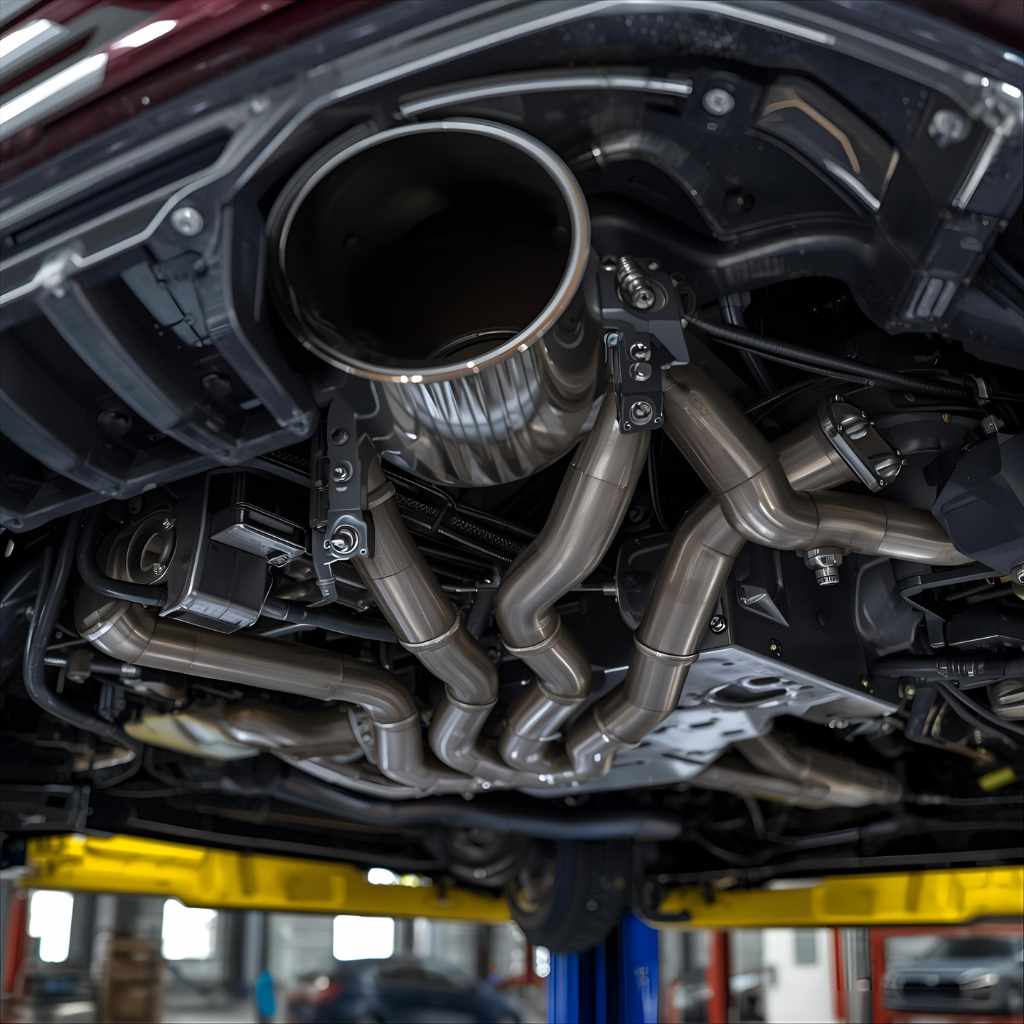
Instead of a bulky, shared chamber, headers use individual, smooth, mandrel-bent tubes (runners) for each cylinder. These tubes funnel the exhaust gases away from the engine much more efficiently.
The Engineering Behind Header Design
The magic in headers isn’t just having tubes; it’s how those tubes are designed. The correct length and diameter of the runners are crucial for maximizing scavenging. This involves utilizing exhaust pulse tuning.
When an exhaust pulse leaves a cylinder, it travels down its tube as a high-pressure wave. If the collector—where all the tubes meet—is designed correctly, the vacuum wave following the pulse can actually help pull the exhaust gases out of the next cylinder just as its exhaust valve opens. This is extremely efficient power creation.
According to principles documented by automotive engineering bodies, optimizing exhaust tuning can result in significant volumetric efficiency improvements across the engine’s operating range. If you want to learn more about the technical side of engine efficiency, resources like those found in educational engineering libraries discuss specific tuning principles.
The Proven Power: What Headers Do For A Car
When you install headers, you remove the bottlenecks in your exhaust system. This simplification and optimization lead directly to tangible performance improvements. Here is what drivers consistently report after swapping out their manifolds for headers.
1. Increased Horsepower and Torque
This is the main reason people add headers. By reducing backpressure, the engine can breathe deeper and create more power with the same amount of fuel and air. Most quality headers provide noticeable gains, often adding anywhere from 10 to 35 horsepower, depending on the vehicle and whether they are combined with other modifications like a high-flow cat-back exhaust system.
- Horsepower Boost: Most noticeable at higher engine speeds (RPMs) because the engine is moving gases faster.
- Torque Improvement: Often felt low in the RPM range, making the car feel punchier when you first press the pedal.
2. Better Fuel Efficiency (Surprisingly)
This might sound contradictory, but it’s true for efficient driving. If the engine doesn’t have to work as hard to push out exhaust, it uses less energy overall. When you drive moderately, the efficiency means you might see a small improvement in miles per gallon (MPG). Of course, if you use the extra power immediately, your MPG will drop!
3. Enhanced Engine Sound
Headers unlock a deeper, more aggressive exhaust note. Because they allow sound waves to exit more freely, the engine often sounds throatier and more powerful, even before you change the muffler section of your exhaust.
4. Reliability and Component Longevity
When exhaust gases are removed efficiently, the engine runs cooler. Excess heat damages engine components over time. By improving exhaust flow, headers help maintain more stable engine temperatures, which is good news for gaskets and other sensitive parts.
Types of Headers: Choosing the Right Fit
Not all headers are created equal. The type you choose depends on your car, your intended use (street vs. track), and your budget. Understanding the basic configurations is key to making a smart purchase.
1. Shorty Headers (Short Tube)
These are often the closest in design to a factory manifold, but they use smoother, wider tubes. They offer minimal gains over stock but are easier to install in tight engine bays and usually result in less sound change.
- Best For: Mild street driving; cars with very limited space.
- Pros: Easy installation, usually remain emissions-legal.
- Cons: Minimal power increase.
2. Long Tube Headers
These feature long runners that flow back much further before meeting the collector. They offer the most significant performance gains because they maximize the exhaust pulse scavenging effect across the entire RPM range.
- Best For: Maximum performance; cars used for track or spirited driving.
- Pros: Largest power gains (HP and Torque).
- Cons: More expensive, more complex installation, often require replacing the catalytic converters (which can cause emissions issues).
- Note on Emissions: In many areas, removing or replacing factory catalytic converters with headers violates local emission laws. Always check your state or province’s regulations before purchasing long tubes.
3. Tri-Y Headers
These headers are a middle ground. They collect the exhaust from pairs of cylinders initially, then merge those pairs into a final collector. They are very effective at increasing low-to-mid range torque.
- Best For: Trucks, SUVs, and street vehicles where strong pulling power (torque) is more important than peak top-end horsepower.
- Pros: Excellent low-end torque boost.
- Cons: Slightly less peak horsepower than long tubes.
Comparing Manifolds and Headers Side-by-Side
To clearly see the difference headers make, let’s look at a quick comparison chart detailing the main differences between the stock part and the performance upgrade.
| Feature | Stock Exhaust Manifold | Performance Headers |
|---|---|---|
| Material | Heavy Cast Iron | Stainless Steel or Coated Mild Steel |
| Runner Design | Short, restrictive runners, bundled early | Long, smooth, equal-length runners |
| Exhaust Flow | High Restriction (High Backpressure) | Low Restriction (Efficient Scavenging) |
| Typical Power Gain | Zero (Factory Design) | Moderate to Significant |
| Sound Profile | Muffled and quiet | Deeper, throatier, and louder |
Installation: What to Expect
Installing headers technically replaces a part bolted directly to the engine, which can sound intimidating. However, if you are comfortable with basic wrench turning, it is usually achievable in a home garage or driveway. If you have never worked on an exhaust system before, it might be wise to have a trusted shop handle this for you, especially if installing long tubes.
Tools You May Need (General List)
- Jack and jack stands (Never work under a car supported only by a jack!)
- Socket wrench set and various extension bars
- Penetrating oil (like WD-40 or PB Blaster) to loosen rusty bolts
- Torque wrench (to tighten nuts to factory specifications)
- Gasket scraper and safety glasses
Simplified Installation Steps
The exact process varies by vehicle, but the general steps for header replacement involve the following actions:
- Safety First: Jack up the vehicle safely and secure it on strong jack stands. Disconnect the negative battery terminal.
- Locate and Detach: Find the existing exhaust manifold. This is usually located on the side of the engine block where the exhaust pipes begin.
- Disconnect Components: Carefully unbolt the exhaust pipes (often including the catalytic converter) from the manifold flange. You may also need to remove oxygen sensors.
- Remove Old Manifold: Unbolt the manifold from the cylinder head. This can be challenging if bolts are rusted. Use penetrating oil liberally!
- Clean the Surface: Scrape off any old gasket material from the cylinder head surface completely. A clean surface ensures a good seal.
- Install New Gaskets and Headers: Place your new header gaskets onto the studs or new bolts. Carefully position the new headers onto the head.
- Tighten in Sequence: Install the collector bolts/nuts. Crucially, tighten them in the pattern specified by the header manufacturer (usually starting from the center and working outwards) and use a torque wrench to match factory torque specs.
- Reconnect Exhaust and Sensors: Bolt the rest of your exhaust system back onto the collector outlet of the new headers. Reinstall oxygen sensors and reconnect the battery.
Pro Tip for Safety: When reinstalling O2 sensors into new headers (especially if they are stainless steel), apply a small amount of high-temperature anti-seize compound to the threads. This prevents them from fusing into the new metal during future removals.
Header Materials and Longevity
The material your headers are made from directly impacts their performance, appearance, and how long they last. Since headers deal with extremely high temperatures, material choice is vital.
Stainless Steel (304 or 409 Grade)
This is the premium choice. It resists corrosion very well, looks great (especially polished), and handles heat cycling without cracking. It is more expensive but often lasts the life of the car.
Mild Steel (Often Black Coated)
This is the budget-friendly option. Mild steel is stronger when designed, but it is vulnerable to rust once the protective coating wears off, especially in areas exposed to road salt or moisture. They often look good out of the box but can show wear quickly.
For reliability, durability, and long-term resale value, I always recommend investing in good quality stainless steel headers if your budget allows. You can find excellent guidance on choosing the right material from trusted automotive suppliers that adhere to quality standards.

Frequently Asked Questions (FAQ) for Beginning DIYers
Q1: Will installing headers void my car’s factory warranty?
A: Yes, generally, any modification that affects engine performance or emissions can void the warranty coverage specifically related to those systems. However, they cannot void the warranty on unrelated parts, like your transmission or radio.
Q2: Do I need to tune my car (get a custom ECU tune) after installing headers?
A: For simple bolt-on shorty headers, often no tune is immediately required. However, if you install long tube headers, especially those that remove catalytic converters, a custom tune is highly recommended. The engine needs to adjust the fuel and timing maps to take full advantage of the better exhaust flow.
Q3: How much louder will my car get with headers?
A: Headers make the exhaust exit the engine faster, increasing the baseline volume. If you keep the stock catalytic converters and muffler, the sound will be deeper and slightly louder. If you pair headers with a performance exhaust system, expect a significant increase in volume and aggression.
Q4: Can I pass an emissions test if I install long tube headers?
A: This depends entirely on your local regulations. If the headers eliminate the factory catalytic converters, you will almost certainly fail an emissions test in most US states and many other countries. Always purchase “Direct Fit” headers that retain the stock or include compliant high-flow catalytic converters if you need to pass annual testing.
Q5: Are headers a good first modification for a car?
A: Yes, they are often considered one of the best first “bolt-on” modifications. They are one of the few modifications that improve the engine’s efficiency naturally, leading to proven power gains without requiring major internal engine work.
Q6: What is the term “scavenging” in relation to headers?
A: Scavenging is the process where the vacuum wave created by the exhaust pulse exiting one cylinder actively helps pull the remaining old gases out of the next cylinder before its exhaust valve closes. Headers are designed to perfect this beneficial “pulling” action.
Conclusion: A Smart Step for Proven Performance
We’ve covered a lot of ground today, moving from the restrictive nature of stock manifolds to the highly engineered flow of performance headers. Understanding what does headers do for a car boils down to one simple concept: helping your engine breathe easier. They are not just about making more noise; they are a fundamental upgrade in physics that allows your engine to operate closer to its peak potential.
For the everyday driver seeking confidence in acceleration during highway merging or perhaps just wanting a richer sound, headers provide a tangible return on investment. While installation requires some care—always prioritize safety and check local emissions laws, especially regarding long tubes—the end result is a more responsive, slightly cooler, and genuinely more powerful engine. By making this smart swap, you’re taking a confident step toward understanding and improving your vehicle’s performance capabilities.