
What Does The Arrow Symbol To Petrol Lamp Mean In A Car?
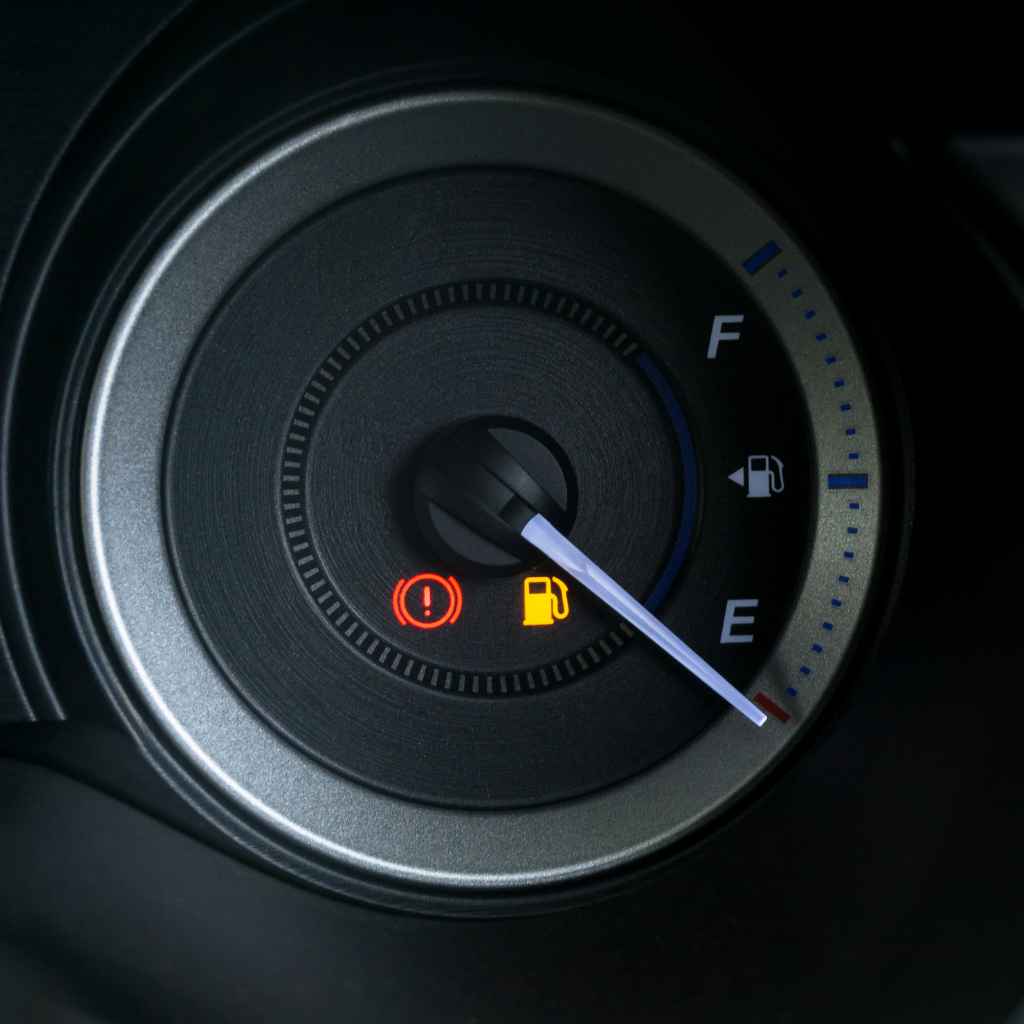
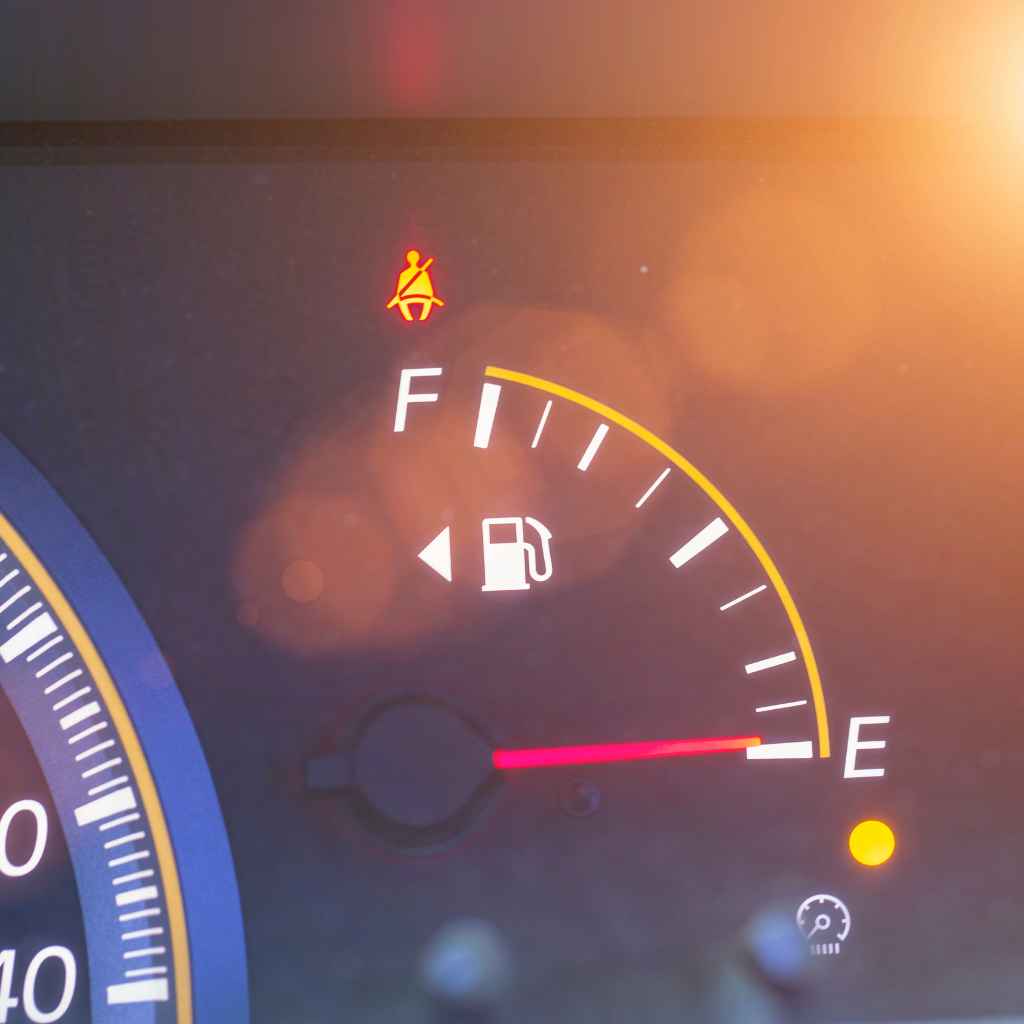
The arrow symbol next to the petrol lamp on your car’s fuel gauge indicates which side of the vehicle the fuel filler door is located. This simple marker helps you quickly identify the correct side to park at a gas station, saving time and avoiding guesswork.
Understanding the Fuel Gauge Arrow
Your car’s dashboard is full of symbols. Some tell you about the engine. Others warn you about safety.
Then there’s the fuel gauge. It shows how much gas is left. Many cars also have a small arrow next to the gas pump picture.
This arrow is like a tiny helper.
It’s a simple design choice. But it came about because not all cars put the gas tank on the same side. Some are on the left.
Some are on the right. This arrow takes the guesswork out of it. It tells you exactly where to go at the pump.
This feature is more common on cars sold globally. Different countries have different driving rules and car designs. For example, in the U.S., most cars have the fuel door on the driver’s side, which is the left side.
But in other places, it can be on the right.
So, when you look at your fuel gauge, find that little arrow. If it points left, pull up to the pump with your left side facing it. If it points right, use your right side.
It’s as simple as that!
My First “Oh, That’s Why!” Moment
I remember my first time renting a car in a new city. It was late. I was tired.
I needed gas. I pulled up to a gas station, hopped out, and walked around to the back. Nope, no gas door there.
I had to sheepishly get back in and drive to the other side. My face was red.
Later that week, I was getting gas in my own car. I noticed the arrow on the dashboard. It pointed to the left.
I had never paid attention before. Then it hit me. That’s what it’s for!
It solves that exact problem I had. It was a small “aha!” moment. But it made me feel so much smarter about my car.
I started noticing it on other cars too. It’s amazing how many little features are in cars that we just don’t see until we really look. This little arrow is one of them.
It shows how car makers try to make our lives just a little bit easier. Even with small things.
Understanding Your Car’s Fuel Door Location
The Symbol: A small arrow next to the gas pump icon.
What it Means: It points to the side of your car where the fuel filler door is located.
Why it Matters: Saves time and avoids confusion at the gas station.
U.S. Cars: Often on the left (driver’s side).
Global Cars: Can be on either side.
Why Car Makers Use This Symbol
Car companies operate worldwide. They sell cars in many countries. Each country has its own rules and preferences.
Think about driving on the left versus the right side of the road. This affects where it makes sense to put the gas tank.
In countries where you drive on the right, like the U.S., the driver is on the left. Putting the fuel door on the left side means the driver can reach the pump without getting out. It’s convenient.
This is why many American cars have the fuel door on the left.
However, in countries where you drive on the left, like the UK or Australia, the driver is on the right. For these cars, placing the fuel door on the right side makes more sense. The driver can then easily access the pump.
So, the arrow symbol is a universal way to show this location. It doesn’t matter where the car was made or where you are driving it. The symbol tells you where to find the gas cap.
This helps drivers worldwide, especially when they are in an unfamiliar car or at a new gas station.
Fuel Door Placement: A Global View
Myth: All cars have the fuel door on the left.
Reality: Placement varies by country and car model.
Driving Side: Determines the most convenient side for the fuel door.
U.S. Standard: Left side (driver’s side) for right-hand driving.
Other Countries: Right side is common for left-hand driving.
Is This Symbol Always There?
No, not every single car has this arrow symbol. It became more common over the years. Older cars might not have it.
Also, some car makers might have chosen different ways to show this information. Or they might not have included it at all.
Most cars made in the last 10 to 15 years likely have it. It’s become a standard feature. It’s a small thing that adds a lot of value for drivers.
Especially those who drive different cars often. This includes rental cars or company vehicles.
If your car doesn’t have the arrow, you can usually still figure it out. Most often, you can look at the car’s manual. It will tell you where the fuel door is.
Or, you can just observe your car. Most people know their own car’s gas cap location after a while.
But for those times you’re unsure, or in a new car, that little arrow is a lifesaver. It’s a perfect example of good, subtle design. It solves a small problem without making a big fuss.
It’s just there when you need it.
What If I Can’t Find the Arrow?
Don’t worry if you can’t spot the arrow on your fuel gauge. It’s not the end of the world! Many drivers never notice it.
They just know where their car’s gas cap is. You probably do too, for your own vehicle.
Here are a few ways to find out if your car’s fuel door is on the left or right:
- Check the Owner’s Manual: This is the best place for all your car’s details.
- Look at the Car: Walk around your car. Open the fuel door and see which side it’s on.
- Online Search: Search for your car’s make, model, and year. You can often find information about its fuel door location.
- Ask a Friend: If you know someone with the same car, ask them!
For most people, once you know your car, you just know. It becomes second nature. The arrow is just a little nudge for those moments when you might forget, or when you’re driving a car that isn’t yours.
It’s a helpful hint, not a strict rule you must follow.
Quick Scan: Fuel Door Tips
Arrow Symbol: Points to fuel door side.
No Arrow?: Check manual or look at car.
Rental Cars: Always look for the arrow!
New Car?: Take a moment to find it.
Real-World Scenarios Where This Helps
Imagine you’re on a road trip. You’re low on gas. You see a station coming up.
You quickly glance at the gauge. Arrow points left. You pull up perfectly on the left side.
Easy peasy. No driving around the pump. No awkward moments.
Or think about driving a rental car. You’re in a city you don’t know well. The rental car is a different make and model than you’re used to.
You need gas. You see the arrow. You know exactly which side to pull up to.
It saves a bit of stress.
This symbol is also useful for new drivers. They are still learning about their car. They might not know all its quirks yet.
The arrow gives them one less thing to worry about. It’s a small thing that makes the learning process smoother.
Even experienced drivers can forget. Maybe you haven’t filled up your car in a while. Maybe you just bought a new car.
A quick glance at the arrow can confirm your guess. It’s a small piece of helpful information that’s always available.
Smart Driver Habits
Look Before You Park: Always check the arrow if you’re unsure.
Know Your Car: Familiarize yourself with your own car’s fuel door location.
Rental Car Check: Make it a habit to look for the arrow in rentals.
Teach Others: Show new drivers this simple trick.
When It’s More Than Just an Arrow
While the arrow itself is simple, it relates to broader car design and user experience. Car manufacturers spend a lot of time thinking about how drivers interact with their vehicles. Every button, dial, and symbol has a purpose.
The goal is often to make driving safer and easier.
This arrow is part of that. It prevents a minor distraction. Distractions can be dangerous when you’re driving.
Even a few seconds of confusion at a gas station can lead to a wrong turn or a moment of inattention. By providing this clear indicator, car makers reduce that risk.
It also shows how technology in cars has evolved. Older cars had simpler dashboards. As cars became more complex, designers had to find ways to communicate more information clearly and concisely.
Symbols became very important. This arrow is a prime example of using a simple symbol for a practical purpose.
Think about other helpful symbols. The low fuel warning light. The tire pressure light.
The oil change reminder. All these are designed to help you keep your car running smoothly and safely. The fuel door arrow fits right into this category of helpful, everyday indicators.
The Role of the Fuel Gauge Itself
The fuel gauge, with or without the arrow, is a critical part of your car’s dashboard. It tells you how much fuel you have. This information is vital for planning your trips.
Running out of gas can be more than just an inconvenience. It can be dangerous, especially on highways or in remote areas.
Most fuel gauges are not perfectly accurate. They can fluctuate slightly. Also, the last few miles before empty can be unpredictable.
That’s why paying attention to the low fuel light is important. It often comes on when you have about a gallon or two left.
The arrow symbol works in tandem with the fuel gauge. The gauge tells you when you need gas. The arrow tells you where to put it in.
Together, they make the entire refueling process much smoother. It’s a complete system for managing your car’s fuel needs.
Understanding your fuel gauge and its associated symbols is part of being a responsible driver. It helps you plan your stops, avoid running out of fuel, and ensure you can always get where you need to go. The arrow is just one small piece of that larger picture.
Fuel Gauge Essentials
Main Function: Shows remaining fuel level.
Low Fuel Light: Alerts you when fuel is very low.
Arrow Symbol: Indicates fuel door side.
Planning: Use fuel level to plan your stops.
Myths vs. Facts About the Fuel Arrow
It’s always good to clear up any confusion. There might be some misunderstandings about this symbol. Let’s look at a few common ones.
Myth 1: The arrow tells you which way to turn at the pump. This is not true. The arrow only shows the side of your car. You still need to position your car correctly relative to the pump itself.
Myth 2: All cars have the fuel door on the same side. As we’ve discussed, this is false. It varies by country and car design. The arrow is there precisely because it’s not always the same.
Fact 1: The arrow is a universal indicator. It works no matter what country you are in or what car you are driving, as long as the car has the symbol.
Fact 2: It’s a safety and convenience feature. By reducing confusion, it helps drivers focus more on the road and their surroundings, especially at busy gas stations.
Understanding these facts helps you use the symbol correctly. It’s a simple tool designed for a clear purpose. Don’t overthink it!
Just look at the arrow and know which side of your car to approach the pump from.
Tips for Using the Fuel Door Arrow
Here are some easy tips to make the most of this little feature:
- Make it a Habit: Every time you’re about to get gas, take a quick look at the arrow. Train yourself to check it.
- Teach Your Family: Show other drivers in your household, especially teens or those who might borrow your car, what the arrow means.
- Rental Car Protocol: When you rent a car, make finding this arrow one of your first checks. It will save you a moment of fumbling.
- If You Forget: If you pull up and realize you’re on the wrong side, don’t panic. Just drive around. Most people have done it.
- Observe Others: See how other drivers use the pumps. It can reinforce your understanding.
These small habits can make your driving life a little bit smoother. It’s all about being aware of the helpful cues your car provides.
Frequently Asked Questions
What if my car’s fuel door is on the side with the pump hose?
That’s the ideal situation! The arrow symbol helps ensure you park so the hose can reach your fuel filler. It’s designed to prevent you from having to stretch the hose or maneuver awkwardly.
Does the arrow symbol mean anything else?
No, its sole purpose is to indicate the side of the car where the fuel tank opening is located. It’s a very specific function.
Why don’t all gas pumps have hoses on both sides?
Gas stations try to optimize space and cost. Most stations are built for the most common car configurations in their area. Some modern stations do have pumps with hoses on both sides to accommodate more vehicles.
Can I open my fuel door manually if the arrow symbol is confusing?
Yes, most cars have a manual release lever inside the car, often near the driver’s seat or on the floor. Your owner’s manual will show you its exact location.
Is the arrow symbol a legal requirement in the U.S.?
It’s not a strict legal requirement for the symbol to be present. However, it’s a widely adopted design feature by manufacturers that enhances user experience and safety.
What should I do if I accidentally put the wrong fuel in my car?
Do not start the engine! If you catch it before starting, call a roadside assistance service or a tow truck. They can drain the tank.
If you’ve already started the engine, turn it off immediately. Continuing to run the engine can cause significant damage.
Final Thoughts on a Small Detail
That little arrow on your fuel gauge might seem insignificant. But it’s a perfect example of thoughtful design. It addresses a common, albeit minor, annoyance for drivers.
It makes the simple act of refueling just a little bit easier for everyone, everywhere.
So next time you’re at the pump, take a moment to appreciate this small symbol. It’s a bit of helpful information designed just for you. It’s a reminder that even the smallest details in our cars can make a big difference in our daily lives.
Keep an eye out for it!
Products related to this article
Sponsored / affiliate links. As an Amazon Associate I earn from qualifying purchases. I may earn additional commission from eligible campaigns.