What Does the Rpm Mean on a Car: Understanding Engine Performance
RPM stands for revolutions per minute. It measures how many times the engine’s crankshaft makes a full turn every minute.
Understanding RPM is crucial for car enthusiasts and everyday drivers alike. Knowing what RPM means can help you drive more efficiently. It affects fuel consumption, engine performance, and overall vehicle health. High RPMs can indicate hard work for the engine, while low RPMs might suggest fuel economy.
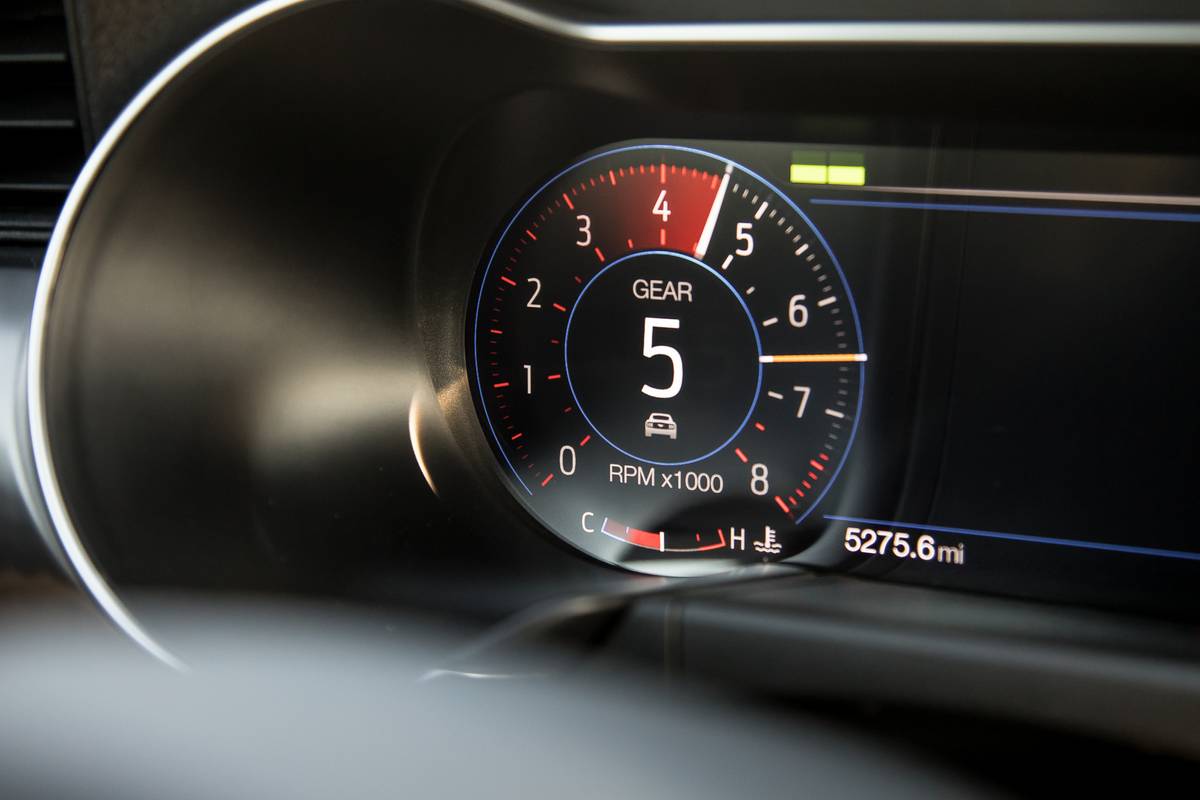
RPMs can be seen on your car’s dashboard, usually with a gauge called a tachometer. The needle or numbers show how hard your engine is working. By keeping an eye on the RPM, you can ensure smoother rides and better car maintenance. Stay tuned to learn more about RPM and its importance in your daily driving.
What Is Rpm?
RPM stands for Revolutions Per Minute. It measures how many times the engine’s crankshaft makes a full turn every minute. This helps us know how hard the engine is working.
Keeping an eye on RPM helps with engine health. High RPM means the engine works harder. Low RPM means the engine works less. This helps in saving fuel and reduces wear.
Credit: www.autoguru.com.au
How Rpm Is Measured
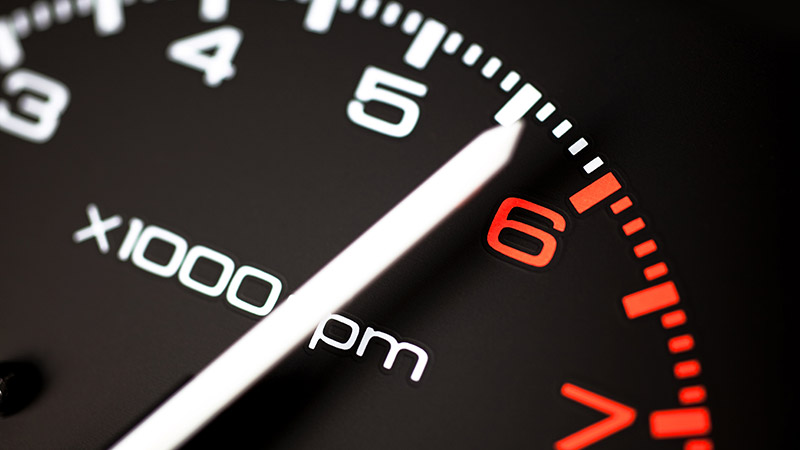
The tachometer shows the RPM of your car’s engine. It measures how fast the engine is spinning. This device helps drivers know when to shift gears. RPM stands for revolutions per minute. Each revolution means the engine completes one full turn.
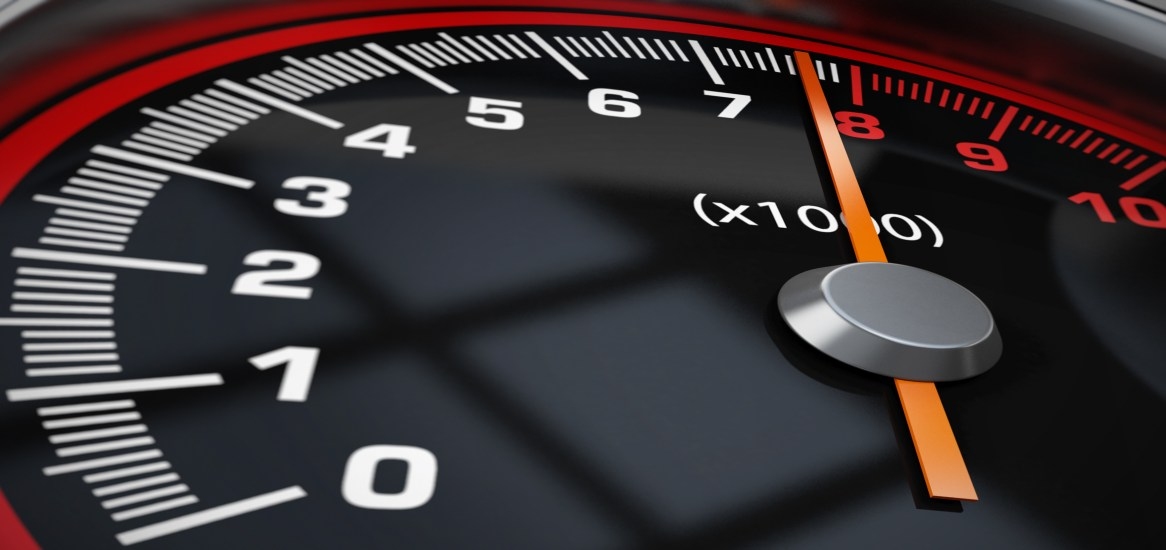
Analog tachometers have a needle that moves to show the RPM. Digital tachometers display the RPM as numbers. Both types give the same information. Analog ones are more old-fashioned. Digital ones are more modern. Choose the one you find easier to read.
Engine Performance And Rpm
The optimal RPM range for a car engine is crucial. It affects how the car performs. Staying in this range keeps the engine healthy. The car runs smoothly. It avoids excessive wear. The engine works less hard. This saves fuel and money. Check your car’s manual. It tells you the best RPM range.
Fuel efficiency and RPM go hand in hand. Lower RPMs use less fuel. High RPMs burn more fuel. Driving at high RPMs wastes fuel. It can damage the engine. Keep RPMs low for better fuel efficiency. It helps save money. It also protects the environment. Watch your car’s RPM gauge. Adjust your driving speed.
Rpm And Transmission
RPM stands for revolutions per minute. It shows how fast the engine spins. In a manual car, the driver shifts gears. The RPM changes with each shift. Lower gears mean higher RPM. Higher gears mean lower RPM. Keeping the RPM in the right range is important. This helps the engine run smoothly.
Automatic cars shift gears by themselves. The RPM still changes. The car’s computer controls it. Higher RPM means more power. Lower RPM means better fuel efficiency. Drivers don’t need to think about it much. The system does the work for them. This makes driving easier.
Rpm And Driving Techniques
RPM stands for revolutions per minute. It shows how fast the engine is spinning. Shifting gears at the right RPM helps your car run smoothly. For example, shift to a higher gear when the RPM is high. This saves fuel and reduces engine wear. Shift to a lower gear when the RPM is low. This gives you more power for climbing hills or starting from a stop.
Acceleration makes the RPM go up. Pressing the gas pedal increases the engine speed. Deceleration makes the RPM go down. Letting off the gas or pressing the brake pedal slows the engine. Smooth acceleration and deceleration can extend the life of your car. It also makes your ride more comfortable.
Credit: www.autolist.com
Rpm And Engine Wear
High RPM can cause more heat in the engine. Too much heat can lead to wear and tear. Parts might break down faster. Oil in the engine can burn away quickly. This leaves parts less protected. Friction can increase without proper oil. This can damage the engine.
Lower RPM can help keep the engine safe. Regular oil changes are important. Clean oil protects the engine. Check the engine often. Fix problems early. Use the right fuel for your car. Avoid sudden speeds. Drive smoothly. This will help your engine last longer.
Common Rpm Issues
Fluctuating RPM can make driving difficult. The car may jerk or stall. This issue often points to problems with the engine or fuel system. A dirty air filter can also cause RPM fluctuation. Sometimes, the throttle body needs cleaning. Regular maintenance can help avoid this problem.
Stalling often happens at low RPM. It can be dangerous if the engine stops suddenly. Stalling may mean a failing fuel pump. It can also be a problem with the spark plugs. Ignition system issues might be to blame. Regular checks can keep your engine running smoothly. Always fix stalling issues quickly.

Credit: autos.yahoo.com
Maintaining Optimal Rpm
Regularly check your car’s oil level. Clean oil helps the engine run smoothly. Dirty oil can harm the engine. Change the oil every 3,000 to 5,000 miles. Keep the air filter clean. A dirty air filter can reduce engine performance. Replace it as needed. Inspect the spark plugs. Worn-out spark plugs affect engine efficiency. Replace them if needed.
Watch the tachometer on your dashboard. It shows RPM. Keep RPM within the recommended range. High RPM can damage the engine. Low RPM can cause the car to stall. Shift gears at the right time. Do not let RPM get too high or too low. Listen to the engine. It can tell you if RPM is too high or low.
Frequently Asked Questions
What Is A Normal Rpm For A Car?
A normal RPM for a car is typically between 600-1000 RPM at idle. During driving, it ranges from 1500-3000 RPM.
Does Rpm Affect Engine?
Yes, RPM affects the engine’s performance and fuel efficiency. High RPM can lead to increased wear and fuel consumption.
How Much Rpm Is Good For A Car?
A good RPM range for most cars is between 1,500 and 2,000 RPM for optimal fuel efficiency and engine longevity.
What Does It Mean When The Rpm Is High?
High RPM means the engine or motor is running at a fast speed. This can indicate high performance or potential issues.
Conclusion
Understanding RPM is essential for car maintenance. It helps you gauge engine performance. Keep an eye on RPM for better driving. Remember, lower RPM improves fuel efficiency. High RPM can strain the engine. Monitor your RPM regularly. It ensures a smooth and efficient ride.
Knowing RPM aids in optimizing driving habits. This can extend your car’s lifespan. So, pay attention to those numbers. Your car will thank you!