Can I Put 88 in My Car? What Unleaded 88 Actually Means
Yes, in most cases — if your car is a gasoline-powered model from 2001 or newer, it is EPA-approved to run on Unleaded 88. But “Unleaded 88” is not simply a stronger version of regular gas. It is E15, a blend with 15% ethanol, and understanding that difference matters more than the octane number on the pump.
Quick Answer: Yes, most gasoline cars, trucks, and SUVs from model year 2001 or later can safely use Unleaded 88 (E15, 15% ethanol) — it’s EPA-approved for that range. Vehicles older than 2001 are not approved. Check your owner’s manual to confirm, since a small number of manufacturers still recommend against it even in newer models.
What Does “Unleaded 88” Actually Mean?
Unleaded 88 is named for its octane rating — 88 AKI (anti-knock index), measured just above regular 87-octane gas. But the number is only part of the story. Unleaded 88 is also known as E15, and the “15” refers to its ethanol content: 15% ethanol blended with 85% gasoline. That is 5% more ethanol than the standard E10 blend (10% ethanol) sold as regular unleaded at most stations.
The extra ethanol is actually what raises the octane number from 87 to 88 — ethanol itself burns at a higher octane than gasoline, so blending in more of it nudges the rating up slightly. That is an important distinction: Unleaded 88 is not a “premium” or high-performance fuel. It is a different blend that happens to land at a slightly higher octane number, not a formula built for more power.
ETHANOL-SAFE FUEL SYSTEM CARE
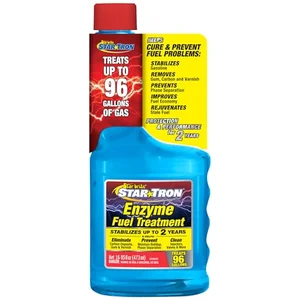 |
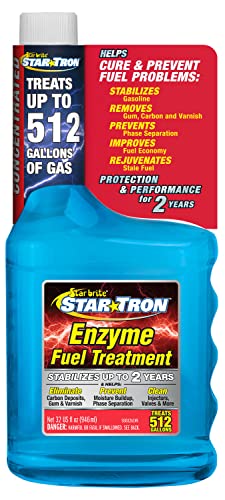
Star Tron Enzyme Fuel Treatment – $14.39 If you regularly run higher-ethanol blends like Unleaded 88, this additive helps prevent the phase separation and moisture buildup that ethanol fuel is prone to over time.
|
Is It Safe to Put 88 in Your Car Right Now?
For most drivers, yes. The EPA approved Unleaded 88 (E15) for use in all gasoline-powered cars, trucks, and SUVs from model year 2001 and newer. That covers the large majority of vehicles on the road today. Vehicles built before 2001 are not approved — their fuel systems and seals were not designed to handle the higher ethanol content, and repeated use can lead to corrosion and fuel line damage over time.
Before you fill up, a quick way to check:
- Your vehicle is a gasoline model from 2001 or later
- Your owner’s manual does not specifically warn against ethanol blends above E10
- Your car is not a small engine, motorcycle, boat, or off-road vehicle (E15 is not approved for those)
- Your fuel door sticker does not list a maximum ethanol content lower than 15%
If all four are true, filling up with Unleaded 88 instead of regular is not something to worry about. EPA approval is the baseline, but the owner’s manual is always the final word for your specific vehicle.
What Happens If You Already Put 88 in an Incompatible Car?
If you already filled up with Unleaded 88 in a car older than 2001, or one your manufacturer specifically says to avoid ethanol blends above E10, do not panic. A single accidental fill-up is very unlikely to cause any real damage, and draining the tank is not necessary. Just run the tank down normally and fill up with regular fuel on your next visit to the pump.
The real risk with ethanol blends comes from repeated, ongoing use in an engine that was not built for it — not a single tank. If you notice rougher idling, a check engine light, or reduced fuel economy after one fill-up, it will typically clear up once you are back on your usual fuel. If symptoms persist, have a mechanic take a look.
Where Unleaded 88 Fits Between Regular and Premium
Most stations that sell Unleaded 88 offer it as a separate button between regular and mid-grade, priced a few cents per gallon below regular. Here is how the common grades compare:
| Fuel Grade | Octane (AKI) | Ethanol Content | Typical Use |
|---|---|---|---|
| Regular (E10) | 87 | 10% | Standard fuel for most engines |
| Unleaded 88 (E15) | 88 | 15% | 2001+ gasoline vehicles, EPA-approved |
| Mid-Grade | 89 | ~10% | Some engines recommending “Plus” |
| Premium | 91–93 | ~10% | High-compression and turbocharged engines |
One mix-up worth clearing up: Unleaded 88 is not the same thing as E85. E85 contains up to 83% ethanol and is only safe in flex-fuel vehicles specifically built to run on it — using it in a regular gasoline car is a much bigger problem than using Unleaded 88. If you are not sure which one ended up in your tank, see our guide on what happens if you put E85 fuel in a regular car.
Is Unleaded 88 Available Where You Live?
Availability has shifted recently. E15 has historically been restricted during the summer driving season (June 1 – September 15) in many states because of federal fuel volatility rules, but a 2026 EPA emergency waiver lifted that restriction nationwide, making Unleaded 88 available year-round at participating stations this year. Longer-term, permanent year-round sales still depend on further action in Congress.
For a full breakdown of which vehicle makes and models are compatible, state-by-state availability, and the latest regulatory updates, see our complete guide: What Cars Can Use Unleaded 88 (E15)? Compatibility Guide.
Frequently Asked Questions
What Vehicles Can Run Unleaded 88?
Most gasoline-powered cars, trucks, and SUVs from model year 2001 or newer are EPA-approved to run on Unleaded 88 (E15). Check your owner’s manual to confirm, since a small number of manufacturers still recommend against it even in newer vehicles.
Is Unleaded 88 the Same as Premium Gas?
No. Unleaded 88 is named for its octane rating, but it is not a premium or high-performance fuel. It is a mid-range blend with more ethanol (15%) than regular 87-octane gas (10%), not a formula designed for more power.
What Should I Do If I Already Put 88 in My Car?
A single accidental fill-up in a vehicle not approved for E15 is not an emergency, and you do not need to drain the tank. Just fill up with your regular fuel next time. Repeated use, not one tank, is what causes long-term issues in engines not built for higher ethanol content.
How Do I Know If My Car Is Approved for Unleaded 88?
Check your owner’s manual or the fuel door sticker. Vehicles built in 2001 or later are generally EPA-approved, but always confirm with your manufacturer’s specific guidance before making it a regular habit.
Is Unleaded 88 Cheaper Than Regular Gas?
Usually, yes. Unleaded 88 is often priced a few cents per gallon below regular 87-octane gas because ethanol costs less to produce than gasoline, though exact pricing varies by station and region.
Is Unleaded 88 the Same as E85?
No, and this is a common mix-up. Unleaded 88 (E15) contains 15% ethanol and works in most 2001-and-newer gasoline vehicles. E85 contains up to 83% ethanol and is only safe in flex-fuel vehicles specifically built for it.
The Bottom Line
If your car is a 2001 model or newer and your owner’s manual does not say otherwise, putting Unleaded 88 in your car is safe. It is not a premium fuel or a downgrade — it is E15, a 15% ethanol blend that happens to land at a slightly higher octane number than regular gas. When in doubt, your owner’s manual is the final authority, and a single wrong fill-up is never something to panic about.
Products related to this article
Sponsored / affiliate links. As an Amazon Associate I earn from qualifying purchases. I may earn additional commission from eligible campaigns.