What Happens If a Bike Hits My Car?
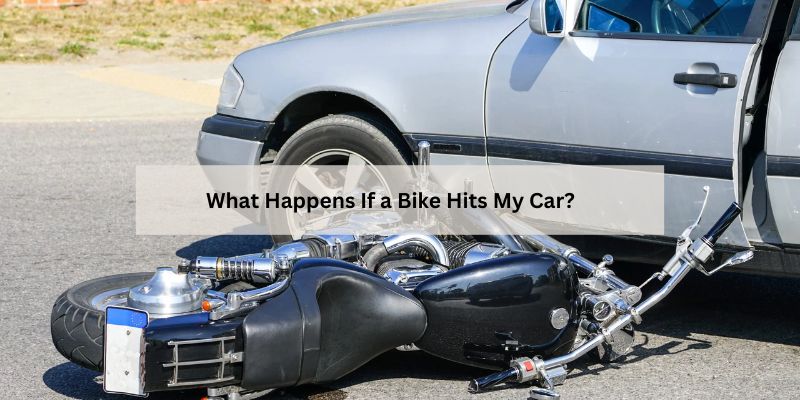
Hey there! Picture this: you’re driving along, minding your own business, when out of nowhere, a bicycle crashes into your car. Your heart races, and a million questions flood your mind. What happens next? Is it my fault? Who pays for the damage? I’ve been there, and trust me, it’s a confusing situation. A few years ago, a cyclist clipped my car while I was stopped at a light, and I had to figure out the mess that followed.
Since then, I’ve dug deep into this topic—talking to drivers, cyclists, insurance agents, and even a lawyer friend—to understand what really happens when a bike hits your car. So, grab a seat, and let’s walk through this together. I’ll break it down in a way that’s easy to follow, so you know exactly what to do if it happens to you.
This article is all about answering your questions about a bike hitting your car. We’ll cover everything from immediate steps to take, who’s at fault, insurance claims, legal concerns, and how to stay safe on the road. My goal is to make this clear for everyone, whether you’re a new driver or someone who’s been behind the wheel for years. Let’s dive in!
What Should You Do Right After a Bike Hits Your Car?
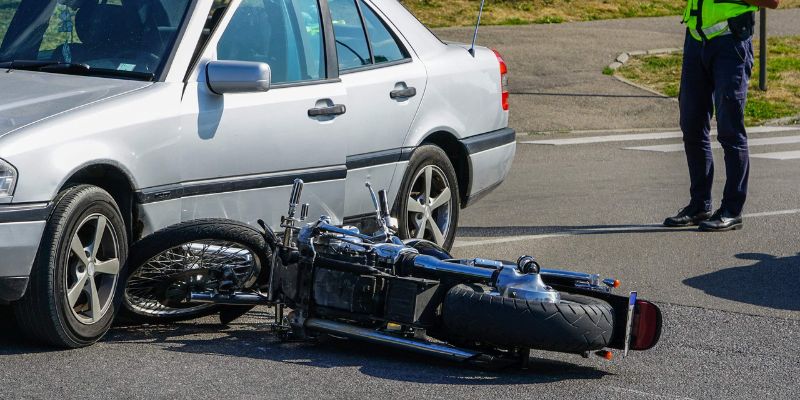
The moment a bike hits your car, it’s natural to feel shocked or even a bit panicked. I remember when it happened to me, I just froze for a second. But staying calm is key. Here’s what I learned to do right away.
First, check if everyone is okay. The cyclist might be shaken up or hurt, so ask if they need help. If anyone is injured, call 911 immediately. I once saw a cyclist with a scraped knee who insisted he was fine, but it’s better to be safe and get medical help if needed. Next, move your car to a safe spot if it’s blocking traffic, but only if it’s safe to do so. Turn on your hazard lights to alert other drivers.
Then, take a deep breath and start gathering information. Get the cyclist’s name, contact details, and any witness information. I made the mistake of not getting a witness’s number once, and it complicated things later. Take photos of the scene—your car, the bike, the road, and any damage. These pictures were a lifesaver when I had to file a claim. Finally, call the police to report the accident, especially if there’s injury or significant damage. In most states, you’re required to report accidents involving injuries or property damage over a certain amount, like $1,000 in California.
Who’s at Fault When a Bike Hits Your Car?
Figuring out who’s to blame is where things get tricky. When that cyclist hit my car, I was sure it was their fault—they swerved into me! But fault isn’t always clear-cut. In the USA, fault depends on state laws and the specifics of the crash. I spent hours researching this, and here’s what I found.
Most states use a “comparative negligence” system. This means fault can be shared between you and the cyclist. For example, if the cyclist ran a red light but you were speeding, you might both be partially at fault. In my case, the cyclist admitted to not paying attention, but I was turning, so the insurance company split the blame 70-30. Some states, like Maryland, are stricter with “contributory negligence,” where if you’re even 1% at fault, you might not recover damages.
Common scenarios where the cyclist might be at fault include running a stop sign, weaving through traffic, or riding against traffic. But drivers can be at fault too, like if you open your car door without checking for cyclists or make a sudden turn. I talked to a traffic officer who said they look at things like road signs, witness statements, and even bike lane rules to decide fault. If there’s a police report, it’ll help clarify who did what.
Here’s a quick table to show common scenarios and likely fault:
| Scenario | Likely Fault | Details |
|---|---|---|
| The driver turns without yielding | Cyclist | Violating traffic signals usually puts fault on the cyclist. |
| A cyclist runs a red light | Driver | “Dooring” is a common driver error; check mirrors before opening doors. |
| Cyclist swerves without signaling | Cyclist | Cyclists must signal turns; failure can make them liable. |
| Violating traffic signals usually places fault on the cyclist. | Driver | Drivers must yield to cyclists in bike lanes or at intersections. |
| Both parties distracted | Shared | Fault may be split based on each party’s actions, per state laws. |
Fault isn’t just about who hit who—it’s about who broke the rules of the road. Keep this in mind when talking to police or insurance.
How Does Insurance Handle a Bike Hitting Your Car?
Insurance was a headache for me after my incident, but I learned a lot. If a bike hits your car, your auto insurance or the cyclist’s insurance (if they have it) might cover damages. Here’s how it works.
If the cyclist is at fault, their liability insurance should cover your car’s repairs. But here’s the catch: many cyclists don’t have insurance. I was surprised to learn that bike insurance isn’t common, though some homeowners’ or renters’ policies might cover liability. If the cyclist has no insurance, you might need to file a claim with your own insurance under collision or uninsured motorist coverage, assuming you have it. In my case, the cyclist had no insurance, so I used my collision coverage, but I had to pay my deductible.
If you’re at fault, your liability insurance covers the cyclist’s damages, like their bike or medical bills. Your rates might go up, though. I called my insurance agent to ask about this, and they said claims involving cyclists often lead to higher premiums because they’re seen as high-risk. If fault is shared, both parties’ insurance might split the costs based on the percentage of fault.
One tip: always notify your insurance company, even if the damage seems minor. I almost skipped this step because my car only had a small dent, but reporting it saved me when the cyclist later claimed a bigger injury. Also, keep all receipts and photos—they’ll make the claims process smoother.
What Are the Legal Consequences?
I was nervous about legal issues after my accident, so I reached out to a lawyer friend to understand the risks. If a bike hits your car, legal consequences depend on the situation. If the cyclist is injured or there’s major damage, things can escalate.
If you’re at fault, the cyclist could sue you for damages, like medical bills or lost wages. In serious cases, like if you hit a cyclist while distracted, you might face criminal charges, especially if there’s severe injury. I read about a case in Florida where a driver was charged with reckless driving after hitting a cyclist while texting. On the flip side, if the cyclist is at fault, you could sue them for car repairs or other losses, but good luck collecting if they don’t have insurance or assets.
Most cases don’t go to court, though. My lawyer friend said settlements through insurance are more common. If you do end up in court, evidence like police reports, photos, and witness statements are crucial. I learned to always document everything, just in case.
How Can You Avoid a Bike Hitting Your Car?
After my incident, I became super cautious about sharing the road with cyclists. Prevention is better than dealing with the aftermath, right? Here are some tips I now follow to avoid collisions.
First, always check for cyclists. I make it a habit to glance at my side mirrors before turning or opening my door. Cyclists can appear out of nowhere, especially in cities with bike lanes. Second, give cyclists space. Most states require drivers to give at least 3 feet of clearance when passing a bike. I learned this the hard way when I passed a cyclist too closely and got an earful from them.
Third, be extra careful at intersections. Cyclists might ride through crosswalks or make sudden turns. I now slow down and double-check before making a move. Also, avoid distractions. I used to glance at my phone at red lights, but now I keep it out of reach to stay focused. Finally, learn your local bike laws. In California, for example, cyclists have the same rights as drivers, so treat them like another vehicle.
What If the Cyclist Flees the Scene?
This one surprised me, but it happens. A friend told me about a cyclist who hit their car and took off. If this happens to you, don’t chase them—it’s not safe. Instead, try to get a description of the cyclist, their bike, or even a license plate if the bike has one (some cities require them). Take photos of any damage and call the police to report a hit-and-run.
I checked with a police officer who said hit-and-run cases involving cyclists are tough to solve without witnesses or clear evidence, like traffic camera footage. If you have uninsured motorist coverage, it might cover your damages, but you’ll still need to file a police report. I now keep a small notebook in my car to jot down details quickly if something like this happens.
How Does This Affect Your Car’s Value?
A bike hitting your car might seem minor, but even a small dent can affect your car’s value. When I got that dent from the cyclist, I took it to a body shop, and they said even minor repairs could show up on a vehicle history report. If you plan to sell your car later, buyers might offer less if there’s a record of damage, even if it’s fixed.
To minimize this, get professional repairs and keep receipts. I also learned that some insurance companies offer “diminished value” claims, where you can get compensation for the reduced resale value. It’s not available in every state, but it’s worth asking your insurer about.
Emotional Impact of a Bike-Car Collision
I haven’t talked much about this, but the emotional side is real. When that bike hit my car, I felt guilty, even though it wasn’t entirely my fault. I worried about the cyclist and was stressed about the insurance hassle. If you’re in a similar situation, it’s normal to feel shaken up. Talking to a friend or family member can help. If the accident was serious, some people find it helpful to speak with a counselor to process the stress.
Cyclists might feel scared or angry, too, especially if they’re injured. I try to stay calm and empathetic at the scene, even if tensions are high. It makes the situation less stressful for everyone.
Tips for Sharing the Road Safely
After all this, I’ve become a big believer in road safety for both drivers and cyclists. Here are some practical tips I use to keep things safe:
- Signal early. Whether you’re turning or changing lanes, signal well in advance to give cyclists time to react.
- Know bike lane rules. In some states, bike lanes are treated like regular lanes, so don’t park or drive in them.
- Be patient. Cyclists might move slower than cars, but they have a right to the road. Don’t honk or pass aggressively.
- Use tech. Some cars have blind-spot monitors that can detect cyclists. My new SUV has this, and it’s saved me a few times.
- Educate yourself. Take a few minutes to read your state’s driver handbook—it usually has a section on cyclists.
Common Myths About Bike-Car Collisions
I’ve heard some wild myths about this topic, and I want to clear them up. One is that cyclists are always at fault because they’re not in a car. Not true—cyclists have the same road rights as drivers. Another myth is that you can’t claim insurance for bike damage. Actually, your auto insurance or the cyclist’s liability coverage can apply, depending on fault. Finally, some think minor accidents don’t need to be reported. I learned the hard way that skipping a police report can make things messy later.
Conclusion
So, what happens if a bike hits your car? It’s a situation that can leave you confused, stressed, and unsure of what to do next. From my own experience and everything I’ve learned, the key is to stay calm, document everything, and understand your rights. Check on the cyclist, call the police, and notify your insurance company to protect yourself. Fault can be tricky, but knowing your state’s laws and keeping evidence like photos will help. Most importantly, take steps to prevent these accidents by driving carefully and respecting cyclists on the road.
I hope this guide gives you confidence to handle this situation if it ever happens to you. Sharing the road safely is something we can all work on, and a little awareness goes a long way. Drive smart, stay kind, and keep the roads safe for everyone—whether they’re on four wheels or two.
FAQs
What should I do immediately after a bike hits my car?
Check if the cyclist is okay and call 911 if anyone’s hurt. Move your car to a safe spot, take photos, and get the cyclist’s and witnesses’ contact info. Report the accident to the police.
Who’s responsible for the damages if a bike hits my car?
It depends on the fault. If the cyclist broke traffic rules, they’re liable. If you’re at fault, your insurance covers their damages. Fault can be shared, and insurance will split costs accordingly.
Can I claim insurance if the cyclist has no insurance?
Yes, you can use your collision or uninsured motorist coverage to cover your car’s repairs, but you might pay a deductible. Always file a claim to document the incident.
What if the cyclist rides away after hitting my car?
Don’t chase them. Note their description, take photos of the damage, and report it to the police as a hit-and-run. Your insurance might cover damages if you have the right coverage.
Can a bike-car accident affect my insurance rates?
If you’re at fault, your rates might go up. Even if you’re not, filing a claim could impact your premium, depending on your insurer’s policies. Ask your agent for details.
Are cyclists treated like vehicles under the law?
Yes, in most states, cyclists have the same rights and responsibilities as drivers. They must follow traffic rules, and drivers must respect their place on the road.