What Happens If You Remove GPS Tracker on Your Car?
Thinking about What Happens If You Remove a GPS Tracker on Your Car? It’s a common question, and it can seem a bit tricky at first. Don’t worry, lots of people wonder the same thing. This post will break it down in a simple, step-by-step way, so you’ll know exactly what to expect. We’ll start with the basics, explore the potential outcomes, and give you everything you need to be informed. Let’s explore!
The Basics of GPS Trackers and Vehicle Tracking
Before exploring the consequences, it’s helpful to first discuss how GPS trackers work. Vehicle tracking systems have become popular tools for various reasons. GPS trackers use a combination of satellites and onboard technology to figure out where your car is. They constantly send location data to a receiver, often a smartphone app or computer program. This allows whoever is monitoring the tracker to see the vehicle’s position on a map in real-time. This system works regardless of whether the car is moving or parked, and it can usually provide information about speed and direction.
These trackers come in many forms, from devices you can plug into your car’s diagnostic port to hidden trackers installed by professionals. Their main job is to provide accurate location information. The accuracy of these trackers often relies on how many satellites are available. However, factors like building materials and weather conditions can occasionally reduce this accuracy. Learning about this foundation is key to understanding the ripple effect of removing a GPS tracker from your car.
What Does a GPS Tracker Actually Do?
A GPS tracker’s core function is to pinpoint a vehicle’s position. This positioning data includes latitude, longitude, and sometimes altitude. Beyond basic location, many trackers offer extra features. For example, they may show the car’s speed, the direction it’s traveling, and even the history of its movements. This information is usually available through a user-friendly interface like a mobile app or a web-based dashboard. These features can be essential for monitoring the vehicle’s location and performance.
- Real-Time Location: The primary job of a GPS tracker is to show the car’s real-time location.
- Historical Data: Many systems store location data, allowing users to look back at where the car has been.
- Geofencing: Many trackers let you create a “geofence,” which is a virtual boundary. If the vehicle leaves or enters this area, you’ll receive an alert.
- Alerts and Notifications: Trackers can send alerts for things like speeding, sudden braking, or if the car is moved at odd hours.
Knowing what a GPS tracker does helps you to realize what you’ll be giving up or risking if you take it out. Consider how this impacts the reasons someone may have put a tracker on the car in the first place, or how this influences the vehicle’s security.
Types of GPS Trackers Found in Cars
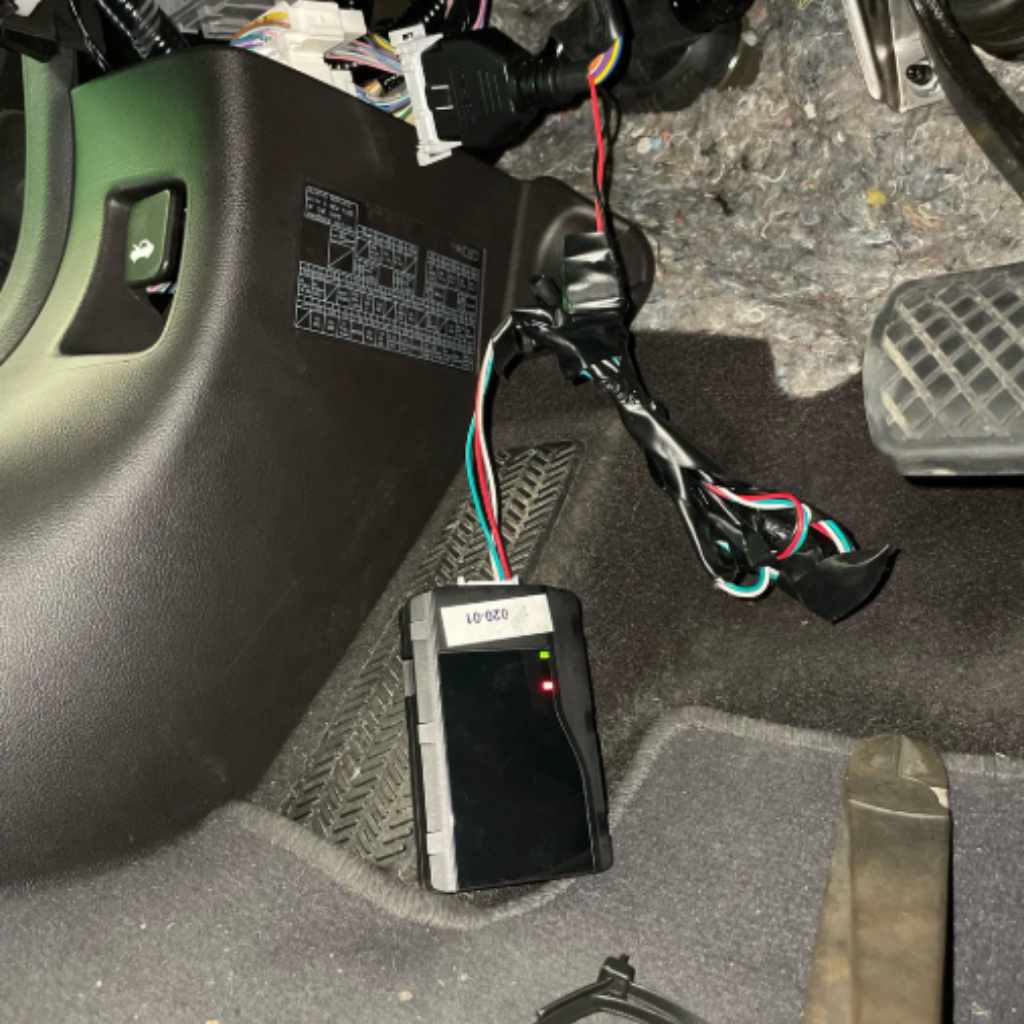
There is a range of GPS trackers available. Each has its own way of working and where it’s best placed. Choosing the right tracker is about knowing how each one works. Plug-in trackers are easy to use. They simply plug into the car’s OBD-II port, which is usually found under the dashboard. These are easy to set up and usually have basic features, like location tracking.
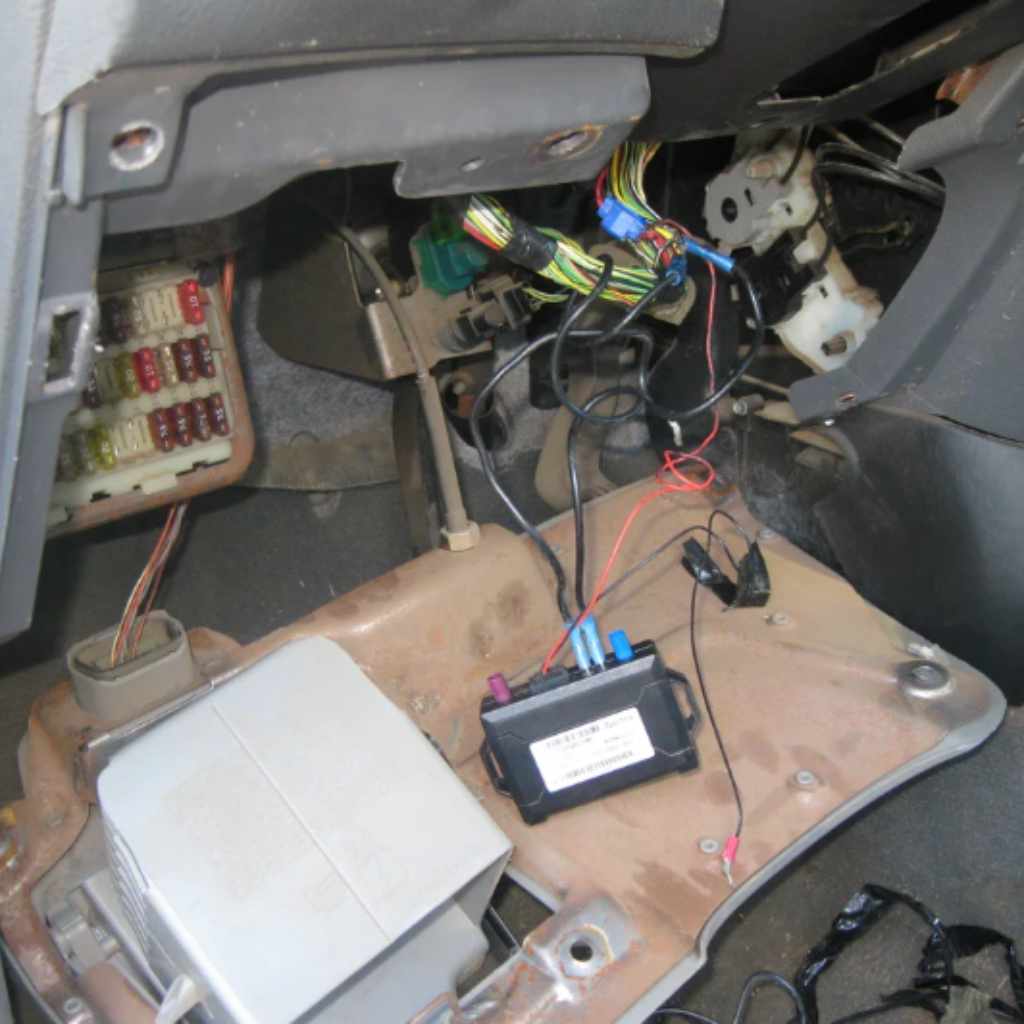
Hardwired trackers are installed directly into the car’s electrical system, offering more permanent and discreet options. These can be hidden in various locations. Asset trackers are often designed to be portable and attached with magnets or hidden in other spots. Finally, some trackers are built into the vehicle at the factory, forming a part of the car’s existing systems.
- OBD-II Trackers: These plug into the car’s diagnostic port, typically used for basic tracking.
- Hardwired Trackers: Professionally installed, offering a hidden and permanent tracking solution.
- Asset Trackers: Portable and often attached magnetically, easy to move between vehicles.
- Factory-Installed Systems: Integrated into the car’s systems by the manufacturer.
Understanding the variety of trackers available helps you understand where to find them and what steps to take. It also lets you prepare for the possible results of removing them.
Possible Consequences of GPS Tracker Removal
Taking out a GPS tracker can lead to a few different results, depending on why the tracker was in place and how it was removed. If the tracker was put in place by a lender to monitor a loan, removing it may violate the loan agreement. It can lead to the lender demanding the loan be paid immediately or repossessing the vehicle. Insurance companies may also place GPS trackers. Removing one could void your coverage, or impact your premiums.
If the tracker was part of a stolen vehicle recovery system, removing it could stop the car from being found if it’s stolen. There’s also the chance you could face legal trouble if the tracker was installed for surveillance or to monitor your behavior without your permission, depending on local laws. It is very important to consider all these elements before taking any actions regarding removing a GPS tracker from a car.
Legal and Contractual Issues to Consider
Removing a GPS tracker might bring you into conflict with the law or agreements. If you got a loan to buy the car and a tracker was installed as part of the deal, removing it could break the loan agreement. The lender put the tracker on to make sure they can find the car if you don’t keep up with payments. Taking it out could give them a reason to call in the loan or even take back the vehicle. Similarly, car insurance companies may use trackers for things like measuring how you drive or for discounts. Removing the tracker could break the policy, and you might lose your insurance coverage.
- Loan Agreements: Removing a tracker could breach the loan contract, leading to repossession.
- Insurance Policies: Removing a tracker installed by your insurance company may violate the policy terms.
- Privacy Laws: Depending on the location, removing a tracker that’s used for unauthorized surveillance may have legal issues.
- Vehicle Title and Ownership: You should make sure that you are the rightful owner of the car before you remove the tracker.
Checking your paperwork and the law is very important before doing anything about the tracker. If you are not sure, getting advice from a legal expert or the car’s lender could help.
Potential Implications for Vehicle Security
Removing a GPS tracker can have a big impact on your car’s safety. If the tracker was part of a system to get the car back if it was stolen, taking it out would make the car harder to find. This means thieves might find the car easier to get away with. With no tracker, the police or the car’s owner will find it much harder to find the vehicle. Without the ability to find the car, its chances of being recovered are reduced.
- Theft Recovery: Without a GPS, it will be more difficult to find and recover the car.
- Insurance Coverage: Removing the tracker could impact your insurance coverage, making it more expensive or voiding it.
- Deterrent Effect: GPS trackers can deter thieves, and removing it may make your car a more attractive target.
- Vehicle Monitoring: Trackers provide extra safety features like geofencing.
If you take out the GPS tracker, you could be losing out on valuable security measures. Consider these risks before deciding.
How to Identify and Remove a GPS Tracker Safely
If you’ve decided to remove a GPS tracker, you’ll need to know how to find it first. The places a tracker might be hidden can vary. Some trackers are obvious, like those that plug into the car’s OBD-II port. Others are hidden. You’ll need to carefully look around the car, including under the seats, inside the dashboard, and under the bumpers.
Removing the tracker correctly can prevent damage to the car or legal issues. After you find it, write down where it was and take pictures before taking it out. This helps in case you later need to prove where it was or what it was doing. If you are unsure, it’s a good idea to seek advice from an expert. The last thing you want is for a small problem to get bigger. Make sure the removal is legal and safe.
Finding the GPS Tracker: A Detailed Guide
Finding a GPS tracker can require some investigation. Start with the obvious places, like the OBD-II port. This is usually located under the dashboard on the driver’s side. Check any visible wires. Next, look under the seats. Trackers can be hidden under the seats or taped to the underside. Be sure to look in the glove box, center console, and under the carpets. Remove the floor mats to have a better view.
Also, don’t forget the outside. Look inside the bumpers, under the car, and around the wheel wells. Hidden trackers might be placed with a magnetic mount. Checking the fuse box and other electrical components can also be useful. Once you find it, observe the connection and take note of how it is attached.
- OBD-II Port: Check under the dashboard for a device plugged into this port.
- Under Seats: Look for devices taped or hidden under the seats.
- Inside the Dashboard: Hidden trackers are sometimes placed behind the dashboard.
- Under the Car: Trackers may be attached to the underside of the vehicle.
- Wheel Wells: Check inside the wheel wells for hidden devices.
Taking your time and checking all these areas can help you find any trackers that are hidden in your car.
Step-by-Step Instructions for Safe Removal
Once you’ve found the GPS tracker, removing it requires a cautious approach. Before you do anything, take pictures of the tracker and the way it is set up. This documentation is useful if you need to show where the tracker was later on. Then, note how it is attached, such as the wires or the type of mount. Unplug the tracker carefully, if applicable. If it’s hardwired, you might need to disconnect wires. To do this, you might need a special tool like wire strippers or a small screwdriver.
After disconnecting the wires or removing the tracker, make sure to safely cover any open wires with electrical tape to avoid short circuits. Put the tracker and any parts back where they came from. Consider getting help from a professional if you’re not confident. If you are not sure, it is best to ask an expert for guidance.
- Document the Tracker: Take photos and write down how the tracker is installed.
- Disconnect Power: If it is plugged in, unplug it gently.
- Unwire (If Applicable): If hardwired, disconnect wires with care.
- Secure Loose Wires: Cover any exposed wires with electrical tape.
- Remove and Store: Take out the tracker and store it safely, or discard it following local regulations.
Following these steps will help you take out the GPS tracker without causing problems.
Legal and Ethical Considerations
Before you remove a GPS tracker, it is important to think about the law and what’s fair. If you’re the car owner, you usually have the right to remove a tracker. But, if the car has a loan, or the tracker is there for some other purpose, taking it out could mean trouble. Always check any loan documents or other agreements related to the car. If you have questions about whether you can remove the tracker, it’s best to ask a lawyer or someone who knows the law.
If the tracker was placed on the car without your permission, and you did not know it was there, it could also be against the law. In these situations, removing the tracker might be your best choice. However, consider if there are other steps you should take, such as getting legal help. Knowing the legal situation can help you stay out of trouble.
Privacy and Surveillance Laws
Privacy laws vary by location, but they generally protect you from secret surveillance. If someone is tracking your car without your permission, it could be a privacy issue, especially if they are collecting data about your movements. Some jurisdictions have strict rules on when and how GPS trackers can be used. These rules often require the consent of the person being tracked.
If you think a GPS tracker has been used to watch you without permission, you may have legal choices. The exact laws depend on where you live. For example, some places need a warrant before placing a tracker on a car. Finding out what the local rules are can help you understand your rights and the legal possibilities. This can also help you determine the actions to take when finding an unknown tracker on your vehicle.
- Consent Requirements: Tracking usually requires consent, especially in private settings.
- Warrant Requirements: Law enforcement may need a warrant to use GPS trackers.
- Data Usage Restrictions: There may be rules on how the collected data can be used.
- Remedies for Violations: You may be able to take legal action if your privacy has been violated.
Being informed about privacy laws can help you protect yourself against unwarranted surveillance.
Ethical Implications of Tracker Removal
Beyond legal issues, there are ethical things to consider before you take out a GPS tracker. If you bought the car and someone you know placed the tracker to help with something like theft recovery, you might want to talk to them first. The ethical thing to do is to know why the tracker is there and whether your actions can cause harm or issues for others.
Also, if you are thinking of removing a tracker, it is good to think about why the tracker was put in place. Were the reasons for placing the tracker ethical in the first place? If it’s a matter of safety or a legitimate agreement, the ethical option may not always be easy. Thinking about these ethical things helps to guide your choices and to make sure that you are doing the right thing.
The use of GPS trackers can raise questions about privacy and trust. When removing a tracker, weighing the ethical things can help ensure responsible decisions.
Alternatives and Next Steps
Instead of just removing a tracker, you might have other options. If you’re concerned about your privacy, you might talk to the person who put the tracker on your car and talk about your worries. Maybe they can take out the tracker, or you could reach an understanding. If the tracker is there because of a loan or insurance, talk to your lender or insurer. They might let you take the tracker out under certain conditions or explain what could happen if you do.
Before doing anything, be sure you understand what the law says and whether you should get legal advice. Also, think about the possible consequences of the actions you want to take. Being informed and proactive is key to making the best choices for your situation.
Alternative Actions to Consider
If you’re unsure about removing the GPS tracker, other options are available. Start by learning why the tracker is there. If the tracker is part of a loan, contact the lender. They can provide details about the contract and what is permitted. Likewise, if the tracker is related to insurance, contact the insurance company. They might change your policy if you take it out.
If the tracker is there without your knowledge, think about talking to the person who placed it. If that is not possible or safe, think about getting advice from a lawyer. They can help you understand your rights and the law. Another choice could be to secure your car with extra safety measures, like alarms or steering wheel locks. Weighing all the possibilities can help you make a decision.
- Communication: Talk with the person or entity responsible for the tracker.
- Legal Advice: Consult with an attorney to understand your rights.
- Security Upgrades: Implement alternative security measures for your car.
- Review Contracts: Examine loan, insurance, and other related agreements.
Thinking about these options can give you more ways to deal with your problem, and give you control.
Seeking Professional Advice
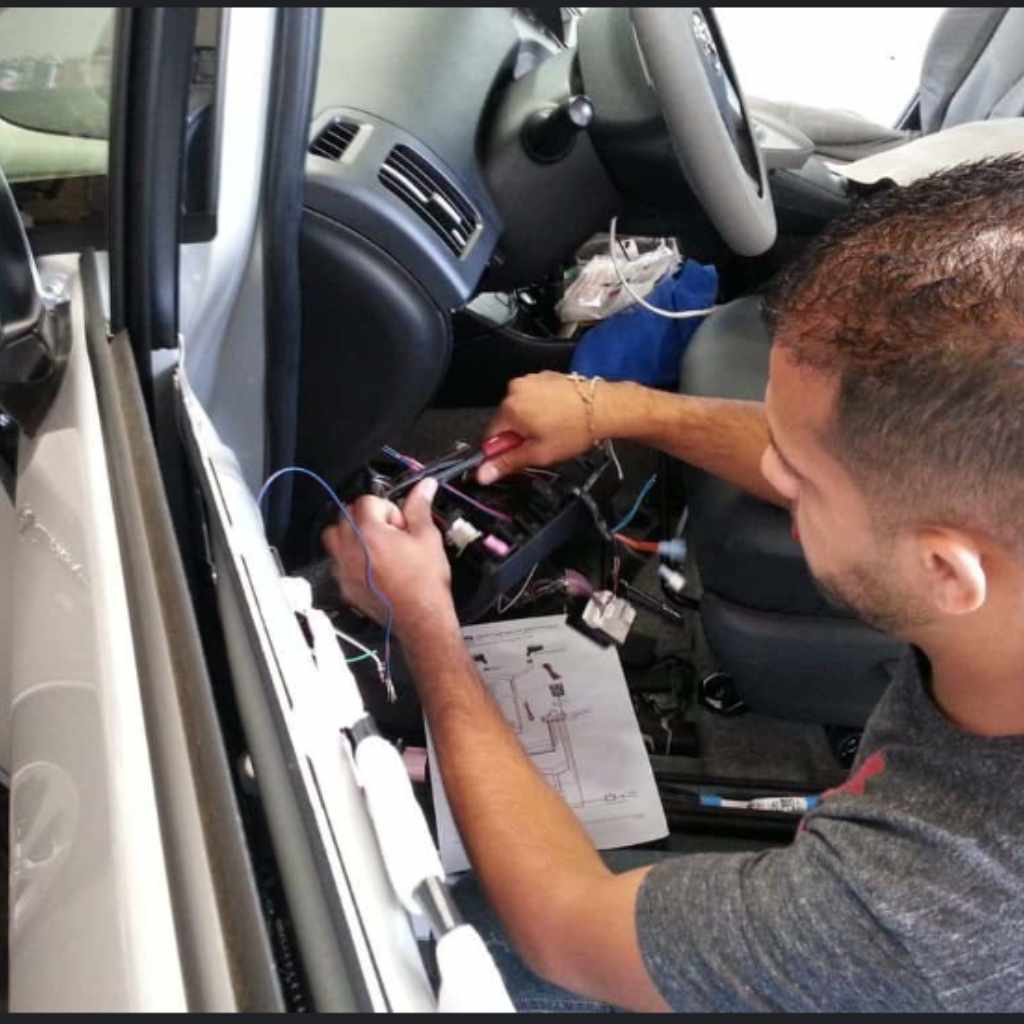
If you’re unclear about what to do, getting expert advice is recommended. An attorney who knows about privacy and car loans can assist you in understanding the laws and any legal issues. A qualified mechanic can help you find and remove the tracker safely. They can make sure that no car parts are damaged in the process. Depending on the reasons for the tracker, speaking with your lender or insurance agent can also be useful. They can advise you on how your actions could affect your agreement with them.
When getting expert advice, be ready to explain the situation clearly and give them copies of any documents you have. A trained professional can provide personalized advice based on your circumstances. Take the advice to make sure your choices are informed and keep you protected.
Before you remove the tracker, seeking help will help you deal with the issues and prevent possible issues. Remember, your safety and rights are important.
Frequently Asked Questions
Question: Is it legal to remove a GPS tracker from my car?
Answer: It depends. If you own the car outright and the tracker was installed without your knowledge or consent, you may be able to remove it. However, if the tracker is part of a loan agreement or insurance policy, removing it could be a violation of those agreements. Always review your contracts and local laws.
Question: What happens if I remove a GPS tracker from a car I’m leasing?
Answer: Removing a tracker from a leased vehicle is likely against the lease terms. The leasing company uses these trackers to monitor the vehicle’s location. This could lead to penalties, including fines or repossession of the vehicle. You’re required to follow the lease’s terms, so check your paperwork.
Question: Could I be sued if I remove a GPS tracker?
Answer: It’s possible. If the tracker’s presence is linked to a contract you violated (like a loan or insurance agreement), the lender or insurer might sue you for breach of contract. Unauthorized removal of a tracker could also have legal consequences, especially if it was used for stalking or another illegal purpose.
Question: How can I tell if a GPS tracker is hidden in my car?
Answer: Look in common places, such as the OBD-II port, under the seats, in the glove compartment, and inside the bumpers. Also, examine the wheel wells and under the car. If you have any doubts, consider asking a mechanic or a car security expert to do a thorough check for you.
Question: If a GPS tracker has been removed, can the information be recovered?
Answer: It depends on the tracker and its data storage. Some trackers store data, and depending on the device, it might be possible to recover it. However, if the data has been deleted or the device is destroyed, recovery could be difficult or impossible.
Final Thoughts
The decision of What Happens If You Remove a GPS Tracker on Your Car? depends on a lot of things. Taking it out might be easy, but there are legal and security things you should think about. Before you take any action, be sure you know why the tracker is in your car and whether you are legally able to remove it. If you have a loan or an insurance policy, it is important to review the paperwork to know the contract rules.
Knowing the laws about privacy and surveillance helps you protect yourself. Always consider the ethical things and think about the best plan of action. Should you find a tracker, start by exploring your options, and if you are unsure, ask an expert. By thinking about each step, you can make the right decisions and protect your rights and your car. Stay informed, stay safe, and be prepared for anything.