What Happens When a Car Runs Out of Oil? A Complete Guide
Hey there! So, you’re curious about what happens when a car runs out of oil? I get why you’d want to know—it’s one of those things that can make any driver nervous. I remember the first time I saw my oil light flash on my old sedan; my heart sank, and I wondered if my engine was toast. Over the years, I’ve learned a ton about car oil, from checking levels to dealing with low oil disasters. I’ve even helped a friend whose car got dangerously low on oil during a road trip.
In this guide, I’m going to walk you through everything I’ve discovered about what happens when a car runs out of oil, why it’s such a big deal, and how to prevent it. It’s like we’re sitting in your driveway, chatting about your car’s engine. Let’s dive in and keep your ride safe!
Why Oil Is So Important to Your Car
Let’s start with the basics. Oil is like the lifeblood of your car’s engine. It lubricates all the moving parts, like pistons and crankshafts, so they don’t grind against each other. I think of it as a slippery cushion that keeps everything running smoothly. Without oil, those metal parts would rub together, create heat, and wear out fast.
Oil also cools the engine by carrying heat away from hot spots. It cleans out dirt and gunk, too, keeping the engine happy. I learned this when I saw how dirty my oil got after 5,000 miles—it was like a muddy river! If your car runs out of oil, it can’t do these jobs, and that’s when trouble starts. Let’s look at what happens when the oil runs dry.
What Happens When Your Car Runs Out of Oil
Running out of oil is a nightmare for your engine. Here’s what I’ve learned about what goes down when there’s no oil left:
Increased Friction and Heat
Without oil, the engine’s metal parts start rubbing together. This creates a ton of friction and heat. I saw this happen to a friend’s car—it started making a loud knocking noise because the pistons were grinding against the cylinders. The heat can get so intense that parts warp or melt. It’s like trying to run a marathon without water—things break down fast.
Engine Wear and Damage
The lack of lubrication causes serious wear. Parts like bearings and camshafts start to grind down. I helped a buddy check a car that ran low on oil, and the bearings were so worn they looked like they’d been sanded. This damage adds up, and soon the engine can’t work properly. Small problems turn into big ones in no time.
Engine Seizure
If you keep driving with no oil, the engine can seize up completely. This means it stops moving because the parts get too hot and stick together. I read about a guy whose truck seized on the highway—it was like the engine turned to stone. Once this happens, the engine is often beyond repair. It’s the worst-case scenario.
Warning Signs
Your car will try to warn you before it’s too late. The oil pressure warning light (usually a little oil can icon) will come on. I ignored this once in my old car, thinking I could make it home, and it cost me $500 in repairs. You might also hear knocking or grinding noises, or the engine might feel sluggish. If you notice these, pull over right away.
How Symptoms Show Up Before You Run Out
Your car doesn’t just run out of oil without warning—there are clues. I’ve seen these signs in my cars and learned to act fast:
Oil Pressure Warning Light
This is the first red flag. It means your oil level or pressure is too low. I got this light on my SUV once, and it turned out I had a slow leak. Check your dashboard—if the oil light is on, don’t drive until you add oil.
Strange Engine Noises
Low oil can make your engine sound like it’s knocking or ticking. I heard this in my sedan when I was late for an oil change. It’s the sound of metal parts rubbing without enough lubrication. If you hear it, stop driving and check the oil.
Overheating Engine
Without oil to cool things down, the engine gets too hot. I noticed my temperature gauge creeping up once when my oil was low. If your car’s running hotter than usual, oil could be the problem.
Poor Performance
Low oil can make your car feel sluggish or lose power. I felt this in my truck—it was like it didn’t want to accelerate. If your car’s not driving right, check the oil level before assuming it’s something else.
Why Does a Car Run Out of Oil?
Cars don’t just lose oil for no reason. I’ve dealt with a few causes myself, and here’s what I’ve learned:
Oil Leaks
A leak is the most common culprit. Gaskets, seals, or the oil pan can develop cracks or wear out. I found a puddle of oil under my car once—it was a leaky valve cover gasket. Even small leaks can drain oil over time.
Burning Oil
Some engines burn oil, especially older ones. It happens when oil gets past the piston rings and burns in the combustion chamber. My friend’s 15-year-old car burned oil, and we had to top it off every month. You might see blue smoke from the exhaust if this is happening.
Missed Oil Changes
Skipping oil changes can cause oil to break down or get used up faster. I learned this the hard way when I stretched an oil change too long, and my engine started losing oil. Regular changes keep levels steady.
Faulty Oil Pump
The oil pump circulates oil through the engine. If it fails, oil doesn’t flow, even if the level is fine. This is rare but serious. I helped a friend diagnose a bad pump—it was why his car kept losing oil pressure.
How to Check Your Car’s Oil Level
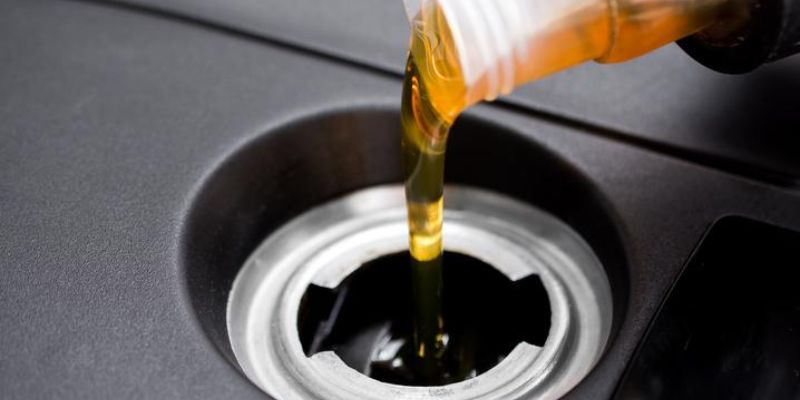
Checking your oil is super easy and prevents running out. I do this every month, and here’s how I do it:
Step 1: Park on Level Ground
Make sure your car is on a flat surface. I park in my driveway to get an accurate reading.
Step 2: Turn Off the Engine
Let the car cool for 5-10 minutes so the oil settles. I learned this after checking right after driving and getting a wrong reading.
Step 3: Find the Dipstick
Pop the hood and look for the dipstick—usually a loop or handle near the engine. My SUV’s is bright yellow and easy to spot.
Step 4: Check the Level
Pull out the dipstick, wipe it clean with a rag, and stick it back in. Pull it out again and look at the marks. If the oil is between the “low” and “full” lines, you’re good. I had to add a quart once when it was near the low mark.
Step 5: Add Oil if Needed
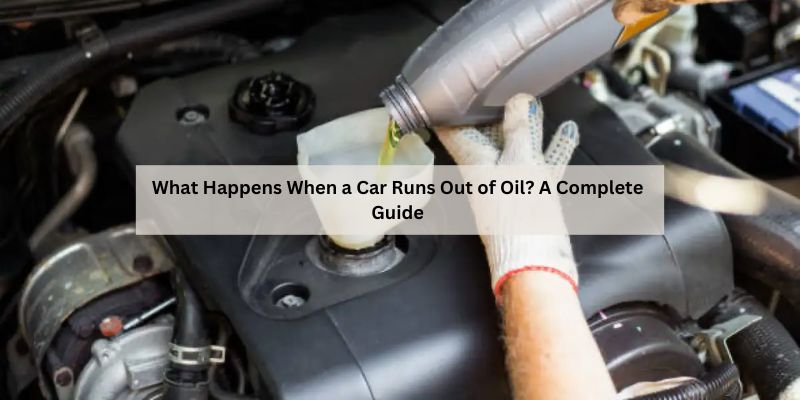
If it’s low, add the right type of oil (check your manual). I keep a quart of 5W-30 in my garage for my SUV. Pour a little, wait, and check again.
What to Do If Your Car Runs Low on Oil
If you notice low oil or warning signs, act fast. Here’s what I do:
Stop Driving
Pull over safely if you see the oil light or hear noises. I made the mistake of driving a few miles with the light on, and it damaged my engine. Turn off the car to avoid more harm.
Check the Oil Level
Use the dipstick to see how low it is. I carry a spare quart of oil in my trunk for emergencies. If it’s empty, don’t drive until you add oil.
Add Oil
Pour in the right oil type slowly, checking the level as you go. I added two quarts to my friend’s car once, and it saved the engine from seizing.
Look for Leaks
Check under the car for oil puddles. I found a leak under my sedan by sliding a piece of cardboard underneath overnight. If you see one, get it fixed soon.
Get to a Mechanic
Even if you add oil, low levels mean something’s wrong. I took my SUV to a shop after a low oil incident, and they found a bad seal. A pro can diagnose leaks or other issues.
Costs of Running Out of Oil
Running out of oil can get expensive. Here’s what I’ve seen based on my experience:
| Issue | Cost Range |
|---|---|
| Adding oil (DIY) | $5-$20 per quart |
| Leak repair | $100-$500 |
| Oil pump replacement | $300-$1,500 |
| Engine repair | $1,000-$5,000 |
| Engine replacement | $3,000-$10,000+ |
I spent $150 to fix a leak in my sedan, but a seized engine could’ve cost me $5,000. Catching it early saves a ton of money.
How to Prevent Running Out of Oil
Prevention is way easier than dealing with damage. Here’s what I do to keep my cars safe:
Check Oil Regularly
I check my oil every month or before long trips. It takes five minutes and catches problems early.
Stick to Oil Changes
Change your oil every 5,000-7,500 miles, or as your manual says. I get mine done at a shop for $50, and it keeps the engine healthy.
Fix Leaks Fast
If you see oil spots or low levels, get it checked. I fixed a $100 leak in my truck before it drained the engine.
Use the Right Oil
Always use the oil type and viscosity your car needs. My SUV takes 5W-30, and using the wrong kind can cause problems.
Watch for Warning Signs
Pay attention to the oil light, noises, or performance issues. I caught a low oil problem early because I noticed a ticking sound.
Long-Term Effects of Running Out of Oil
Even if you catch low oil before a seizure, there can be lasting damage. I learned this when my sedan’s engine started burning oil after a low oil incident. Worn bearings or seals can make the engine less efficient, leading to more repairs. In the worst case, you might need a new engine, which I saw cost a friend $6,000. Regular maintenance is the best way to avoid this.
Why Oil Maintenance Is Worth It
Keeping up with oil checks and changes isn’t just about avoiding disasters—it’s about saving money and keeping your car reliable. I’ve kept my SUV running strong for 150,000 miles by staying on top of oil. It’s also safer, since a seized engine can leave you stranded. I feel better knowing my car won’t let me down on a road trip.
Conclusion
There you have it—everything you need to know about what happens when a car runs out of oil! I hope this guide has shown you why oil is so critical, what goes wrong without it, and how to keep your engine safe. From checking your dipstick to fixing leaks fast, you’re now ready to avoid oil-related disasters. I still remember the panic of seeing my oil light flash, but knowing what to do made all the difference. So, grab a rag, check your oil, and keep your car running smoothly. Got more questions? Check out the FAQs below, or drop a comment on the blog—I’d love to hear how you’re keeping your engine happy!
FAQs
What’s the first sign my car is low on oil?
The oil pressure warning light is usually the first clue. I saw it on my SUV when I leaked. Check your oil level right away if it comes on.
Can I drive if my car is low on oil?
It’s risky. Driving with low oil can damage the engine fast. I drove a short distance once and regretted it—add oil first or get to a shop.
How often should I check my car’s oil?
I check mine every month or before long trips. It’s quick and catches problems early. Do it more often if you suspect a leak.
What causes a car to run out of oil?
Leaks, burning oil, or skipping oil changes are the main reasons. I found a leaky gasket under my sedan that was draining oil slowly.
How much does it cost to fix an engine that ran out of oil?
It depends, but repairs can cost $1,000-$5,000, and a new engine might be $3,000-$10,000. I spent $150 on a leak fix to avoid worse damage.