What is a Crossover for Car Audio: Boost Your Sound Quality
Imagine driving down the road, windows down, your favorite song playing through the car speakers, enveloping you in a wave of sound so crisp and clear that it feels like a live concert. Ever wondered how you can fine-tune your car audio system to achieve that perfect harmony?
That’s where crossovers come into play. A crossover for car audio is an essential component that can transform your listening experience, making your music sound richer and more balanced. But what exactly is a crossover, and why should you care?
If you’re serious about elevating your in-car audio experience, understanding crossovers is a game-changer. Dive into this article to uncover how crossovers can revolutionize the way you listen, ensuring every drive is filled with unmatched sonic bliss.
Credit: www.skaraudio.com
Understanding Car Audio Crossovers
Crossovers help split sound signals. They send high sounds to tweeters. Low sounds go to woofers. This makes music sound clear. It stops speakers from breaking. Your music will sound better with crossovers. They keep sounds clean and reduce distortion. Different speakers work together well. They make every sound part clear.
Crossovers come in two types: passive and active. Passive crossovers do not need power. They use capacitors and coils. They are easy to use. Active crossovers need power. They use electronic circuits. They let you control more. Active types are often in high-end systems. Choose the right one for your car. It depends on your audio needs. Both types improve sound.
How Crossovers Enhance Sound Quality
Car audio crossovers divide audio signals into different frequency ranges. This separation ensures each speaker handles the right frequencies. As a result, sound clarity and quality improve, offering a richer listening experience.
Frequency Management
Crossovers divide sound into different frequency ranges. High sounds go to tweeters. Mid sounds go to midrange speakers. Low sounds go to woofers. This prevents sounds from mixing poorly. Each speaker gets the right sounds to play. Clearer soundis the result. Music sounds better. Voices sound clearer. Crossovers make listening enjoyable.
Improved Speaker Performance
Speakers perform better with crossovers. They handle sound more efficiently. Less stress on speakers means longer life. They produce clean soundwithout distortion. Even at high volumes, sound remains clear. Crossovers protect speakers from damage. They ensure each speaker plays only sounds it is designed for. This keeps sound quality high. Enjoy music with rich and clear audio.
Types Of Car Audio Crossovers
Passive crossovers are simple to use. They do not need any power source. These crossovers divide sounds. They send high sounds to tweeters. Low sounds go to woofers. This helps in getting clear sound. No need for extra power means easy setup. But, they can lose some sound quality. Still, they are good for beginners.
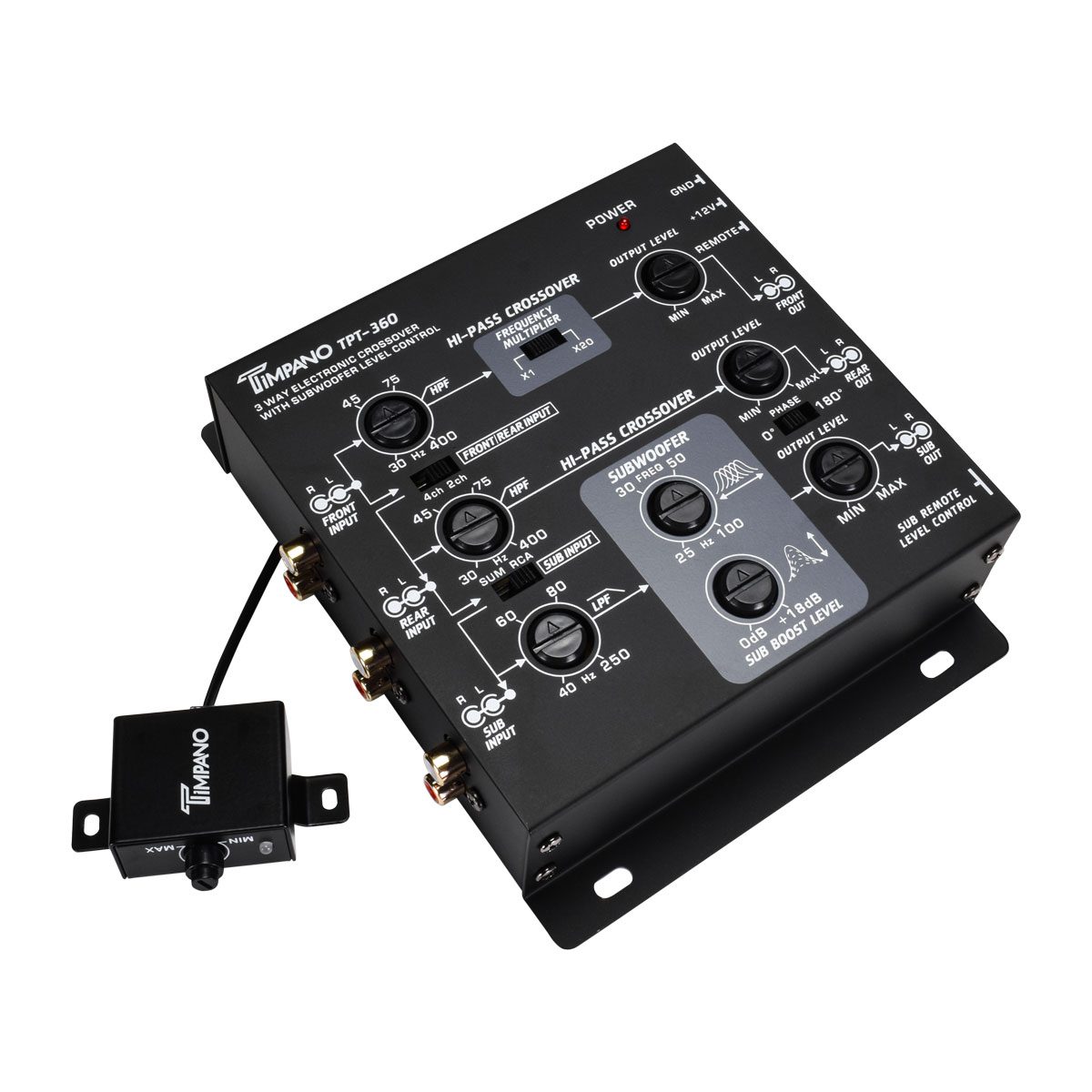
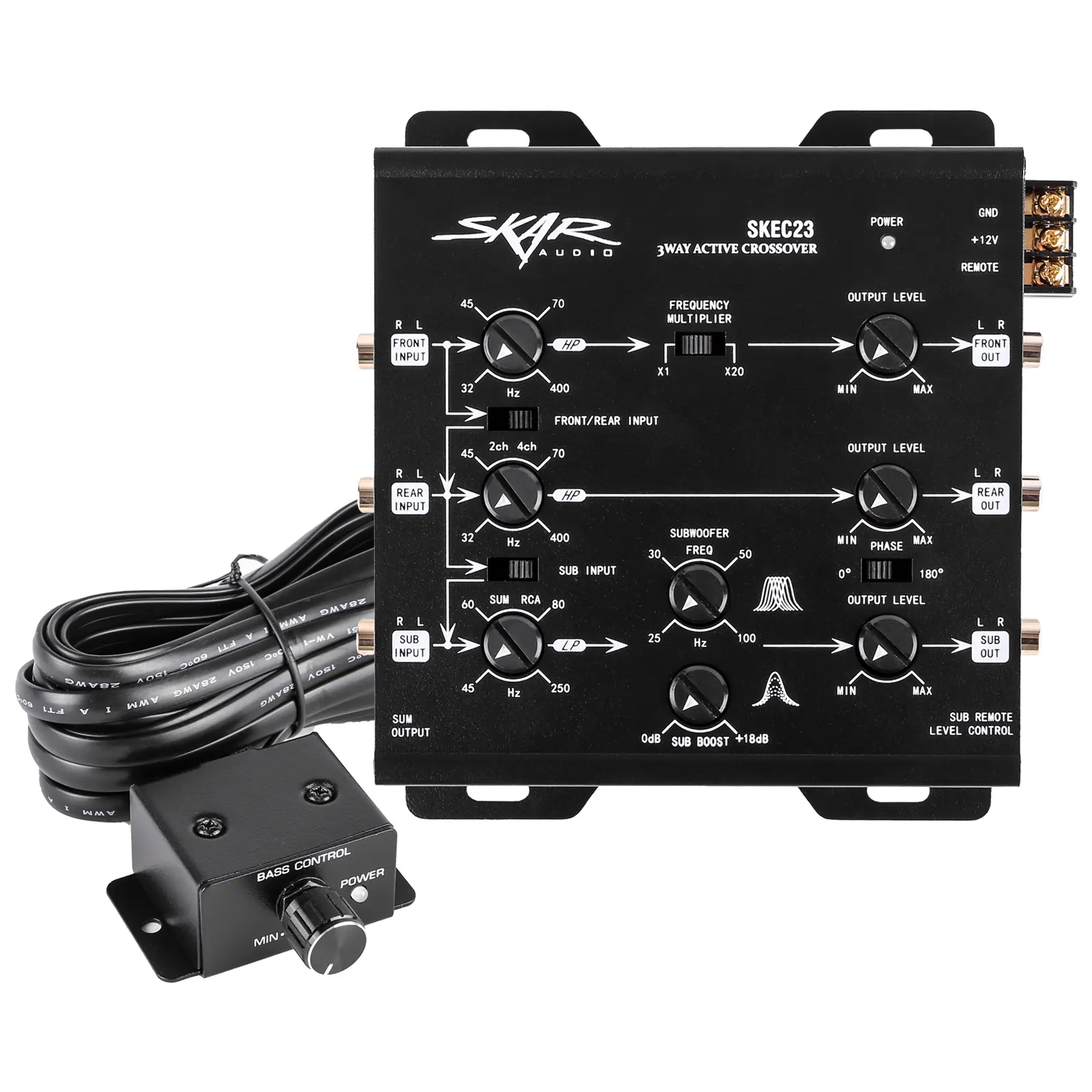
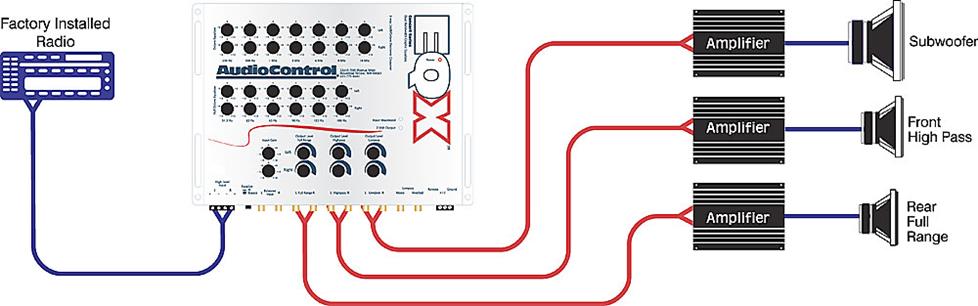
Active crossovers need power to work. They provide more control over sound. You can adjust frequencies. This helps in getting better sound. Active crossovers are often used in big sound systems. They are more complex than passive ones. But they give better performance.
Digital crossovers use digital signals. They offer the best sound quality. You can adjust them using a computer or phone. They are very flexible. You can change settings quickly. Digital crossovers are great for tech lovers. They provide precise control. But they can be costly.
Choosing The Right Crossover
Start by thinking about your audio preferences. Do you like strong bass or clear vocals? Different crossovers help with different sounds. Some crossovers make bass sound better. Others help with high notes. Choose the one that fits your music style.
Check if the crossover works with your car’s system. It should match the power levelsof your speakers. Some cars have built-in systems. Others need extra parts. Make sure the crossover fits in your car. Also, think about the spaceavailable in your car. A big crossover might not fit in a small car.
Installation And Setup Tips
Crossover devices in car audio systems direct specific sound frequencies to the appropriate speakers. Proper installation ensures clear sound quality. Carefully adjust settings for bass, midrange, and treble to achieve the best audio performance.
Wiring Guidelines
Crossover wiring must be done carefully. Use high-quality wires for connections. Connect the crossover to the amplifier first. Ensure the power is off during setup. Double-check all connections. Avoid loose wires and messy cables. Keep wires organized and neat. This helps in preventing issues later. Secure all wires firmly. Use cable ties if needed. Check for interference from other devices. Keep wires away from metal parts. This prevents noise issues. Testing each connection is crucial.
Calibration Techniques
Calibrate the crossover properly. Begin by adjusting frequency settings. Each speaker should have the correct frequency range. Use a sound meter to measure output. Adjust settings until sound is balanced. Listen to different music tracks. This helps find the best sound. Make small changes each time. Fine-tune settings for clarity. Avoid extreme settings. Keep volume levels moderate. Check for distortion in sound. Recheck settings regularly. Adjust as needed for best performance.

Credit: www.amazon.com
Troubleshooting Common Issues
A crossover for car audio divides sound signals into different frequency ranges. It sends low frequencies to subwoofers and high frequencies to tweeters. This ensures clear sound quality and prevents distortion, enhancing the overall listening experience in your vehicle.
Identifying Sound Distortions
Sound can feel off sometimes. Distortions are common in car audio. Listen carefully for any strange sounds. Sounds like buzzing or crackling. These are signs of distortion. Check your speaker settings. Make sure they are not too high. Speakers should not be overworked. Overworking can cause distortion. Adjust the volume to a safe level.
Fixing Connectivity Problems
Connections can get loose. Wires might not be plugged in well. Check all the cables. Make sure they are tight. A loose wire can break sound. Look at your audio device settings. Settings should be correct. Wrong settings can cause problems. Try restarting your audio system. Sometimes a restart helps fix issues.
Future Trends In Car Audio Crossovers
Technology makes car audio systems better. Crossovers are a key part. New features help us hear clear sounds.
Digital crossovers offer more control. They adjust sound for different car spaces. New devices are smaller but strong. They fit in any car.
Cars now connect with smart devices. Smart systems allow you to control audio with your phone. Commands can be given by voice, too.
These systems sync with other apps. It makes your drive more fun. You can get updates and new features easily.
Credit: www.crutchfield.com
Frequently Asked Questions
What Is A Car Audio Crossover?
A car audio crossover is an electronic device. It splits audio signals into different frequency bands. This ensures each speaker receives the appropriate frequencies. Crossovers improve sound quality by reducing distortion. They enhance the overall listening experience in your car.
How Does A Crossover Work In Car Audio?
A crossover divides audio signals into high, mid, and low frequencies. It sends these frequencies to the right speakers. Tweeters receive high frequencies, woofers handle low ones. This division prevents speakers from playing frequencies they can’t handle. It results in clearer sound quality.
Why Use Crossovers In Car Audio Systems?
Crossovers enhance audio clarity by directing frequencies to the right speakers. They prevent speakers from distorting by handling sounds they’re not designed for. This improves overall sound quality and system efficiency. It’s essential for optimal audio performance in your car.
Are There Different Types Of Audio Crossovers?
Yes, there are passive and active crossovers. Passive crossovers don’t need external power. They are simple and cost-effective. Active crossovers require external power and offer more control. They allow for precise tuning and better sound quality. Each type has its advantages based on user needs.
Conclusion
Car audio crossovers are vital for sound quality. They separate audio signals. This ensures each speaker gets the right frequencies. Better sound is the result. Understanding crossovers helps you choose the right system. It improves your listening experience. Whether you love music or podcasts, crossovers matter.
Investing in a good crossover enhances your car audio. Clear and balanced sound makes every drive enjoyable. So, next time you upgrade, consider a crossover. Your ears will thank you. Enjoy clearer, richer sound on the road.