Best Car Seat Covers for Comfort (2026): We Compared
The best car seat covers fit your climate and seat features: breathable mesh for hot weather, padded neoprene or leatherette for comfort, and airbag-safe, exact-fit patterns for safety. Pick the wrong set and you get slipping fabric, trapped heat, blocked seat airbags, and covers that wear out fast. This guide ranks top picks for daily drivers, families, and winter or summer use by comfort, style, fit, and compatibility.
Quick comparison
| Product | Badge | Best for | Price | ||
|---|---|---|---|---|---|
 |
CAR PASS 3D Foam PU Leather Car Seat Covers, Universal SeatCAR PASS | Our pick | 3D Foam PU · Nappa Leather · Black Red | $73.91
Price as of 16 Oct 2026
|
View |
 |
VSHIELD Waterproof Neoprene Car Seat Cover, SweatproofVSHIELD | Also great | Neoprene · Sweatproof · Front or Rear | $33.96
Price as of 16 Oct 2026
|
View |
 |
Coverado Car Seat Covers Full Set, Luxury Leather Car SeatCoverado | Upgrade pick | 5-Seat Set · Mesh Panels · Black Gray | $67.05
Price as of 16 Oct 2026
|
View |
Use the comparison table to line up fit type, material, and cleanup needs before you buy. The cheapest cover is not the best value if it wrinkles, slips, or blocks a split rear seat.
How we chose
We compared fit type, cabin climate comfort, cleaning burden, safety compatibility, and installation complexity. We also favored options with clear support for headrests, side airbags, heated seats, or split rear benches when the product details supported it.
Compatibility matters more than a generic “universal” label. A good cover should match your seat layout, your weather, and your use case, whether that means pets, kids, long commutes, or a lease you want to keep clean.
CAR PASS 3D Foam PU Leather: best for comfort and style
This is the strongest all-around pick for drivers who want a cushioned look with a more premium cabin feel. Based on the manufacturer’s specs and published details, the 3D Foam PU build and Nappa leather finish point to better padding and a more dressed-up appearance than basic cloth covers.
It fits best if you want a full-set look for a truck, SUV, or sedan and value water resistance and stain resistance more than summer breathability. The tradeoff is heat retention in very hot cabins, since faux-leather surfaces can feel warmer than cloth or mesh after the car sits in the sun.
Airbag compatibility and easy headrest adjustment are useful for newer vehicles. The likely weak point is climate comfort: in long, hot commutes, this style usually needs good cabin cooling before it feels pleasant.
VSHIELD Waterproof Neoprene: best for wet-weather protection
This is the practical choice for families, pet owners, and drivers who want sweat protection with a softer, more flexible feel than hard leatherette. The wetsuit-grade fabric, anti-slip backing, and adjustable elastic straps make it a strong universal option for front buckets or a rear bench.
It stands out when spills, damp clothes, or muddy gear are part of daily use. Neoprene is usually more comfortable than fully waterproof leather-style covers because it offers some give, but it can still run warm in midsummer if your cabin has poor airflow.
The drawback is fit precision. Universal neoprene covers can wrinkle or shift if the seat shape is unusual, and the included bonus seat belt cover is more of an accessory than a fit solution.
Coverado full set: best for breathable premium protection
This is the best fit for drivers who want a more upscale look with better airflow than a solid faux-leather wrap. The mesh panels should help comfort in warm weather, while the waterproof leather sections add protection against snow, rain, and spills.
It is sold as a full set for five seats, so it suits owners who want a consistent look across front and rear rows. The main compromise is that hybrid designs can clean differently by section, and a full set usually takes longer to install than a simple front pair.
For shoppers balancing style and protection, this is the strongest premium-leaning choice in the list. The downside is that full-set coverage can expose compatibility issues faster if your rear bench uses a split configuration or unusual headrest layout.
What seat cover material works best in hot weather?
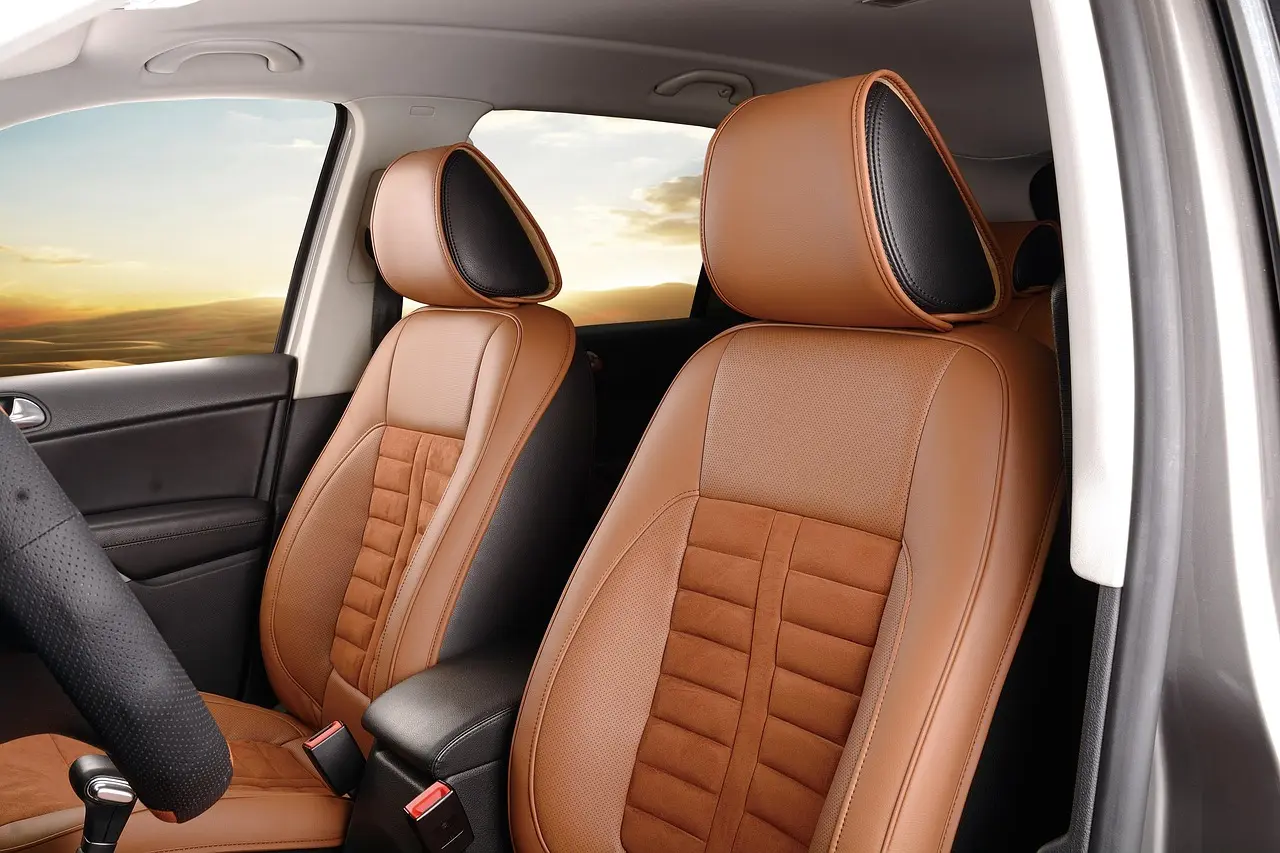
For hot weather, breathable cloth and synthetic linen blend covers usually feel cooler than faux leather, waterproof vinyl, or thick foam-backed designs. If your cabin gets parked in direct sun, choose a material that moves air and dries quickly instead of one that traps heat against your back and thighs.
Breathable cloth versus synthetic linen blend
Cloth is the safest comfort-first pick for long summer drives because it tends to stay cooler to the touch. A synthetic linen blend can be even more summer-friendly if the weave is open and the cover is cut to avoid bunching under your shoulders or seat belt path.
Inch Empire Cloth Seat Covers use a synthetic linen blend designed to stay cool in warm weather, which makes that material type a logical benchmark for hot climates. By contrast, faux leather and some waterproof shells often need more cabin cooling before they feel pleasant.
Duckweave for durability and airflow
Duckweave sits in a useful middle ground. It is tougher than many soft cloth covers, but it still breathes better than sealed leather-look materials, so it works well for commuters who want durability without the sauna effect.
Carhartt SeatSaver Custom Seat Covers are made from traditional duckweave fabric, which is why they fit the “durable but not slick” category. That said, duckweave can feel firmer than padded options, so comfort is more about support and less about softness.
What to avoid if your cabin gets very hot
If your car bakes in the sun, avoid thick, non-breathable covers unless you specifically need waterproofing or heavy-duty spill protection. Fully sealed faux leather and dense foam-backed designs often hold heat longer, and they can feel sticky on bare skin during the first few minutes of a drive.
A common first-timer mistake is buying a waterproof cover for a hot commute and expecting it to feel cool. Suppose you park outside in July, then drive 25 minutes across town: a waterproof shell may protect the seat, but your back can still feel warm and damp until airflow catches up.
Are custom-fit seat covers worth it?
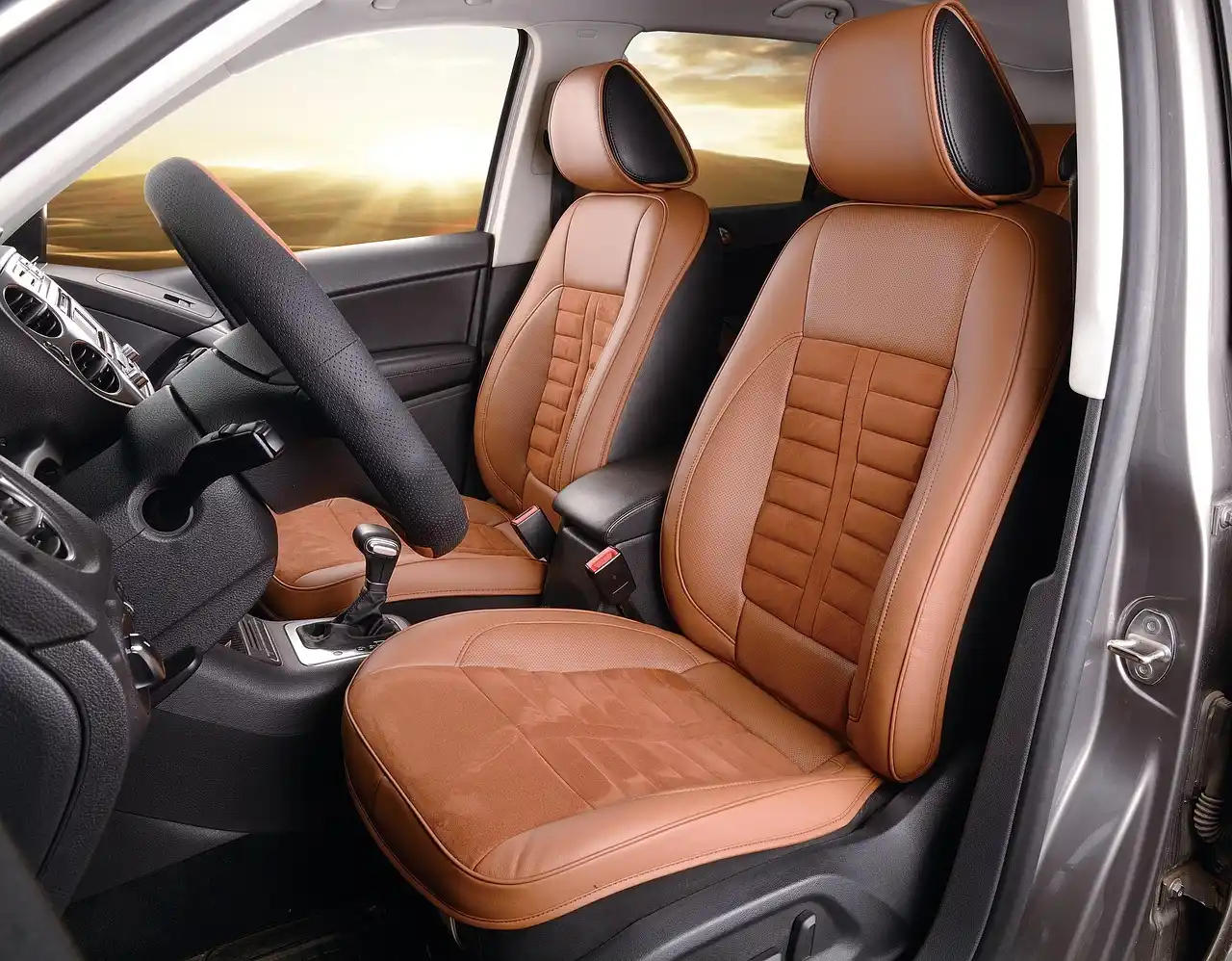
Yes, if your vehicle has side airbags, heated seats, ventilated seats, or a split rear bench, custom-fit covers usually earn their keep by fitting more cleanly and interfering less with controls. Universal covers can be fine for older cars or temporary use, but they are more likely to wrinkle, slip, or bunch at the bolsters.
Custom fit versus universal fit
Custom-fit covers contour better around headrests, bolsters, and seat controls, so they usually look cleaner and stay put longer. Universal covers are faster to buy and often cheaper, but they depend more on straps, hooks, snaps, and elastic tension to stay aligned.
That difference shows up in daily use. A cover that moves every time you slide in becomes a nuisance, and a sloppy fit can also expose seat sensors, block pocket access, or leave the rear bench half-covered.
Semi-custom as the middle ground
Semi-custom covers try to split the difference between exact patterns and one-size-fits-most layouts. They can be a smart choice when you want better shape retention than universal covers without paying for a full custom pattern set.
For many shoppers, semi-custom is the practical compromise for a commuter car or family SUV. The risk is that “semi-custom” still depends on the seat’s shape, so you should verify headrest compatibility and seatbelt anchor access before ordering.
Split rear-seat layouts and headrest issues
Rear bench fit is where many covers fail. You need to check whether your car uses a 40/60, 40/20/40, or 50/50 split, and whether the center section folds independently or carries a separate armrest or headrest arrangement.
Car Pass Line Rider Seat Cover fits rear-seat split configurations like 40/60, 40/20/40, and 50/50, which is exactly the kind of compatibility detail buyers should look for. If your headrests are fixed or removable, the install process changes too, because some covers need the headrests removed to slip on cleanly. (Caranddriver)
Seat cover decision matrix
| Use case | Best material | Best fit type | Safety compatibility to verify | Comfort | Style | Cleaning ease | Install difficulty |
|---|---|---|---|---|---|---|---|
| Daily commute | Synthetic linen blend or duckweave | Semi-custom or custom fit | Side airbags, heated seats | 4/5 | 3/5 | 4/5 | 3/5 |
| Hot climate | Breathable cloth or linen blend | Front-only or custom fit | Ventilated seats, airbags | 5/5 | 3/5 | 4/5 | 3/5 |
| Pets and kids | Water-resistant or waterproof neoprene | Universal or custom fit | Airbags, seatbelt access | 3/5 | 3/5 | 5/5 | 3/5 |
| Road trips | Padded faux leather or foam-backed cloth | Custom fit | Heated seats, airbags | 4/5 | 4/5 | 3/5 | 4/5 |
| Resale protection | Waterproof leather-look or duckweave | Full set | Airbags, rear split bench | 3/5 | 4/5 | 4/5 | 4/5 |
This matrix is the fastest way to narrow the field. If you want cooling, rank breathability first; if you want cleanup, rank water resistance first; if you want the cleanest look, rank fit precision first.
Which one should you buy?
Start with your use case, not your budget. If you need the most balanced pick, choose a custom-fit or precision-fit cover with the right safety compatibility; if you need the easiest cleanup, choose waterproof or water-resistant material; if you need summer comfort, choose breathable cloth or linen blend.
Best choice by budget
For lower spend, a universal neoprene or cloth set is the safer bet than a cheap faux-leather set that slips and wrinkles. Cheap seat covers can be worth it if you need temporary protection, but if the fit is poor, you often end up paying again for a better set within a year or two.
Best choice by climate
Hot-weather drivers should start with cloth, synthetic linen blend, or breathable mesh. Cold-climate drivers can lean toward padded faux leather or foam-backed covers, especially if they want a warmer feel at startup and already have heated seats.
Best choice by vehicle layout
If your car has a split rear bench, check the exact fold pattern before you buy. If you drive a truck, SUV, or sedan with removable headrests, custom or precision-fit covers usually look cleaner and leave fewer loose edges than a generic full set.
Best choice by cleanup needs
For pets and kids, choose a material you can wipe down quickly or remove and wash without a long drying cycle. FH Group Cloth Bucket Seat Cover is machine washable but needs air-drying, which is convenient if you can spare the drying time after spills or muddy seats.
Say your child spills a drink on the second row during a school run and the rear bench folds in a 40/60 split. A waterproof or water-resistant cover helps, but only if the cover also preserves the fold and does not block the seatbelt latch or the bench release.
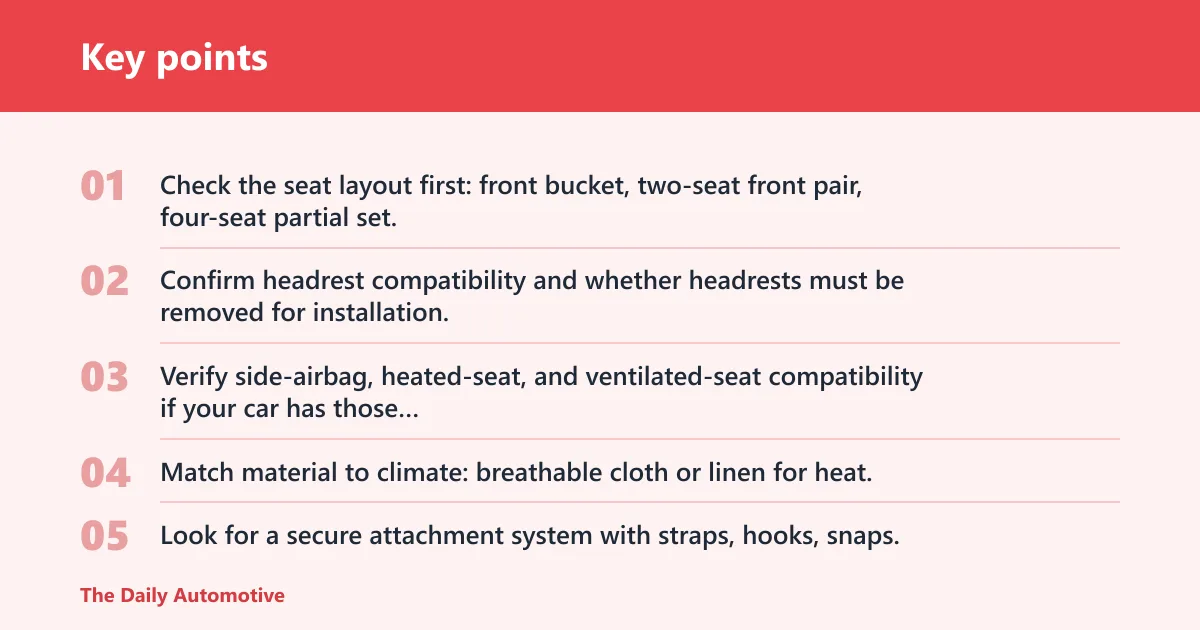
- Check the seat layout first: front bucket, two-seat front pair, four-seat partial set, or full set.
- Confirm headrest compatibility and whether headrests must be removed for installation.
- Verify side-airbag, heated-seat, and ventilated-seat compatibility if your car has those features.
- Match material to climate: breathable cloth or linen for heat, padded faux leather for comfort, waterproof layers for messes.
- Look for a secure attachment system with straps, hooks, snaps, or Velcro that will not slide once installed.
- Check cleaning instructions before buying, especially if you want machine wash or easy wipe-clean care.
Frequently asked questions
What are the most comfortable car seat covers?
The most comfortable covers usually have foam backing, light padding, and a material that stays breathable enough for your climate. For many drivers, a foam-supported faux leather or a padded cloth cover works better than a stiff waterproof shell, especially on longer drives.
Which car seat covers look stylish but still protect seats?
Two-tone designs, quilted styling, and leather-look materials usually give the most polished appearance without sacrificing protection. If you want a cleaner cabin with less shine, a matte faux leather or a subtle cloth pattern can protect well while avoiding a flashy aftermarket look.
Are custom-fit seat covers better than universal ones?
Usually, yes. Custom-fit covers tend to align better with seat contours, airbags, and headrests, so they wrinkle less and look more finished. Universal covers can still work well for simple seats, but they are more likely to shift or leave loose edges.
What seat cover material is best for hot weather?
Breathable cloth and synthetic linen blend materials are usually the best choices for hot weather because they move air better and feel cooler at first contact. Duckweave can also work well, while thick waterproof or leather-look covers often feel warmer in parked cars.
Do car seat covers work with airbags and heated seats?
They can, but only if the cover is designed for those features. Look for explicit airbag compatibility and, if your car has them, heated-seat or ventilated-seat compatibility. A generic cover that blocks seams, sensors, or airflow can create both comfort and safety problems.
Are waterproof seat covers uncomfortable on long drives?
They can be if the material traps heat or has little give. Waterproof covers are best when you need spill protection first, then comfort second. For long drives, a water-resistant or waterproof design with foam backing or breathable panels is usually a better compromise.
Products related to this article
Sponsored / affiliate links. As an Amazon Associate I earn from qualifying purchases. I may earn additional commission from eligible campaigns.
 Coverado Car Seat Covers, Front Covers for Cars, Car Seat Cover Front Seats, Automotive Seat Cover, Waterproof, Leather Car Seat Cushion, Universal Interior Covers Seat Protectors for Most Cars
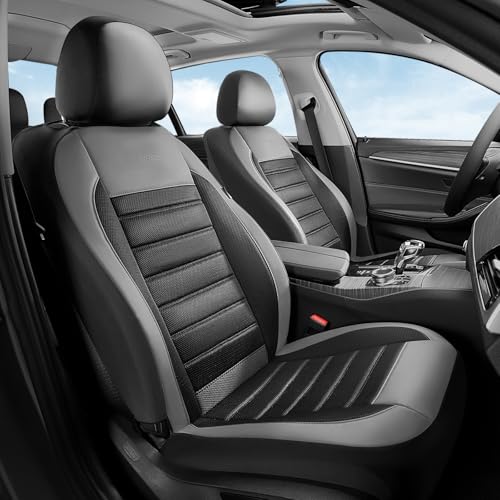 Coverado Car Seat Covers Front Seats, Luxury Leather Car Seat Covers, Automotive Mesh Seat Covers 2 Pack, Airbag-Compatible, Black Gray Seat Covers for SUV Sedan Truck