What Is a Car Sideshow? Meaning, History and Legal Risks
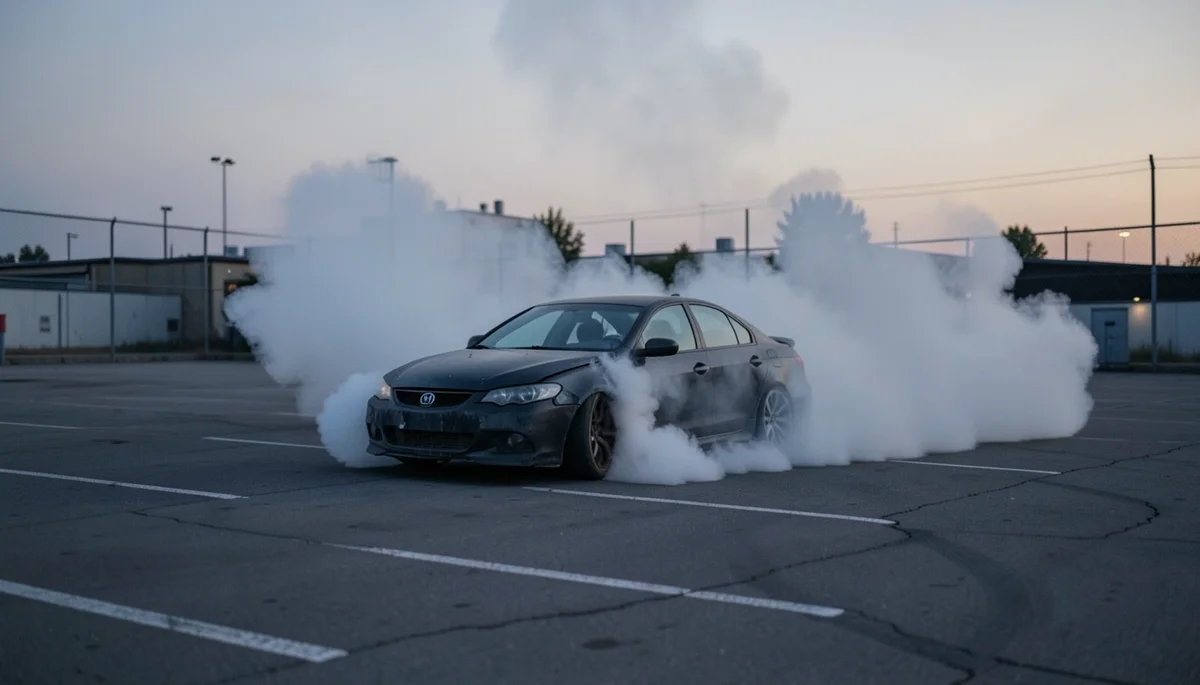
A car sideshow is an unsanctioned street event where drivers perform stunts such as donuts, burnouts, and ghost riding in front of a crowd, usually in a parking lot or a deliberately blocked-off intersection. Sideshows are illegal everywhere they take place, and both drivers and, increasingly, spectators can face arrest, fines, vehicle impoundment, and license suspension. The events trace back to East Oakland car culture in the 1980s and have since spread to cities across California and beyond.
What Is a Car Sideshow?
A sideshow is an informal, often last-minute gathering built around watching cars perform stunts rather than race each other in a straight line. Organizers typically pick a location, such as a vacant parking lot or a wide intersection, and spread the word through social media or group chats shortly before it starts, partly to draw a crowd and partly to give police less time to respond. Once a crowd forms a loose ring, one or more cars take turns performing in the open space at the center while everyone else watches, films, and cheers from the sidelines.
There is no promoter, no ticket, no insurance, and no professional oversight. That informality is central to what a sideshow is — and it is also the main reason these events are dangerous, since there is nothing standing between a spinning car and the people watching it except the crowd’s own judgment.
The History of Car Sideshows in Oakland
Sideshows began in East Oakland, California, in the 1980s as informal social gatherings, not as stunt shows. Early meetups are tied to a former carnival lot at Foothill Square that had a skating rink, where local car owners would bring their best-looking rides to cruise around and show off — more of a car show and block party than anything dangerous. The term “sideshow” is generally understood to come from that carnival connection: the car gathering functioned as a secondary attraction alongside the main venue, the way a circus sideshow runs next to the main tent.
The events changed character over time. Through the 1990s and into the early 2000s, drivers began adding donuts and ghost riding to the mix to stand out, and sideshows became closely tied to Oakland’s hyphy movement in hip-hop. The city has been trying to manage the problem for decades: Oakland passed a no-cruising ordinance around Lake Merritt in 1992, and in 2005 the city council narrowly voted down a proposal that would have criminally charged spectators, not just drivers. Since then, sideshows have spread well beyond Oakland into other Bay Area cities and, more recently, to Southern California, where similar events are usually called street takeovers.
Common Sideshow Stunts
A handful of stunts show up at nearly every sideshow:
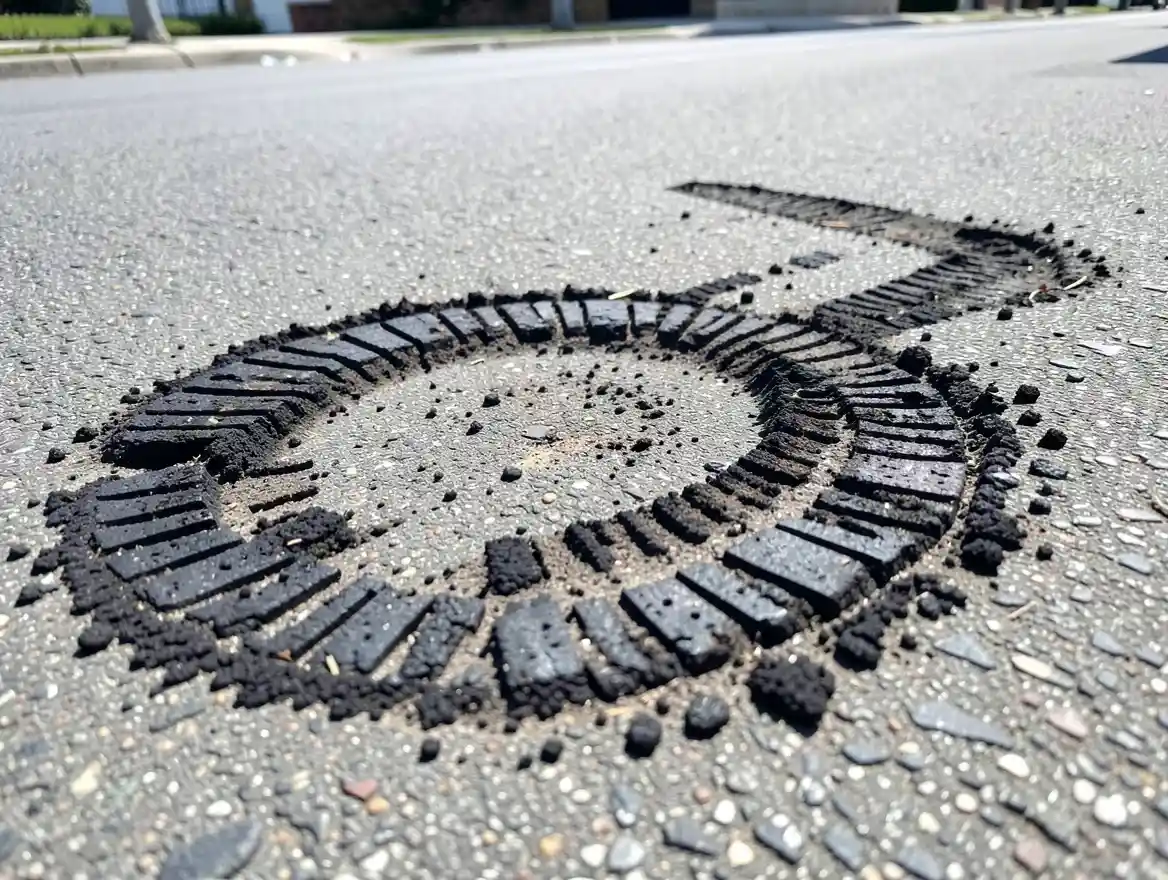
- Donuts — the driver spins the car in tight, continuous circles, often with the crowd standing uncomfortably close to the car’s path.
- Burnouts — the car is held in place while the tires spin, generating heat, noise, and heavy smoke.
- Ghost riding — a driver exits a moving or spinning vehicle and dances alongside or on top of it while it continues to roll on its own, sometimes with no one at the wheel at all.
None of these stunts happen behind barriers or with medical staff on standby, unlike a sanctioned motorsport stunt show or a professional drift exhibition. That distinction matters — it is the difference between a controlled demonstration and an uncontrolled one.
Where Car Sideshows Happen Today
The Bay Area, and East Oakland in particular, is still considered the cultural home of sideshows. But the phenomenon is no longer regional. Southern California has seen a sharp rise in similar events, generally referred to as street takeovers, where dozens of cars can converge on a single intersection in the Los Angeles area to block traffic and perform stunts simultaneously. Reports of comparable events have also surfaced in cities outside California, though the Bay Area and greater Los Angeles remain the two hotspots most frequently covered by local news and cited in state legislation.
Is a Car Sideshow Illegal? Real Laws and Penalties
Yes. Car sideshows are illegal in every jurisdiction that has specifically legislated against them, and California has some of the most detailed laws on the books. Drivers can be charged with reckless driving and exhibition of speed, and the penalties have gotten noticeably tougher in the past few years:
- In June 2023, Oakland passed a city ordinance making it a misdemeanor to organize, facilitate, or promote a sideshow.
- In September 2024, Governor Newsom signed a package of bipartisan state bills specifically targeting sideshows and street takeovers.
- Several of those laws took effect starting in 2025: courts can now suspend a driver’s license for 90 days to six months for an exhibition of speed connected to a sideshow (effective July 1, 2025), on top of fines that can reach $1,000, vehicle impoundment for up to 30 days, and, depending on the offense, jail time.
- Newer California law also expands liability beyond the driver — people who actively help stage an event, such as blocking an intersection with their own vehicle so others can perform stunts, can now be charged too.
Rules and penalties vary by state and city. Anyone unsure how a specific location treats sideshows, spectating, or filming one should check with their state DMV or a local traffic attorney rather than assume California’s rules apply elsewhere. This article is general information, not legal advice.

Some sideshow cars are also modified in ways that carry their own separate legal risk — for example, our guide on whether nitrous oxide is legal in a street-driven car covers how that specific modification is treated differently on public roads versus a closed track.
The Real Dangers of Car Sideshows
Because sideshows happen with no barriers, no medical staff, and crowds standing close to a spinning or accelerating car, injuries and deaths do happen, even though most individual events end without anyone getting hurt. A few recent, documented examples illustrate the real risk:
- In September 2025, a 16-year-old spectator from Los Angeles died after falling roughly 75 feet from a freeway overpass in Crockett, California, while watching a sideshow taking place below.
- In July 2026, two bystanders were seriously injured, including a young woman who suffered a crushed leg, when a car performing stunts struck them during a street takeover in the Northridge area of Los Angeles.
General risk factors that come up again and again: unpredictable, spinning vehicles moving through a crowd with no set path; tires that overheat and can fail during long burnouts; reduced visibility for the driver once tire smoke fills the area; and, in the case of ghost riding, a moving car with no one actually controlling it. Deaths at sideshows are relatively rare compared with the number of events that happen, but serious injuries to spectators are not.
Sideshow Culture and Community
Despite the legal risk, sideshow culture has a real social dimension rooted in Bay Area history — it is closely tied to the hyphy movement that grew out of Oakland hip-hop in the 1990s and 2000s. Participants and fans document events heavily on social media, which has helped the culture stay visible even as police crack down, though it has also made it much easier for law enforcement to identify organizers and vehicles under the newer laws. Some researchers and community members describe the original sideshow scene as a form of self-expression that grew out of a lack of legal, affordable outlets, such as nearby drag strips, for car enthusiasts in the neighborhoods where it started. That context helps explain why the culture persists, even though the modern, stunt-heavy version of a sideshow carries real legal and physical risk that the original 1980s car meets did not.
Frequently Asked Questions
What Is a Car Sideshow?
A car sideshow is an unsanctioned, illegal street event where drivers perform stunts like donuts, burnouts, and ghost riding for a crowd, usually in a parking lot or blocked-off intersection. There is no professional oversight, barriers, or medical staff, which is why the events are considered dangerous as well as illegal.
Are Car Sideshows Illegal?
Yes. Sideshows are illegal wherever they take place, and in California penalties now include fines up to $1,000, vehicle impoundment for up to 30 days, a driver’s license suspension of 90 days to six months, and possible jail time, depending on the offense. Local ordinances, such as Oakland’s 2023 law against organizing or promoting sideshows, add further criminal liability on top of state law.
Why Are They Called Sideshows?
The name is generally traced to a former carnival lot at Foothill Square in Oakland, where the earliest car meetups formed as a secondary attraction next to the main carnival and skating rink venue — the same way a circus sideshow runs alongside the main tent rather than being the headline event itself.
Can Spectators Get in Trouble at a Sideshow?
Increasingly, yes. Newer California law allows people who actively help stage an event, such as blocking an intersection with their own car so others can perform stunts, to be charged along with the drivers. Simply being present as a spectator carries less direct legal risk than organizing or participating, but it still carries real physical risk, since spectators have been seriously injured and killed at these events.
Have People Been Killed or Injured at Sideshows?
Yes, though fatalities are relatively rare compared with how often these events occur. In September 2025, a 16-year-old spectator died after falling from a freeway overpass while watching a sideshow in Crockett, California. In July 2026, two bystanders were seriously injured when a car struck them during stunt driving at a street takeover in the Northridge area of Los Angeles. Injuries to spectators, drivers, and passengers are documented far more often than deaths.
Conclusion
A car sideshow is an illegal, unsanctioned street event with real cultural roots in East Oakland car culture, but it also carries real legal and physical consequences that have gotten more serious in recent years. Drivers face license suspension, impoundment, and fines; spectators who help organize an event can now face charges too; and the lack of any safety barrier between the cars and the crowd has led to real, documented injuries and deaths. For anyone who wants that same car-culture thrill without the legal or physical risk, sanctioned drag strips and track days offer a legal outlet — see our guide on how to start racing cars legally for where to begin.
Products related to this article
Sponsored / affiliate links. As an Amazon Associate I earn from qualifying purchases. I may earn additional commission from eligible campaigns.
![iPhone Car Charger,USB C Fast Car Charger[Apple MFi Certified] Apple Car Charging 38W Dual Port CarCharger Cigarette Lighter Adapter 2x3ft PD&QC 3.0 Lightning Cable for iPhone 14/13/12 Pro/11/Airpods](https://m.media-amazon.com/images/I/41XizrssoiL._SL500_.jpg) iPhone Car Charger,USB C Fast Car Charger[Apple MFi Certified] Apple Car Charging 38W Dual Port CarCharger Cigarette Lighter Adapter 2x3ft PD&QC 3.0 Lightning Cable for iPhone 14/13/12 Pro/11/Airpods
iPhone Car Charger,USB C Fast Car Charger[Apple MFi Certified] Apple Car Charging 38W Dual Port CarCharger Cigarette Lighter Adapter 2x3ft PD&QC 3.0 Lightning Cable for iPhone 14/13/12 Pro/11/Airpods Car A/C Repair Kit, 270PCS Rubber O-Ring Seal Kit + 40PCS Car Air Conditioner Valve Core Kit for R12 R134a A/C with Remover & Install Tool+10pcs R134a AC Valve Caps, Fix Refrigeration System