Does Car Insurance Cover a Blown Engine?
Standard car insurance does not cover a blown engine caused by normal wear, old age, or skipped maintenance, because that is mechanical failure, not an accident. Your policy can still help if the engine died because of a covered event like a crash, fire, flood, or vandalism, or if you carry a separate mechanical breakdown insurance (MBI) policy or an active manufacturer warranty. A full engine replacement typically costs $3,000 to $10,000 or more, so knowing which coverage actually applies before you call your insurer can save you a very expensive surprise.
What Does It Mean to Have a Blown Engine?
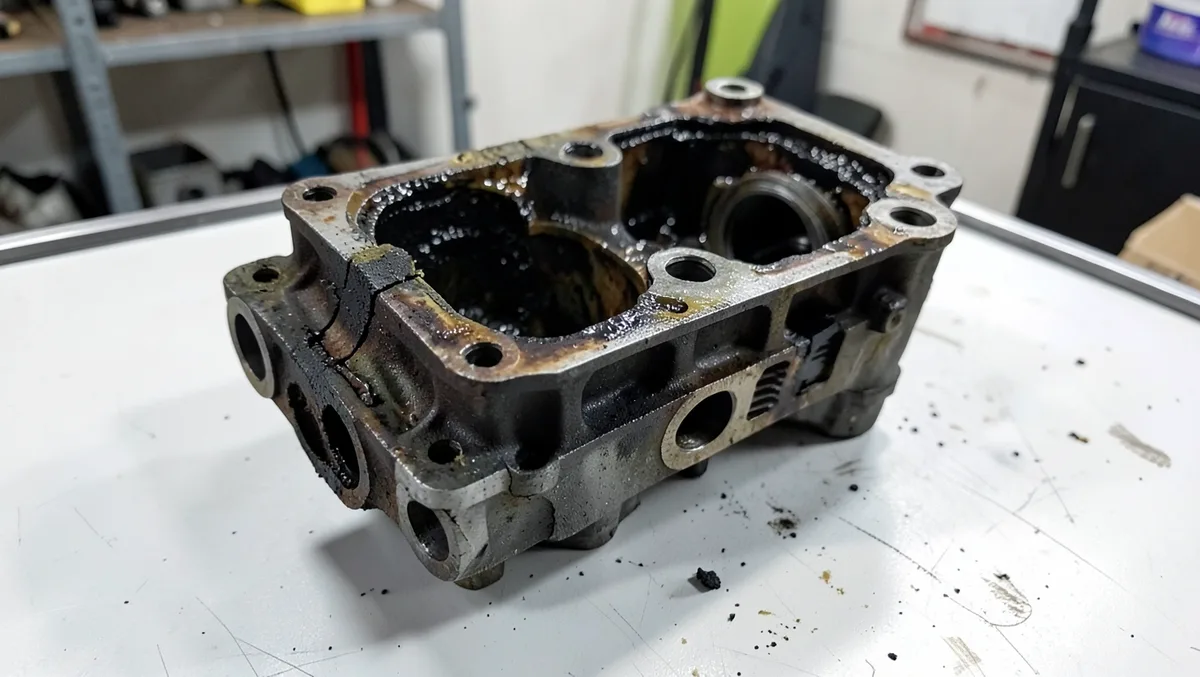
A blown engine means the engine has been damaged badly enough that it can no longer run, or can no longer run safely. Common triggers include overheating, running with too little oil, a broken piston or connecting rod, or a cracked engine block. Warning signs include a car that will not start, loud knocking or banging noises, blue or gray smoke from the exhaust or hood, and a sudden loss of power while driving.
Once an engine has physically seized or cracked, it usually cannot be fixed with a simple part swap. Repair or replacement typically costs $3,000 to $10,000 depending on the vehicle, and on some economy cars a full replacement can cost more than the car is worth. With that much money on the line, it’s worth checking every possible source of coverage before paying out of pocket.
Understanding Car Insurance Coverage
Car insurance isn’t a one-size-fits-all deal. Policies vary, and what’s covered depends on the type of insurance you have. Most drivers carry a mix of coverage types, like liability, collision, and comprehensive, and add-ons like mechanical breakdown insurance or roadside assistance can also come into play. To figure out whether a blown engine is covered, you need to look at each type of coverage separately and see how it applies to what actually caused the failure.
The details matter here. Your policy is a contract that spells out exactly what is and is not covered, and a blown engine can be covered in one situation but denied in another depending on the cause. Here’s how each major type of coverage actually applies to engine failure.
Liability Coverage
Liability coverage is the minimum required in most states. It pays for damage or injuries you cause to other people or their property in an accident you’re at fault for. It does not cover damage to your own vehicle at all, which means a blown engine is never covered under the liability portion of your policy, no matter what caused it.
Liability coverage exists to protect you from claims other people bring against you, not to repair your own car. If you’re wondering how far that protection actually extends, see does car insurance cover lawsuits for how that side of a policy works.
Collision Coverage
Collision coverage pays for damage to your own car when you hit another car, an object, or even a pothole, regardless of who is at fault. This is where a blown engine has the best shot at being covered. If the engine failure is a direct, immediate result of an impact — for example, a crash that ruptures the oil pan or cracks the block — collision coverage can pay for it.
The key distinction insurers apply is causation. If the impact itself damaged the engine, you have a real claim. If the engine simply happened to fail sometime after an unrelated fender-bender, or failed from wear that had nothing to do with any collision, collision coverage will not pay for it.
Comprehensive Coverage
Comprehensive coverage handles non-collision events: theft, vandalism, fire, flooding, falling objects, and similar situations. A blown engine can fall under comprehensive coverage, but only when one of those specific covered events is the direct cause.
If flood water reaches the engine and hydro-locks it, or a fire damages the engine bay, comprehensive coverage can pay for the repair or replacement. But comprehensive is not a substitute for maintenance coverage — an engine that fails from age, neglect, or a part breaking on its own is not a comprehensive claim.
Mechanical Breakdown Insurance
Mechanical breakdown insurance (MBI) is an optional add-on some insurers sell specifically to cover mechanical failures, including a blown engine, that standard coverage excludes.
MBI generally only pays for failures that were not caused by neglect or missed maintenance. A sudden, unexpected mechanical failure is more likely to be covered than an engine that died because oil changes were skipped for years. MBI isn’t offered by every insurer or in every state, usually carries its own deductible, and typically requires maintenance records to support a claim — so hold onto those oil-change receipts.
Manufacturer’s Warranty or Extended Warranty
This isn’t insurance, but it belongs in the conversation. If your car is still under the manufacturer’s warranty (commonly 3 years or 36,000 miles) or a purchased extended warranty, a blown engine caused by a manufacturing defect can be repaired or replaced at no cost to you.
Extended warranties typically apply the same maintenance-proof requirement as MBI. If your vehicle is relatively new, check the warranty terms before assuming insurance is your only option.
What Causes a Blown Engine?
To understand whether insurance will cover your blown engine, you need to know what caused it. Insurers are picky about this. They’ll investigate the cause before deciding if it’s covered under your policy. Here are the most common reasons engines fail:
- Overheating: This happens when the cooling system fails, often due to a leak or a broken radiator, and it’s especially common on hot days with the AC running hard.
- Lack of Oil: Oil is like blood for your engine. Without it, parts grind together and break. Skipped oil changes are a common culprit.
- Mechanical Failure: Sometimes a part like a piston or valve simply breaks, even with good maintenance.
- Accident Damage: A crash or impact can damage the engine directly.
- External Events: Floods, fires, or debris hitting the car can cause engine failure.
Insurance adjusters investigate the specific cause before approving or denying a claim, and neglect-related causes — like ignoring a low oil pressure warning light — are the most common reason claims get denied. The cause matters just as much when a recent repair job is to blame: see does car insurance cover mechanic negligence for how that scenario is handled differently from ordinary wear and tear.
When Does Insurance Cover a Blown Engine?
Here’s a simple breakdown of when your insurance might, or might not, cover a blown engine:
| Cause of Blown Engine | Coverage Type | Likely Covered? |
|---|---|---|
| Accident (e.g., crash or impact) | Collision | Yes, if damage is accident-related |
| Fire, flood, or vandalism | Comprehensive | Yes, if caused by a covered event |
| Mechanical failure | Mechanical Breakdown | Yes, if you have MBI and maintained the car |
| Wear and tear or neglect | None | No |
| Manufacturing defect | Warranty (not insurance) | Yes, if under warranty |
The pattern is consistent across insurers: coverage is far more likely when the damage traces back to a sudden, external event like a crash, fire, or flood than to something preventable, like skipped oil changes.
What to Do If Your Engine Blows
If you’re dealing with a blown engine right now, here’s the order to work through:
- Diagnose the Problem: Take your car to a trusted mechanic to confirm it’s a blown engine and find out the cause. Get a written report if possible.
- Check Your Policy: Pull out your insurance policy and look for collision, comprehensive, or MBI coverage. If you’re not sure, call your insurance agent — they can walk you through it.
- File a Claim (If Applicable): If the cause is covered (like an accident or fire), file a claim with your insurer and be ready to provide details about what happened.
- Check Your Warranty: If your car is under warranty, contact the dealership or manufacturer. They may cover the repair.
- Keep Maintenance Records: If you’re claiming under MBI or a warranty, you’ll need proof you’ve taken care of the car.
- Get Quotes for Repairs: Even if insurance doesn’t cover it, shop around for repair quotes — some shops charge far less than others for the same job.
Comprehensive coverage is often overlooked here because most people only think of it in terms of theft or vandalism. If a storm, falling branch, flood, or fire played any role in the failure, it’s worth filing a claim and letting the insurer make the call rather than assuming you’re not covered.
How to Prevent a Blown Engine
Prevention is far cheaper than a claim or a repair bill. A few consistent habits keep most engines running for the life of the car:
- Regular Oil Changes: Stick to your car’s recommended oil change schedule, usually every 5,000 to 7,500 miles.
- Monitor Warning Lights: If the check engine light or oil pressure warning comes on, don’t ignore it. Get it checked right away.
- Check Coolant Levels: Make sure the radiator has enough coolant, especially in hot weather.
- Drive Smart: Avoid aggressive driving that puts extra stress on the engine.
- Get Regular Tune-Ups: A yearly tune-up can catch small problems before they turn into big ones.
Setting a recurring reminder for oil changes and other scheduled maintenance is one of the simplest ways to avoid the kind of neglect-related failure that insurance will not pay for.
What If Insurance Doesn’t Cover It?
If your insurance won’t cover the blown engine, you’re not out of options:
- Shop Around for Repairs: Some mechanics offer payment plans or refurbished engines, which are cheaper than new ones.
- Consider a Used Car: If repairs cost more than the car’s worth, it might be time to look for a new ride.
- Check for Recalls: Some engine issues are tied to manufacturing defects. Check if your car has any open recalls.
- Save for Emergencies: Setting aside a small amount each month for car repairs makes an uncovered blown engine far less of a financial shock.
Conclusion
So, does car insurance cover a blown engine? It depends entirely on the cause. If the failure traces back to an accident, fire, flood, or vandalism, collision or comprehensive coverage may pay for it. If you carry mechanical breakdown insurance, sudden failures can be covered as long as you’ve kept up with maintenance. But if the cause is ordinary wear and tear or neglect, standard insurance will not help, and you’ll be paying out of pocket.
Knowing which coverage applies before you call your insurer, and keeping maintenance records that back up your case, is often the difference between a claim that gets approved and one that gets denied. If you’re dealing with a blown engine right now, pull out your policy, confirm what type of coverage you carry, and start there.
Frequently Asked Questions
Does car insurance cover engine failure due to overheating?
Not usually. Overheating is often treated as a maintenance issue, so most standard policies (collision or comprehensive) won’t cover it. If you have mechanical breakdown insurance and can prove you maintained the car, you might have a shot. Always check with your insurer.
Can I claim a blown engine under my warranty?
Yes, if your car is still under the manufacturer’s or an extended warranty. Warranties often cover defects, but you’ll need to show you followed the maintenance schedule. Contact your dealership to confirm.
What if my engine blows because of a crash?
If a crash directly causes the engine damage, your collision coverage should kick in. Document the accident and get a mechanic’s report to support your claim.
Is mechanical breakdown insurance worth it?
It depends. If you drive an older car or want peace of mind for major repairs like a blown engine, it can be a good investment. But it isn’t cheap, and you need to keep up with maintenance. Compare the cost against the coverage before deciding.
How can I tell if my engine is blown?
Signs include loud noises (like banging or knocking), smoke from the hood, the car not starting, or a sudden loss of power. If you suspect a blown engine, get it checked by a mechanic right away and don’t try to keep driving it.
What does it cost to fix a blown engine?
Engine repair or replacement typically runs $3,000 to $10,000, depending on the vehicle and whether the shop uses a used, remanufactured, or new engine. On some economy cars, a full replacement can cost more than the vehicle is worth, which is why confirming your coverage before repairs start matters so much.
Products related to this article
Sponsored / affiliate links. As an Amazon Associate I earn from qualifying purchases. I may earn additional commission from eligible campaigns.