What to Give a Dog for Car Sickness (Vet-Approved Options)
Ginger, an over-the-counter antihistamine, or a prescription medication like Cerenia are the most common things vets recommend giving a dog for car sickness — but which one is right depends on whether your dog’s symptoms are true motion sickness or travel anxiety.
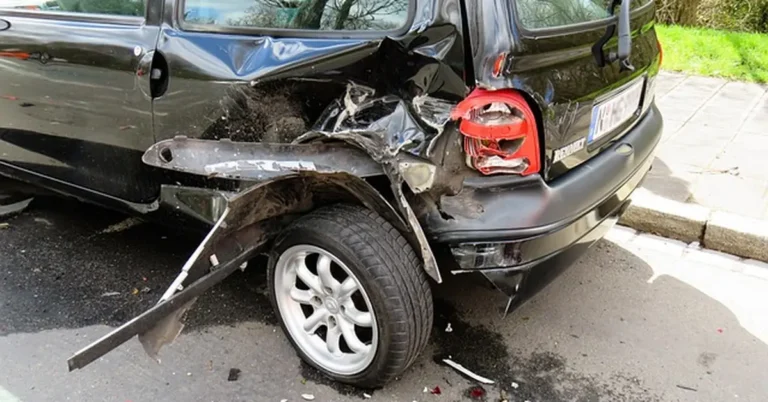
Car sickness in dogs is more common in puppies and young dogs, since the inner-ear system that controls balance is not fully developed yet, and many dogs outgrow it with practice. For dogs that do not outgrow it, or that get sick badly enough to make travel miserable, there is a real range of options: natural remedies like ginger, over-the-counter antihistamines used off-label, and a prescription anti-nausea medication made specifically for this.
This guide breaks down what each option actually does, which one fits which situation, and why your veterinarian — not a blog post — should confirm the dose before you give your dog anything. Related: why dogs get carsick in the first place.
What to Give a Dog for Car Sickness: Vet-Approved Options
NATURAL CALMING PICK
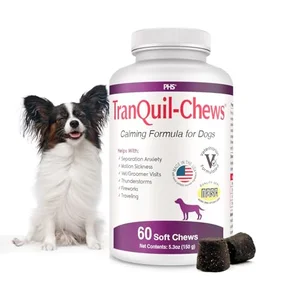 |
Tranquil-Chews Calming Formula for Dogs – $19.99 Combines chamomile and ginger, two of the natural options below, into one soft chew for dogs whose car sickness is more anxiety than true motion sickness.
|
There is no single medication or remedy that works for every dog, because “car sickness” can mean two different things: true motion sickness (a mismatch between what the eyes and inner ear sense, which triggers vomiting) or anxiety about the car itself (which causes drooling, whining, and pacing without necessarily causing vomiting). The options below range from food-based remedies to a prescription-only medication, roughly in order of how mild they are.
Ginger
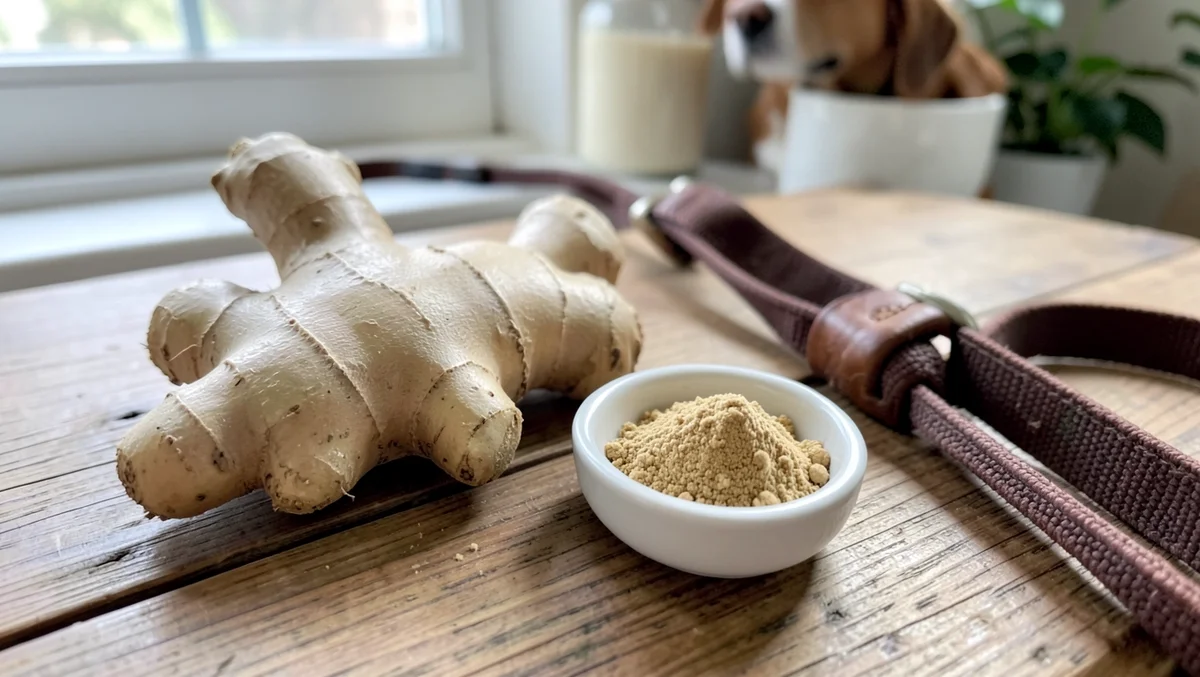
Ginger is the most commonly recommended natural option, and there is real research behind using it for nausea in dogs. Fresh grated ginger root or plain ginger powder mixed into a small amount of food, given roughly 30 to 60 minutes before you leave, is the form most vets and trainers suggest. Ginger snaps, ginger-flavored dog treats, and ginger ale are not reliable substitutes — they contain very little actual ginger and often added sugar that can make things worse.
Ginger is generally considered low-risk for most healthy adult dogs, but the right amount still depends on your dog’s size, so confirm it with your vet, especially for puppies, small breeds, or dogs with any digestive condition.
Antihistamines: Benadryl (Diphenhydramine)
Diphenhydramine, the active ingredient in Benadryl, is one of the most commonly recommended off-label options for mild dog motion sickness. It works partly by causing mild drowsiness and partly by blunting the nausea signals that come from the inner ear. It is not FDA-approved for this use in dogs, which means there is no standardized veterinary dosing on the label — your vet needs to calculate the right amount based on your dog’s exact weight.
If your vet does recommend it, use only plain diphenhydramine. Many Benadryl products are combined with decongestants, pain relievers, or other ingredients that can be dangerous for dogs even in small amounts, so always check the full ingredient list before giving anything.
Dramamine (Dimenhydrinate)
Dramamine works in a similar way to Benadryl and is sometimes used off-label for dog motion sickness as well. As with diphenhydramine, it is not approved for veterinary use, so the correct dose, timing before travel, and whether it is safe to combine with any other medication your dog takes should come from your vet, not a general dosing chart.
Cerenia (Maropitant): The Prescription Option
Cerenia is the only medication that is FDA-approved specifically to prevent and treat vomiting from motion sickness in dogs, and it requires a prescription. It works differently from antihistamines — it blocks a neurotransmitter called substance P that triggers the vomiting reflex, rather than causing drowsiness. In the studies used for approval, it prevented vomiting in about 93% of dogs, compared with 45% for a placebo, and it is non-sedating, which is useful for dogs that need to stay alert.
Because it is prescription-only, your vet will confirm it is appropriate for your dog’s age and health before writing it, and will tell you exactly how it fits into your travel schedule. This is the option worth asking about if your dog vomits on nearly every car ride despite trying natural remedies first.
Comparing Your Options at a Glance
| Option | Type | Best For | Prescription Needed? |
|---|---|---|---|
| Ginger | Natural / food-based | Mild nausea, occasional trips | No |
| Diphenhydramine (Benadryl) | Off-label antihistamine | Mild motion sickness, some anxiety | No, but ask your vet for the dose |
| Dimenhydrinate (Dramamine) | Off-label antihistamine | Mild to moderate motion sickness | No, but ask your vet for the dose |
| Maropitant (Cerenia) | FDA-approved prescription | Frequent vomiting from true motion sickness | Yes |
Signs Your Dog Has Car Sickness
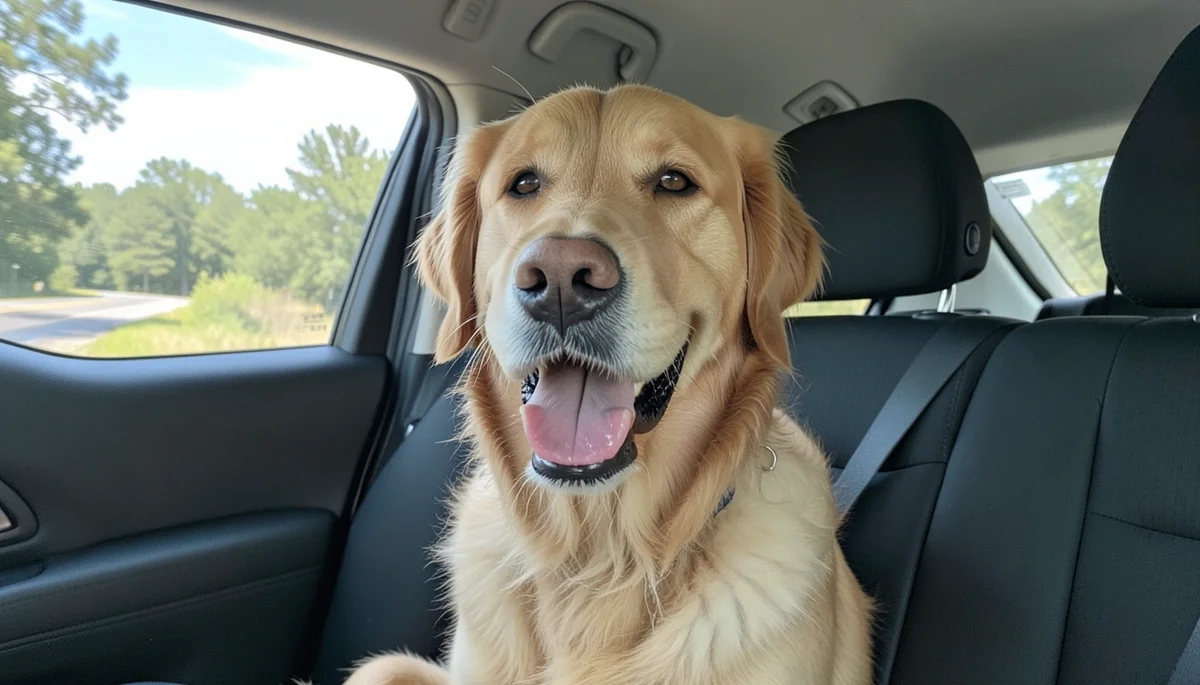
Before reaching for any remedy, it helps to know what you are actually dealing with. Some symptoms point to true motion sickness, while others suggest anxiety about the car itself — and the two respond best to different fixes.
Behavioral Signs
Restlessness, pacing in the seat, whining, and trying to climb into your lap or escape the car are common early signs, especially if the cause is anxiety rather than motion sickness. Excessive drooling that starts as soon as the engine turns on is also a strong signal.
Physical Signs
Vomiting, diarrhea, shaking, and a pale or listless look point more toward true motion sickness. If vomiting shows up consistently, especially within the first 30 minutes of a drive, that is the pattern most likely to respond to an anti-nausea medication rather than calming or behavioral fixes alone.
Non-Medication Ways to Reduce Car Sickness
Medication and remedies work best alongside a few habit changes, and for mild cases these alone are sometimes enough.
Position Your Dog to Face Forward
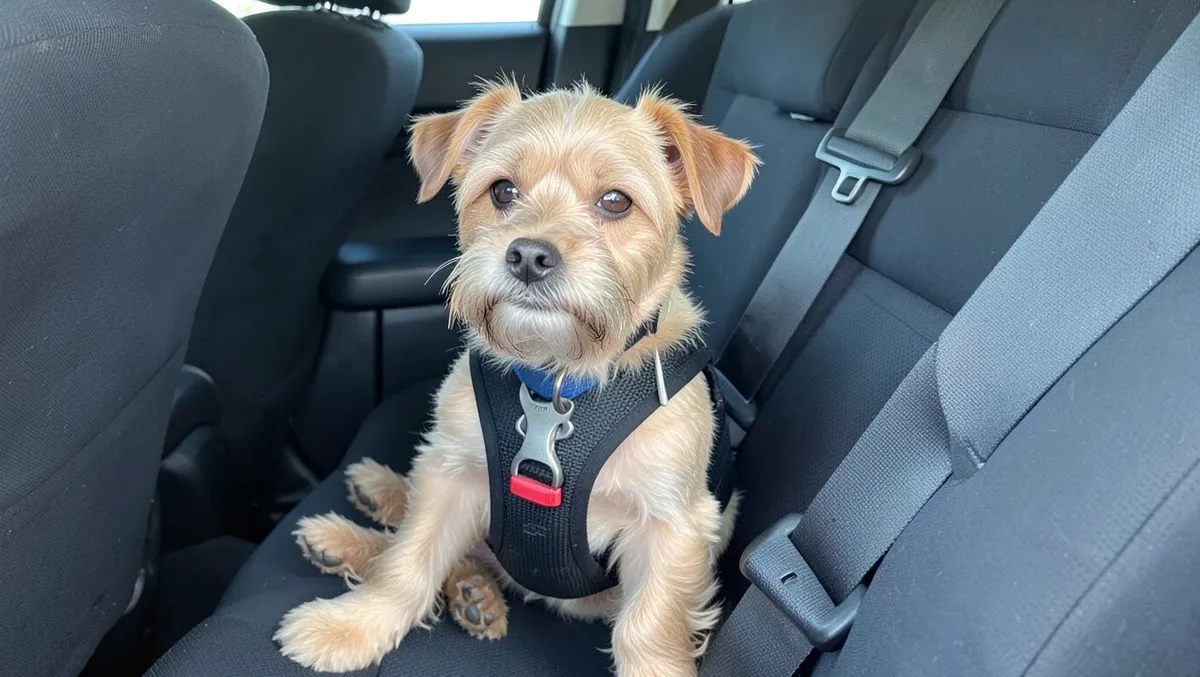
Dogs get motion sickness for the same reason people do: their eyes and inner ear disagree about whether they are moving. A forward-facing position in a secured harness or crate, rather than sideways on a seat or looking out a side window, helps the two senses line up and can reduce symptoms on its own.
Manage Food and Timing
Feeding a light meal a few hours before travel, rather than right before you leave, gives the stomach time to settle. Avoid rich, fatty, or greasy food before a drive, since it is harder to digest and more likely to come back up.
Build Up to Longer Trips
If your dog only rides in the car for stressful trips like vet visits, that association alone can trigger anxiety-driven symptoms. Short, low-stakes drives with treats and praise afterward help your dog build a positive association before you attempt a long trip.
Keep Air Moving and Take Breaks
Fresh air helps settle a queasy stomach — crack a window slightly (without letting your dog stick its head out) or use the air conditioning. On longer trips, stop every couple of hours so your dog can stretch, get fresh air, and reset.
When to Call Your Vet Instead of Trying Another Remedy
Occasional mild queasiness is common and usually manageable with the steps above. Call your vet before your next trip, rather than trying another over-the-counter option on your own, if any of the following apply:
- Your dog vomits on most or all car rides, not just occasional long trips
- Symptoms are getting worse over time instead of improving with practice
- Your dog is a puppy under 4 months old (too young for some medications, including Cerenia)
- Your dog has an existing health condition or takes other medication
- You see signs of dehydration after a trip, like lethargy or dry gums
A vet visit can also rule out causes that have nothing to do with motion, like an ear infection or a gastrointestinal issue, which would not improve with any of the remedies above.
Comfort Items That Can Help
A familiar blanket or a favorite chew toy will not cure motion sickness, but for anxiety-driven symptoms, familiar smells and something to focus on can genuinely take the edge off. Keep a couple of favorites in the car so your dog has them on every trip, not just special ones — consistency is part of what makes them work.
Frequently Asked Questions
What Is the Best Thing to Give a Dog for Car Sickness?
For mild, anxiety-driven car sickness, many owners start with fresh ginger or a calming chew, since ginger has real evidence for easing nausea in dogs. For true motion sickness with vomiting, Cerenia (maropitant) is the only medication made and FDA-approved specifically for this in dogs, and it requires a prescription. There is no single “best” option for every dog — the right choice depends on whether the problem is anxiety, motion sickness, or both, which is why a quick call to your vet before your next trip is worth it.
Is Benadryl Good for Dogs With Car Sickness?
Benadryl (diphenhydramine) is commonly recommended off-label by veterinarians for mild motion sickness because it has a mild sedative effect and can ease nausea. It is not FDA-approved for this use in dogs, so it should only be given after your vet confirms it is appropriate and gives you the correct dose for your dog’s weight. Only use plain diphenhydramine — combination products with decongestants or pain relievers can be dangerous for dogs.
Can I Give Dramamine to My Dog?
Dramamine (dimenhydrinate) is sometimes used off-label for dog motion sickness, similar to Benadryl. It is not approved for veterinary use, so the correct dose, timing, and whether it is safe alongside your dog’s other medications should always come from your vet rather than a general online guide.
What Medication Do Vets Prescribe for Car Sickness in Dogs?
Cerenia (maropitant citrate) is the medication most often prescribed specifically for dog motion sickness. It is FDA-approved for this purpose, is non-sedating, and studies show it prevented vomiting in about 93% of cases compared to 45% with a placebo. It requires a prescription because your vet needs to confirm your dog’s age, weight, and health history first.
How Much Ginger Can I Give a Dog for Car Sickness?
Fresh ginger root or plain ginger powder mixed into a small amount of food, given roughly 30 to 60 minutes before a trip, is the form most commonly suggested. Ginger snaps, ginger ale, and other processed ginger products are not a reliable substitute since they contain little real ginger and often added sugar. Because the right amount depends on your dog’s size and any health conditions, confirm the amount with your vet, especially for small breeds, puppies, or dogs on other medication.
Can I Give My Dog Car Sickness Medicine Every Time We Travel?
It depends on the medication and your dog. Cerenia, for example, is labeled for use up to two days in a row for motion sickness, but frequent long-term use should still be discussed with your vet. Natural options like ginger are generally considered safer for repeated short trips, but any dog with ongoing, frequent car sickness should be examined by a vet to rule out an underlying medical cause rather than just medicating every ride.
Conclusion
Most dogs with mild car sickness do well with a combination of forward-facing positioning, a light pre-trip meal, and a natural remedy like ginger. For dogs that vomit on nearly every ride, a vet-guided medication — whether that is an off-label antihistamine or prescription Cerenia — is often the more reliable fix. Either way, the safest first step is the same: talk to your vet before giving your dog anything new, so you know it is the right choice and the right amount for your dog specifically.
Products related to this article
Sponsored / affiliate links. As an Amazon Associate I earn from qualifying purchases. I may earn additional commission from eligible campaigns.