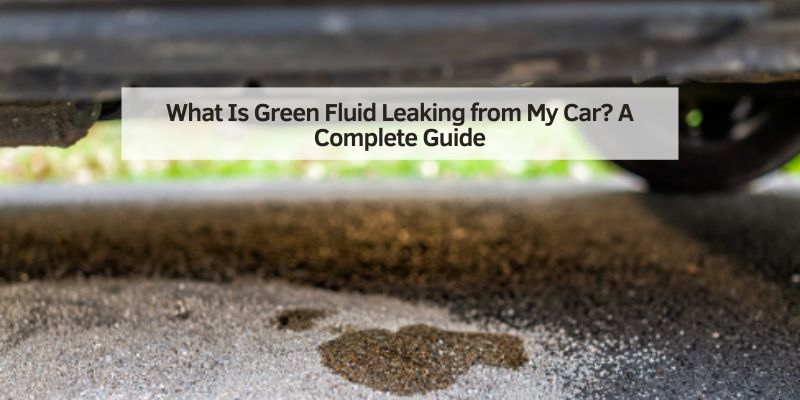
What Is Green Fluid Leaking from My Car? A Complete Guide
Hey there! So, you’ve spotted some green fluid leaking from your car, and you’re wondering what’s going on? I get that sinking feeling—I had the same panic when I noticed a bright green puddle under my old sedan a few years back. It’s not something you want to ignore, but don’t worry, I’ve got you covered.
After diving into the issue, talking to mechanics, and fixing my car, I learned a ton about what green fluid means and how to handle it. Let’s sit down together, and I’ll walk you through what that green stuff is, why it’s leaking, and what you can do to get your car back in shape. By the end, you’ll feel like a pro at spotting and solving this problem. Ready? Let’s figure this out!
Why Is My Car Leaking Fluid?
Seeing any fluid under your car can be alarming, and I remember feeling so confused when it happened to me. Cars have several fluids that keep them running smoothly, like oil, coolant, or brake fluid. Each fluid has a specific job, and leaks happen when something’s not right. For me, that green puddle was a clue that something was off with my cooling system. Leaks can come from worn parts, loose connections, or even accidents like hitting a pothole. Figuring out what the fluid is helps you know how serious the problem is and what to do next.
What Is the Green Fluid Leaking from My Car?
When I saw green fluid under my car, I had no idea what it was at first. After some research and a chat with my mechanic, I learned that green fluid is almost always coolant, also called antifreeze. Coolant is a liquid that keeps your engine from overheating by circulating through the radiator and engine. It’s usually bright green, but it can also be yellow, pink, or orange, depending on the type.
My sedan used green coolant, which is common in many cars, especially older models. Coolant is mixed with water (usually 50/50) to lower the freezing point and raise the boiling point, so your engine stays safe in extreme weather. If you see green fluid, it’s likely coolant escaping from somewhere in the cooling system. Knowing this was a huge relief—it gave me a starting point to fix the issue.
Why Is Coolant Green?
I was curious why coolant is often green, so I asked my mechanic. He explained that the green color comes from dyes added by manufacturers to make it easy to identify. Different types of coolants use different dyes—green is typical for Inorganic Additive Technology (IAT) coolant, used in many American cars built before the 2000s. Newer cars might use Organic Acid Technology (OAT) coolant, which can be orange or pink.
The green dye also helps you spot leaks quickly. When I saw that bright puddle, it stood out against the gray pavement, so I knew something was wrong right away. The color is just a visual cue, but it’s super helpful for diagnosing problems.
Common Causes of Green Coolant Leaks
Once I knew the green fluid was coolant, I wanted to figure out why it was leaking. I checked my car and talked to a few pros, and here’s what I found about common causes:
- Radiator Damage: Cracks or holes in the radiator can let coolant escape. My sedan’s radiator had a small crack from road debris.
- Hose Issues: Coolant hoses can wear out, crack, or come loose. I found a loose clamp on one of my hoses that was letting fluid drip.
- Water Pump Failure: The water pump moves coolant through the system. If its seals wear out, it can leak. A friend’s car had this issue, and it left green puddles.
- Radiator Cap Problems: A faulty cap can cause pressure issues, leading to leaks. I replaced mine for $10, and it helped.
- Head Gasket Failure: This is a bigger problem where coolant leaks into the engine or out of it. I was lucky—my leak wasn’t this serious.
- Heater Core Leaks: The heater core, which warms your cabin, can leak coolant inside the car. I noticed a sweet smell in my car, a sign of this issue.
Each cause needs a different fix, so pinpointing the source is key. For me, it was a combo of a cracked radiator and a loose hose clamp.
How Serious Is a Coolant Leak?
When I saw the green fluid, I wondered if I could just ignore it for a while. Big mistake—coolant leaks are serious. Without enough coolant, your engine can overheat, which can warp parts or even crack the engine block. I learned this the hard way when my sedan started steaming after I drove it with low coolant.
A small leak might not cause immediate damage, but it’ll get worse over time. My mechanic said even a slow drip can lead to big repair bills if you don’t fix it. Plus, coolant is toxic to pets and bad for the environment, so cleaning up spills is important. I acted fast to avoid a bigger mess, and I’m glad I did.
Signs of a Coolant Leak Beyond the Puddle
The green puddle was my first clue, but I noticed other signs that confirmed the problem. Here’s what to look for:
- Overheating: My dashboard’s temperature gauge climbed higher than usual. If it hits the red zone, pull over.
- Low Coolant Warning: Many cars have a light that shows when coolant is low. Mine lit up a week before I saw the puddle.
- Sweet Smell: Coolant has a sugary smell. I noticed it inside my car, hinting at a heater core leak.
- Steam or Smoke: Steam from under the hood means the engine’s too hot. I saw this when my radiator leaked.
- White Exhaust Smoke: If coolant gets into the engine, you might see white smoke from the tailpipe. I checked for this but didn’t have it.
- Gurgling Sounds: Air in the cooling system can cause noises. I heard this when I started my car one morning.
If you notice these, don’t wait—check for a leak or get to a mechanic. They helped me catch my issue early.
How to Find the Source of the Leak
Finding where the green fluid was coming from was like playing detective. Here’s how I tracked it down:
- Check Under the Car: I parked on a clean driveway and looked for the puddle’s location. Mine was near the front, pointing to the radiator.
- Inspect the Radiator: I popped the hood (when the engine was cool) and saw a small crack on the radiator’s side.
- Look at Hoses: I felt along the coolant hoses for wetness or loose clamps. One clamp was loose, causing a drip.
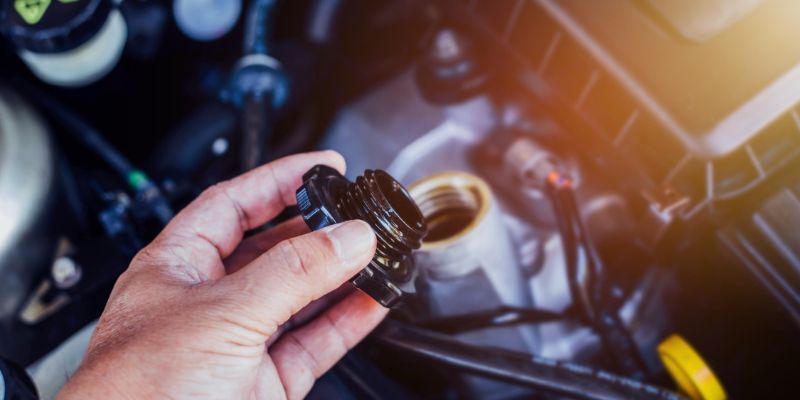
- Check the Reservoir: The coolant tank can crack. Mine was fine, but I topped it off with the right coolant.
- Pressure Test: My mechanic used a tool to pressurize the system and find leaks. This confirmed the radiator crack.
- Look Inside: A sweet smell or wet carpet inside the car can mean a heater core leak. I had a faint smell but no wet spots.
I used a flashlight and wore gloves to stay safe. If you can’t find the leak, a mechanic can help with a pressure test.
What to Do If You Find a Coolant Leak
Once I found the leak, I needed to act fast. Here’s what I did to handle it:
- Stop Driving: Driving with a leak can overheat the engine. I limited my driving to get to the shop.
- Top Off Coolant: I added a 50/50 mix of coolant and water to the reservoir to keep the engine safe. Only do this if the leak is small.
- Clean the Spill: Coolant is toxic, so I soaked up the puddle with rags and washed the area with water.
- Fix Small Leaks: I tightened the loose hose clamp myself with a screwdriver. It stopped the drip temporarily.
- Get Professional Help: For the radiator crack, I went to a mechanic. They replaced it for $400, which saved my engine.
- Check for Damage: My mechanic checked for engine damage from overheating. Luckily, I caught it in time.
Acting quickly kept my repair costs down and my car safe.
DIY vs. Professional Repairs
I wondered if I could fix the leak myself to save money. Here’s what I learned about DIY versus professional repairs:
-
DIY Repairs:
- Pros: Cheap and empowering. I fixed a loose clamp for free and used sealant for a small radiator leak ($15).
- Cons: Hard for big issues like a cracked radiator or head gasket. My sealant only worked for a week.
-
Professional Repairs:
- Pros: Mechanics have tools and expertise. My radiator replacement was done right and came with a warranty.
- Cons: More expensive. I paid $400, but it was worth it for a permanent fix.
I did small fixes myself, but left the radiator to the pros. If you’re handy, try tightening clamps or using sealant, but get help for anything major.
Cost of Fixing a Coolant Leak
Cost was a big worry for me. In the U.S., fixing a coolant leak varies by the problem. Here’s what I found:
- Hose Clamp or Cap: $10-$50 for parts, free if DIY. I spent $10 on a new cap.
- Hose Replacement: $50-$150 for parts and labor. A friend paid $100 for a new hose.
- Radiator Repair: $200-$600. My radiator replacement was $400, including labor.
- Water Pump: $300-$800. A shop quoted $500 for a friend’s car.
- Heater Core: $500-$1,500. This is pricier due to dashboard removal.
- Head Gasket: $1,000-$2,500. I was relieved my leak wasn’t this.
I got quotes from three shops to find a fair price. Small fixes are cheap, but bigger issues add up fast.
Here’s a table summarizing repair costs:
| Issue | Cost Range | DIY or Pro? |
|---|---|---|
| Hose Clamp/Cap | $10-$50 | DIY |
| Hose Replacement | $50-$150 | DIY or Pro |
| Radiator Repair | $200-$600 | Pro |
| Water Pump | $300-$800 | Pro |
| Heater Core | $500-$1,500 | Pro |
| Head Gasket | $1,000-$2,500 | Pro |
Preventing Coolant Leaks
After fixing my leak, I wanted to avoid it happening again. Here’s what I started doing:
- Check Coolant Levels: I look at the reservoir monthly and top it off if low.
- Inspect Hoses: I check hoses for cracks or wear every oil change.
- Replace Old Parts: Radiators and pumps wear out after 10 years. I plan to replace mine proactively.
- Use the Right Coolant: I stick to the type my car’s manual recommends (green IAT for my sedan).
- Avoid Overheating: I watch the temperature gauge and pull over if it climbs.
These habits have kept my cooling system leak-free for years.
Environmental Impact of Coolant Leaks
Coolant leaks aren’t just bad for your car—they’re bad for the planet. I learned that coolant is toxic and can harm pets, wildlife, and waterways. I cleaned up my spill right away to avoid contamination. Fixing leaks quickly reduces waste and prevents pollution. I also recycle old coolant at auto shops, which feels good. Using the right coolant and maintaining your car cuts down on environmental harm.
Safety Tips for Handling Coolant
Dealing with coolant can be risky, so I took precautions. Here’s what I did:
- Wait for a Cool Engine: Hot coolant can burn you. I waited hours before checking my radiator.
- Wear Gloves: Coolant can irritate skin. I wore rubber gloves when handling it.
- Clean Spills: I used rags and water to soak up puddles and keep pets safe.
- Store Safely: I kept coolant in a sealed container away from kids and animals.
- Dispose Properly: I took old coolant to an auto shop for recycling, not down the drain.
These steps kept me safe and protected my surroundings.
Why I’m Glad I Fixed My Leak
Fixing that green fluid leak was a hassle, but it saved my car and my wallet. My sedan runs smoothly now, and I don’t worry about overheating or breakdowns. I learned how to spot problems early and keep my cooling system in check. Plus, I feel good knowing I prevented environmental damage and kept my car safe for the road. It’s a small victory that makes every drive more relaxing.
Wrapping It Up
So, what is green fluid leaking from your car? It’s likely coolant, and it’s a sign you need to act fast. I went from panicking over that green puddle to feeling confident about handling it, and you can too. By spotting the leak, finding the cause, and fixing it—whether DIY or with a pro—you’ll save your engine and avoid costly repairs. With a little care, like checking coolant levels and watching for warning signs, you’ll keep leaks at bay. So, grab a flashlight, check under your car, and tackle that green fluid with confidence. Your car deserves it, and you’ll feel like a hero when it’s back on the road!
FAQs
What does the green fluid under my car mean?
It’s usually coolant, also called antifreeze. I saw green fluid under my sedan, and it was a radiator leak. Check your cooling system fast.
Is it safe to drive with a coolant leak?
Not really. A small leak might be okay for a short drive, but it can overheat your engine. I limited driving and got mine fixed quickly.
How much does it cost to fix a coolant leak?
It depends—$10-$50 for small fixes like a clamp, up to $2,500 for a head gasket. My radiator repair cost $400.
Can I fix a coolant leak myself?
For small issues, yes. I tightened a hose clamp for free. Bigger problems, like a cracked radiator, need a mechanic.
How do I prevent coolant leaks?
Check coolant levels, inspect hoses, and use the right coolant. I check my sedan monthly, and it’s stayed leak-free.