When to Turn a Car Seat Forward-Facing: Install It Correctly
Switch your child to a forward-facing car seat once they reach the maximum weight or height limit printed on the label of their current rear-facing seat — not simply when they turn a certain age. Most convertible seats now allow rear-facing well past age 2, often up to 40–50 pounds, and the American Academy of Pediatrics (AAP) recommends staying rear-facing that long because it protects a young child’s head, neck, and spine far better in a crash. Once you do make the switch, correct installation matters just as much as the timing: at car-seat check events, technicians routinely find that roughly 6 in 10 forward-facing seats are missing a properly attached top tether, the one strap that keeps a seat from pitching forward in an impact.
Why Car Seat Safety Matters So Much
BEST CONVERTIBLE SEAT FOR THE REAR-TO-FORWARD SWITCH
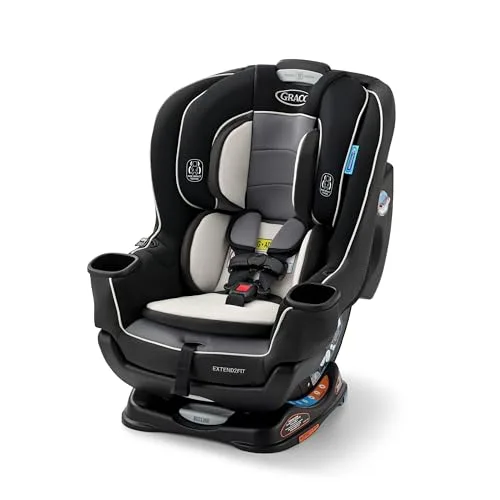 |
Graco Extend2Fit Convertible Car Seat – $191.99 A single seat that goes from rear-facing (with extra legroom) to forward-facing with a five-point harness, so you are not buying twice as your child grows into the limits described above.
|
Motor vehicle crashes remain one of the leading causes of injury for young children, and a correctly used car seat is the single biggest thing a parent controls. According to NHTSA, car seats reduce the risk of fatal injury by an estimated 71% for infants and 54% for toddlers ages 1 to 4 in passenger cars. That gap is why the specific seat, the specific direction it faces, and how tightly it’s installed all matter more than “my kid looks big enough.”
Moving to a forward-facing seat is a real milestone, but it’s a decision that should follow the numbers printed on your seat — weight, height, and the manufacturer’s minimum age — rather than a guess about size. Below is what those numbers actually mean and how to act on them.
Rear-Facing vs. Forward-Facing: What’s the Difference?
A rear-facing car seat cradles a child’s head, neck, and spine and spreads crash forces across the whole seat shell instead of concentrating them on one joint. That matters because a young child’s skull is proportionally large and heavy for their body, while the neck and spine are still developing the bone structure and ligament strength to handle sudden forward force.
A forward-facing car seat instead uses a harness to hold a child in place while facing the direction of travel, so in a frontal crash — still the most common serious crash type — the force is concentrated on the shoulders, chest, and harness rather than distributed by the seat shell. That’s the core reason pediatric safety groups recommend keeping kids rear-facing for as long as their seat allows before making the switch.
When Should You Switch to a Forward-Facing Car Seat?
The AAP’s current guidance is simpler than most parents expect: keep your child rear-facing until they hit the maximum weight or height limit stamped on their specific seat, whichever comes first — not a fixed birthday. Because many convertible seats now allow rear-facing riders up to 40 or even 50 pounds, plenty of children stay rear-facing well past age 2, sometimes to 3 or 4. Once they outgrow those limits, they move to a forward-facing seat with a harness, which the AAP recommends using until at least age 4, and often longer.
Three things determine whether your child is ready:
- Weight and height limits: Check your seat’s manual or the sticker on its side. Most rear-facing convertible seats top out around 40–50 pounds or 40–43 inches, but the exact figures vary by model.
- Age: Older guidance cited “at least age 2” as a minimum, and most state laws still use that figure as a legal floor. The seat’s actual limit — often reached later than 2 — should decide the real timing.
- Physical readiness: A child should be able to sit upright confidently and hold their head steady for the whole ride before they move to forward-facing, since the harness no longer has a seat shell wrapping around the head for support.
Every child and every seat is different, so when your child is close to the rear-facing limit, it’s worth a quick check with your pediatrician or a certified car seat technician. If you want a deeper breakdown of exact weight and height cutoffs by seat type, see our age and weight guide to turning a car seat forward-facing; this article focuses on getting the switch itself installed correctly and staying compliant with your state’s law.
Why Wait as Long as Possible to Go Forward-Facing?
It’s tempting to switch early once a toddler starts complaining about cramped legs in a rear-facing seat, but the safety math strongly favors patience. A widely cited children’s-hospital crash-injury study found rear-facing seats to be roughly five times safer than forward-facing seats for children under age 2 in a crash, largely because of how much better they support an underdeveloped spine and neck.
The “cramped legs” complaint is also less risky than it looks. Toddlers’ hip and knee joints are flexible enough to cross or bend their legs comfortably against the vehicle seatback, and the real-world rate of leg injuries in rear-facing seats is very low compared with the rate of head and neck injuries in forward-facing seats involved in the same type of crash. In short: bent knees are a minor annoyance; an underdeveloped neck absorbing crash force is not.

Types of Car Seats and When to Use Them
Car seat shopping gets confusing fast because several seat categories overlap in age and weight range. Here’s a quick rundown of the main types and where each one fits:
- Rear-Facing Only (Infant Seats): Built for newborns up to roughly 1 year or 20–35 pounds, and typically clip into a base that stays installed in the car.
- Convertible Car Seats: Switch from rear-facing to forward-facing in the same shell, which is why many parents buy just one of these instead of two separate seats. See our guide on what a convertible car seat actually is if the term is new to you.
- All-in-One Seats: Go from rear-facing to forward-facing to booster in one seat. They cost more up front but can last from infancy through the early grade-school years.
- Forward-Facing with Harness: For kids who’ve outgrown rear-facing but aren’t ready for a booster, generally ages 2–5.
- Booster Seats: For older kids, roughly 4–8 years, who are too big for a harness but still need the vehicle’s own seat belt positioned correctly across their body.
Here’s how those ranges typically line up:
| Car Seat Type | Age Range | Weight/Height Range | Rear or Forward-Facing? |
|---|---|---|---|
| Rear-Facing Only | 0-1 year | Up to 20-35 lbs | Rear-Facing |
| Convertible | 0-5 years | Up to 40-50 lbs (rear-facing) | Both |
| All-in-One | 0-8+ years | Up to 40-50 lbs (rear-facing) | Both, then Booster |
| Forward-Facing with Harness | 2-5 years | 22-65 lbs | Forward-Facing |
| Booster | 4-8 years | 40-100 lbs | Forward-Facing |
A convertible seat is the most flexible pick for most families: it lets you keep a child rear-facing as long as the shell allows, then switch to forward-facing in the same seat once they’re ready, without buying a second product.
How to Know If Your Child Is Ready for Forward-Facing
Deciding when to make the switch comes down to a short checklist rather than a gut feeling:
- Check the limits: Look at your car seat’s printed weight and height limits for rear-facing use, usually on a sticker on the side of the seat.
- Track their growth: Measure height and weight periodically as your child approaches those rear-facing limits so you’re not caught off guard.
- Watch comfort and behavior: Fussiness in the seat is common and often unrelated to size — bent or crossed legs are normal and safe as long as your child is still within the seat’s rear-facing limits.
- Ask a professional: A pediatrician or a certified car seat technician at a local safety check event can confirm whether your child is genuinely ready, not just close to a limit.
If you’re unsure, the safer default is to keep your child rear-facing a little longer rather than switch early.
How to Safely Transition to a Forward-Facing Car Seat
Once your child has actually outgrown their rear-facing limits, the installation itself is what determines whether the new seat protects the way it’s supposed to. Here’s the process step by step.
Choose the Right Car Seat
Make sure the forward-facing seat has a five-point harness, and check its weight and height limits — most forward-facing harness seats go up to about 65 pounds or 49 inches. A convertible seat that stays forward-facing until your child is ready for a booster avoids another seat purchase down the line.
Install It Correctly
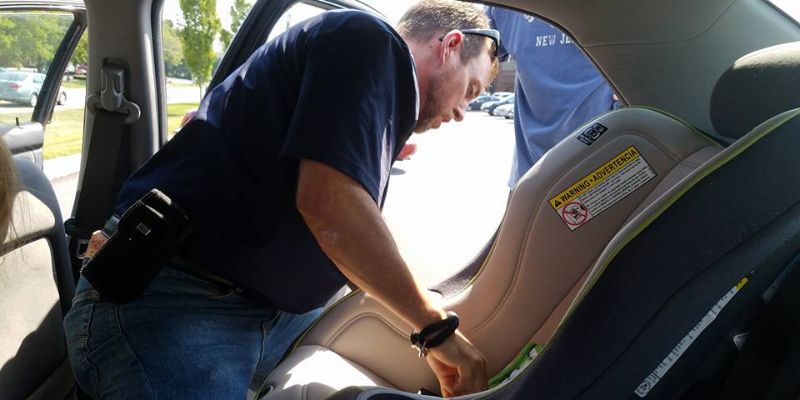
This is the step most parents get wrong. A car seat that isn’t installed tightly loses much of its protection regardless of how good the seat itself is. Use either the LATCH system or your vehicle’s seat belt — not both at once unless the manual specifically allows it — and follow both the car seat manual and your vehicle’s manual. Once installed, the seat should not move more than one inch side-to-side or front-to-back when you grab it at the belt path and pull.
Adjust the Harness
The harness should sit snug against your child’s body with no slack. For forward-facing use, the shoulder straps go at or above your child’s shoulders (the opposite of rear-facing, where they sit at or below), and the chest clip belongs at armpit level. Use the pinch test: if you can pinch the strap webbing between your fingers at the shoulder, it’s still too loose.
Use the Tether
Nearly every forward-facing seat has a top tether strap that anchors to a dedicated point in your vehicle, usually behind the seatback or on the rear parcel shelf, and it’s the part parents most often skip. At national car-seat check events, technicians consistently find that roughly 6 in 10 forward-facing seats they inspect have a tether that either isn’t attached or is attached to the wrong hardware, such as a cargo hook. That matters because the tether can limit how far the seat pitches forward in a crash by several inches — check your vehicle’s manual for the exact anchor location, and never substitute a cargo loop or luggage hook for it.
Test the Setup
Before your first drive with the new setup, buckle your child in and double-check everything: harness tightness, chest clip position, tether tension, and how much the seat itself can move. If you’re not confident you got it right, a free inspection from a certified technician catches mistakes that are easy to miss on your own — NHTSA’s car seat safety page has a tool for finding an inspection station near you.
Common Mistakes to Avoid When Switching
A handful of mistakes account for most of the problems inspectors see at car seat check events:
- Switching too early: Moving a child to forward-facing at 12–18 months because they “seem big” ignores the actual weight and height limits — wait until the seat’s rear-facing limit, generally 2 or older.
- Loose installation: A seat that shifts more than an inch isn’t secure. Re-check the manual and re-tighten the LATCH straps or seat belt until it passes the pull test.
- Wrong harness position: For forward-facing, the shoulder straps need to sit at or above the shoulders, not below them.
- Skipping the tether: As covered above, this is the single most common installation error technicians find — don’t skip it.
Where to Get Help with Car Seat Installation
If installing a forward-facing seat feels overwhelming, you don’t have to figure it out alone:
- Car seat technicians: Many fire stations, hospitals, and police departments offer free car seat inspections by certified Child Passenger Safety Technicians.
- Manufacturer videos: Most car seat brands post model-specific installation videos on their own websites, which are more useful than generic tutorials since hardware varies by model.
- Local safety events: Many communities host car seat safety days where technicians check your installation for free — search for one in your area before a long trip.
- No second adult available? If you’re installing solo and struggling with the middle seat specifically, see our guide on installing a car seat in the middle seat without LATCH.
Car Seat Laws in the USA
Car seat laws vary by state and set only the legal minimum, which is usually looser than the AAP’s safety recommendation. In most states, children must ride in a car seat until at least age 4 or 40 pounds, and some states specifically require rear-facing until age 2. California, for example, requires rear-facing until age 2 unless the child is over 40 pounds or 40 inches tall. Because these rules change and vary by state, check your own state DMV page for the current requirement rather than relying on a general guide.
Following the AAP’s guidance — rear-facing until your seat’s actual limit, forward-facing until at least age 4 — is almost always stricter, and safer, than any state’s legal minimum.
How to Keep Your Child Comfortable in a Forward-Facing Seat
Comfort shouldn’t come at the cost of safety, but there’s room to make forward-facing rides more pleasant:
- Padding and support: Manufacturer-approved seat pads or inserts add cushioning without interfering with the harness fit.
- Entertainment: A few toys or a tablet holder mounted on the seatback ahead can make longer drives easier on toddlers.
- Recline angle: Many forward-facing seats include a recline adjustment — use it within the range the manual allows, since over-reclining a forward-facing seat can affect harness geometry.
The Next Step: When to Move to a Booster Seat
After forward-facing, the next stage is a booster seat, generally once a child outgrows the forward-facing harness’s weight or height limit, usually somewhere around 4–5 years old and 40–65 pounds depending on the specific seat. Boosters raise a child so the vehicle’s own lap-and-shoulder belt sits correctly across the hips and chest instead of the neck and stomach. For the specific signs your child is ready for that switch, see our guide on when to use a booster car seat.
The Importance of Regular Car Seat Checks
Even after the switch to forward-facing, a car seat needs periodic re-checking. Kids grow quickly, harness straps can loosen over normal use, and any seat that’s been in a crash — even a minor one — should generally be replaced regardless of how it looks. Re-check harness height and tightness every few months, and see our guide on how many years a car seat stays safe to use if your seat is more than a couple of years old, since every seat has an expiration date molded into the plastic.
Why Convertible Car Seats Are a Popular Choice
Convertible seats cost more upfront than a basic infant seat, but they grow with a child from rear-facing through forward-facing, and sometimes into a booster mode, in a single product. That means one purchase instead of two or three, and one installation to get right instead of repeating the process with a new seat every year or two. If you’re comparing seat types before you buy, our explainer on what a convertible car seat means breaks down exactly what “convertible” covers.
Conclusion
Switching to a forward-facing car seat isn’t about a birthday or how big your child looks — it’s about the weight and height limit printed on your specific seat, followed by an installation that’s actually tight, a harness that’s actually snug, and a tether that’s actually attached. Get those three things right and you’ve covered the part of car seat safety that matters most. For more on keeping your child comfortable and visible on the road, see our guide to the best baby car mirrors for keeping an eye on a rear-facing or forward-facing seat.
FAQs
When should I switch my child to a forward-facing car seat?
Switch once your child reaches the maximum weight or height limit printed on their rear-facing seat, which for most kids is around age 2 or older. Check your specific seat’s manual for the exact numbers.
Is it safe to switch to forward-facing before age 2?
It’s not recommended. Rear-facing better protects a child’s head, neck, and spine in a crash, and most safety guidance treats age 2 as an absolute floor rather than a target.
How do I know if my car seat is installed correctly?
The seat shouldn’t move more than an inch side-to-side or front-to-back at the belt path. Use either the LATCH system or the seat belt as your manual specifies, and have a certified car seat technician check it if you’re unsure.
Can my child’s legs be bent in a rear-facing seat?
Yes. Bent or crossed legs are normal, comfortable, and safe for young children, and this on its own is not a reason to switch to forward-facing.
What’s the difference between a convertible and an all-in-one car seat?
A convertible seat goes from rear-facing to forward-facing. An all-in-one seat does that plus converts to a booster, which can make it last longer as your child grows.
Do I need to use the top tether for a forward-facing seat?
Yes. The top tether limits how far the seat pitches forward in a crash, and it’s the single most commonly skipped step — roughly 6 in 10 forward-facing seats checked at safety events are missing it.
When should I move from a forward-facing seat to a booster?
Once your child outgrows the forward-facing harness’s weight or height limit, typically around 4–5 years old and 40–65 pounds depending on the seat. Check your specific seat’s limits before switching.
Where can I get help with car seat installation?
Visit a local fire station, hospital, or car seat safety event. Many offer free installation checks by certified Child Passenger Safety Technicians.
Products related to this article
Sponsored / affiliate links. As an Amazon Associate I earn from qualifying purchases. I may earn additional commission from eligible campaigns.