What Is Manual Air Conditioning in a Car? Full Guide
Many car owners wonder about the different types of air conditioning systems in vehicles. Specifically, figuring out What Is Manual Air Conditioning in a Car? Full Guide can sometimes feel a bit tricky if you’re new to cars.
You might see different knobs and buttons and feel unsure about how they all work together. Don’t worry, it’s simpler than it looks! This guide will walk you through everything you need to know, step by step, so you can feel confident about your car’s cooling system.
Get ready to learn how to stay cool and comfortable on your drives.
Understanding Manual Air Conditioning Systems
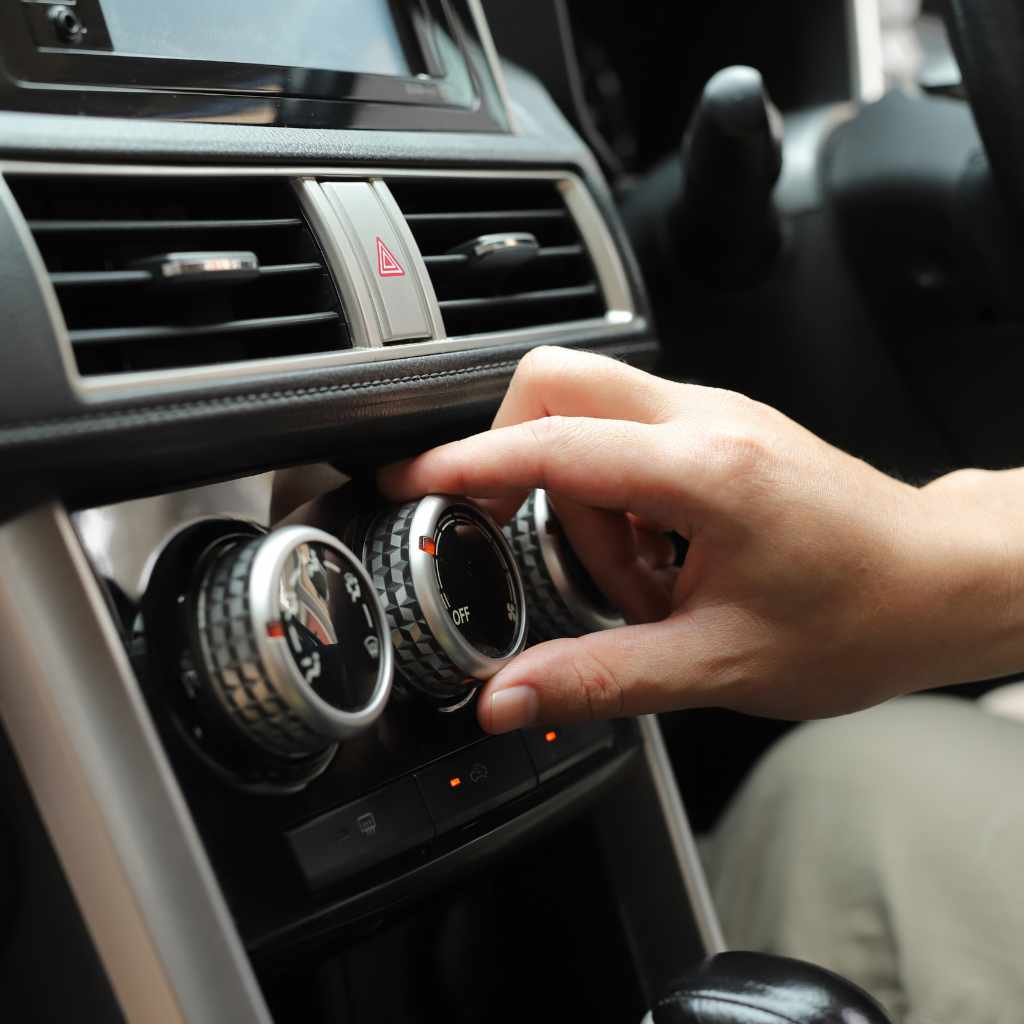
Manual air conditioning in a car refers to a system where the driver directly controls the temperature, fan speed, and air direction using physical knobs, sliders, or buttons. Unlike automatic systems that use sensors and a computer to maintain a set temperature, manual AC requires constant user input to adjust the cabin’s climate. This type of system is found in older vehicles or base models of newer cars and is known for its straightforward operation and ease of repair.
It puts the driver in charge of every cooling setting, offering a direct and tactile experience.
Components of a Manual Air Conditioning System
At its core, a manual car AC system has several key components that work together to cool the air. Understanding these parts is essential to grasping how the whole system functions and what might be going wrong if it’s not cooling properly. Each piece plays a specific role in the cooling cycle, from generating the cold air to distributing it throughout the cabin.
Let’s break down these essential elements.
The Compressor
The compressor is often called the heart of the AC system. It’s a belt-driven pump that pressurizes the refrigerant, a special fluid that circulates through the system. This pressurization is a critical step because it allows the refrigerant to change from a low-pressure gas to a high-pressure liquid.
Think of it like squeezing a sponge; when you squeeze it, the liquid inside has nowhere to go and becomes more concentrated. In the AC system, this increased pressure also raises the refrigerant’s temperature. Without the compressor doing its job, the refrigerant wouldn’t be able to absorb heat effectively, and your car wouldn’t get cold air.
The Condenser
The condenser is located at the front of the car, usually in front of the radiator. Its main job is to release the heat absorbed by the refrigerant from the car’s cabin. After the compressor pressurizes the refrigerant, it’s a hot, high-pressure liquid.
As this hot liquid flows through the condenser, which has fins like a radiator, air from the outside (either from the car moving or a dedicated fan) blows across these fins. This airflow cools the refrigerant, causing it to change from a hot, high-pressure liquid into a warm, high-pressure liquid. This process is similar to how a radiator cools your engine by releasing heat into the air.
The Expansion Valve or Orifice Tube
After passing through the condenser, the refrigerant is still a warm, high-pressure liquid. To cool it down further and prepare it for heat absorption, it needs to go through a pressure drop. This is where the expansion valve or orifice tube comes in.
This small component acts like a bottleneck. When the high-pressure liquid refrigerant passes through it, the pressure is suddenly reduced. This rapid pressure drop causes the refrigerant’s temperature to plummet, turning it into a very cold, low-pressure mixture of liquid and vapor.
This is a key step in making the air that blows into your car feel cool.
The Evaporator
The evaporator is located inside the car, usually behind the dashboard. It’s the component responsible for the actual cooling of the cabin air. The very cold, low-pressure refrigerant mixture enters the evaporator.
As warm air from the car’s interior is blown across the evaporator’s fins by the blower motor, the heat from this air is absorbed by the cold refrigerant. This absorption causes the refrigerant to turn back into a low-pressure gas, which is then sent back to the compressor to start the cycle again. As the heat is drawn out of the cabin air, the air becomes cooler, and moisture from the air condenses on the cold evaporator fins, which is why you often see water dripping from under your car when the AC is running.
The Blower Motor
The blower motor is essentially a fan that pushes air through the AC system and into the car’s cabin. In a manual AC system, the fan speed is controlled by a knob or switch, typically with multiple settings (e.g., low, medium, high). This motor draws air from either outside the car or from the recirculation setting (explained later) and forces it through the evaporator.
The speed of the blower motor directly affects how quickly cool air is delivered to the occupants and how much air is exchanged in the cabin. A stronger fan speed means more air passes over the cold evaporator, resulting in faster cooling but also potentially more noise.
How the Controls Work
In a manual AC system, you’ll typically find a set of knobs or sliders on your dashboard. These controls give you direct command over the entire cooling process. Understanding what each one does is the first step to effectively managing your car’s temperature on a hot day.
They are designed for simplicity and direct action, meaning you see a change almost immediately when you adjust them.
Temperature Control
This knob or slider allows you to select your desired cabin temperature. It doesn’t actually “create” cold air but rather controls how much hot air is mixed with the cold air coming from the evaporator. When you turn the temperature knob to the coldest setting, the system allows maximum cold air from the evaporator to enter the cabin.
As you turn it towards warmer settings, it gradually mixes in some warmer air (which is air that has passed over a heater core but not been heated, or it redirects air before it gets cooled) to raise the cabin temperature. It’s like a faucet where you can mix hot and cold water to get the perfect shower temperature.
Fan Speed Control
The fan speed control, often a rotary knob with numbers or settings like “Low,” “Medium,” and “High,” dictates how fast the blower motor runs. A higher fan speed pushes more air through the vents, leading to quicker cooling but also potentially more noise. A lower fan speed is quieter and uses less energy but cools the cabin more slowly.
You’ll adjust this based on how quickly you need to cool down or how quiet you want the cabin to be. Some systems might also have an “Off” setting for the fan.
Airflow Direction Control
This control determines where the cool air is directed within the cabin. You’ll usually find options for directing air to the windshield (defrost), the dashboard vents (face), the floor, or a combination of these. For example, you might select “face” to feel cool air on your upper body, “floor” to warm your feet in winter, or “windshield” to clear fogging.
In manual systems, you’ll typically need to switch between these settings manually as your needs change.
Recirculation vs. Fresh Air Setting
This is a crucial setting for efficiency and cooling speed. The “Fresh Air” setting draws air from outside your car and cools it. The “Recirculation” setting, usually indicated by an icon of a car with an arrow looping inside it, means the system takes the air already inside your car, cools it, and blows it back out.
Using recirculation is generally more effective for cooling because the air inside the car is already cooler than the outside air, and the system doesn’t have to work as hard to lower its temperature. It also helps keep outside odors and pollutants from entering the cabin.
Benefits of Manual Air Conditioning
While automatic climate control offers convenience, manual AC systems have their own set of advantages that make them a popular choice, especially in less expensive vehicles or for those who prefer a hands-on approach. Their simplicity translates into tangible benefits that drivers can appreciate on a daily basis, contributing to a reliable and straightforward ownership experience.
Simplicity and Ease of Use
The biggest advantage of manual AC is its straightforward operation. With just a few knobs or buttons, you can control all aspects of the climate. There are no complex menus or digital displays to decipher.
This makes it incredibly easy for anyone to use, regardless of their technical skill. If something isn’t working, it’s often easier to diagnose the issue because there are fewer electronic components involved. This simplicity means fewer things can go wrong, leading to a more reliable system over time.
Lower Cost of Ownership
Manual AC systems are generally less expensive to manufacture and therefore contribute to a lower initial purchase price for the vehicle. Furthermore, when repairs are needed, they are often more affordable. This is because the components are typically less complex and don’t involve sophisticated electronics or sensors.
A mechanic can often diagnose and fix a problem with a manual system more quickly, saving you labor costs. This translates to lower overall ownership costs throughout the life of the car.
Durability and Reliability
Fewer electronic parts mean fewer potential points of failure. Manual AC systems rely on mechanical controls and simpler electrical circuits. This can make them more durable and less prone to breakdowns compared to their automatic counterparts, which are packed with sensors, microcontrollers, and actuators.
For drivers who prioritize dependability and want a system that will keep working for years with minimal fuss, manual AC is a solid choice. They are built to withstand the rigors of daily use without the electronic glitches that can sometimes plague more complex systems.
Easier to Repair
When a component in a manual AC system fails, it’s often easier for a mechanic to identify and replace. The diagnostic process is usually less involved because the system is less reliant on software or complex electronic signals. Many common issues, like a faulty fan motor or a leak in the refrigerant lines, can be pinpointed and fixed relatively quickly.
This not only saves time but also reduces the cost of repairs, making maintenance more manageable for the car owner.
How Manual Air Conditioning Works Step-by-Step
To truly grasp what makes your car cool on a hot day, let’s walk through the journey of the refrigerant and air through the manual AC system. This process, while seemingly complex, is a continuous cycle that happens whenever your AC is switched on and set to cool. By following the refrigerant’s path, you’ll see exactly how heat is extracted from your car’s interior and expelled outside.
The Refrigerant Cycle Explained
The magic of air conditioning lies in a special fluid called refrigerant. This fluid has the unique ability to absorb heat when it evaporates and release heat when it condenses. The entire system is a closed loop where the refrigerant constantly circulates, changing its state from liquid to gas and back again, and in doing so, it moves heat from one place to another.
In your car’s AC, this means moving heat from inside the cabin to the outside air.
Step 1 Compressor Engages
When you turn on your AC and set it to cool, the system’s clutch engages the compressor. This pulley-driven pump starts to spin, drawing in low-pressure, gaseous refrigerant from the evaporator. The compressor then squeezes this gas, increasing its pressure and temperature significantly.
This hot, high-pressure gas is then pushed out of the compressor.
Step 2 Refrigerant Travels to the Condenser
The hot, high-pressure gaseous refrigerant then flows through lines to the condenser, which is typically located at the front of your car. As air passes over the condenser’s fins (either from the car’s movement or a fan), the refrigerant cools down. This cooling causes the refrigerant to change from a hot gas into a warm, high-pressure liquid.
Step 3 Pressure Drop at the Expansion Valve
This warm, high-pressure liquid then moves towards the expansion valve (or orifice tube). This is a small, critical component that restricts the flow of refrigerant. As the liquid is forced through this restriction, its pressure drops dramatically.
This rapid pressure decrease causes the refrigerant’s temperature to drop significantly, turning it into a very cold, low-pressure mixture of liquid and vapor.
Step 4 Heat Absorption in the Evaporator
This super-cooled, low-pressure refrigerant then flows into the evaporator, which is housed inside your car’s dashboard. The blower motor pushes warm cabin air across the cold fins of the evaporator. As the warm air passes over the cold surfaces, the heat from the air is absorbed by the refrigerant.
This absorption causes the refrigerant to heat up and evaporate, turning back into a low-pressure gas. The air, now stripped of its heat, becomes cool and is blown into the cabin through your vents.
Step 5 Return to the Compressor
The low-pressure gaseous refrigerant, having absorbed heat from the cabin, then travels back to the compressor. Here, it’s compressed again, and the entire cycle repeats continuously as long as the AC system is running and set to cool. This constant circulation and change of state for the refrigerant is what allows the AC system to effectively remove heat from the interior of your car.
Troubleshooting Common Manual AC Issues
Even the simplest systems can encounter problems. If your manual AC isn’t blowing cold air or is making strange noises, a few common culprits usually stand out. Being able to identify these potential issues can save you time and money when seeking professional help or even attempting a simple fix yourself.
Weak or No Airflow
If you’re getting very little air, or no air at all, from your vents, the first thing to check is the blower motor and its speed setting. Ensure the fan speed knob is turned up and not set to “Off.” The blower motor itself might be failing, or there could be a blockage in the cabin air filter or the ductwork preventing air from flowing freely. A clogged cabin air filter is a very common cause of reduced airflow and is relatively easy to replace.
Some cars have a cabin air filter located behind the glove box or under the dashboard, making it accessible for DIY replacement. If the blower motor is the issue, it will likely need to be replaced.
Insufficient Cooling
When the air blows, but it’s not cold enough, the problem often lies with the refrigerant charge or the compressor. A low refrigerant level is the most common reason for poor cooling. This usually indicates a leak somewhere in the system that needs to be found and repaired before the system can be recharged.
If the refrigerant level is adequate, the compressor might not be engaging properly, or it could be worn out and not producing enough pressure. Other possibilities include a dirty condenser that can’t release heat effectively, or a malfunctioning expansion valve/orifice tube.
Strange Noises
Whining, rattling, or grinding noises coming from the AC system can point to several issues. A squealing sound might indicate a worn or loose belt driving the compressor. A grinding noise could mean the compressor bearings are failing.
Rattling might come from a loose component or debris caught in the fan. Sometimes, a faint hissing sound is normal as the refrigerant flows, but loud or unusual noises usually mean something needs attention. It’s best to have a mechanic listen to these noises to diagnose the exact problem before it leads to more significant damage.
AC Only Blows Cold When Driving
This is a classic symptom of a condenser fan issue. The condenser needs airflow to release heat from the refrigerant. When you’re driving, the car’s motion provides this airflow.
However, when you’re stopped or driving slowly, the condenser fan is supposed to kick in to provide airflow. If the condenser fan isn’t working, the refrigerant won’t cool down enough when the car is stationary, leading to warm air. This points to a problem with the fan motor, its relay, or its fuse, all of which are typically located in front of the radiator.
Maintenance Tips for Manual AC
Keeping your manual AC system in good shape doesn’t require a degree in automotive engineering. Simple, regular maintenance can prevent costly repairs and ensure your system performs optimally for years to come. These practices are designed to catch small issues before they become big problems.
-
Regularly Change the Cabin Air Filter
The cabin air filter is often overlooked but is crucial for both the performance of your AC and the air quality inside your car. A dirty or clogged filter restricts airflow, making your AC work harder and blow less effectively. It can also lead to musty odors.
Check your owner’s manual for its location and recommended replacement interval, which is typically every 15,000 to 30,000 miles, or more often if you drive in dusty conditions.
-
Run Your AC Regularly
Even in cooler weather, it’s a good idea to run your AC for a few minutes each month. This helps to keep the seals in the system lubricated and prevents refrigerant from leaking out. If the seals dry out, small leaks can develop over time, leading to a gradual loss of cooling performance.
Running the system also ensures that all components are moving and functioning as they should.
-
Keep the Condenser Clean
The condenser, located at the front of your car, can get clogged with dirt, leaves, and road debris. This prevents it from effectively releasing heat from the refrigerant. Periodically (e.g., during oil changes), visually inspect the condenser and gently clean it with a hose or a soft brush if it appears dirty.
Be careful not to bend the delicate fins.
-
Listen for Unusual Noises
As mentioned in the troubleshooting section, strange noises are often the first sign of trouble. Pay attention to any squealing, grinding, or rattling sounds that seem to come from the AC system. Addressing these early can prevent more severe damage to components like the compressor.
-
Check for Leaks
While you might not always see obvious puddles, signs of AC leaks can include oily residue around AC lines or components, or a gradual decrease in cooling performance over time. If you suspect a leak, it’s best to have it professionally diagnosed and repaired, as refrigerant is a hazardous substance.
What Is Manual Air Conditioning in a Car? Full Guide Applications
Understanding manual AC isn’t just about knowing the parts; it’s about knowing when and why it’s used, and how it impacts your driving experience. This system has been the standard for decades, and its presence today in certain vehicle segments still makes it highly relevant for many car owners around the globe.
Vehicles Featuring Manual AC
Manual air conditioning systems are commonly found in entry-level vehicles, economy cars, and older models. Manufacturers choose manual AC for its cost-effectiveness, both in production and for the consumer. It’s a reliable way to offer the comfort of air conditioning without significantly increasing the sticker price of the vehicle.
You’ll often see it in compact cars, sedans, and even some trucks where advanced climate control isn’t a primary selling point or is offered as an optional upgrade.
User Scenarios and Best Practices
Imagine a hot summer day. You get into your car, which has been sitting in the sun. With a manual AC system, you’d first turn the fan speed up high and set the temperature to the coldest setting.
You’d likely engage the recirculation mode to cool the existing cabin air faster. Once the cabin starts to feel comfortable, you might then adjust the fan speed down to a quieter setting and perhaps mix in a little warmer air if it becomes too cold. If you’re driving on a highway, you might keep the vents directed towards you for maximum immediate cooling.
If you need to defog the windshield, you’d switch the direction control to the windshield setting. These are practical, everyday uses where direct control is simple and effective.
Comparing Manual AC to Automatic AC
The primary difference lies in control and precision. Automatic AC systems use sensors to monitor cabin temperature, humidity, and even sunlight, then use a computer to adjust the fan speed, temperature mix, and air direction to maintain a set point precisely. Manual AC requires the driver to make these adjustments.
While automatic systems offer set-it-and-forget-it convenience, manual systems offer direct, immediate control and are generally simpler and cheaper to maintain. For instance, if you want a quick blast of cold air, you can simply turn the fan speed to maximum and temperature to coldest on a manual system. An automatic system might take a moment to recognize the need for rapid cooling and adjust accordingly.
| Feature | Manual Air Conditioning | Automatic Air Conditioning |
|---|---|---|
| Control Type | Knobs, sliders, physical buttons | Digital display, buttons, touch screen |
| Temperature Regulation | Driver manually mixes hot and cold air | System automatically maintains set temperature |
| Fan Speed | Driver selects fixed speeds (Low, Med, High) | System automatically adjusts fan speed |
| Airflow Direction | Driver manually selects vents | System automatically adjusts vents |
| Complexity | Simple, fewer electronic components | Complex, multiple sensors and computer control |
| Cost | Lower initial cost, often lower repair cost | Higher initial cost, potentially higher repair cost |
| Maintenance | Generally simpler and more reliable | Requires specialized diagnostics for electronic issues |
Frequently Asked Questions
Question: What does recirculate mean in my manual AC?
Answer: The recirculate setting means your car’s AC will take the air already inside the cabin and cool it down, instead of drawing in hot air from outside. This makes the AC work more efficiently and cool the car down faster, especially on very hot days.
Question: Why isn’t my manual AC blowing cold air anymore?
Answer: This could be due to several reasons, most commonly a low refrigerant level, which usually means there’s a leak in the system. Other possibilities include a faulty compressor, a clogged condenser, or a problem with the expansion valve or orifice tube.
Question: How often should I get my manual AC serviced?
Answer: While manual AC systems are generally reliable, it’s good practice to have them checked periodically, perhaps every 1-2 years, or if you notice any performance issues like reduced cooling or strange noises. Regular checks can help catch small problems before they become major repairs.
Question: Can I add refrigerant to my manual AC myself?
Answer: While DIY refrigerant recharge kits are available, it’s often best to have a professional do it. Overcharging the system can cause damage, and if there’s a leak, just adding refrigerant won’t fix the underlying problem and the cooling will be temporary.
Question: What is the difference between AC and just fan on my manual controls?
Answer: When you use just the “fan” setting, the blower motor is running and pushing air, but the AC compressor is not engaged, so the air is not cooled. The “AC” setting engages the compressor, which then cools the air passing through the evaporator before it’s blown into the cabin.
Final Thoughts
Understanding What Is Manual Air Conditioning in a Car? Full Guide means recognizing its straightforward design and direct control. It’s a system built on fundamental principles of thermodynamics, using refrigerant to absorb and release heat.
The components, from the compressor to the evaporator, work in a continuous cycle to remove warmth from your car’s interior. For many drivers, the simplicity of manual controls—adjusting temperature, fan speed, and airflow direction—offers a tactile and predictable way to manage comfort. While automatic systems offer advanced convenience, the reliability and lower cost associated with manual AC remain significant advantages.
Regular maintenance, like changing cabin air filters and keeping the condenser clean, ensures this dependable system continues to perform well. If you encounter issues, troubleshooting common problems such as weak airflow or lack of cold air can often lead you to a solution. By knowing how your manual AC works and performing basic upkeep, you can enjoy cool drives for many miles to come.