What Is The L Gear For In A Car? A Simple Guide To Low Gear
I’ll never forget the first time I noticed the “L” on my car’s gear shift. I was on a steep hill, nervous about my car rolling backward, when a friend casually said, “Just pop it in L!” I did, and it was like magic—my car felt steady and strong. That moment sparked my curiosity about what the L gear really does. In this article, I’ll explain the L gear in a way anyone can understand, whether you’re a new driver, a car enthusiast, or just curious. You’ll learn what it is, when to use it, and some easy tips to make driving smoother. Let’s dive in!
What Is The L Gear In A Car?
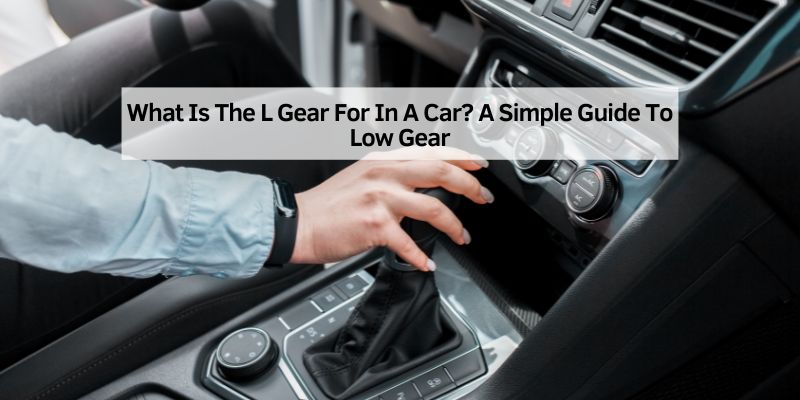
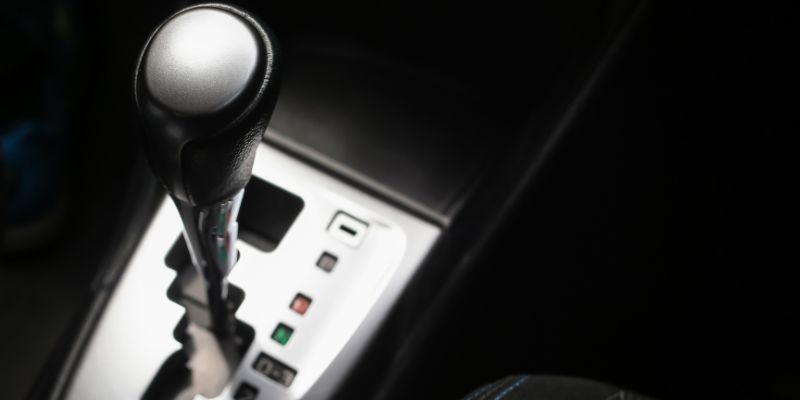
The “L” on your gear shift stands for “Low.” It’s a setting on automatic transmissions that keeps your car in a lower gear. This gives your engine more power but keeps your speed slow. Think of it like pedaling a bike in a low gear—it’s easier to climb a hill, but you don’t go fast. The L gear is perfect for situations where you need control, like towing a trailer or driving down a steep road. It’s a simple way to make your car work harder without speeding up.
Why does this matter? Using the L gear can save your brakes and give you better control. It’s like having a superpower for tricky driving moments!
When Should You Use The L Gear?
You don’t need the L gear every day, but it’s a lifesaver in specific situations. Here are the top times to use it:
- Steep Hills: Going down a steep hill? L gear slows your car without overusing your brakes. It’s like letting your engine do the work.
- Towing Stuff: Pulling a trailer or boat? L gear gives your engine extra power to handle the weight.
- Slippery Roads: On icy or muddy roads, L gear keeps your speed low to avoid skidding.
- Rough Terrain: Driving on rocky or uneven paths? L gear helps you stay steady.
I once used L gear while towing a friend’s boat to a lake. The car felt strong, and I didn’t worry about losing control. It was a total game-changer!
How To Use The L Gear: A Simple Guide
Using the L gear is a piece of cake. Here’s a step-by-step guide for beginners:
- Check Your Surroundings: Make sure it’s safe to shift gears. Slow down if needed.
- Move To L: While stopped or moving slowly, slide your gear shift to “L.” It’s usually near “D” (Drive).
- Drive Gently: Press the gas lightly. Your car will stay in a low gear, giving you power and control.
- Shift Back When Done: Once you’re on flat ground or don’t need extra power, shift back to “D.”
Pro Tip: Don’t use L gear at high speeds—it can strain your engine. Stick to slow, tough situations.
Benefits And Drawbacks Of Using L Gear
The L gear is awesome, but it’s not perfect for every drive. Here’s a quick look at the pros and cons:
| Aspect | Benefits | Drawbacks |
|---|---|---|
| Control | Gives you better control on hills or rough roads. | Not ideal for regular driving—too slow. |
| Brake Life | Saves wear on brakes by using engine power. | Can overheat engine if used too long. |
| Power | Great for towing or heavy loads. | Uses more fuel in low gear. |
Visual Idea: A simple diagram showing a car on a steep hill with arrows for engine power (up) and speed (down) could make this clearer.
Comparing L Gear To Other Settings
How does L gear stack up against other gear settings? Let’s break it down:
| Gear | Purpose | Best For |
|---|---|---|
| L (Low) | High power, low speed | Steep hills, towing, slippery roads |
| D (Drive) | Normal driving | Everyday roads, highways |
| 2 (Second) | Moderate power, medium speed | Slight hills, slow traffic |
I like to think of L gear as the “tough guy” of gears—it’s strong but not fast. For regular driving, stick with D. For slight hills, try 2 if your car has it.
Visual Idea: A chart comparing gear settings with smiley faces for “easy,” “medium,” and “tough” situations would be fun and clear.
My Top Tips For Using L Gear
After years of driving, I’ve learned a few tricks with the L gear. Here are my favorites:
- Test It First: Try L gear in a safe, empty lot to feel how your car responds.
- Listen To Your Engine: If it sounds too loud or revs too high, shift back to D.
- Combine With Brakes: Use L gear with light braking for extra control on steep slopes.
One time, I was driving down a snowy hill and used L gear. It felt like my car was hugging the road—no slipping, no stress!
Common Mistakes To Avoid
New drivers often mess up with L gear. Here are pitfalls to dodge:
- Using L At High Speeds: It can hurt your engine. Keep it for slow, tough spots.
- Forgetting To Shift Back: Staying in L too long wastes fuel and strains your car.
- Ignoring Your Manual: Every car is different. Check your owner’s manual for L gear tips.
I once left my car in L gear on a flat road—oops! My engine was roaring, and I felt like a rookie. Lesson learned: always shift back to D when you’re done.
Safety Tips For L Gear Driving
Safety is key when using L gear. Here’s how to stay safe:
- Go Slow: L gear is for low speeds, so don’t rush.
- Check Your Car: Make sure your brakes and engine are in good shape before using L gear.
- Stay Alert: Watch the road for sudden changes, like sharp turns or ice.
For more safety tips, check out the National Highway Traffic Safety Administration for expert advice.
Conclusion
The L gear is like a secret tool in your car. It gives you power and control when you need it most, like on steep hills or when towing. By using it wisely, you can save your brakes, drive safely, and feel like a pro. Try it out next time you’re on a tricky road—it’s easier than you think! Share your L gear stories in the comments or ask me for more tips. Happy driving!
Frequently Asked Questions
What Does The L Gear Do In A Car?
The L gear keeps your car in a low gear for more engine power and less speed. It’s great for steep hills, towing, or slippery roads.
When Should I Use The L Gear?
Use L gear when driving down steep hills, towing heavy loads, or on rough or slippery roads for better control.
Can L Gear Hurt My Car?
Using L gear at high speeds or for too long can strain your engine. Stick to low-speed situations and shift back to D when done.
Is L Gear The Same As Manual Low Gear?
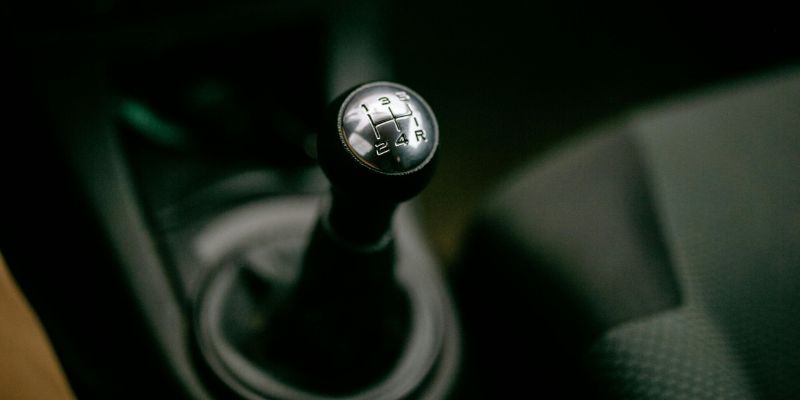
It’s similar! In automatic cars, L gear mimics the low gear in manual cars, giving power without high speed.
Do All Cars Have An L Gear?
Most automatic cars have an L gear, but some use “1” or “2” for low gears. Check your car’s manual.
How Do I Know If I’m Using L Gear Right?
Your engine will sound stronger but not overly loud. If it revs too high, shift back to D.
Can L Gear Save Gas?
No, L gear uses more fuel because it keeps the engine working harder. Use it only when needed.