What Is The Lightest Car: Proven Essential Guide
The lightest car in production today generally refers to ultra-compact electric vehicles (EVs) or specific microcars, often weighing under 1,500 pounds (680 kg). The title frequently shifts based on global regulations and current manufacturing, but historically, lightweight champions focus on minimalism and efficiency.
Have you ever wondered which car weighs the absolute least on the road today? It’s a surprisingly tricky question because manufacturers often hide these figures, or the lightest cars are sold only in specific countries. Many drivers think bigger means safer or better, but lighter cars mean better fuel economy and easier handling.
Don’t worry about confusing weight charts or technical jargon. I’m here to walk you through exactly what makes a car light and who currently holds the title. Let’s demystify car weight together!
Why Does Car Weight Even Matter to the Everyday Driver?
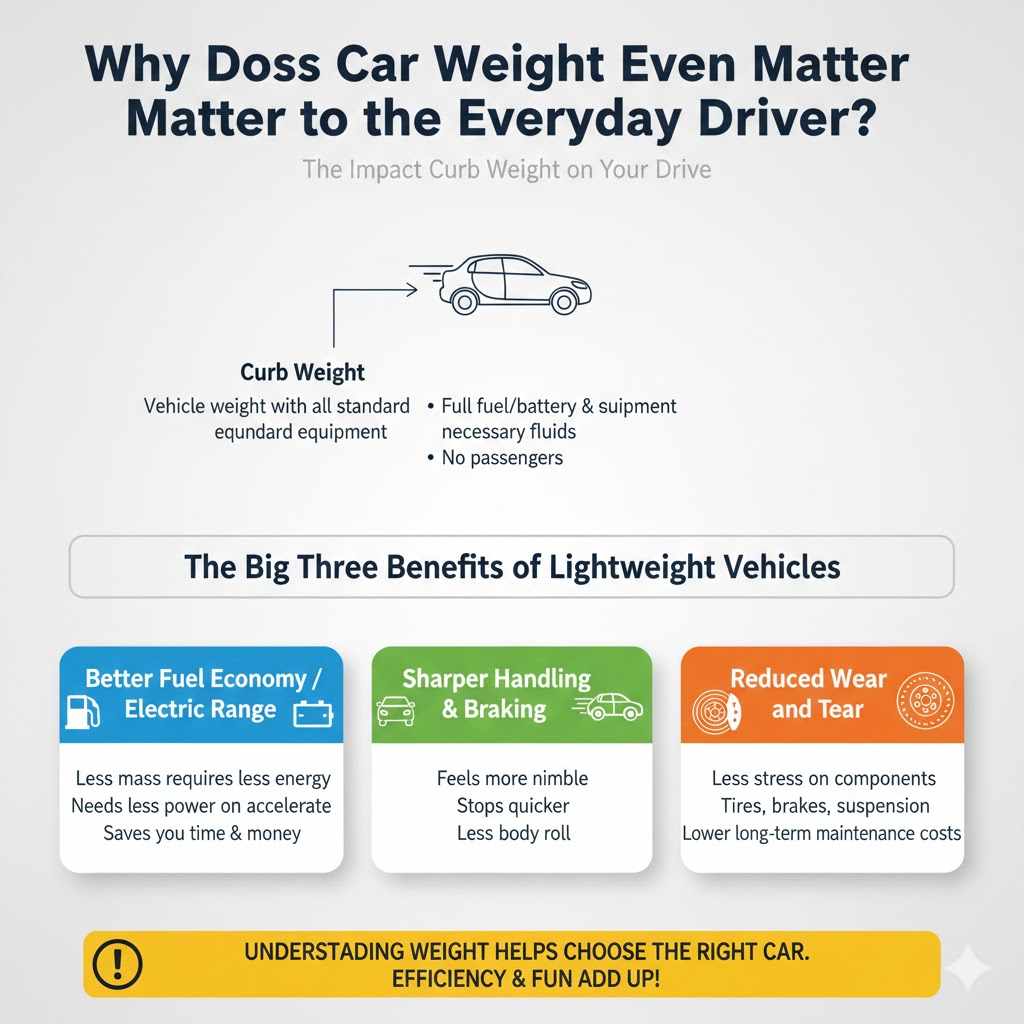
When you talk about car weight, it’s more than just a number on a spec sheet. Vehicle curb weight—that’s the weight of the car with all standard equipment, full fuel/battery, and necessary fluids, but without passengers—directly impacts your daily driving experience. For the average driver, lower weight translates into real, tangible benefits that save you time and money.
The Big Three Benefits of Lightweight Vehicles
- Better Fuel Economy (or Electric Range): Less mass requires less energy to move. Whether you use gasoline or electricity, a lighter car needs less power to accelerate and maintain speed.
- Sharper Handling and Braking: Lighter cars tend to feel more nimble. They stop quicker and handle corners with less body roll, making them feel more responsive and fun to drive, especially around town.
- Reduced Wear and Tear: Lighter vehicles put less stress on crucial components like tires, brakes, and suspension parts. This can lead to lower long-term maintenance costs, which is great for your wallet!
Understanding weight helps you choose a vehicle that fits your driving style and budget. If you commute often, that extra efficiency really adds up.
What Defines the “Lightest Car”? Production vs. Historical Models
The first thing we need to clarify is what kind of “lightest car” we are talking about. Are we looking at cars sold new today (production models), or are we looking at historical records or specialized track cars? For most readers, the practical answer lies in what you can buy right now.
Production Cars: The Current Contenders
The title for the absolute lightest production car often fluctuates based on global market availability. In many major markets (like the US or Europe), safety regulations demand heavier frames, pushing the truly lightest vehicles toward specialized niches like microcars or electric runabouts.
Currently, many of the lightest contenders are small, two-seater electric vehicles designed primarily for urban commuting. These cars sacrifice trunk space and long-distance comfort for pure efficiency.
Historical Benchmarks: Where the Lightest Cars Once Lived
If we look back, the benchmark for lightweight design was often set by small European cars from the 1960s and 70s. These cars were built before modern safety standards required heavy crumple zones and extensive airbags. They prioritized simplicity and low cost.
For context, compare these to modern safety standards. Organizations like the National Highway Traffic Safety Administration (NHTSA) ensure modern vehicles meet strict crash-test ratings, which inherently adds weight due to structural reinforcement.
The Current Champion: Identifying Today’s Lightest Production Car
Pinpointing one single “lightest car” is challenging because manufacturers sometimes release slightly different versions for different regions. However, based on recent global sales data focusing on street-legal vehicles, the titleholder frequently rotates among a few very small electric vehicles.
Focus on Microcars and Neighborhood Electric Vehicles (NEVs)
In several markets, especially in Asia and Europe, the lightest cars are often classified as L7e heavy quadricycles or similar low-speed electric vehicles. These are designed specifically for short trips and parking ease.
Here is a look at some of the lightest vehicles commonly sold recently:
| Vehicle Model | Approximate Curb Weight (Lbs) | Approximate Curb Weight (Kg) | Primary Market Focus |
|---|---|---|---|
| Citroën Ami / Opel Rocks-e | 1,036 lbs | 470 kg | Europe (Urban Mobility) |
| Renault Twizy | 1,014 lbs | 460 kg | Europe (Specialty EV) |
| Wuling Hongguang Mini EV | 1,367 lbs | 620 kg | China (Mass Market EV) |
| Cheapest US-Market Small Car (Example: Mitsubishi Mirage) | 2,300 lbs | 1,043 kg | North America (Entry Level) |
Key Takeaway: As you can see from the table, the true “lightest” cars often weigh significantly less than traditional compact cars sold in places like the US. The Citroën Ami, for example, often weighs less than 1,100 pounds!
What About Street-Legal Sports Cars?
If you are looking for the lightest traditional sports car you might find on a dealership lot, the weights jump considerably, but they are still impressive feats of engineering focused on performance.
For example, cars built with extensive carbon fiber or minimalist design often target weights below 2,000 lbs (907 kg). These cars prioritize driving feel over passenger comfort. Think of models like the Caterham Seven or the Ariel Atom—though these are often considered low-volume or kit cars, they demonstrate excellent lightweight construction principles.
The Historical Lightweight Legends: Setting the Bar High
To truly appreciate how light modern cars are becoming, it helps to look back at the machines that defined lightweight driving decades ago. These vehicles prove that you don’t need massive engines to have fun on the road.
Top Historical Lightweight Icons
- The Original Lotus Seven: Designed by Colin Chapman, the philosophy was “Simplify, then add lightness.” Many original versions weighed under 1,300 pounds. This car is the gold standard for raw, lightweight driving.
- Fiat 500 (Original Model): The iconic Italian bubble car was designed for maximum economy and minimal footprint, often weighing under 1,200 pounds.
- BMW Isetta: While technically a bubble car, this three-wheeled (or sometimes four-wheeled) vehicle weighed shockingly little, sometimes under 800 pounds, making it one of the lightest motorized personal vehicles ever mass-produced for the street.
These historical examples show us that every component matters. Manufacturers back then painstakingly removed anything that didn’t serve a primary function—a lesson modern lightweight design still follows.
Understanding Weight Reduction Techniques (What Engineers Do)
When engineers try to make a car lighter, they don’t just remove the back seats. They use advanced materials and clever design choices. If you are interested in DIY projects or just understanding how modern cars are built, these techniques are fascinating.
Materials Science: Choosing Lighter Over Heavier
The material choice is the single biggest factor in weight reduction.
- Steel (The Standard): Strong and cheap, but heavy.
- Aluminum: Much lighter than steel and very strong, commonly used in high-end suspension parts and body panels today.
- Carbon Fiber: Extremely light and incredibly strong, but very expensive. Used mainly for high-performance structural components or body shells where cost is secondary to weight.
- Magnesium: Even lighter than aluminum, sometimes used for small components like steering wheel frames or specialized wheels, though it requires careful manufacturing.
Design Philosophy: Keeping It Simple
Beyond materials, smart design saves pounds. This involves everything from thinning the glass to optimizing the structure itself. Here are a few key areas where weight is stripped away:
- Powertrain Efficiency: Smaller, more efficient engines or smaller battery packs (for EVs) mean less weight upfront.
- Minimalist Interiors: Reducing sound deadening, using lighter seats, and skipping unnecessary electronic gadgets instantly saves weight.
- Structural Integration: Designing parts to do two jobs at once (e.g., a seat frame that also acts as part of the door structure) saves material overall.
How to Determine the Weight of Your Car
While you might not be shopping for a new microcar today, knowing the weight of your current vehicle is useful for towing capacities, understanding tire load ratings, and even estimating fuel consumption. Here is how you can find that crucial number.
Step-by-Step Guide to Finding Curb Weight
Follow these simple steps to find the official curb weight for your vehicle:
- Check the Driver’s Side Door Jamb Sticker: This is the first and best place to look. Often, the manufacturer provides the Gross Vehicle Weight Rating (GVWR), which is the maximum safe weight (car + passengers + cargo). While not the curb weight, it’s close, and sometimes the curb weight is listed nearby.
- Consult the Owner’s Manual: Flip through the index to the “Specifications” or “Technical Data” section. The curb weight is almost always listed here in a table format.
- Use Reputable Online Resources: Search using the exact year, make, and model of your car along with the term “curb weight.” Websites associated with government agencies or established auto review sites are usually reliable. For US models, checking specifications registered with the Environmental Protection Agency (EPA) can be very accurate.
- Weigh It Yourself (The Most Accurate Way): For true DIY enthusiasts, drive your car onto a certified truck or vehicle scale (often found at recycling centers, large truck stops, or municipal transfer stations). Pay the small fee, and you will get the exact weight of your car at that moment.
Safety Note: Never exceed the GVWR listed on your door sticker, as this impacts braking effectiveness and stability!
The Trade-Offs: Why Isn’t Every Car Feather-Light?
If lighter is so much better for efficiency, why do most SUVs and trucks weigh thousands of pounds more? The answer involves balancing several critical factors that everyday drivers rely on.
The Safety vs. Weight Dilemma
Modern safety is non-negotiable for most buyers. When a vehicle is involved in a collision, the way it manages energy absorption is vital. To achieve high crash-test scores (like those tracked by organizations such as the Insurance Institute for Highway Safety (IIHS)), manufacturers must incorporate stronger, heavier materials into the frame and passenger cell.
A lighter car, unless specifically engineered with advanced, costly materials (like carbon fiber), simply cannot absorb the same impact energy as a heavier, more robustly constructed vehicle.
Comfort and Features Add Mass
Think about everything you expect in a modern car:
- Power windows and seats
- Large infotainment screens and wiring harnesses
- Extensive climate control systems (A/C units, heavy insulation)
- Large batteries (for hybrids and EVs)
- Soundproofing and extra upholstery
All these amenities add hundreds of pounds. The lightest cars mentioned above actively remove many of these creature comforts to save weight.
Beginner’s Guide to Lightweight Driving Confidence
If you drive a heavier car, don’t worry! You don’t need to swap it for a microcar to feel more confident. Focus on maintenance, which keeps your car performing as intended.
Practical Tips to Improve Your Car’s Efficiency
While you can’t easily remove hundreds of pounds safely, you can ensure your car isn’t carrying unnecessary extra weight or dragging its wheels:
- Declutter Your Trunk: Remove junk! Every 100 pounds you remove equals a slight improvement in MPG. Don’t carry around that set of old tires or unused tools.
- Check Tire Pressure Regularly: Underinflated tires increase rolling resistance, making your engine work harder. Check your pressure monthly using the sticker in your door jamb.
- Service Your Filters: A clogged air filter restricts airflow, which can decrease engine efficiency. Changing it is a simple DIY job that makes a difference.
- Practice Smooth Driving: Heavy braking and rapid acceleration waste energy. Gentle starts and anticipating stops keep your car rolling smoothly, mimicking the efficiency of a lighter vehicle.

Frequently Asked Questions (FAQ) for New Drivers
Q1: Is a heavier car always safer than a lighter car?
Not always, but generally, yes, in a collision with a much heavier vehicle. Modern safety engineering is complex, but heavier vehicles have more mass to resist kinetic energy transfer during a crash, which benefits the occupants inside.
Q2: What is the lightest non-electric car commonly available today?
In major markets, the title often goes to small, entry-level economy cars, usually falling in the 2,200 to 2,500-pound range, such as certain trims of the Mitsubishi Mirage or older generations of the Honda Fit.
Q3: How much does adding one passenger change my car’s weight?
If the average passenger weighs 170 pounds, your car’s total moving weight increases by that amount. While this is minor for a standard car, it’s significant for a very light microcar.
Q4: Can I make my current car lighter in a safe way?
Yes, by removing non-essential items like unnecessary cargo, heavy roof racks when not in use, and ensuring your spare tire and tools are the standard weight for your model. Never remove safety components like airbags or structural bracing.
Q5: What is the difference between Gross Vehicle Weight Rating (GVWR) and Curb Weight?
Curb Weight is just the car itself (empty). GVWR is the maximum safe weight the vehicle is allowed to be when fully loaded with fuel, passengers, and cargo. You must always stay below the GVWR.
Q6: Why are electric vehicle batteries so heavy?
Batteries store massive amounts of energy, and current battery technology (lithium-ion) is dense but heavy. The battery pack often constitutes the single heaviest component in an EV, sometimes weighing over 1,000 pounds on its own.
Conclusion: Choosing the Right Balance for You
Figuring out “what is the lightest car” reveals a fascinating engineering trade-off. While specialized microcars and historical icons prove that cars can be incredibly light (under 1,500 lbs), the vehicles available to most drivers today are significantly heavier. This added mass is primarily due to essential modern safety features and the demand for comfort and technology.
For you, the everyday driver, the goal isn’t necessarily to find the absolute lightest car on the planet, but rather to understand how weight affects efficiency and handling. By keeping your current vehicle well-maintained, removing unnecessary clutter, and driving smoothly, you are taking practical steps to maximize its performance and economy. You now have the knowledge to recognize lightweight design, understand the safety trade-offs, and make smarter decisions at the dealership or in your garage. You’ve got this!