What Kind of Gas Does My Car Take: Essential Guide
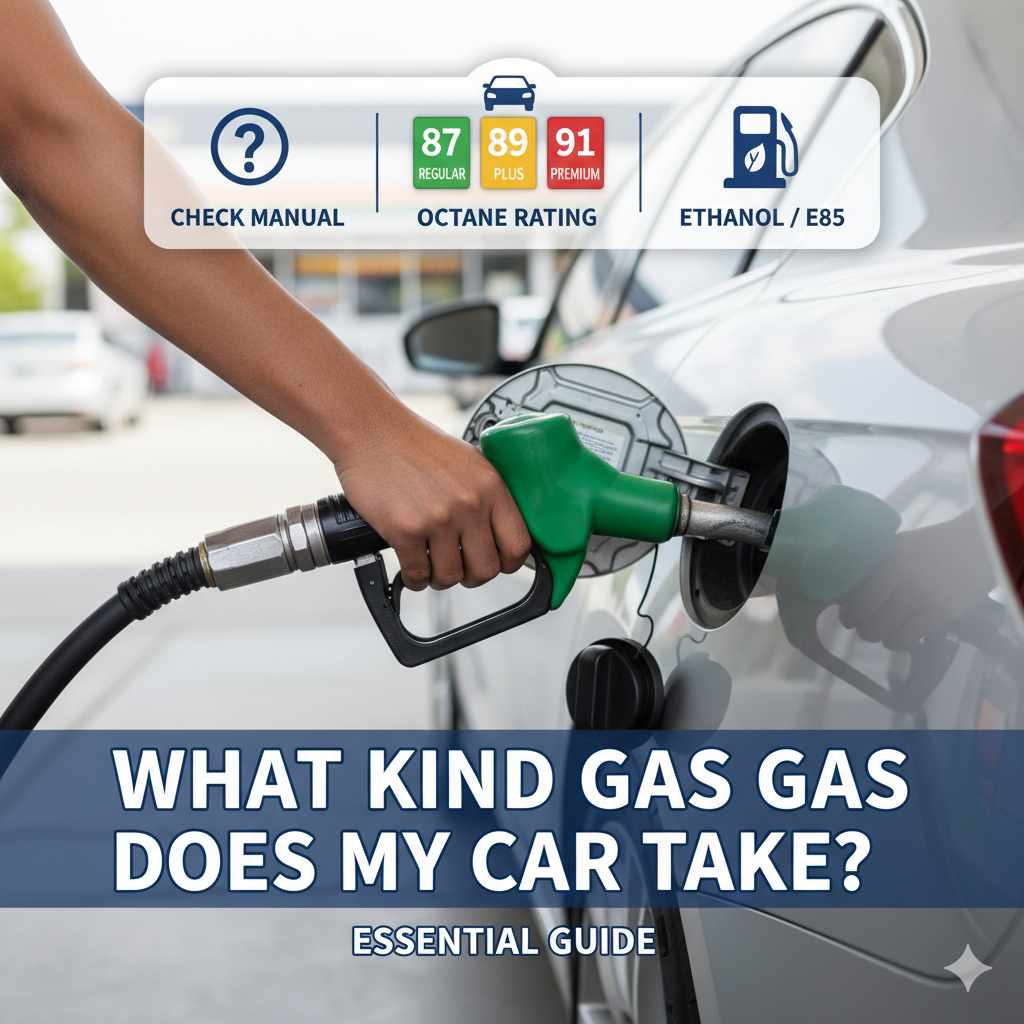
Your car takes a specific type of gasoline. Always check your owner’s manual or the fuel door for the correct octane rating, usually 87 for regular, 89 for mid-grade, or 91+ for premium. Using the wrong gas can harm your engine and cost you money.
Ever stared at a gas station pump, feeling a little lost about which nozzle to choose? You’re not alone! Many drivers find themselves wondering, “What kind of gas does my car take?” It’s a simple question, but getting the answer right is super important for your car’s health and your wallet. Putting the wrong fuel in your car can lead to all sorts of frustrating problems, from rough idling to serious engine damage. But don’t worry, this guide is here to make it crystal clear. We’ll walk you through exactly how to find out what your car needs and why it matters. Let’s get your car the right fuel!
Why Does the Type of Gas Matter So Much?
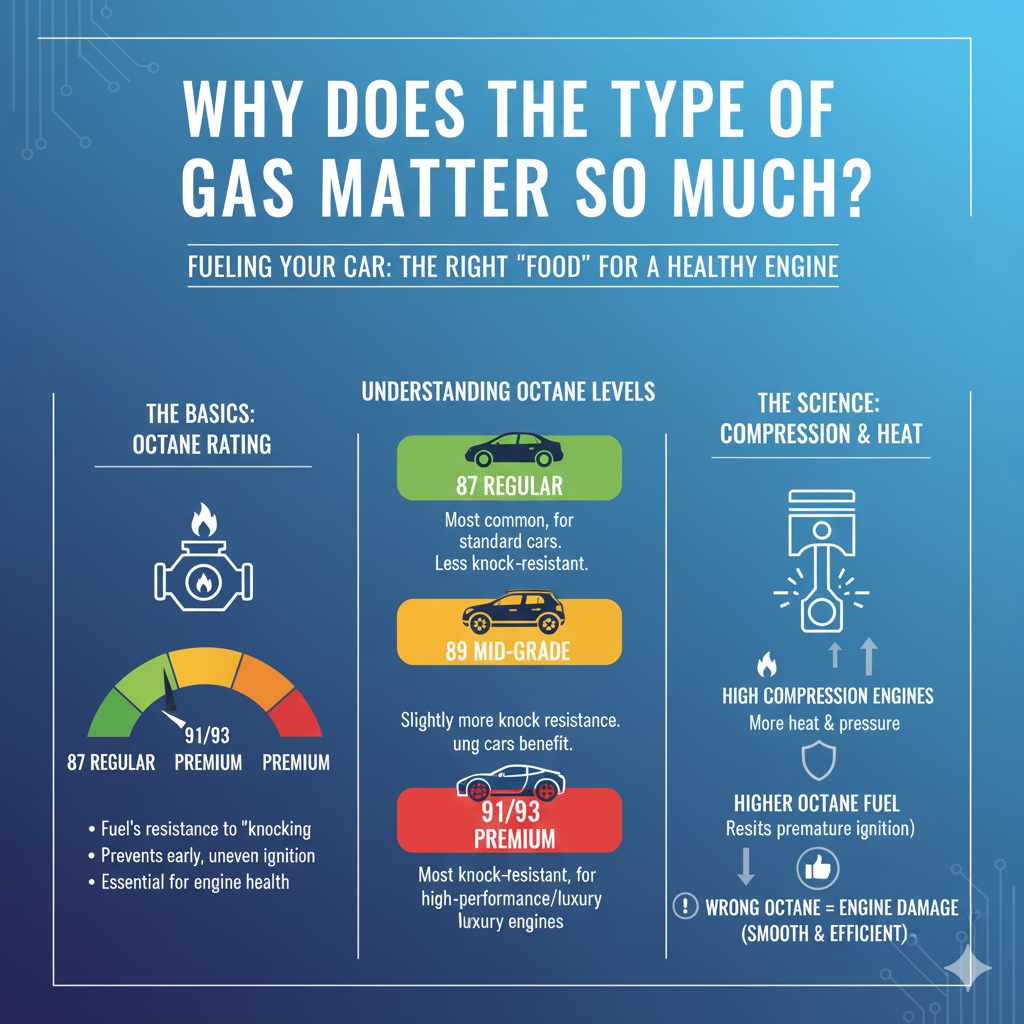
Think of gasoline like the food your car eats. Just like you wouldn’t give a baby steak or expect an athlete to run on candy all day, your car has specific nutritional needs when it comes to fuel. The main thing we talk about with gas is its “octane rating.” This number tells you how resistant the fuel is to “knocking” or “pinging” – that annoying sound your engine might make when the fuel ignites too early or unevenly. Different cars are designed to run best on different octane levels.
Using a lower octane than your car requires can lead to that knocking sound. Over time, this can damage important engine parts. On the other hand, putting in a higher octane than your car needs usually doesn’t offer any extra benefits. It’s like eating a super-rich meal when you only need a light snack; it doesn’t make you stronger, it just costs more. So, knowing the right type of gas is key to keeping your engine running smoothly and efficiently for years to come.
Understanding Octane Ratings
The octane rating you see at the gas pump (like 87, 89, or 91) is a measure of fuel stability. Here’s a simple breakdown:
- Lower Octane (e.g., 87 – Regular): This is the most common type of gasoline and is suitable for the vast majority of cars. It’s less resistant to knocking.
- Mid-Grade Octane (e.g., 89): This offers a bit more protection against knocking than regular. Some cars that “recommend” regular might benefit slightly from mid-grade, but it’s often not a requirement.
- Premium Octane (e.g., 91, 93): This fuel is the most resistant to knocking. It’s typically required for high-performance or luxury vehicles with high-compression engines.
Why does this resistance matter? Modern engines are complex. Some have higher compression ratios, meaning the air and fuel mixture is squeezed more before the spark plug ignites it. This higher compression generates more heat. If the fuel ignites before the spark plug fires, it causes that knocking or pinging sound. Higher octane fuel can withstand this higher pressure and heat without igniting prematurely, leading to a controlled combustion and a smooth-running engine.
How to Find Out What Kind of Gas Your Car Needs
Figuring out the correct fuel for your car is straightforward once you know where to look. There are a few reliable places to check:
1. Your Car’s Owner’s Manual
This is the ultimate reference book for your vehicle. Your owner’s manual contains detailed information about everything your car needs, including the recommended fuel type. It will often specify the minimum octane rating required.
If you no longer have your physical manual, don’t fret! Most car manufacturers offer digital versions of their owner’s manuals on their official websites. Simply search for “[Your Car Manufacturer] owner’s manual” and you should be able to find a downloadable PDF. You can then use the search function within the PDF to quickly find information on fuel requirements. For example, you might search for “fuel,” “gasoline,” or “octane.”
2. The Fuel Filler Door or Cap
Many car manufacturers make it incredibly easy by placing a sticker or label directly inside your car’s fuel filler door or on the fuel cap itself. This sticker will clearly state the recommended or required octane rating for your vehicle.
Look for a small sticker once you open the fuel door. It might say something like “Use 87 Octane” or “Premium Unleaded Fuel Required. Use 91 Octane or higher.” This is often the quickest way to get your answer right at the pump!
3. The Dashboard
Some vehicles, particularly newer models, might have a small label on the dashboard or near the fuel gauge that indicates the required fuel type. It’s less common than the fuel door sticker, but worth a quick glance.
4. Online Resources and Manufacturer Websites
As mentioned, your owner’s manual is likely available online. Beyond that, many automotive websites and forums discuss fuel requirements for specific makes and models. However, always prioritize information directly from the car manufacturer or your owner’s manual, as these are the most authoritative sources.
For instance, if you drive a popular model like a Toyota Camry, you can find reliable information on Toyota’s official site or in automotive reviews that often detail fuel recommendations. Remember, the manufacturer knows your car best!
When Do I Need Premium Fuel?
This is a common question, and the short answer is: only if your car manufacturer says you need it. For most everyday driving, regular 87 octane gasoline is perfectly fine. However, premium fuel (91 octane or higher) is often recommended or required for cars with specific engine designs, such as:
- High-Performance Vehicles: Sports cars and luxury sedans often have powerful engines with high compression ratios that require premium fuel to prevent knocking and achieve optimal performance.
- Turbocharged or Supercharged Engines: These engines force more air into the combustion chamber, increasing pressure and heat. Premium fuel helps them run efficiently and safely.
- Some Luxury or European Brands: Many European manufacturers design their engines with higher compression or turbocharging, making premium fuel a requirement for many of their models.
Table: Octane Requirements Based on Engine Design
| Engine Type/Vehicle Class | Typical Octane Recommendation | Reason for Recommendation |
|---|---|---|
| Standard Commuter Cars | 87 Octane (Regular) | Designed for efficiency and reliability with standard fuel. |
| Some Mid-Range Sedans/SUVs | 87 or 89 Octane (Regular or Mid-Grade) | May optionally benefit from slightly higher octane, but not usually required. |
| Performance Cars, Sports Cars, Luxury Sedans | 91+ Octane (Premium) | High compression ratios, turbocharging, or supercharging require higher octane to prevent engine knock and achieve peak performance. |
| High-Output Turbocharged Engines | 91+ Octane (Premium) | Critical for preventing detonation under high boost pressures. |
If your car’s manual or fuel door says “premium fuel required,” using regular gas can lead to reduced performance, engine pinging, and potential long-term engine damage. The complex computer systems in these cars are designed to take advantage of the higher octane fuel’s properties.
Conversely, if your car is designed for regular 87 octane, putting premium in it is usually a waste of money. The engine simply isn’t designed to take advantage of the higher octane rating, and you won’t see any performance or fuel economy improvements. So, it’s important to read what your car is telling you!
What Happens if You Use the Wrong Gas?
Putting the wrong kind of fuel in your car can cause a range of issues, from minor annoyances to serious, expensive damage. It’s important to understand the potential consequences:
Using Lower Octane Than Required
This is one of the most common mistakes. If your car requires premium fuel (say, 91 octane) and you fill up with regular (87 octane), here’s what might happen:
- Engine Knocking/Pinging: You’ll likely hear a metallic pinging or knocking sound coming from the engine, especially when accelerating. This indicates that the fuel is igniting prematurely.
- Reduced Performance: Your car might feel sluggish, have less power, and accelerate more slowly.
- Check Engine Light: The car’s onboard computer may detect the pre-ignition and illuminate the “Check Engine” light.
- Potential Engine Damage: In the short term, occasional use might not cause immediate catastrophic failure, but prolonged use of lower-octane fuel in an engine that requires higher octane can lead to serious internal engine damage, such as damaged pistons and cylinder heads. This can be a very costly repair.
Using Higher Octane Than Required
If your car only requires regular 87 octane and you fill it with premium 91 or 93 octane, the good news is that you’re unlikely to cause any damage. The engine is not designed for it, so you won’t experience the benefits of the higher octane.
- Wasted Money: Premium fuel is more expensive. You’ll be paying more at the pump for no tangible benefit in performance, fuel economy, or engine longevity.
- No Performance Gain: Your car won’t suddenly become faster or more efficient.
Think of it this way: if your body only needs a regular multivitamin, taking a super-strength, specialized athlete’s supplement won’t make you a better athlete; it’ll just be more expensive and potentially cause an upset stomach. The same principle applies to your car’s fuel.
Using Diesel in a Gasoline Car (or Vice Versa)
This is a critical mistake that can cause severe and immediate engine damage. Gasoline and diesel engines work on completely different principles and use fuel with very different properties.
- Gasoline in a Diesel Car: Gasoline is much less lubricated than diesel. It can quickly cause damage to the high-pressure fuel pump and injectors, which rely on the lubricating properties of diesel fuel. This is an extremely expensive repair.
- Diesel in a Gasoline Car: Diesel fuel is much heavier and oilier than gasoline. It will not combust properly in a gasoline engine. The car will likely sputter, stall, and refuse to run. If you drive it, you risk damaging the fuel injectors, fuel pump, and catalytic converter.
If you realize you’ve put the wrong type of fuel in your car, do not start the engine! If you’ve already started it, turn it off immediately. Your best course of action is to call a towing service and have your car taken to a mechanic or a specialized fuel draining service. They can drain the contaminated fuel tank and flush the fuel system. According to the Environmental Protection Agency (EPA), proper vehicle maintenance, including using the correct fuel, is essential for reducing emissions and keeping your car running efficiently.
Can I Mix Gas Octanes?
In general, it’s not recommended to regularly mix different octane fuels unless your car specifically calls for it. However, in a pinch, most cars designed for regular fuel can tolerate occasional mixes of regular and mid-grade fuel without issue.
Occasional Mixing
If your car requires 87 octane, and the only options available are 87 and 89, filling up halfway with 87 and halfway with 89 will result in a blend that’s somewhere between the two. This is usually acceptable and won’t harm your engine. The octane rating of the blend will be the average of the octane ratings of the fuels mixed.
For example, mixing half a tank of 87 and half a tank of 91 would result in a blend with an octane rating of 89 ( (87+91)/2 = 89 ).
When Not to Mix
- Cars requiring Premium: If your car requires 91 or 93 octane, don’t try to save money by diluting premium fuel with regular. The resulting lower octane might not be enough to prevent engine knock.
- Regularly Aiming for a Specific Octane Between Grades: While you can blend, it’s best to aim for the octane your car manufacturer recommends. Constant blending to hit a middle ground isn’t the intended use and might not be optimal.
The best practice is always to fill your tank with the octane rating specified by your vehicle’s manufacturer. Mixing should be seen as an occasional workaround, not a regular habit.
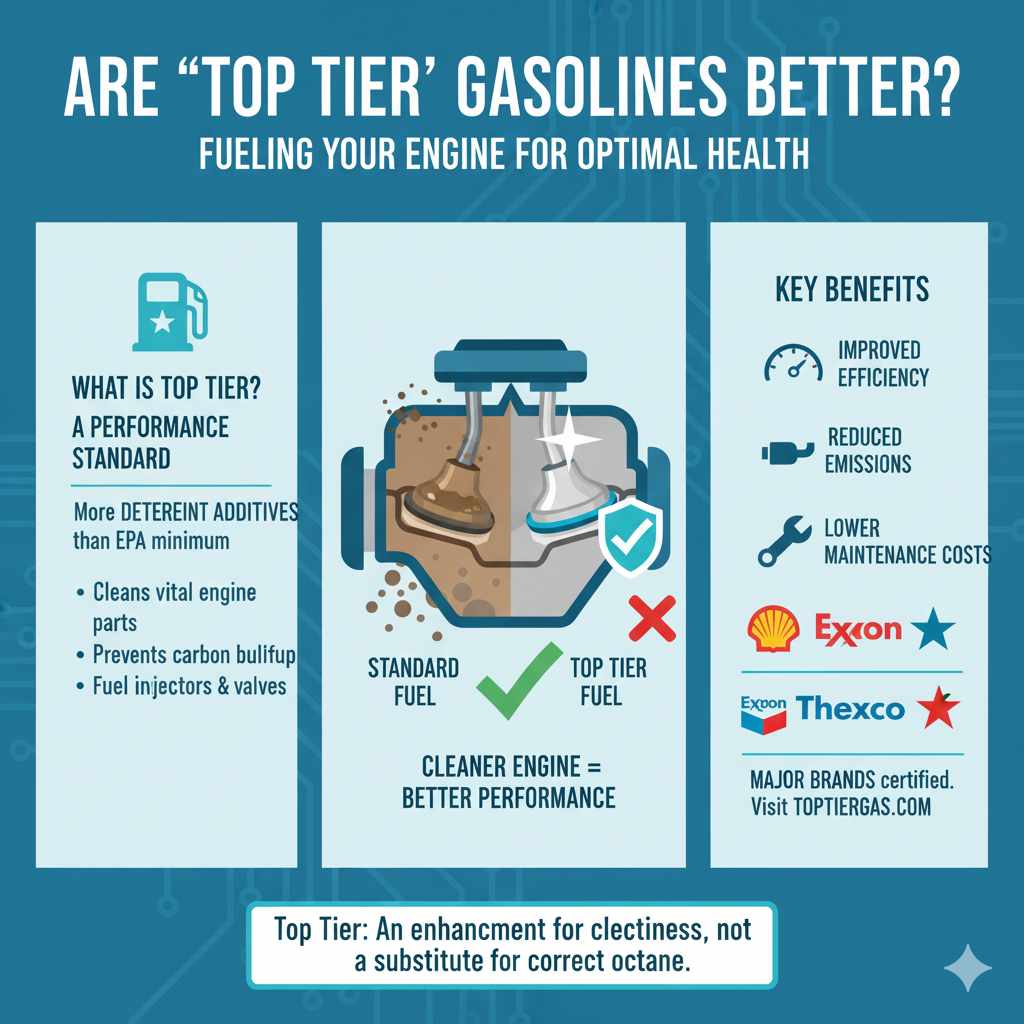
Are “Top Tier” Gasolines Better?
You might have noticed some gas stations advertise “Top Tier” gasoline. This isn’t just a marketing term; it refers to a specific standard of gasoline that has been tested and meets certain performance criteria. Top Tier detergent additives are designed to clean and protect your engine’s vital parts, such as intake valves and fuel injectors.
Here’s why it can be beneficial:
- Detergent Additives: Top Tier fuels contain a higher concentration of detergent additives than the minimum required by the EPA. These additives help prevent the buildup of carbon deposits.
- Engine Cleanliness: Cleaner intake valves and fuel injectors lead to better fuel atomization, more efficient combustion, and improved engine performance and longevity.
- Reduced Maintenance: By keeping the engine cleaner, Top Tier gasoline can potentially help prevent issues that might require costly cleaning services down the line.
While not strictly required by most manufacturers, using Top Tier gasoline (regardless of the octane rating) is generally a good idea for maintaining engine health. Major oil companies that sell Top Tier gasoline include Chevron, Texaco, Shell, and Exxon/Mobil, among others. You can find a full list of certified brands on the Top Tier website.
However, it’s important to remember that even standard gasoline from a reputable brand will work correctly if it’s the right octane rating for your car. Top Tier is an enhancement for engine cleanliness, not a substitute for the correct octane.
Frequently Asked Questions (FAQ)
Q1: My car recommends 87 octane, but I found a gas station with 86 octane. Can I use it?
A1: It’s best to stick to at least 87 octane if that’s what your car recommends. Using a fuel that is even one octane point lower than required could potentially lead to engine knocking or reduced performance, especially in hotter weather or under heavy load. It’s always safer to find a station with 87 octane or higher.
Q2: Is it okay to use E85 fuel if my car isn’t a flex-fuel vehicle?
A2: Absolutely not. E85 fuel is a blend of 85% ethanol and 15% gasoline. It can only be used in vehicles specifically designed and labeled as “Flex Fuel Vehicles” (FFVs). Putting E85 in a regular gasoline car can cause significant damage to your fuel system, engine components, and rubber seals, leading to very expensive repairs.
Q3: Does ethanol in gasoline affect my car?
A3: Most gasoline sold today contains a small amount of ethanol (typically up to 10%, known as E10). For most cars manufactured since the late 1990s, E10 is safe and compatible. However, older cars, especially those with rubber or plastic fuel system components not designed for ethanol, can experience degradation or damage. If you have a classic car or are unsure, consult your owner’s manual or a trusted mechanic.
Q4: What does “unleaded” mean on the gas pump?
A4: “Unleaded” means the gasoline does not contain lead. Lead was historically added to gasoline to boost octane and prevent knocking. However, leaded gasoline was phased out in the United States by 1996 because it damages catalytic converters (which reduce vehicle emissions) and poses significant health and environmental risks. All gasoline sold today for passenger vehicles in the U.S. is unleaded.
Q5: Can I use gasoline that has been sitting in a gas can for a long time?
A5: Gasoline degrades over time. If it’s been stored for more than a few months in a gas can, it can lose its volatility and become less effective. Older gasoline can leave deposits in your fuel system and cause starting problems or poor running conditions. It’s generally best to use fresh gasoline. If you must use old gas, consider adding a fuel stabilizer or using it in a small engine like a lawnmower first.