What Size Torque Wrench Do You Need For Your Car?
Choosing the right torque wrench size depends on the types of fasteners you’ll be working with and the torque ranges required for common auto repair tasks. For most car work, a versatile range covering lower to medium torque values is usually sufficient, but specific jobs might call for specialized wrenches.
Understanding Torque Wrench Sizes
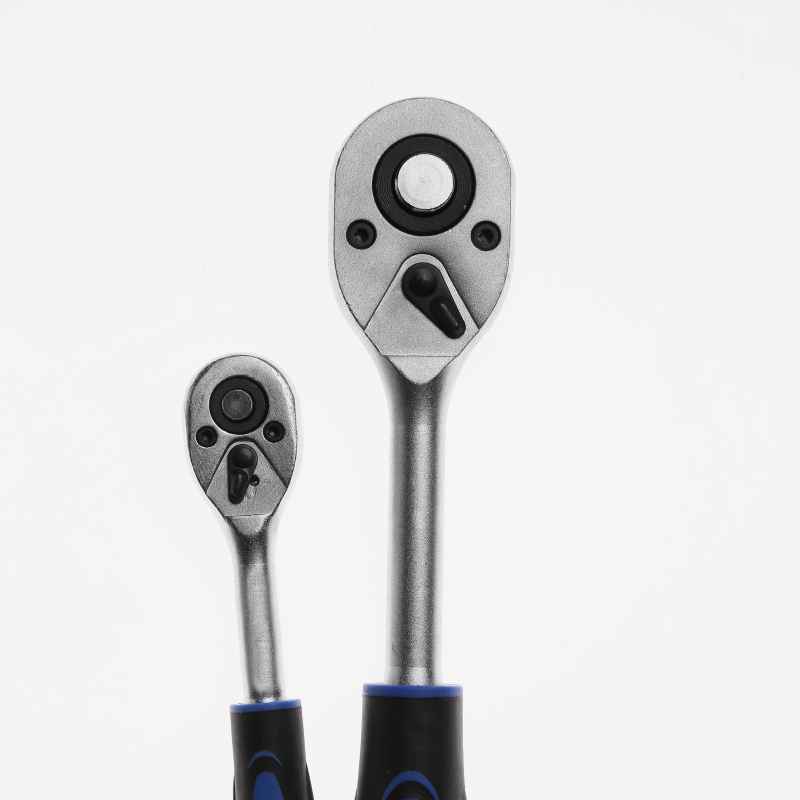
When we talk about torque wrench sizes, we’re often thinking about two main things. First, it’s the drive size. This is the square end of the wrench that accepts sockets. Common drive sizes for cars are 1/4-inch, 3/8-inch, and 1/2-inch. Think of it like the size of the “head” that fits onto the bolt. A 1/4-inch drive is for smaller, delicate jobs. A 1/2-inch drive is for bigger, tougher tasks. The 3/8-inch drive is the most common all-rounder for many car jobs.
Second, it’s the torque range. This is the amount of twisting force the wrench can measure and apply. Torque is usually measured in foot-pounds (ft-lbs) or Newton-meters (Nm). For example, a lug nut might need 100 ft-lbs. Some wrenches cover a small range, like 10-50 ft-lbs. Others cover a much wider range. The right size means the wrench can accurately measure the force your car needs.
Why The Right Size Matters
Using the wrong size torque wrench can cause real problems. If you use a wrench with too large a range for a small bolt, it’s hard to be precise. You might over-tighten it. This can strip the threads or even snap the bolt. Imagine trying to measure a pinch of salt with a tablespoon. It’s just not accurate enough.
On the flip side, if you try to use a wrench with too small a range for a big job, you might not be able to reach the required torque. This can lead to parts not being tight enough. For example, loose lug nuts can cause a wheel to wobble or even fall off. That’s a scary thought.
Key Drive Sizes and Their Uses
- 1/4-inch Drive: Best for very small fasteners and low torque settings. Think small engine parts or delicate interior trim.
- 3/8-inch Drive: The most versatile size for general car maintenance. Good for lug nuts on many cars, exhaust bolts, and suspension parts.
- 1/2-inch Drive: Used for larger, heavy-duty bolts. Ideal for axle nuts, crankshaft bolts, and suspension components on trucks or larger vehicles.
My Own Torque Wrench Story
I remember a time I was changing the brake rotors on my old sedan. I had just bought my first torque wrench, a decent 1/2-inch drive model. It felt powerful and robust. I had the service manual, and it listed a specific torque value for the caliper bolts. I cranked away, feeling confident that I was getting them nice and tight. I heard a little ‘snap’ but figured it was just the bolt settling.
A few days later, I heard a strange noise coming from the front wheel. It got worse over time. Turns out, I had snapped one of the caliper guide pin bolts. I had over-tightened it because my 1/2-inch wrench, while capable of reaching the torque, wasn’t sensitive enough for that specific, smaller bolt. The manual actually called for a lower torque setting that would have been better handled by a 3/8-inch drive. That day taught me that matching the wrench size and type to the job is crucial. It saved me from a much bigger headache later on, though it was a stressful lesson.
Common Torque Ranges for Cars
Car manufacturers publish exact torque specifications for nearly every bolt and nut on your vehicle. These are usually found in the vehicle’s service manual. It’s important to know that different parts need different levels of tightness. For example, the lug nuts holding your wheels on need a good amount of force to keep the wheel secure. This is often in the range of 70-100 ft-lbs for many passenger cars. If you are swapping to aftermarket or different-brand wheels, torque is only half the story: the wheel also needs to match your vehicle bolt pattern, which is not always obvious — see whether 6-lug Chevy rims fit a Ford for an example of how patterns can differ between brands.
Other parts need much less. Small engine bolts, like those on a valve cover or oil pan, might only need 5-15 ft-lbs. This is where precision is key. If you use a heavy-duty wrench for these tiny bolts, you risk damaging the engine block or stripping the threads of the bolts. It’s a bit like using a sledgehammer to crack a nut – you’ll likely break more than you intended.
Typical Torque Ranges for Auto Parts
Important Note: Always consult your vehicle’s specific service manual for exact torque values. These are general guidelines.
| Part/Area | Typical Torque Range (ft-lbs) | Common Drive Size |
|---|---|---|
| Wheel Lug Nuts | 70 – 100 | 3/8″ or 1/2″ |
| Brake Caliper Bolts | 25 – 50 | 3/8″ |
| Oil Drain Plug | 20 – 30 | 3/8″ |
| Spark Plugs (most cars) | 15 – 25 | 3/8″ or smaller |
| Valve Cover Bolts | 5 – 10 | 1/4″ |
Types of Torque Wrenches and Their Best Uses
There are a few main types of torque wrenches. Each has its strengths. The most common for DIYers is the click-type torque wrench. You set the desired torque value. When you reach that value, the wrench gives a distinct ‘click.’ This is very satisfying and tells you to stop tightening.
Then there’s the beam-type torque wrench. This one has a needle that moves along a scale as you tighten. It’s simpler but can be harder to read precisely. They are often less expensive. For very high precision, especially in professional settings, there are digital torque wrenches. They display the torque on an LCD screen and often beep or vibrate when the set torque is reached. These are usually the most expensive.
For most home mechanics, a click-type torque wrench is the best bet. They are accurate enough for common car repairs and easy to use. Many come in a 3/8-inch drive size and cover a useful range of torque values, like 20-150 ft-lbs. This single wrench can handle a lot of typical car maintenance tasks.
Torque Wrench Styles Explained
Click-Type
How it works: You set the desired torque. When reached, it audibly clicks and often has a slight give.
Best for: General automotive repairs, DIYers. Easy to use and understand.
Beam-Type
How it works: A needle on a scale indicates the applied torque.
Best for: Budget-conscious users, simple tasks where extreme precision isn’t critical.
Digital/Electronic
How it works: Displays torque on an LCD screen, provides audio/visual alerts.
Best for: Professionals, tasks requiring very high accuracy and data logging.
Considering Your Car’s Specific Needs
The most important factor is your car. What kind of car do you have? A small compact car will have different torque requirements than a heavy-duty truck. The size of the bolts used on these vehicles also differs greatly.
For a typical passenger car, SUV, or minivan, a 3/8-inch drive torque wrench with a range of, say, 20 to 150 ft-lbs is usually a great starting point. This covers most common tasks like tightening lug nuts, working on suspension components, and even some engine work. If you have a larger vehicle, like a pickup truck or RV, you might want to consider a 1/2-inch drive wrench.
If you’re a serious hobbyist who works on many different types of vehicles, or if you do more in-depth engine rebuilding, you might eventually need more than one torque wrench. Some people have a smaller 1/4-inch drive for very delicate tasks and a beefier 1/2-inch drive for heavy-duty jobs, in addition to their main 3/8-inch wrench.
When Do You Need Different Drive Sizes?
Let’s break down when you’d lean towards one drive size over another. As we’ve touched on, the 3/8-inch drive is the workhorse for most car owners. It’s the sweet spot for balance between size and torque capacity for everyday repairs. Think about changing your own oil, rotating tires, or replacing brake pads.
You might need a 1/4-inch drive for jobs involving very small fasteners. These are often found on motorcycles, ATVs, or inside the engine bay of smaller cars where space is tight. For instance, tightening small sensor bolts or delicate plastic engine covers might benefit from the finesse of a 1/4-inch wrench. It offers greater precision at lower torque settings.
A 1/2-inch drive wrench becomes necessary when you’re dealing with larger, more robust bolts. These are common on the suspension of trucks, larger SUVs, or even on internal engine components like crankshaft pulleys. If you plan on working on heavier vehicles or tackling more substantial repairs like suspension upgrades, a 1/2-inch drive is essential. Trying to use a smaller wrench on these can not only be ineffective but can also damage the tool itself.
Choosing Your Drive Size
Consider these points:
- Your Vehicle: Lighter cars, sedans, SUVs usually do well with 3/8″. Heavier trucks and performance vehicles might need 1/2″.
- Typical Repairs: What jobs will you do most often? Tire changes and basic maintenance? 3/8″ is likely enough.
- Tool Collection: Do you already own sockets for a specific drive size?
- Future Plans: Are you planning on more complex projects or working on different types of vehicles?
What About the Torque Range?
Beyond the drive size, the torque range is critical. This is the spectrum of tightness the wrench can accurately measure. For most car owners, a torque wrench that covers a range from about 20 ft-lbs up to 150 ft-lbs is ideal. This broad range allows you to tackle most common jobs.
Let’s think about the lower end. Many engine bolts, like those for oil pans or valve covers, require torque values in the 5-20 ft-lbs range. A wrench that starts at 20 ft-lbs might be just on the edge for some of these. However, if your wrench is accurate at the lower end of its stated range, it can often manage these jobs. For very delicate tasks, a dedicated 1/4-inch drive torque wrench that goes down to 2-25 ft-lbs is best.
On the higher end, lug nuts are often around 80-100 ft-lbs. Some larger vehicles or specific suspension components might go up to 120 or even 150 ft-lbs. A wrench that can handle up to 150 ft-lbs easily covers the vast majority of passenger car applications. If you work on heavy-duty trucks, you might need a wrench that goes much higher, perhaps up to 250 ft-lbs or more.
Torque Range Considerations
Low Torque Needs
For sensitive components like spark plugs, valve covers, or small engine parts.
Ideal Range: 5 – 50 ft-lbs (often with a 1/4″ or 3/8″ drive).
Medium Torque Needs
Covers most common tasks like wheel lug nuts, brake components, exhaust systems.
Ideal Range: 20 – 150 ft-lbs (most common for 3/8″ drive).
High Torque Needs
For heavy-duty applications like large suspension parts, axle nuts on trucks.
Ideal Range: 50 – 250+ ft-lbs (often with a 1/2″ drive).
Accuracy and Calibration
Torque wrenches need to be accurate to do their job. Over time, and with frequent use, they can become less precise. This is why calibration is important. Most manufacturers recommend having your torque wrench calibrated every year or so, especially if it’s used regularly.
When you buy a torque wrench, look for one that comes with a calibration certificate. This shows it has been tested and meets certain accuracy standards. Also, remember to store your torque wrench correctly. For click-type wrenches, it’s best to store them at the lowest setting. This helps to relieve tension on the internal spring and keeps them accurate for longer.
If you use a torque wrench for a job and it feels “off” or you’re not getting consistent results, it might be time to get it checked or replaced. A slightly inaccurate torque wrench might seem like no big deal, but for critical components, it could lead to damage or failure.
What This Means for Your Toolkit
So, what size torque wrench do you really need? For the average car owner who does routine maintenance and occasional repairs, a 3/8-inch drive click-type torque wrench with a range of approximately 20 to 150 ft-lbs (or 27 to 200 Nm) is the most versatile and practical choice. This single tool will cover the vast majority of tasks you’ll encounter.
If you drive a very small car and do mostly interior or very light engine work, a 1/4-inch drive wrench might be more suitable for those specific tasks. If you own a heavy-duty truck or frequently work on larger vehicles, a 1/2-inch drive wrench is a better primary choice, potentially in addition to a 3/8-inch for other jobs.
It’s also worth noting that investing in quality matters. A well-made torque wrench from a reputable brand will be more accurate and last longer than a cheap, unbranded one. While they might cost a bit more upfront, they save you trouble and potential damage in the long run.
Quick Fixes and Tips for Using Your Torque Wrench
Using a torque wrench correctly is as important as choosing the right size. Always ensure you’re using the correct socket size for the bolt or nut.
When setting the torque, do so smoothly. Don’t overtighten past the set point. If you overshoot, it’s best to release the tension and reset. Always apply steady, even pressure. Jerking motions can lead to inaccurate readings.
For critical fasteners like wheel lug nuts, it’s often recommended to tighten them in a star pattern. This ensures the wheel seats evenly against the hub. Tighten each nut a little, then move to the opposite side, repeating until all are at the specified torque.
Always clean the threads of bolts and nuts before tightening. Dirt or debris can affect the torque reading. Also, avoid using extension bars with your torque wrench unless absolutely necessary, as they can slightly affect accuracy.
Frequent Questions About Torque Wrenches
What is the most common torque wrench size for car owners?
The most common and versatile torque wrench size for general car owners is the 3/8-inch drive. It balances power for most tasks with precision needed for many automotive fasteners.
Do I need a torque wrench for changing a tire?
Yes, using a torque wrench to tighten your lug nuts is highly recommended when changing a tire. This ensures they are secured at the manufacturer’s specified tightness, preventing wheels from coming loose or being over-tightened.
Can I use a 1/2-inch torque wrench for small bolts?
It’s not ideal. While you might be able to use a reducer adapter, a 1/2-inch drive torque wrench is generally too large and not sensitive enough for small bolts. This can lead to over-tightening and damage. A 1/4-inch or 3/8-inch drive wrench is better for smaller fasteners.
How do I know the correct torque value for my car’s bolts?
Always refer to your vehicle’s official service manual. This manual provides precise torque specifications for every bolt and nut on your specific make and model of car.
What does torque range mean on a torque wrench?
The torque range refers to the minimum and maximum amount of twisting force the wrench can accurately measure and apply. For example, a range of 20-150 ft-lbs means the wrench is designed to work accurately within those limits.
Is it important to calibrate my torque wrench?
Yes, it’s important. Torque wrenches can lose accuracy over time. Regular calibration, usually annually, ensures your wrench is providing precise measurements, which is crucial for proper and safe vehicle maintenance.
Conclusion
Choosing the right size torque wrench is about matching the tool to your vehicle and your tasks. For most car owners, a 3/8-inch drive wrench with a broad torque range is the best starting point. It offers versatility for a wide array of common repairs. Always consult your car’s manual for specific torque values.
Products related to this article
Sponsored / affiliate links. As an Amazon Associate I earn from qualifying purchases. I may earn additional commission from eligible campaigns.