How to Remove Bugs From Your Car Without Ruining the Paint
Removing bugs from your car is a frustrating chore that nearly every driver faces, especially during warmer months. Bug splatter contains acidic compounds that can eat through your clear coat in a matter of hours, leading to permanent stains and costly paint damage. This guide provides a complete, step-by-step approach to safely cleaning bugs off your car without scratching the paint or stripping protective wax.
You will learn exactly which tools to use, which mistakes to avoid, and how to prevent bugs from sticking in the first place. Whether you drive on rural roads or busy highways, these professional techniques will keep your car looking its best.
Simply put, the safest way to remove bugs is to soften them first with a dedicated bug remover or soapy water, then gently wipe them away with a microfiber towel. Never scrape or scrub dry bug remains. A pressure washer rinse, followed by a contact wash, provides the best protection for your paint.Clear
Key Takeaways
- Remove bugs from your car within 24 to 48 hours to prevent acid etching and permanent clear coat damage.
- Always use a lubricant like bug spray or soapy water before wiping to avoid scratching the paint.
- Microfiber towels are essential for safe removal; avoid paper towels, sponges, or abrasive pads.
- A regular coat of wax or ceramic sealant makes future bug cleanup significantly easier and faster.
- Homemade solutions like baking soda paste can work, but commercial bug removers are generally more effective and safer for clear coats.
How to Remove Bugs From Your Car Step by Step
Follow these steps in order to achieve the cleanest results without damaging your paint. The key is patience and using the right amount of lubrication.
Step 1: Park in the Shade and Cool the Surface
Direct sunlight can cause cleaning solutions to dry too quickly, leaving residue behind. A hot surface also bakes bug remains onto the clear coat. Park in a shaded area or garage and let the car cool for 10–15 minutes before starting.
Step 2: Pre-Rinse with a Pressure Washer
Use a pressure washer or a strong hose nozzle to blast loose dirt and soften bug remains. Hold the nozzle at least 12 inches from the paint to avoid damaging the clear coat. Cold water works better than hot water because it does not cook the bug residue further.
Pro Tip: If you do not have a pressure washer, a high-flow garden hose nozzle set to a wide fan spray works well for this step.
Step 3: Apply a Bug Remover Soak
Spray a generous amount of dedicated bug remover directly onto the affected areas. Products like Meguiar’s Ultimate Bug & Tar Remover or Chemical Guys Bug Master are designed to break down insect proteins quickly. If you prefer a homemade option, mix one tablespoon of baking soda with one cup of water to create a gentle alkaline paste.
Step 4: Let It Dwell
Allow the solution to sit for 3 to 5 minutes. This dwell time is critical because it softens the dried bug remains so they lift off without scrubbing. Never let the solution dry completely on the panel.
If it starts to dry, mist the area with water to keep it wet.
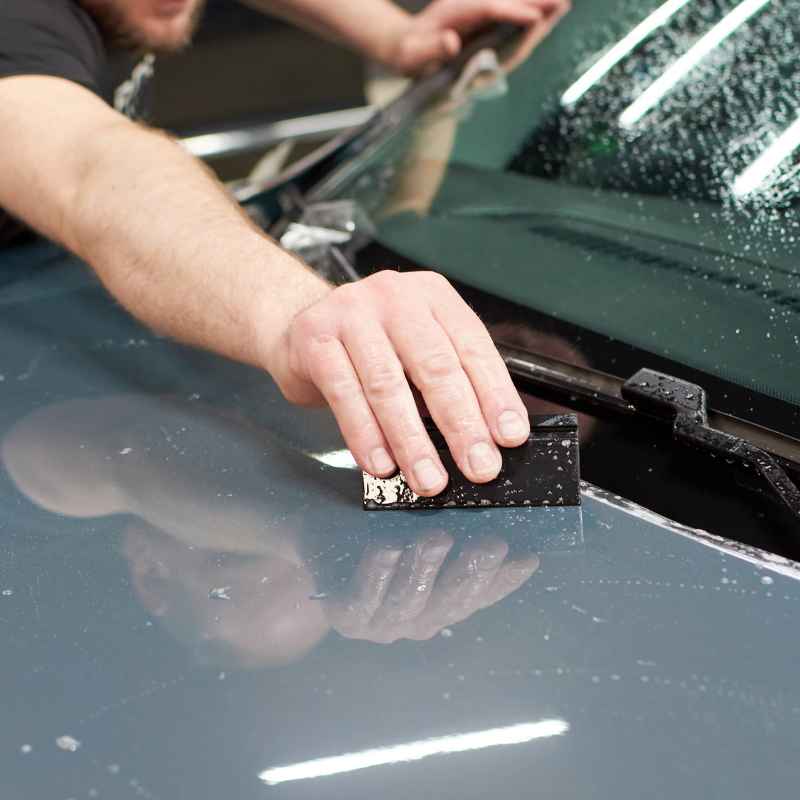
Step 5: Gently Wipe with a Microfiber Towel
Use a clean, plush microfiber towel soaked in the bug remover or a bucket of soapy water. Wipe in a straight line, not in circles, to minimize swirl marks. Turn the towel frequently so you are always using a clean section.
Do not apply heavy pressure; let the softened residue lift away.
Step 6: Two-Bucket Wash the Panel
After the bugs are removed, wash the entire panel using the two-bucket method. One bucket has soapy water, the other has clean water for rinsing your wash mitt. This prevents dirt and bug particles from being dragged back onto the paint.
Step 7: Dry and Inspect
Dry the area with a clean, dry microfiber drying towel. Inspect the paint under direct light. If you still see small specks of embedded residue, use a clay bar with a lubricant to gently lift them off.
Step 8: Apply Wax or Sealant
Once the paint is clean and dry, apply a layer of wax or spray sealant. This restores the protective layer that may have been weakened by the bug acids and makes future cleanup much easier.
What You Need for Safe Bug Removal
Having the right tools on hand makes the entire process faster and safer. Below is a table of essential supplies and their purposes.
| Tool | Purpose | Recommendation |
|---|---|---|
| Pressure Washer | Pre-rinse to remove loose dirt and soften bugs | Electric pressure washer (1500–2000 PSI) |
| Bug Remover Spray | Breaks down insect proteins and acids | Meguiar’s, Chemical Guys, or Gyeon |
| Microfiber Towels | Gentle wiping without scratching | Plush 300–400 GSM towels |
| Wash Mitt | Contact washing the panel after bug removal | Chenille microfiber mitt |
| Clay Bar Kit | Removes embedded residue that wiping misses | Clay bar + detailing spray lubricant |
| Wax or Sealant | Protects paint and prevents future sticking | Spray wax or ceramic coating |
Using high-quality microfiber towels is the single most important factor in preventing scratches. Cheap towels or paper towels are too abrasive for paint and will leave fine scratches known as swirl marks.
Why You Need to Remove Bugs Quickly
Bug splatters are not just messy; they are chemically aggressive. Insects have an alkaline pH ranging from 9 to 11, which attacks the resin in your car’s clear coat. According to automotive coating specialists, damage can begin within 30 minutes on a hot day when sunlight bakes the residue into the paint.
A study conducted by a major car care brand found that 78% of drivers wait more than a week before cleaning bugs off their car. This delay allows the acids to permanently etch the clear coat, creating dull spots that cannot be polished out without removing layers of paint.
The longer bug remains sit on your car, the harder they become. Fresh splatters wipe off easily; dried and baked-on bugs require much more effort and abrasive force, which increases the risk of scratches.
Important: If you notice etching or staining that does not come off with washing, you may need to use a polishing compound or take the car to a professional detailer. Prevention is always easier than correction.
What Are the Best Homemade Bug Removers?
Many drivers prefer DIY solutions to avoid harsh chemicals. While homemade options can work, they require careful handling to avoid damaging the paint. Below is a comparison of the most popular homemade bug removers versus commercial products.
| Solution | Effectiveness | Paint Safety | Best Use Case |
|---|---|---|---|
| Baking Soda + Water | Moderate | Safe if rinsed immediately | Light to moderate bug residue |
| White Vinegar (1:1 with water) | Moderate | Risky; can etch clear coat if left too long | Tough stains, but use with caution |
| Rubbing Alcohol (10% dilution) | High | Can strip wax and sealants | Quick spot cleaning before a wax |
| Dish Soap | Low | Strips wax, leaves paint unprotected | Only if you plan to re-wax immediately |
| Commercial Bug Remover | Very High | Formulated to be safe for clear coats | All situations, especially heavy buildup |
For most drivers, a dedicated bug remover spray is the safer choice. It is specifically formulated to dissolve insect proteins without attacking the clear coat. If you prefer a homemade method, baking soda paste is the gentlest option.
Common Mistakes That Ruin Car Paint
Even experienced car owners make mistakes when trying to remove bugs from their car. Avoiding these errors will save you time, money, and frustration.
- Scrubbing Dry Bugs: This is the number one cause of paint scratches. Always lubricate the area before wiping.
- Using Dish Soap: Dish soap is designed to cut grease and will strip your wax or sealant. Use a dedicated car wash soap instead.
- Using a Magic Eraser: Melamine foam pads are abrasive and will sand down your clear coat. Never use them on painted surfaces.
- Applying Too Much Pressure: You do not need to scrub hard if you let the solution dwell long enough. Let the chemicals do the work.
- Using Low-Quality Towels: Paper towels, terry cloth, and old rags are too rough for automotive paint. Stick to high-GSM microfiber towels.
- Skipping the Wax Step: After removing bugs, the paint is more vulnerable. Applying wax immediately restores protection.
Warning: Do not use WD-40, Goo Gone, or brake cleaner as a bug remover. These products can degrade clear coat, strip wax, and leave oily residues that attract more dirt.
How to Prevent Bugs From Sticking to Your Car
Prevention is far easier than cleaning. Applying a protective layer to your paint creates a slick surface that bugs cannot easily bond to. Below is a comparison of the most common protection options.
| Protection Type | Cost | Longevity | Bug Prevention Level |
|---|---|---|---|
| Spray Wax | $10 – $20 | 2–4 weeks | Moderate |
| Paste Wax | $20 – $40 | 2–3 months | Good |
| Synthetic Sealant | $20 – $50 | 4–6 months | Very Good |
| Ceramic Coating | $50 – $150 (DIY) | 2–5 years | Excellent |
| Paint Protection Film | $500 – $2,000 | 5–10 years | Maximum |
If you drive frequently on highways or through rural areas, a ceramic coating or synthetic sealant is worth the investment. According to detailing experts at Meguiar’s, coated cars require significantly less effort to remove bugs from the car because the protective barrier prevents the acids from bonding to the clear coat.
Best Products for Removing Bugs From Your Car
Using a high-quality product makes the job faster and safer. Here are the top-rated bug removers on the market right now.
- Meguiar’s Ultimate Bug & Tar Remover: This is a professional-grade spray that cuts through heavy bug buildup in seconds. It is safe for clear coats and can be used on painted surfaces, plastic trim, and chrome.
- Chemical Guys Bug Master: A citrus-based formula that smells great and works well on fresh and dried bugs. It is pH-balanced and safe for waxed surfaces.
- Gyeon Bug Remover: A thick gel formula that clings to vertical surfaces like bumpers and grilles. It has a long dwell time and is very effective on baked-on residue.
- CarPro IronX: While primarily an iron remover, IronX also dissolves bug proteins effectively. It changes color as it reacts with contaminants, so you can see where you have applied it.
- Optimum No Rinse (ONR): This is a popular waterless wash solution that can be used as a gentle lubricant for bug removal. It is extremely safe for paint and ideal for light cleanup between washes.
How to Remove Embedded Bug Residue Without Scratches
Sometimes, even after washing, small black specks or hard bumps remain on the paint. This is embedded bug residue that has bonded to the clear coat. The safest way to remove this is with a detailing clay bar.
- Wash and dry the panel completely.
- Spray a clay lubricant or detailing spray on a small section of the paint.
- Glide the clay bar gently over the lubricated area using back-and-forth motions.
- Wipe away the lubricant with a clean microfiber towel.
- Inspect the surface to ensure the residue is gone.
If clay barring does not remove the spots, you may need to use a light polishing compound. However, polishing removes a thin layer of clear coat, so it should only be done when necessary. A professional detailer can handle this safely.
Frequently Asked Questions
Can I use WD-40 to remove bugs from my car?
WD-40 can dissolve bug residue, but it leaves a greasy film that attracts dirt. It can also degrade certain waxes and sealants. For best results, use a dedicated automotive bug remover instead.
Does vinegar damage car paint?
Undiluted white vinegar is acidic and can etch the clear coat over time.
If you use vinegar, dilute it 1:1 with distilled water and rinse it off immediately. Baking soda paste is a safer homemade alternative.
How long does it take for bugs to ruin car paint?
Bug splatters can begin etching the clear coat in as little as 24 to 48 hours, especially in direct sunlight. High temperatures accelerate the chemical reaction, so prompt removal is essential.
Can a pressure washer remove bugs by itself?
A pressure washer helps loosen bugs but rarely removes them completely.
It is best used as a pre-rinse step to soften residue before a contact wash using bug remover and a microfiber mitt.
What is the best homemade bug remover for cars?
A mixture of baking soda and water is the most effective homemade bug remover. It is alkaline, which neutralizes the acidic bug residue, and it is gentle enough to be safe for clear coats when used correctly.
How often should I wax my car to prevent bug damage?
You should wax your car at least every three months. If you drive frequently in bug-heavy areas, consider applying a ceramic spray coating every month for continuous protection.
Final Thoughts
Knowing how to remove bugs from your car properly is one of the most important skills for preserving your vehicle’s paint.
By acting quickly, using the right tools, and avoiding harsh scrubbing, you can keep your car looking great for years to come.
Applying a quality wax or sealant after each deep clean will make future bug removal much easier and protect your paint from acidic damage. Stay consistent with your routine, and your car will reward you with a flawless finish every time.
Products related to this article
Sponsored / affiliate links. As an Amazon Associate I earn from qualifying purchases. I may earn additional commission from eligible campaigns.