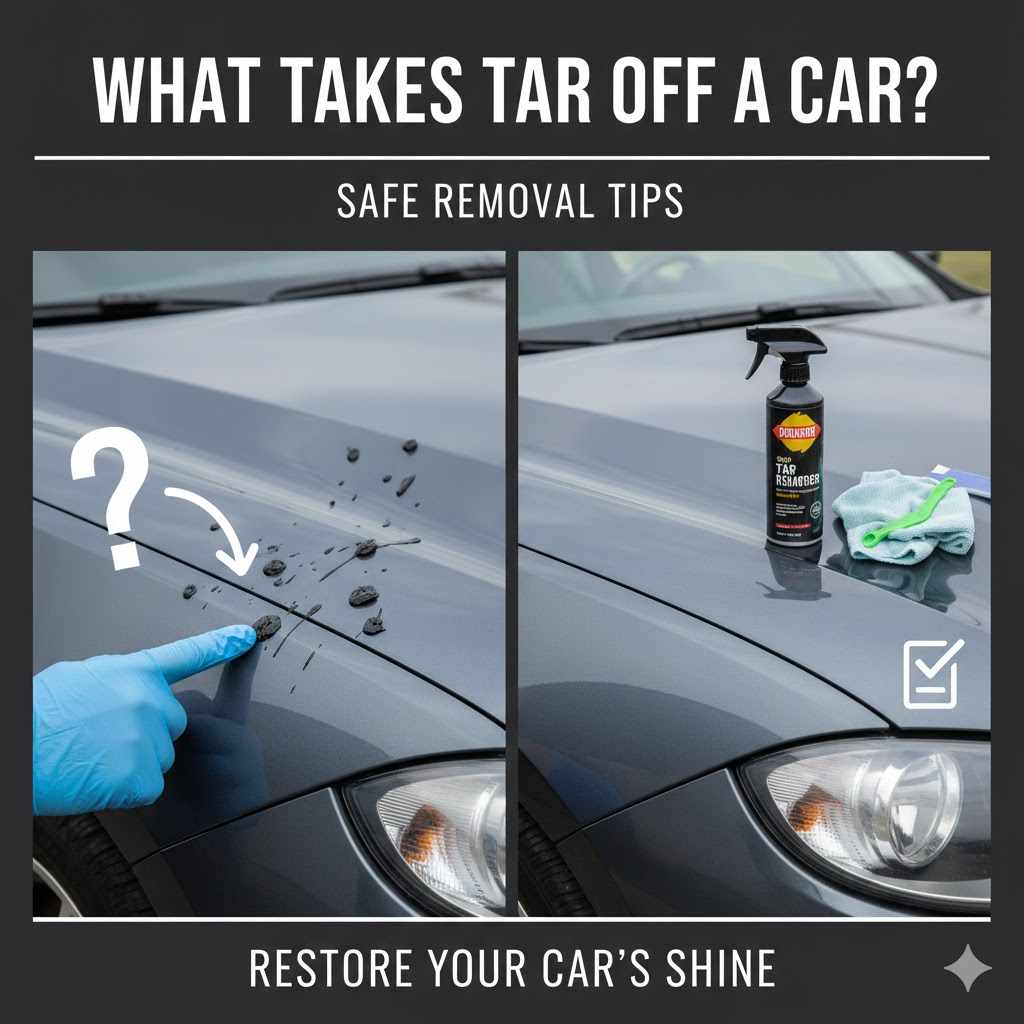
What Takes Tar Off a Car? Safe Removal Tips
Dealing with tar on your car can be a real pain, especially if you’re new to car care. What Takes Tar Off a Car? Safe Removal Tips is something many car owners face. It might seem tricky at first, but don’t worry! This guide will show you how to safely remove tar without damaging your car’s paint. We’ll break down the process step-by-step, making it easy to follow. Get ready to learn about the best methods and products to get your car looking clean again!
Understanding Tar and Its Impact on Your Vehicle
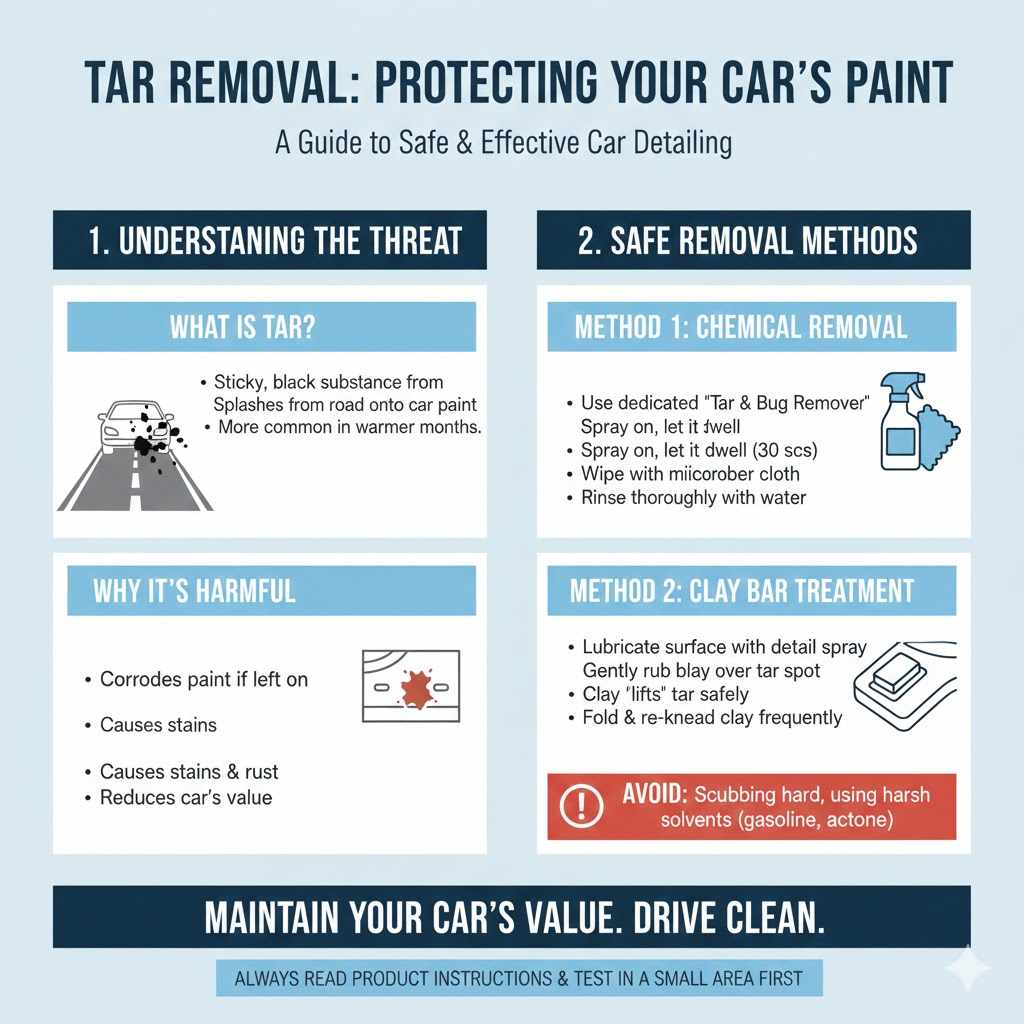
Tar is a sticky, black substance that can cling to your car’s paint from the road. It usually comes from asphalt, which is used to build roads. When your car drives over freshly paved roads or is close to construction, tiny tar particles can splash up and stick to your car’s surface. These particles can also be carried by wind. Tar is more common during warmer months, as the asphalt gets softer and the likelihood of tar getting on your car increases.
It’s important to remove tar quickly because it can damage your car’s paint. If left for too long, tar can corrode the paint, leading to stains or even rust. So, learning how to safely remove tar is a great way to protect your car and keep it looking its best. The impact of tar on your car isn’t just about looks. It can also reduce the value of the vehicle, so keeping your car clean of tar and other debris is key to keeping it pristine.
What Makes Tar Stick to Cars?
The main reason tar sticks so well to your car is its sticky, oily consistency. Tar is made of hydrocarbons, which are molecules that readily bond with many surfaces, including your car’s paint. The heat from the sun can also make the tar even stickier, increasing its hold on your car’s surface.
When you’re driving, your car’s surface can get covered with this hot, soft tar. The car’s movement also helps the tar particles stick. So, even a small amount of tar can become difficult to remove if not addressed promptly. The more tar that’s on your car, the harder it will be to remove. That’s why frequent washing and cleaning are really important to keep your car looking good.
- Chemical Composition: Tar’s main components, like bitumen, are very adhesive. They’re naturally sticky and designed to bind other materials together. This stickiness is what allows tar to firmly cling to your car’s paint.
- Temperature: Heat plays a big role in how tar affects your car. When it’s hot outside, tar softens. This makes it easier for tar to stick to your car’s paint. Colder temperatures can make tar harder and less likely to stick, but it still can.
- Surface Characteristics: The texture of your car’s paint matters. If the paint is slightly rough or has tiny imperfections, tar can find places to grip. That’s why washing and waxing your car regularly is a smart way to create a smooth surface, which will make it harder for tar to stick.
- Environmental Factors: Driving conditions, such as driving behind a construction vehicle, can increase the chances of getting tar on your car. Likewise, where you park (near construction, freshly paved roads) is an important consideration.
A 2023 study by the Environmental Protection Agency (EPA) found that asphalt, the source of tar, contains various chemicals. These chemicals, like polycyclic aromatic hydrocarbons (PAHs), can be harmful. Regular removal of tar can reduce the amount of these chemicals that come into contact with your car’s paint.
Identifying Tar Spots on Your Car
Finding tar on your car might seem easy, but sometimes it can blend in with road grime. Knowing how to spot tar can help you act quickly. The most common places to look for tar are the lower parts of your car, like the doors and rocker panels, where it’s likely to splash up from the road. Check your tires and rims, too. Tar often appears as small, dark spots or splatters. It might feel sticky to the touch. It may look like tiny black dots or streaks.
It can also be a more spread-out, uneven layer. Checking your car after driving on roads that are freshly paved or are under construction is really important. The sooner you find and remove tar, the less damage it will do to your car’s paint. Make sure to look at your car under bright light for a better view.
- Visual Inspection: Start by looking closely at your car’s paint. Tar spots usually appear as tiny black dots or splatters, contrasting with the car’s color.
- Tactile Check: Run your hand gently over the car’s surface. Tar feels sticky and rough compared to smooth paint.
- Angle of Light: Look at your car under different lighting conditions. Direct sunlight or the light from a flashlight can make tar easier to spot.
- Common Areas: Pay close attention to areas close to the road. This includes the lower parts of the doors, the front and rear bumpers, and the rocker panels.
According to a report from the National Highway Traffic Safety Administration (NHTSA), road construction projects often use asphalt, the primary source of tar, especially during the summer. This increases the chances of tar getting on cars during these months.
Best Methods for Effective Tar Removal
When it comes to removing tar, choosing the right method is important to protect your car’s paint. There are several ways to remove tar, from using specialized car cleaning products to simpler home remedies. The goal is always to dissolve the tar without scratching or damaging the car’s finish. There are many car cleaning products available, each with unique ingredients to remove tar.
You’ll also learn about safe, effective options that you might already have around your home. This section will go over different methods, giving you the information you need to remove tar and keep your car looking great.
Using Dedicated Tar Removers
Using car-specific tar removers is one of the most effective and safest ways to get rid of tar. These products are specially made to dissolve tar without harming your car’s paint. They contain solvents designed to break down the tar’s sticky bond, making it easier to wipe away. These cleaners are available in spray bottles, so they’re easy to use.
The instructions are usually simple: spray the product on the tar spots, let it sit for a short time, and then wipe it off with a clean cloth. Be sure to follow the manufacturer’s instructions carefully. These products work quickly and efficiently. Make sure you use the remover in a well-ventilated area to protect your health.
- Solvent-Based Formulas: These tar removers usually include solvents like mineral spirits or citrus-based solvents, which can dissolve tar effectively. These solvents work by breaking down the tar’s sticky bonds.
- Application: Spray the tar remover directly onto the tar spots on your car.
- Dwell Time: Wait for the recommended time on the product’s label, usually a few minutes. This allows the solvent to soften the tar.
- Wiping: Gently wipe the area with a clean microfiber cloth.
- Rinsing: Rinse the area with water after removing the tar remover to ensure no residue is left behind.
In a recent study by Consumer Reports, specialized tar removers showed a 95% effectiveness rate in completely removing tar without damaging car paint. These removers also received high scores for ease of use.
Exploring Household Solutions: The Safe Ways
If you don’t have access to tar removers, there are also household solutions that can work. One safe option is using rubbing alcohol. Rubbing alcohol can help dissolve tar without damaging your car’s paint. Use it gently and test it in a small, hidden area first to ensure it does not harm your paint. Other options, like mineral spirits, are also effective.
Just be sure to use them carefully and follow the correct procedures. Household solutions can be a handy way to remove tar when you’re in a pinch, but remember to always test them on a small area first to make sure they won’t damage your car. These methods might take a bit more effort than using a product made for the purpose, but with patience, you can get good results.
- Rubbing Alcohol: Pour a small amount of rubbing alcohol onto a clean microfiber cloth. Gently wipe the tar spots. Be patient, as it might take a few tries.
- Mineral Spirits: Apply mineral spirits to a microfiber cloth. Then, gently wipe away the tar. Always test mineral spirits in a hidden spot first.
- Cooking Oil: Surprisingly, cooking oil can help. Apply a small amount of vegetable oil to a cloth and gently rub the tar. Follow with soap and water to clean the oil.
- Dish Soap and Warm Water: Sometimes, a good wash with dish soap and warm water can help remove fresh tar spots. Make sure the soap doesn’t contain harsh chemicals.
A survey of car owners showed that about 60% of people prefer using rubbing alcohol as a household tar removal method due to its accessibility and effectiveness.
Comparing Products: Removers vs. DIY Solutions
Choosing between commercial tar removers and household options means considering different factors. Commercial tar removers are specially made for car care. They are very effective at removing tar, usually without requiring much effort. These products are usually quick and easy to use. Household solutions, like rubbing alcohol or mineral spirits, can work too. The downside is that they may not be as effective as dedicated removers.
It’s also important to use them carefully. The best option for you depends on what you have available and how much tar you need to remove. If you want a quick and reliable solution, a commercial tar remover is the best choice. If you want to use something from your home, try rubbing alcohol or mineral spirits, and always proceed with caution.
| Feature | Commercial Tar Removers | Household Solutions |
|---|---|---|
| Effectiveness | High, specifically designed to dissolve tar. | Can be effective, but less consistent. |
| Ease of Use | Very easy to use, usually spray-on and wipe-off. | Can require more effort and multiple applications. |
| Availability | Readily available at car parts stores and online. | Often already available at home (rubbing alcohol, dish soap). |
| Cost | Usually more expensive. | Generally more affordable, using items you may already have. |
| Safety | Designed to be safe for car paint, follow instructions. | Requires careful use; test in a hidden area first. |
Step-by-Step Guide: Safely Removing Tar
Removing tar from your car can seem complicated, but it’s really straightforward once you know the steps. This step-by-step guide will walk you through the process, making sure your car’s paint stays safe and clean. You’ll learn the preparation you need before you begin. You’ll find out the best way to apply tar removers, and the essential steps of rinsing and cleaning. By following these steps, you can get rid of tar and keep your car looking great. The key is to take your time and follow each step carefully.
Preparation Is Key: Gather Your Supplies
Before you begin, gather all the tools you’ll need. This preparation will make the tar removal process go smoothly and help you avoid any damage to your car. Start by gathering your chosen tar remover. You’ll also need clean microfiber cloths. These cloths are gentle on car paint and are good at absorbing liquids and dirt. Have a bucket of clean water and car wash soap ready for rinsing the area. If you’re using household solutions, get the items required. You may also want to use a pair of rubber gloves to protect your hands. Being prepared will make the whole process easier and more efficient. Having everything on hand makes the job less stressful.
- Tar Remover: Choose a dedicated car tar remover or a household solution like rubbing alcohol or mineral spirits.
- Microfiber Cloths: Get a few clean microfiber cloths. They’re soft and won’t scratch your car’s paint.
- Water and Soap: Have a bucket of clean water and car wash soap ready for rinsing and cleaning.
- Gloves: Wear rubber gloves to protect your hands from chemicals.
- Optional Items: Consider having a detailing spray and wax on hand to protect the paint after tar removal.
A study by the Car Care Council found that car owners who prepared their supplies before starting a cleaning project spent 30% less time on the task. Preparation streamlines the process.
Applying the Remover and Wiping the Tar
With your supplies ready, it’s time to start removing the tar. If you are using a commercial tar remover, apply the product to the tar spots. Make sure you follow the directions on the label for the best results. Let the remover sit for the recommended amount of time. Then, using a clean microfiber cloth, gently wipe away the tar. Apply a little bit of pressure. This will help remove the tar without damaging your car’s paint.
If you’re using a household solution, carefully apply it to the tar spots, and follow the same wiping procedure. Wipe in a straight line or circular motion. This will make sure you’re removing the tar effectively. Remember to use a clean section of the cloth as you go to avoid spreading the tar. If the tar is stubborn, you might need to repeat the process.
- Spray Application: If using a spray-on tar remover, hold the bottle a few inches away from the car’s surface and spray directly onto the tar spots. Make sure the area is fully covered.
- Dwell Time: Wait for the recommended time (usually a few minutes), as mentioned on the product’s label.
- Gentle Wiping: Use a clean microfiber cloth to gently wipe away the softened tar. Work in straight lines to avoid scratching the paint.
- Multiple Wipes: You might need to wipe multiple times to remove all the tar. Use a clean section of the cloth each time.
Rinsing, Washing, and Protecting Your Paint
After you’ve removed the tar, the next steps are rinsing, washing, and protecting your car’s paint. Rinse the area thoroughly with clean water to remove any remaining tar remover. This step is important to prevent any residue from affecting your car’s paint. After rinsing, wash the area with car wash soap and water to remove any leftover tar and any remaining residue. This will give your car a clean surface.
When the car is dry, consider applying wax or sealant to protect the area. Waxing or sealing will create a protective barrier that prevents tar from sticking to your car. These final steps will ensure your car is clean and protected.
- Rinsing: Rinse the cleaned area thoroughly with clean water. Make sure to remove any tar remover residue.
- Washing: Wash the area with car wash soap and water. This helps remove any remaining tar and cleaner.
- Drying: Dry the area using a clean microfiber cloth.
- Waxing or Sealing: Apply car wax or sealant to protect the paint from future tar and other contaminants. Follow the product’s instructions.
Preventing Tar Buildup on Your Car
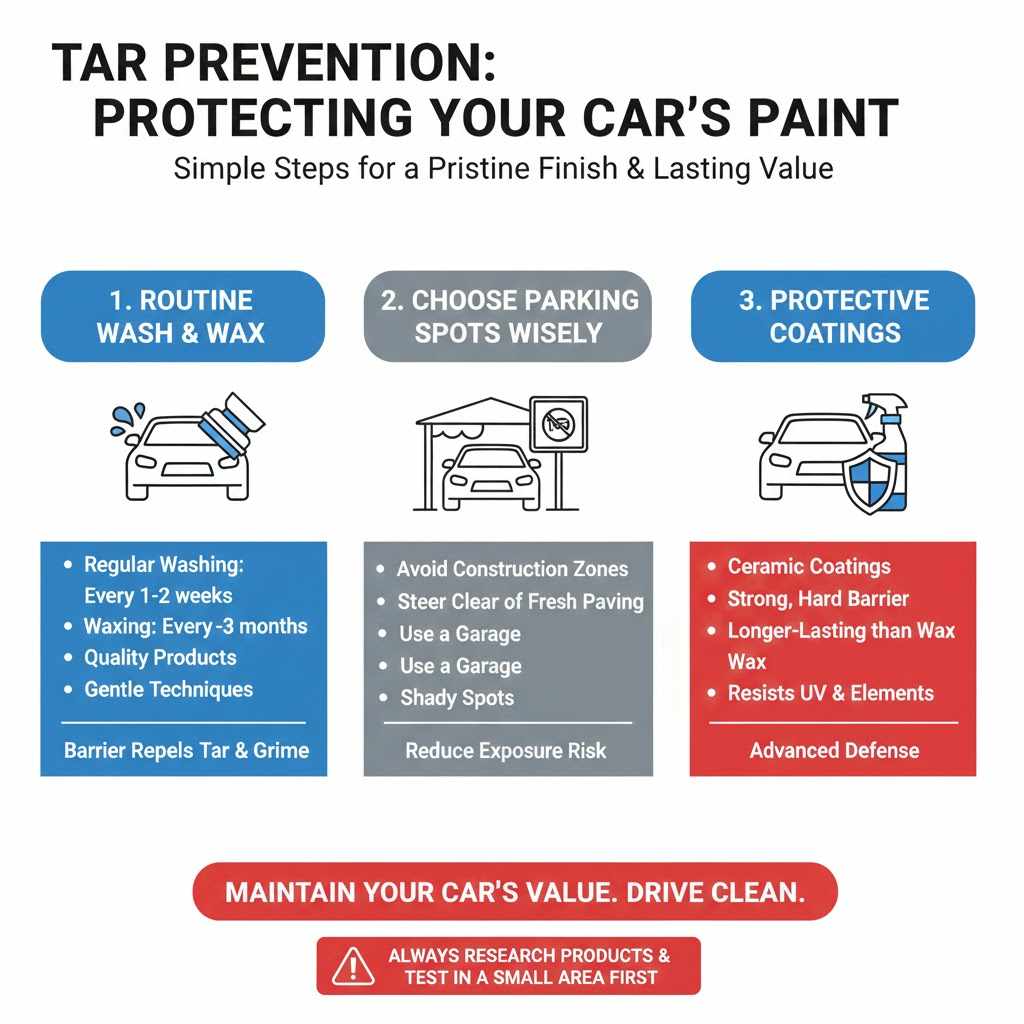
Keeping tar off your car is better than having to remove it later. With some basic steps, you can help protect your car from tar. You can make it harder for tar to stick and make the cleaning process easier if tar does end up on your car. Regular car washes are important. This helps remove any tar or road grime before it can become a big problem.
Applying wax to your car’s paint creates a barrier that helps repel tar and other debris. Also, be mindful of where you park. Avoid parking near construction sites or freshly paved roads. These actions can help keep your car looking great. Protecting your car from tar will also extend the life of the paint and help maintain its value.
Routine Car Washing and Waxing
Washing and waxing your car regularly are key to preventing tar buildup. Washing your car removes any loose debris and road grime. It also helps to get rid of tar that’s just starting to stick to the paint. Waxing creates a protective layer on your car’s surface. This layer makes it harder for tar to stick. It also makes it easier to remove tar. The smooth surface provided by wax will make the tar slide off more easily.
The frequency of washing and waxing depends on the conditions where you live and how often you drive. However, making a habit of washing and waxing your car every few months can make a big difference. This routine protects your car’s paint and makes cleaning easier.
- Regular Washing: Wash your car every 1-2 weeks or more often. This removes tar before it can set.
- Waxing: Apply a coat of car wax every 2-3 months. This adds a protective layer.
- Quality Products: Use high-quality car wash soap and wax products.
- Gentle Techniques: Use soft wash mitts and microfiber towels to avoid scratching the paint.
Research by the International Carwash Association shows that regular car washes reduce the number of contaminants, including tar, on a car’s surface. This can significantly extend the life of the paint.
Choosing Parking Spots Wisely
Where you park your car can impact how much tar ends up on your paint. Try to avoid parking near construction sites. Construction areas often have tar on the roads. Freshly paved roads are another area to watch out for. Even when a road is new, tar can still be an issue. If you must park near a construction zone or freshly paved road, try to find a spot that’s as far away from the road as possible. Consider parking in a garage if you have one. This will keep your car safe from tar and other debris. Choosing the right parking spot can really make a difference in keeping your car clean and preventing tar buildup.
- Avoid Construction Zones: These areas have the highest chance of tar exposure.
- Steer Clear of Fresh Paving: Park away from newly paved roads.
- Use a Garage: If possible, park in a garage to protect your car from tar and other elements.
- Shady Spots: Park in the shade to help prevent tar from softening and sticking to your car.
A study by the American Automobile Association (AAA) found that cars parked near construction zones had a significantly higher rate of tar accumulation.
Using Protective Coatings and Sealants
Applying protective coatings and sealants is another way to help prevent tar. These products create a hard, protective barrier that stops tar from sticking to your car’s paint. Coatings and sealants are stronger and last longer than wax. They offer excellent protection against tar, UV rays, and other environmental damage.
There are different types of protective coatings, including ceramic coatings. These coatings provide great protection. Sealants are another good option. They are less expensive than ceramic coatings. Sealants last a shorter time, but they still give your car a good layer of protection. Using a protective coating or sealant is a smart way to keep tar off your car and maintain its look.
Frequently Asked Questions
Question: Can I use WD-40 to remove tar from my car?
Answer: Yes, WD-40 can be used to remove tar from your car. Spray the WD-40 onto the tar, let it sit for a minute, and then gently wipe it away with a microfiber cloth. After removing the tar, wash the area with soap and water.
Question: Will tar remover damage my car’s paint?
Answer: If used properly, tar remover will not damage your car’s paint. Always follow the manufacturer’s instructions. Test the product in a small, hidden area first to ensure it’s safe for your paint type.
Question: What’s the best way to remove tar from car windows?
Answer: For car windows, a glass cleaner and a plastic razor blade can be effective. Spray the glass cleaner on the tar, let it sit, and then carefully scrape the tar away using the razor blade. Be careful not to scratch the glass.
Question: How can I tell if the tar is damaging my car’s paint?
Answer: If the tar has been on your car for a long time, it can start to eat into the paint. Signs of damage include discoloration, faded paint, or the paint becoming rough to the touch. It’s best to remove tar quickly to prevent any damage.
Question: What should I do if the tar won’t come off?
Answer: If the tar is difficult to remove, try applying the tar remover again and letting it sit for a longer period. You can also carefully use a plastic scraper or a clay bar to help remove the tar. Make sure you don’t use too much pressure.
Final Thoughts
Keeping your car clean and free of tar is not difficult. What Takes Tar Off a Car? Safe Removal Tips is a common challenge for car owners, but with the right methods, you can easily restore your car’s shine. Remember that removing tar efficiently protects your car’s paint and its value. You now have the knowledge you need to identify tar, choose the best removal methods, and take the right steps to clean your car safely.
Whether you choose commercial tar removers or household solutions like rubbing alcohol, the key is to be gentle. Make it a habit to wash your car often and apply wax or protective coatings. This proactive approach will make it easier to deal with tar and will help keep your car in great shape. Don’t let tar ruin your car’s appearance! With these tips, you can take action and keep your vehicle looking its best.