What to Do If Someone Bumps Into Your Car
It can be a bit startling when another car nudges yours, especially if you’re not sure what to do next. For many drivers, particularly those new to the road, this situation can feel confusing or even a little stressful. But don’t worry, there’s a straightforward way to handle it.
We’ll walk you through exactly what to do if someone bumps into your car, step by step, so you can feel confident and in control.
Handling a Minor Fender Bender
Getting into a car accident, even a small one, can be upsetting. The good news is that most fender benders are minor and can be resolved smoothly if you know the right steps to take. The most important thing is to stay calm and focus on gathering the necessary information. This guide will help you through the process, ensuring you know precisely what to do if someone bumps into your car.
Immediate Steps After a Bump
The very first moments after a bump are critical. Your immediate actions can make a big difference in how the situation is handled afterward. Safety is the top priority, followed by collecting information.
Assess for Injuries
Before anything else, check if anyone is hurt in your car or the other vehicle. If there are any injuries, no matter how small they seem, you must call emergency services immediately. Your well-being and the well-being of others are more important than anything else. If everyone is okay, you can proceed with the next steps.
Ensure Safety
If the collision happened on a busy road, move both vehicles to a safe location if they are drivable and it’s safe to do so. This might mean pulling over to the side of the road or finding a nearby parking lot. If the cars cannot be moved safely, turn on your hazard lights to alert other drivers.
Exchange Information
This is a key part of the process. You need to exchange details with the other driver. This information is vital for insurance claims and any potential follow-up. Here’s what you should get:
Full Name of the other driver
Contact Phone Number
Driver’s License Number
Insurance Company Name
Insurance Policy Number
License Plate Number of their vehicle
Make, Model, and Color of their vehicle
It’s also a good idea to share your information with them. Be polite and cooperative.
Document the Scene
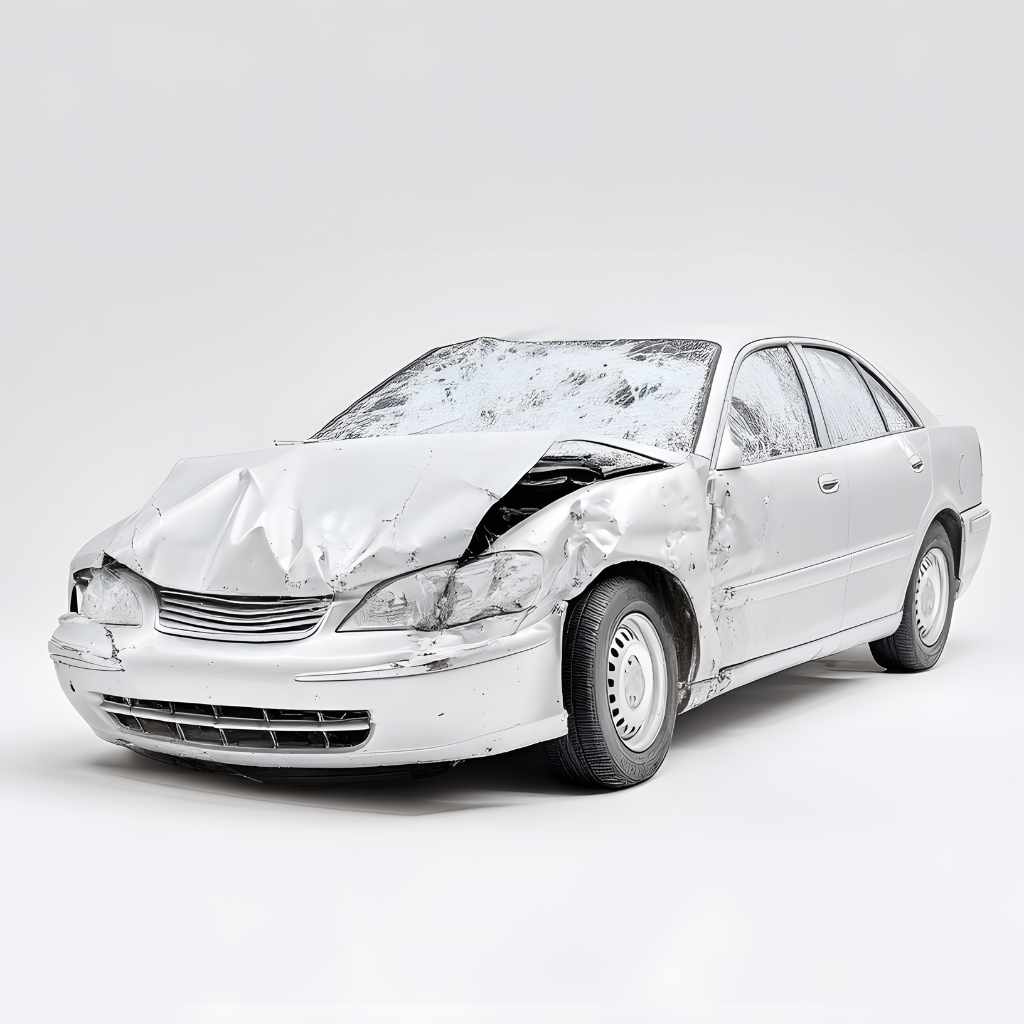
Take photos and videos of the accident scene. This includes:
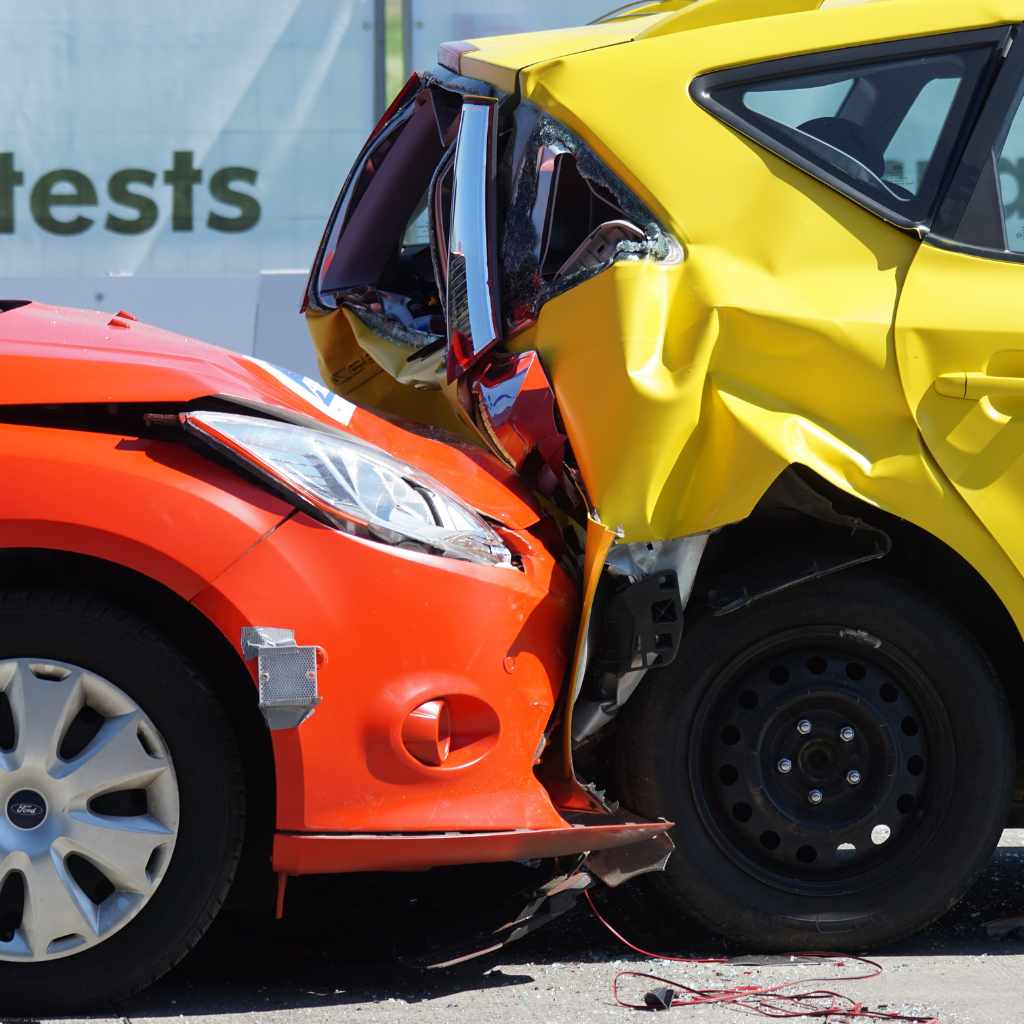
Damage to both vehicles.
The position of the vehicles before they were moved (if applicable).
The surrounding area, including road signs, traffic signals, and any potential contributing factors like weather conditions or road hazards.
he other driver’s license plate and any visible damage to their vehicle.
Having clear visual records can be extremely helpful later.
Note the Location and Time
Write down the exact location where the accident occurred and the date and time. This detail is important for insurance reports.
Do Not Admit Fault
Even if you think you might have been partially at fault, it’s best not to admit fault at the scene. Let the insurance companies determine who is responsible. Stick to the facts when speaking with the other driver.
Contact the Police If Necessary
In some situations, you may need to call the police. This is generally recommended if:
There are injuries.
The other driver is uncooperative or seems to be under the influence.
There is significant damage to the vehicles.
You are in a jurisdiction where an accident report is mandatory for any collision.
Even if police don’t come to the scene, you might still be able to file a report later at the police station.
Reporting the Accident to Your Insurance Company
Once you’ve gathered all the necessary information and ensured everyone is safe, the next crucial step is to inform your insurance company.
When to Report
Report the incident as soon as possible. Most insurance policies require you to notify them promptly after an accident. Waiting too long could affect your claim.
What to Expect
Your insurance company will likely assign an adjuster to your case. They will review the information you provide, the other driver’s information, and potentially the police report. They will assess the damage and determine fault based on the evidence.
Cooperate Fully
Be honest and provide all requested information to your insurance company. They are there to help you through the claims process.
If the Other Driver is Uninsured or Leaves the Scene
Sometimes, you might encounter a driver who doesn’t have insurance or drives away after the bump. These situations require a slightly different approach.
Uninsured Driver
If the other driver has no insurance, you will likely need to use your own collision coverage to repair your car. Your insurance company will still investigate to try and recover costs from the other driver, but your policy will cover your damages.
Hit-and-Run
If the driver leaves the scene, this is considered a hit-and-run. You must report this to the police immediately. Document everything you can remember about the other vehicle. Your collision coverage may apply here as well, but it depends on your specific policy.
Dealing with Damage and Repairs
After the immediate aftermath, you’ll need to address the damage to your vehicle.
Getting Repair Estimates
Get at least two or three estimates from reputable repair shops. Your insurance company may recommend specific shops, but you generally have the right to choose where your car is repaired.
Choosing a Repair Shop
Consider factors like the shop’s reputation, warranty on repairs, and how long it will take to fix your car.
Understanding Your Policy Coverage
Be familiar with your insurance policy. Your collision coverage will pay for damage to your car, minus your deductible. If the other driver is at fault, their insurance should cover the costs.
Preventing Future Bumps
While accidents can happen, there are ways to reduce the chances of getting into one.
Defensive Driving
Practice defensive driving techniques. This means anticipating potential hazards and being aware of your surroundings.
Maintain Safe Following Distance
Always maintain a safe following distance from the car in front of you. This gives you more time to react if they brake suddenly.
Be Aware of Blind Spots
Know the blind spots of your vehicle and be extra cautious when changing lanes or making turns.
Avoid Distractions
Put away your phone, avoid eating or drinking, and minimize other distractions while driving. Focus solely on the road.
What to Do If Someone Bumps Your Car While Parked
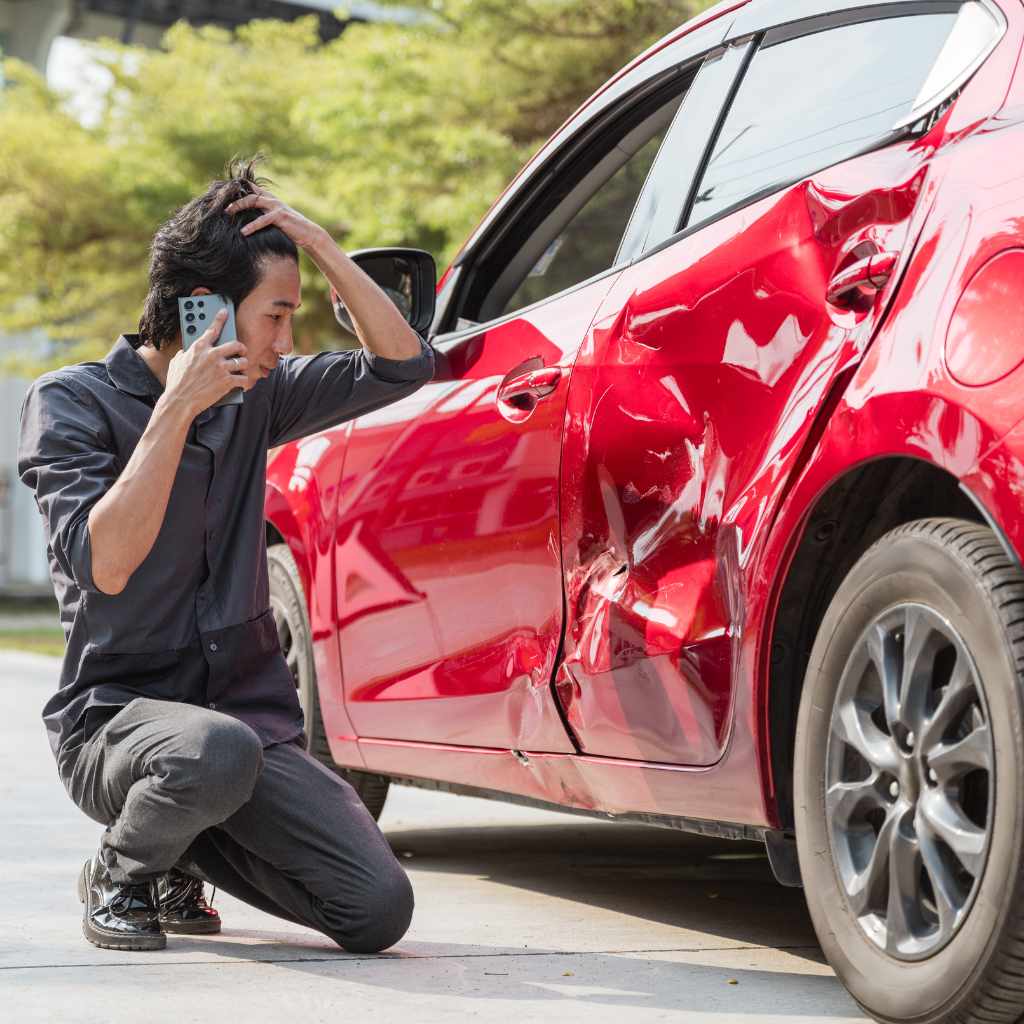
Accidents aren’t limited to when you’re driving. Someone bumping your car while it’s parked is also a common occurrence. The steps are similar, but some details change.
Check for Damage
First, inspect your car for any damage.
Look for the Other Driver
See if the other driver is still around. If they are, proceed with exchanging information as if you were in a moving accident.
Leave a Note
If the other driver has left, you should leave a note on their windshield with your contact information. This is not only the right thing to do but also a legal requirement in most places.
Contact the Police
Report the incident to the police, especially if there’s significant damage or if the other driver left the scene without leaving a note.
File an Insurance Claim
Contact your insurance company to file a claim. If the other driver is identified and at fault, their insurance will cover the damages. If they cannot be identified or are uninsured, your collision coverage will be used.
Key Differences in Parked vs. Moving Accidents
While the core principles of exchanging information and reporting to insurance are the same, there are subtle differences when dealing with a parked car bump.
| Aspect | Moving Accident | Parked Car Accident |
|---|---|---|
| Immediate Danger | Higher risk of further collisions or injuries. | Lower immediate risk, focus on property damage. |
| Driver Presence | Both drivers usually present. | Other driver may or may not be present. |
| Information Exchange | Direct exchange of details. | May involve leaving a note if the other driver is gone. |
| Police Involvement | More likely if injuries or significant damage. | Often necessary if the other driver leaves or significant damage. |
Frequently Asked Questions
Question: What if the other driver refuses to give me their information?
Answer: If the other driver refuses to share details, remain calm. Do not get into an argument. Instead, call the police to report the incident.
They can assist in obtaining the necessary information. Take photos of their license plate and vehicle.
Question: Do I have to use the repair shop recommended by my insurance company?
Answer: Generally, no. You have the right to choose your preferred repair shop. Your insurance company may have preferred shops that they have agreements with for faster service, but the final decision is yours.
Question: What is a deductible and how does it work?
Answer: A deductible is the amount you pay out of pocket for repairs before your insurance company starts paying. For example, if your deductible is $500 and the repairs cost $2,000, you would pay $500, and your insurance would cover the remaining $1,500.
Question: What happens if the other driver’s insurance denies my claim?
Answer: If the other driver’s insurance denies your claim, you can appeal their decision. You may need to provide additional evidence or work with your own insurance company to help resolve the issue. Consulting with an attorney is also an option if the situation becomes complex.
Question: Should I get a second opinion on repair estimates?
Answer: Yes, it’s often a good idea to get a second opinion, especially if the initial estimate seems high or if you’re unsure about the extent of the damage. Comparing estimates can help ensure you’re getting a fair price for repairs.
Final Thoughts
When you find yourself in a situation where someone bumps into your car, remember that staying calm is your most powerful tool. Taking a moment to breathe, assess the safety of the scene, and then systematically gather information from the other driver and document the damage is key. Don’t forget to get details like their name, contact number, and insurance policy information, and take clear photos of the vehicles and the surroundings. Reporting the incident to your insurance company promptly is also a vital step in the process.
Even if the other driver is uninsured or drives away, there are procedures to follow, often involving your own insurance coverage. By understanding these steps and acting calmly and methodically, you can effectively manage the aftermath of a car bump, ensuring that your vehicle gets repaired and that all necessary procedures are followed. Keeping these guidelines in mind will help you feel prepared and capable if this situation ever arises.