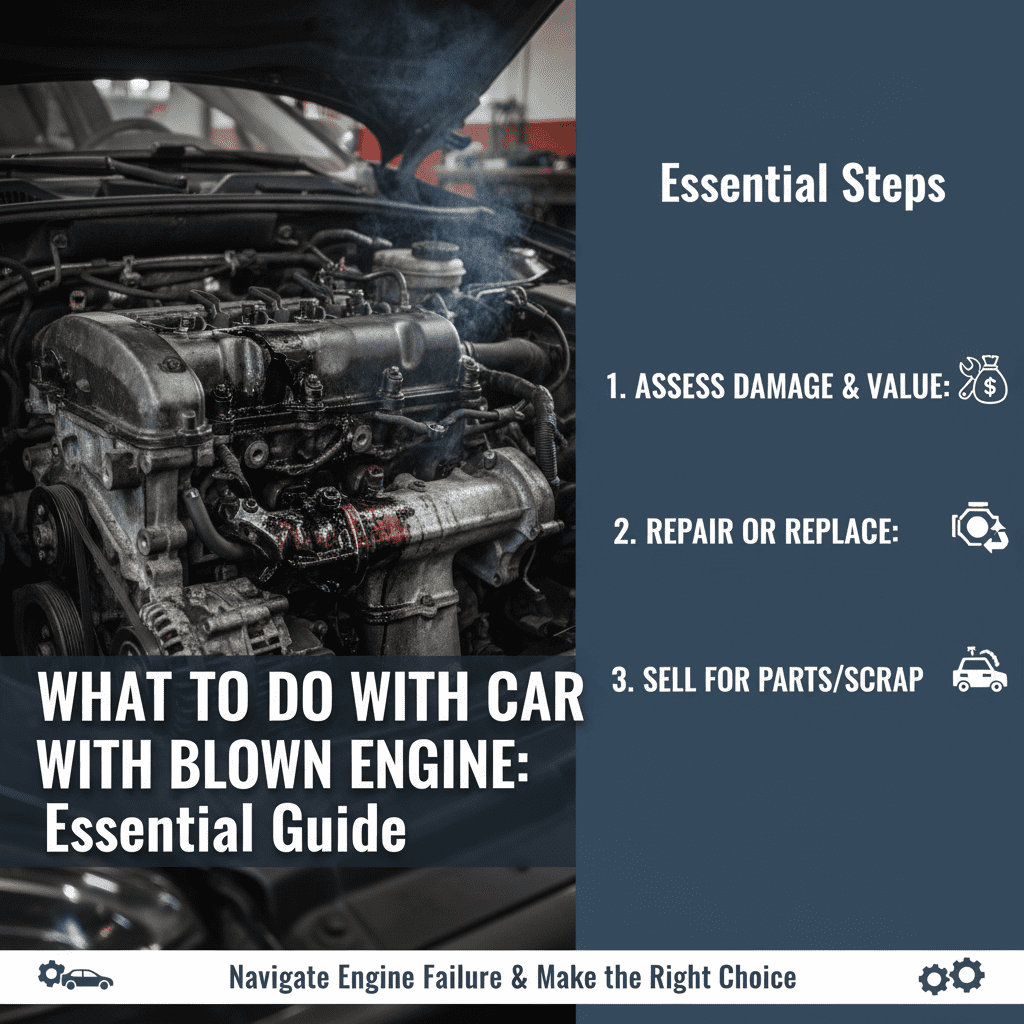
What to Do With a Car With a Blown Engine: 5 Options + Confirm It’s Real
With a blown engine, you have five realistic options: sell the car as-is to a junkyard or private buyer, part it out and sell the components separately, repair or replace the engine, sell to a specialist rebuilder, or donate it for a tax deduction. Which makes sense depends mostly on how much the rest of the car is worth versus the repair cost.
Hearing that awful noise, or worse, your car suddenly dying, is a sinking feeling. A blown engine is one of the most serious and expensive problems a car can face, and it’s easy to assume the car is a total loss. I’m Md Meraj, and before you make a decision, it’s worth confirming the engine is actually blown — some of what looks like a “blown engine” turns out to be a much cheaper fix. Once that’s confirmed, this guide walks through each option, including the one most guides skip: whether pulling the car off your insurance before you sell it is a red flag.
Quick Answer
With a blown engine, your five realistic options are: sell it as-is to a junkyard or private buyer, part it out and sell the components, repair or replace the engine, sell to a specialist rebuilder, or donate it for a tax deduction. Before choosing, confirm the engine is actually blown — a compression test or scan tool check can rule out cheaper problems that just look like total engine failure.
How to Confirm the Engine Is Actually Blown (Before You Give Up)
“Blown engine” gets used loosely — a lot of cars that get written off this way actually have a cheaper, fixable problem: a bad ignition coil, a clogged fuel pump, or a failed sensor throwing a code that mimics catastrophic failure. Before you commit to selling, parting out, or donating the car, it’s worth ruling those out first.
- Run a compression test. Low or wildly uneven compression across cylinders (roughly 20% or more variance) points to real internal damage — worn rings, a burnt valve, or a cracked cylinder wall.
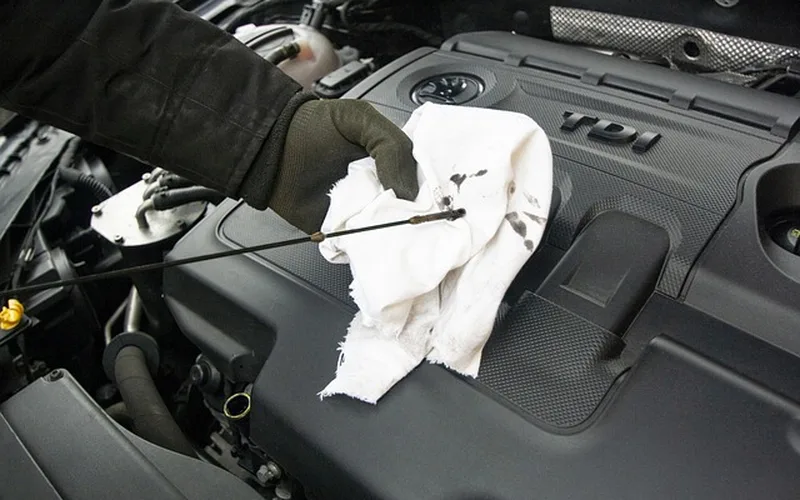
- Check the oil for metal filings or a milky texture. Metal flakes on the dipstick usually mean internal parts are grinding. A milky, frothy look can mean coolant is mixing with oil — often a blown head gasket rather than a fully destroyed engine, and sometimes repairable for far less.
- Pull the diagnostic codes with an OBD2 scanner. A misfire code (P0300-series) or knock sensor code doesn’t automatically mean the engine is done — those can come from a single bad coil, spark plug, or sensor.
- Listen for the specific noise. A deep, rhythmic knocking that gets faster with RPM usually means a rod or bearing failure — genuinely serious. A lighter tapping or ticking is more often a lifter or valvetrain issue, which is a much smaller repair.
If a compression test and a code scan both point to real internal damage, treat the engine as blown and move on to the options below. If you’re unsure how to run these checks yourself, a diagnostic-only visit to an independent mechanic (not a dealership) is usually far cheaper than assuming the worst and selling the car for scrap value.
Recommended: Confirm It’s Actually Blown First

OTC 5605 Deluxe Compression Tester Kit
A proper compression test across all cylinders is the fastest way to tell a truly blown engine from a cheaper fix.
View Our Pick on Amazon

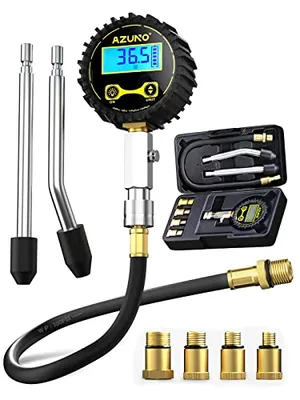
AZUNO Compression Tester Automotive, Digital Compression Gauge 200 PSI for Petrol Engine Cylinder Co |
ANCEL AD310 OBD2 Scanner |
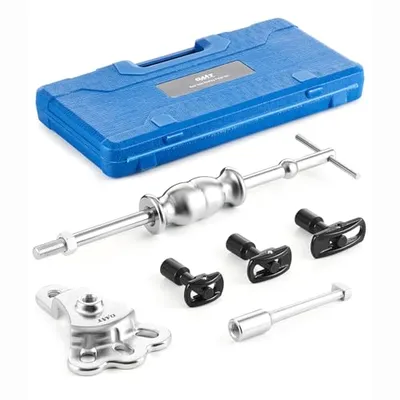
OMT Rear Axle Bearing Puller Tool Kit and Slide Hammer Set |
Your Options If Your Engine Has Blown
Facing a blown engine can feel daunting, but there are practical solutions available. We’ve broken down the most common and effective paths you can take. Each option has its own set of pros and cons, and the best choice for you will depend on your car’s value, your budget, and your willingness to invest time or money.
Option 1: Sell Your Car As-Is
This is often the quickest and simplest way to get rid of a car with a dead engine. You won’t get much money, but you’ll avoid further hassle and expense.
Who is this best for?
- Owners who want a fast solution.
- Owners with older or high-mileage vehicles where repair costs would exceed the car’s value.
- Owners who don’t have the time or inclination for repairs.
Where to sell it:
- Online Marketplaces: Websites like Craigslist, Facebook Marketplace, eBay Motors, and dedicated “junk car” sites. Be upfront about the engine issue in your listing.
- Local Junkyards or Salvage Yards: These businesses specialize in buying vehicles for parts or scrap metal. They usually offer to tow the car for free.
- Used Car Dealers: Some dealers will buy non-running vehicles, especially if it’s a model they commonly sell or can easily resell for parts.
- Cash for Cars Companies: Many companies buy cars in any condition. They often provide instant quotes and fast pickup.
Pros:
- Fastest way to get rid of the vehicle.
- Minimal effort required on your part.
- Recoup some small amount of money.
Cons:
- You’ll likely get the least amount of money compared to other options.
- The car’s potential value is lost.
Option 2: Part It Out (Dismantle and Sell Components)
If you have the time, tools, and a place to work, you can extract valuable parts from your car and sell them individually. This requires more effort but can yield more money than selling the car whole. You’ll need to research which parts are in demand and which ones are easiest to remove.
Who is this best for?
- DIYers with mechanical knowledge and tools.
- Owners of popular car models where parts are highly sought after.
- People who have the space and time to dedicate to the process.
What parts are usually valuable?
- Body Panels: Doors, fenders, hoods, trunks.
- Interior Components: Seats, infotainment systems, dashboards.
- Electronics: ECUs (Engine Control Units), wiring harnesses, sensors.
- Wheels and Tires: If they are in good condition.
- Suspension components.
- Transmission: Sometimes, even if the engine is blown, the transmission might be fine.
How to do it:
- Research: Identify which parts are in demand for your car model. Check online forums and marketplaces.
- Gather Tools: You’ll need a comprehensive socket set, wrenches, screwdrivers, pry bars, and possibly specialized tools for certain components. A good service manual is invaluable.
- Careful Removal: Work slowly and methodically. Label parts and take pictures if needed. Be aware of wiring harnesses, fluid lines, and potential safety hazards.
- Cleaning and Listing: Clean the parts thoroughly. Take clear photos and write detailed descriptions for online listings.
- Selling: Use platforms like eBay Motors, Facebook Marketplace, or specialized auto parts forums.
Pros:
- Potential to make significantly more money than selling the car as-is.
- Learn more about car mechanics by taking it apart.
- You can keep or sell parts that aren’t compatible with other projects.
Cons:
- Requires significant time, effort, and mechanical skill.
- You’ll need tools and space.
- You’ll be left with a bare chassis that still needs to be disposed of.
Option 3: Repair or Replace the Engine
This is the most involved option, aiming to get your car back on the road. It can be cost-effective if your car is otherwise in good condition and has significant remaining value.
Engine Repair vs. Replacement:
Repairing a blown engine is usually only feasible if the damage is localized and not too severe. This might involve fixing a cracked block, replacing damaged pistons or valves, or repairing a head gasket issue. However, if the engine has seized (components are fused together), or if there’s extensive internal damage, replacement is typically the more practical route.
Types of Replacements:
- Used Engine: This is often the most budget-friendly option. Used engines are salvaged from other vehicles. It’s crucial to buy from a reputable dealer with a warranty.
- Remanufactured Engine: These engines have been professionally rebuilt to factory specifications. They are more expensive than used engines but come with a better warranty and greater reliability.
- New Engine: This is the most expensive option and is rarely cost-effective for older vehicles. It offers the highest reliability and longest warranty.
Cost Considerations:
Replacing an engine can cost anywhere from $2,000 to $10,000 or more, depending on the car, the type of engine (used, remanufactured, new), and labor costs. Labor is a significant part of the expense, as it can take mechanics many hours to remove the old engine and install the new one.
Finding a Reputable Mechanic or Engine Supplier:
If you’re not doing the work yourself, finding a trustworthy mechanic is vital. Get multiple quotes, ask for references, and ensure they offer a warranty on parts and labor. For engines, look for suppliers with good reviews and a solid warranty policy.
For more information on engine diagnostics and common repair issues, the National Highway Traffic Safety Administration (NHTSA) offers valuable safety and recall information.
Pros:
- Gets your car back in working order.
- Can be cost-effective if the car is otherwise sound and valuable.
- A remanufactured or new engine can provide years of reliable service.
Cons:
- Most expensive option.
- Requires significant investment of time and money.
- Risk of unforeseen problems during the repair process.
- The car may have other issues that surface later.
Option 4: Sell to a Rebuilder or Specialist
Some businesses specialize in buying cars with blown engines, rebuilding them, and then reselling them. They have the expertise and facilities to handle complex engine work.
Who is this best for?
- Owners of relatively new or valuable cars where repair costs are high but the potential resale value after repair is also high.
- Owners who want to avoid the hassle of selling a non-running vehicle themselves but want more than a scrap price.
How it works:
You’ll contact these businesses and describe your car’s condition. They will typically offer you a price based on the car’s make, model, year, mileage, and the estimated cost to repair the engine and resell it. If you accept, they’ll usually arrange for pickup.
Pros:
- Less work for you than parting out.
- Potentially more money than selling to a general junkyard.
- Can be a good middle-ground option.
Cons:
- May still not bring back the full value of a running car.
- Finding these specialized buyers might take some research.
Option 5: Donate Your Car
If you’re looking for a tax deduction and want to support a cause, donating your car is a great charitable option. Many charities accept vehicle donations, even those with damaged engines, and will arrange for pickup.
Who is this best for?
- Car owners who don’t need the cash but want a tax benefit.
- People who want to support a charity.
- Owners who want a hassle-free way to get rid of a non-running car.
How it works:
- Choose a charity: Research charities that accept vehicle donations. Ensure they are legitimate and that the donation process is transparent.
- Check requirements: Confirm if the charity accepts cars with blown engines and understand their process.
- Title and Paperwork: You’ll need the vehicle title. The charity will guide you through the donation paperwork.
- Pickup: The charity will usually arrange a free pickup for your vehicle.
- Tax Deduction: The amount you can deduct usually depends on what the charity does with the car (sells it for parts, repairs it, etc.). Consult a tax professional for specific advice.
The IRS provides guidelines for donating vehicles to charity.
Pros:
- Potentially get a tax deduction.
- Feel good about supporting a cause.
- Hassle-free, as the charity handles removal.
Cons:
- You won’t receive cash for the car.
- The tax deduction amount can vary.
Comparing Your Options: A Quick Look
To help you visualize your choices, here’s a table summarizing the key aspects of each option:
| Option | Effort Level | Potential Cash Value | Time Commitment | Best For |
|---|---|---|---|---|
| Sell As-Is | Low | Very Low | Very Low | Quickest removal, older cars |
| Part It Out | High | Medium-High | High | DIYers, available time/space |
| Repair/Replace Engine | Medium (if outsourcing) / High (DIY) | High (if car is valuable) | Medium-High | Cars worth saving, budget available |
| Sell to Rebuilder | Medium | Medium | Low | Valuable cars needing specialized buyers |
| Donate | Low | Tax Deduction (variable) | Low | Charitable giving, hassle-free removal |
Making Your Decision: Key Factors to Consider
Choosing the right path for your car involves looking at a few important things. It’s about matching your situation with the best possible outcome.
1. The Value of Your Car
What is your car worth if it were running properly? If you have a modern, popular model with low mileage, repairing it might make sense. If it’s an older, high-mileage vehicle, the cost of repair likely exceeds its market value, making selling it as-is or parting it out a better financial choice.
2. Your Budget
Do you have funds available to pay for a new engine or major repairs? If not, options like selling it as-is, parting it out, or donating are more realistic.
3. Your Time and Mechanical Skill
Are you handy with tools? Do you have a garage or driveway space where you can work on the car? Parting it out or attempting a DIY engine swap requires significant time and skill. If you lack these, outsourcing repairs or selling the car whole becomes more appealing.
4. The Cause of the Blown Engine
Sometimes, the reason the engine blew can influence your decision. If it was a manufacturing defect or something that could have been prevented with simple maintenance, that might factor into your perception of the car’s overall reliability. If it was a result of an accident or extreme misuse, the car might have other underlying issues.
5. Your Emotional Attachment
Let’s be honest, sometimes we get attached to our cars! If this car holds sentimental value, you might be willing to invest more than it’s financially worth to keep it running. However, it’s important to balance sentiment with practicality.
Step-by-Step Guide to Selling Your Car with a Blown Engine
If you decide that selling your car as-is is the best route, here’s how to do it smoothly:
- Assess Condition: Honestly evaluate the car’s overall condition (body, interior, tires, etc.). This helps you set realistic expectations for the price.
- Research Value: Look up the “book value” of your car in good working condition. Then, subtract a significant amount to account for the blown engine. Consider what similar non-running cars are selling for in your area.
- Gather Documents: Have your car’s title, registration, and any maintenance records ready.
- Clean It Up: Even though the engine is dead, a clean car (inside and out) looks more appealing and suggests it was otherwise well-maintained.
- Take Good Photos: Clear, well-lit photos of the exterior, interior, and any specific features are crucial for online listings. Be honest about any damage.
- Write an Honest Description: Clearly state “blown engine” or “non-running due to engine failure.” Mention the make, model, year, mileage, and any significant features or recent repairs. Also, note any cosmetic flaws.
- Choose Your Selling Platform: Decide if you’ll use online marketplaces, junkyards, or “cash for cars” services.
- Be Prepared for Haggling: Buyers looking at non-running cars expect to negotiate the price.
- Secure the Sale: When you finalize a sale, ensure proper transfer of ownership according to your local laws. This might involve a bill of sale and signing over the title.
Should You Remove a Car From Your Insurance Before Selling It With a Blown Engine?
This is a common worry, and the answer is straightforward: dropping comprehensive/collision coverage on a car you can’t legally drive isn’t suspicious to an insurer or a buyer — it’s normal. Insurers see this constantly with non-running vehicles. The one thing to be careful about is timing: don’t cancel the policy until you’ve actually sold the car (or at least transferred the title), since you may still need liability coverage if the car is sitting in a driveway or on the street where it could be hit or towed. Most insurers let you drop comprehensive/collision coverage while keeping a minimal liability policy in place, which is the safer middle ground until the sale closes.
“I’ve seen people scrap a perfectly savable car because a rough idle and a check-engine light got labeled ‘blown engine’ by a quick roadside guess. A $150 compression test the same week saved one reader from selling a car worth $4,000 more than the junkyard offer they’d already lined up. Confirm it first — it costs almost nothing compared to what a wrong guess costs you.”
— Md Meraj, The Daily Automotive
Frequently Asked Questions About Blown Engines
How much does it cost to fix a blown engine?
Repairing or replacing an engine can range from $2,000 to over $10,000. The cost depends on the car, the extent of the damage, whether you use a used, remanufactured, or new engine, and labor rates in your area.
Can you drive a car with a blown engine?
No, not safely, and often not at all. A truly blown engine typically means the car won’t start or run reliably enough to move under its own power — and forcing it to run risks turning a repairable problem (like a blown head gasket) into a fully destroyed engine that needs a complete replacement.
Can a blown engine be fixed, or does it always need to be replaced?
It depends on what actually failed. A blown head gasket or a single burnt valve can sometimes be repaired for a few hundred to around $2,000. Thrown rods, a cracked block, or spun bearings usually mean the engine needs a full rebuild or replacement, which is why confirming the exact failure with a compression test matters before you decide.
Will removing my car from my insurance before selling it look suspicious?
No. Dropping comprehensive or collision coverage on a non-running car is routine and won’t raise flags with your insurer. Just wait until the sale is finalized (or at least keep minimal liability coverage) rather than canceling the policy while the car still sits on your property.
How do I dispose of a car with a blown engine if no one wants to buy it?
Junkyards and scrap-metal buyers will almost always take a non-running car, usually paying based on scrap weight rather than the vehicle’s working value. Many “cash for cars” services will also tow it away for free as part of the payout, so a genuinely unsellable car rarely means you’re stuck with it.
What’s the difference between a blown engine and one that “just needs work”?
A blown engine usually means internal, structural damage — a thrown rod, cracked block, or seized components — that makes the engine unrepairable or not worth repairing relative to the car’s value. “Needs work” more often describes a bad sensor, coil, or gasket: annoying and sometimes expensive, but not a total loss. A compression test and code scan are how you tell the two apart.
Before you write the car off, run a quick compression test and pull the codes — it takes less time than photographing the car for a “blown engine, as-is” listing, and it might change which of the five options above actually makes sense for you.
Products related to this article
Sponsored / affiliate links. As an Amazon Associate I earn from qualifying purchases. I may earn additional commission from eligible campaigns.