What To Do With Old Car Plates: Smart Disposal Ideas
Finding out what to do with old car plates can feel like a puzzle. You want to be responsible and do it the right way. This guide explores all the smart, legal, and even creative ways you can handle those old license plates. We’ll cover everything from proper disposal to fun reuse ideas.
Understanding Old Car Plates
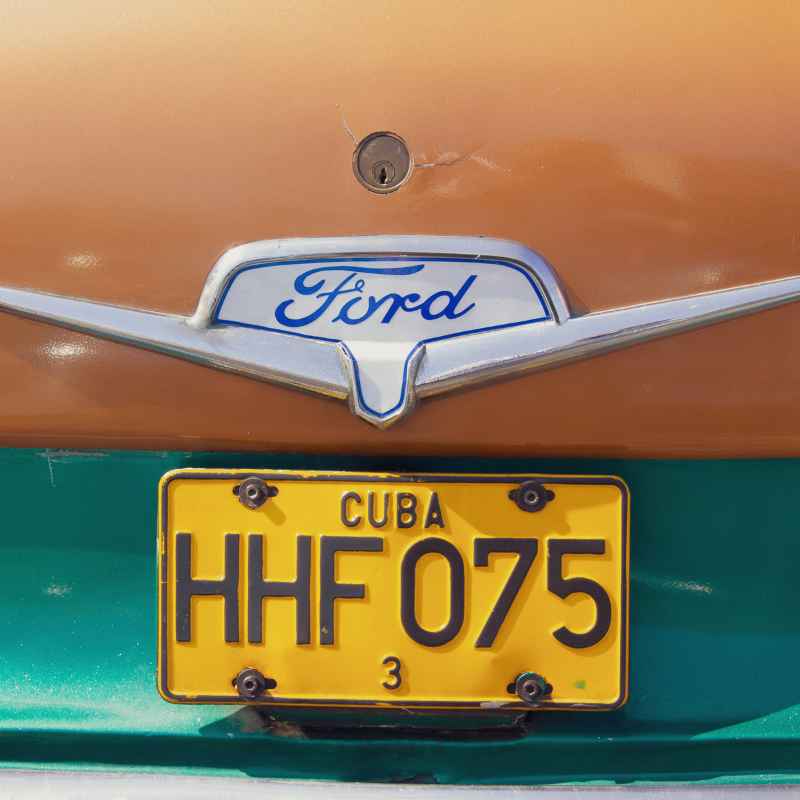
An old car plate, also known as a license plate or number plate, is a metal or plastic sign. It’s attached to a vehicle. It shows a unique code. This code identifies the vehicle. It also shows its registration status with a local government. When a vehicle is sold or no longer registered, the plates might be removed. They become “old car plates.”
Why do we have them? They help authorities track vehicles. They also help identify owners. This is important for taxes and rules. When plates expire, you usually get new ones. The old ones need to be dealt with. Different states have different rules. These rules are about what to do with them. It’s important to follow these rules. It keeps things legal and safe.
My Own Plate Predicament
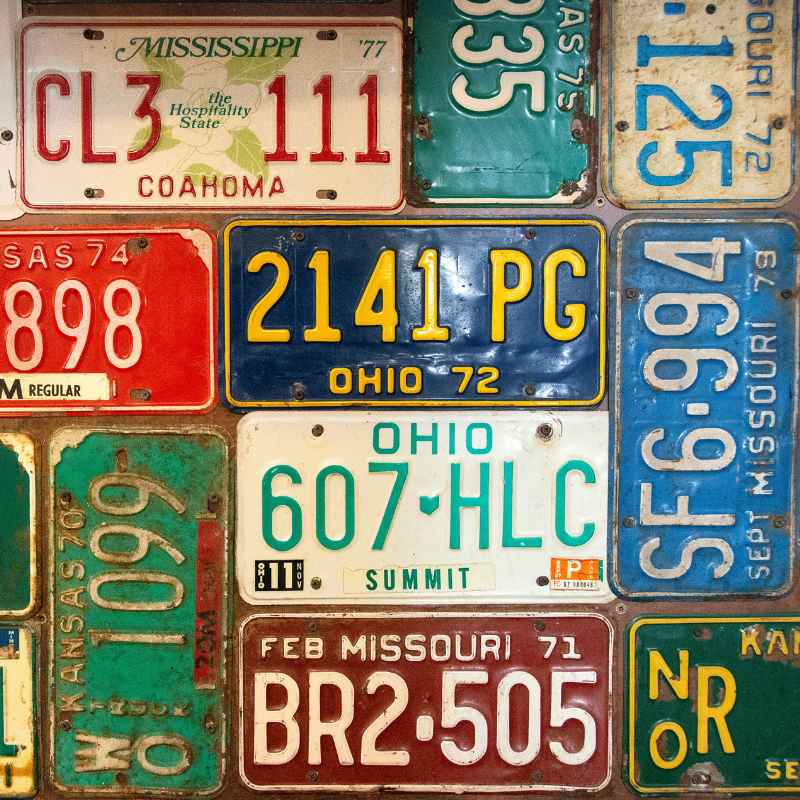
I remember one time, I was helping my dad clean out his garage. We found a box stuffed with old license plates. They were from cars going back to the 1980s. Some were rusty. Others were faded from the sun. My dad had kept them for sentimental reasons. He’d driven those cars for years. But the garage was getting full. We needed the space.
He looked at them and said, “What do we do with these?” He didn’t want to just throw them away. He felt like they deserved more. We spent an afternoon going through them. We talked about the memories each plate brought back. It was a bit of a trip down memory lane. But then came the practical part. We needed a plan. It took some digging, but we found some great ways to handle them responsibly.
Legal Disposal of Old Car Plates
The most important thing is to handle your old plates legally. Rules vary by state. Many Department of Motor Vehicles (DMV) offices have specific instructions. These instructions ensure plates are properly retired. This prevents fraud or misuse.
State DMV Requirements
Most states require you to return your old license plates. This happens when you cancel your registration. Or when you buy a new car. Some states let you keep them. But you often need to officially surrender them. Check your state’s DMV website. It will have the exact steps. You might need to mail them back. Or drop them off at an office. Some states offer online surrender options.
Canceling Registration
When you sell a car, you often need to cancel its registration. This involves surrendering the plates. If you don’t, you might still be responsible for fees or tickets. Even if you don’t own the car anymore. It’s a good habit to always follow the plate surrender process.
Surrendering Plates by Mail or In Person
In many places, you can mail your old plates to the DMV. There might be a specific address for this. Sometimes, you need to go to a local DMV office. You can hand them over there. They will process the surrender. It’s often a quick process. They might give you a receipt. Keep this receipt for your records. It proves you followed the rules.
Key Takeaways for Legal Disposal
- Always check your state’s DMV rules first.
- Surrender plates when you cancel registration.
- Mail or return them in person as instructed.
- Keep any proof of surrender for your records.
Recycling Old License Plates
Recycling is a great option for old metal license plates. Metal is a valuable resource. Recycling it reduces waste. It also saves energy. However, not all recycling centers accept them easily. You need to know where to take them.
Metal Recycling Centers
Most standard metal recycling centers will take old license plates. They are usually made of aluminum or steel. These are common recyclable metals. Call your local recycling center first. Ask if they accept them. Some might have specific drop-off times or procedures.
Preparing Plates for Recycling
Usually, you don’t need to do much. Just make sure they are clean. Remove any stickers or residue if possible. Some centers might ask you to bend them slightly. This helps them fit into sorting bins. But most of the time, they take them as they are.
Environmental Benefits
Recycling metal saves a lot of energy. Making new metal from scratch uses much more power. It also reduces the need to mine new ore. This protects natural landscapes. So, recycling your old plates is good for the planet.
Recycling Quick Facts
What they’re made of: Often aluminum or steel.
Where to take them: Local metal recycling centers.
Why it matters: Saves energy, reduces mining, cuts landfill waste.
Creative Reuse Ideas for Old Plates
Beyond legal disposal and recycling, old license plates can become cool art or useful items. Many people find creative ways to give them new life. This adds a personal touch to home decor or crafts.
Home Decor and Wall Art
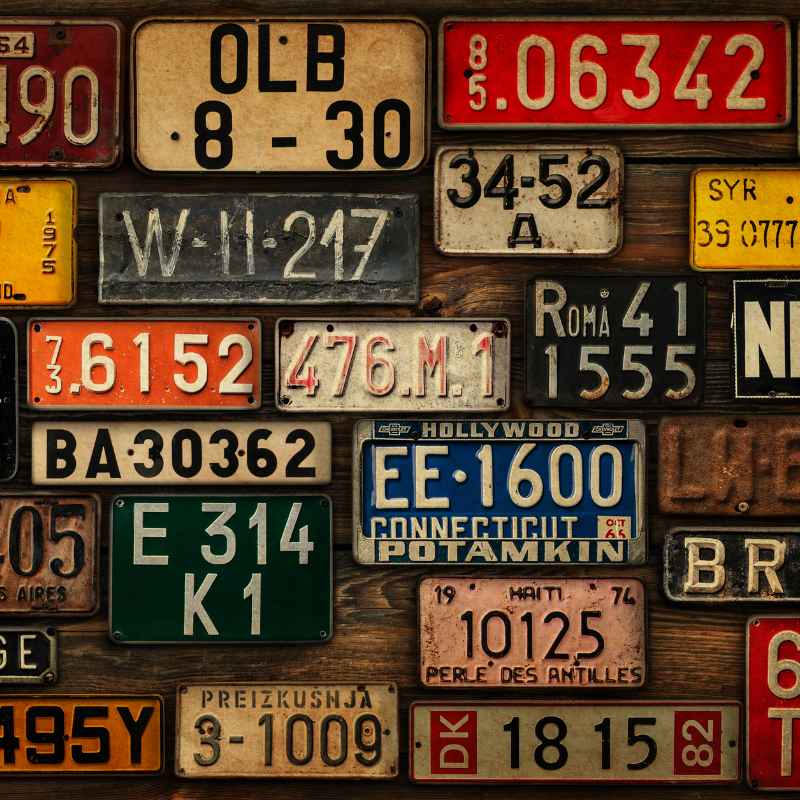
Old license plates make fantastic wall art. You can hang them in garages, man caves, or kitchens. Arrange them in patterns or spell out words. Mix plates from different states for a unique look. They add a retro or vintage vibe to any space.
Garage and Workshop Enhancements
If you have a garage or workshop, old plates are perfect. They can decorate the walls. They can also be used to label shelves or tool chests. Imagine a wall covered in colorful plates from your travels. It tells a story.
Kitchen or Bar Accents
A few well-placed plates can spice up a kitchen or home bar. They add a pop of color and personality. They remind you of road trips or special memories.
Crafting and DIY Projects
Crafters love using old license plates. They are sturdy and have interesting designs.
Making Signs
You can create custom signs with plates. Cut them up to make letters. Or use a whole plate to display a message. This is great for house numbers, business signs, or decorative quotes.
Creating Furniture or Accessories
Some people use plates to decorate furniture. They can cover a tabletop or drawer fronts. You can also make items like keychains, magnets, or even jewelry from smaller pieces.
DIY Plate Projects Showcase
- Wall Art: Create a collage of plates.
- Custom Signs: Make unique house numbers.
- Furniture Embellishments: Decorate tables or cabinets.
- Small Crafts: Design magnets or keychains.
Donating Old Plates
Some organizations might accept old license plates. Especially if they are still in good condition. Schools might use them for art classes. Or car clubs might collect them for displays. Always ask before donating. Make sure they can actually use them.
Contrast Matrix: Disposal Options
| Option | Best For | Considerations |
|---|---|---|
| Legal Surrender | All states; prevents issues | Must follow state rules carefully. |
| Metal Recycling | Environmentally conscious owners | Find a local metal recycler. |
| Creative Reuse | DIY enthusiasts, decorators | Can be time-consuming; ensure plates are clean. |
Things to Consider Before You Act
Before you decide what to do with your old plates, think about a few things. Your location matters. Your personal goals for the plates matter too.
Your State’s Specific Laws
As mentioned, laws differ. Some states want plates back. Others are fine if you keep them. But there might be rules about what you can do with them if you keep them. For example, you might not be able to put them on another vehicle. Or display them publicly in a way that looks like current registration. Always confirm your state’s stance.
The Condition of the Plates
Are the plates old and rusty? Or are they in good shape? This might influence your choice. Rusty plates might be better suited for recycling. Nice-looking plates might be perfect for art projects.
Sentimental Value
Do the plates hold memories for you? A plate from your first car? Or a plate from a memorable road trip? If so, keeping them might be important. You can find safe ways to store them. Or display them artfully.
When to Avoid Certain Actions
There are some things you should absolutely avoid with old car plates. These actions can lead to legal trouble or be unsafe.
Never Put Old Plates on Another Vehicle
This is a big one. Using old plates on a different car is illegal. It’s considered fraud. It can result in fines and legal penalties. Even if the plates are from a car you used to own.
Don’t Just Throw Them in the Trash
While some places might not care, many officials recommend against it. It’s better to ensure they are properly retired. This is especially true if your state requires surrender. Plus, metal plates can be recycled.
Be Careful with Public Display
If you display plates publicly, make sure they don’t look like current plates. Some states have rules about displaying old plates on vehicles or in public spaces. It’s about preventing confusion and potential misuse.
Safety First: What NOT to Do
Illegal Use: Never attach old plates to a different vehicle.
Improper Disposal: Avoid simply throwing them away if surrender is required.
Misleading Display: Ensure displayed plates don’t impersonate current registration.
Real-World Scenarios
Let’s look at how different people handle old plates.
Scenario 1: Moving to a New State
Sarah sold her car in Texas. She got new plates for her new car in California. Texas requires plate surrender. Sarah mailed her old Texas plates back to the Texas DMV. She got a confirmation email. Now she only has her California plates.
Scenario 2: Keeping a Classic Car
Mark has a vintage car. It’s registered with special historic plates. He also has the original plates from when the car was new. He keeps those original plates in his workshop. He cleaned them up. He displays them on a shelf above his workbench. They remind him of the car’s history.
Scenario 3: Decluttering the Garage
The Johnson family found a box of old plates. They were from cars their parents had owned. The plates were weathered and faded. They took the plates to a local metal recycling center. The center accepted them. The family felt good about recycling. They cleared out space in the garage.
Frequently Asked Questions About Old Car Plates
Do I have to return my old license plates to the DMV?
In many states, yes, you do. This is especially true when you cancel your registration or sell a vehicle. However, some states do not require this.
It is crucial to check your specific state’s Department of Motor Vehicles (DMV) website for their rules. They will tell you exactly what you need to do.
What if my state doesn’t require me to return my plates?
If your state doesn’t require surrender, you have more options. You can often keep them. Or you can recycle them.
Some people turn them into art. Just make sure not to put them on another vehicle. That is always illegal.
Can I sell my old license plates?
Generally, you cannot sell old license plates if they are still considered valid registration. Once they are no longer valid or have been surrendered, selling them for decorative purposes might be okay. But check local laws.
Some places might have rules against selling them, even if they are old. It is safer to assume you cannot sell them if they look like they could be used for registration.
Are old license plates valuable?
Some very old or rare license plates can be valuable to collectors. But most common, expired plates from recent years have little to no monetary value. Their value is often sentimental or artistic.
If you think you have a rare plate, you can research collector sites.
Can I make license plate art if the plates are still registered to me?
No. If the plates are still legally registered to a vehicle you own, you should not alter or use them for art until they are officially retired. This means surrendering them to the DMV or following your state’s process for de-registration.
Using active plates for art is illegal.
What if my license plates are damaged or bent?
If your plates are damaged, bent, or rusty, they are usually not usable for display or creative projects unless you want that specific look. They are excellent candidates for metal recycling. If you need to surrender them, check if your state has any specific instructions for damaged plates.
Conclusion
Dealing with old car plates doesn’t have to be a headache. You have several good options. The most important step is knowing your state’s rules. Surrendering them legally protects you. Recycling them helps the environment. And using them for art brings a creative spark. Choose the path that best fits your situation and goals. You’ll feel much better when they are handled correctly.
Products related to this article
Sponsored / affiliate links. As an Amazon Associate I earn from qualifying purchases. I may earn additional commission from eligible campaigns.
 PRIME AVE Stainless Steel License Plate Screws for License Plates, Frames, Covers - Rust Proof Licence Plate Screw Set for Front/Rear Compatible with Buick Cadillac Chevrolet GMCPRIME AVE Stainless Steel License Plate Screws for License Plates, Frames, Covers - Durable & Rust Proof Licence Plate Screw Set for Front/Rear - Compatible with Ford Lincoln (Pack of 8)