Hs Code For Motor Vehicle Parts: What You Need To Know
You want your parts to get where they need to go. You don’t want delays. You don’t want extra fees.
Using the correct code helps a lot. This code is called the HS code. It stands for Harmonized System code.
It’s a global language for goods.
This guide will make it easy. We’ll look at how to find the right HS code. We’ll talk about why it matters so much.
You’ll learn about different types of parts. We’ll cover common mistakes too. Let’s get started on making your shipping smooth.
The HS code for motor vehicle parts is a standardized numerical classification system used globally to identify traded products. It helps customs authorities determine duties, taxes, and manage trade statistics for international shipments of automotive components.
What Are Motor Vehicle Parts?
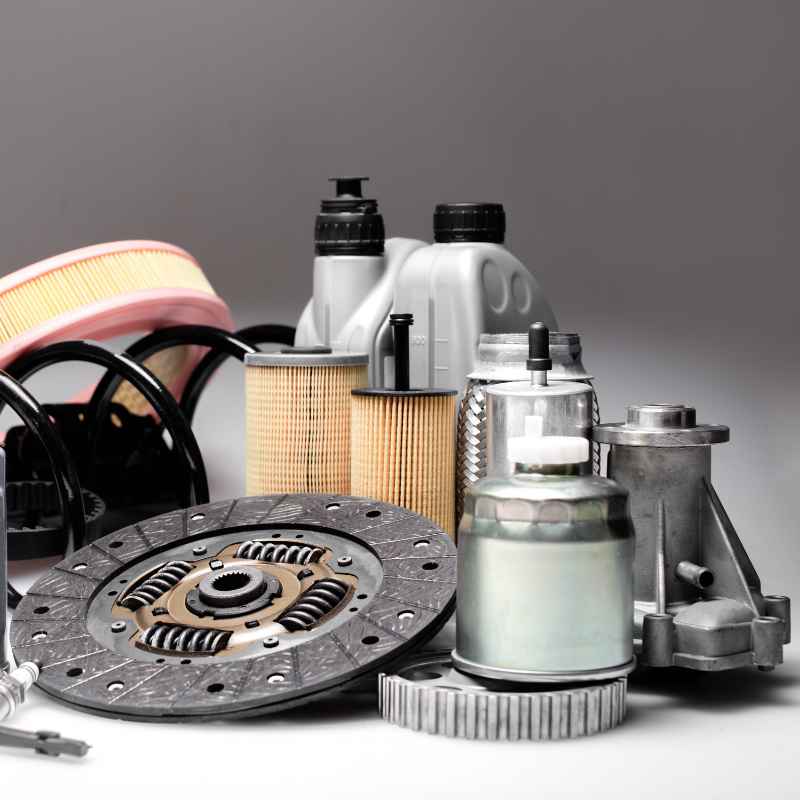
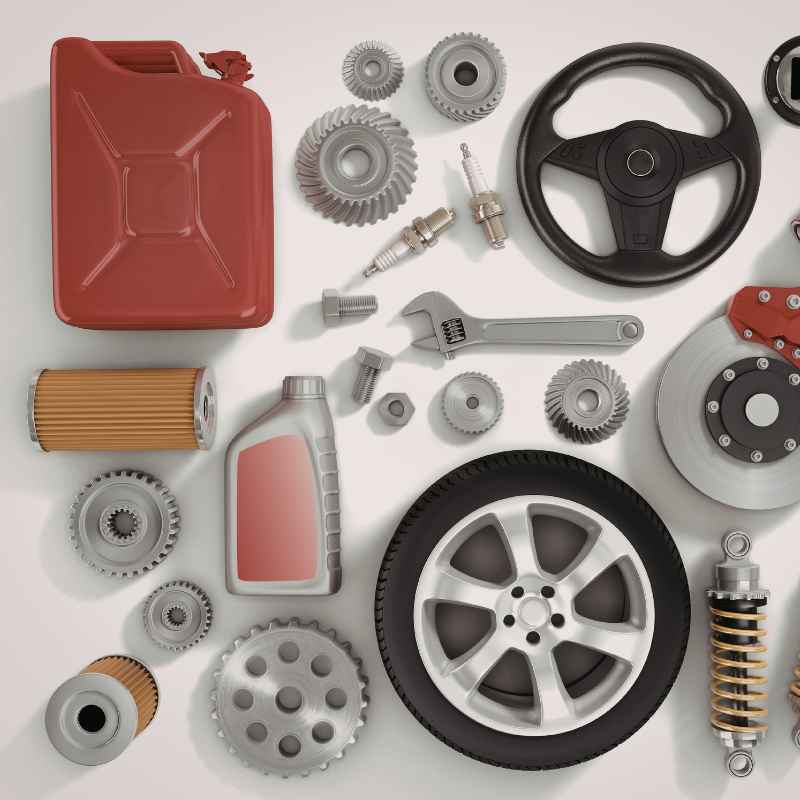
Motor vehicle parts are simply the bits and pieces that make up a car, truck, or other vehicle. Think of the engine. It has many parts.
The tires are parts. Even small bolts and nuts are parts. If it goes on a vehicle, it’s likely a part.
These parts can be new. They can also be used. They can be assembled or unassembled.
Some are simple. Others are very complex. They range from big things like a whole car body.
They can be tiny things like a single screw. The HS system needs to cover them all.
Why Does the HS Code for Motor Vehicle Parts Matter So Much?
Imagine going to a giant library. All the books are mixed up. It would be a nightmare to find what you want.
The HS code is like the library’s catalog system. It organizes everything. This makes trade much simpler.
For motor vehicle parts, this is key. Customs officers around the world use these codes. They need to know what you’re sending.
This helps them decide things like:
- Taxes and Duties: Different parts might have different tax rates. The HS code tells them exactly what to charge.
- Trade Agreements: Some countries have deals. These deals can lower or remove taxes. The code helps check if the parts qualify.
- Safety and Regulations: Certain parts might need special checks. This could be for safety or environmental rules. The code flags these.
- Statistics: Countries track what they import and export. The HS code helps them count the parts.
- Prohibited Items: Though rare for standard parts, the code ensures nothing illegal is shipped.
Using the wrong code can cause big problems. Your shipment could be stopped. You might have to pay fines.
You could even have your parts sent back. This costs time and money. Getting the HS code right saves you headaches later.
Quick HS Code Finder Tips
Tip 1: Be Specific. Don’t just say “car part.” Say “brake pad” or “engine piston.” The more detail, the better.
Tip 2: Know the Material. Is it metal? Plastic? Rubber?
This often changes the code.
Tip 3: Know the Function. What does the part do? Is it for the engine? The brakes?
The steering?
Tip 4: Check the Official Sources. Use government customs websites or consult with a customs broker.
How the Harmonized System Works
The HS code is a series of numbers. It’s usually six digits long. But countries can add more digits.
These extra digits are for more specific details. The first two digits show the main category. Then the next two show a sub-category.
The last two are even more specific.
For example, Chapter 87 of the HS system is all about vehicles. Within that, you’ll find sections for different types of parts. Let’s break down a hypothetical code structure:
- First two digits (Chapter): Identifies the broad product group (e.g., Vehicles other than railway or tramway rolling stock, and parts and accessories thereof).
- Next two digits (Heading): Narrows down the product within the chapter (e.g., Parts and accessories of motor vehicles).
- Next two digits (Subheading): Further refines the product (e.g., specific types of parts like engines or brakes).
So, a part for a car would fall under Chapter 87. Then, it would go into a heading for vehicle parts. The specific subheading would depend on what kind of part it is.
This layered system ensures accuracy.
Finding the Right HS Code for Common Motor Vehicle Parts
This is where it gets practical. We need to look at specific parts. It’s not always a single code.
The HS system is vast. Many factors influence the code.
Consider a brake pad. Is it for a car? A truck?
Is it made of ceramic? Or metal? Or organic material?
Each variation might have a slightly different code. Typically, brake pads for motor vehicles fall under headings related to braking systems.
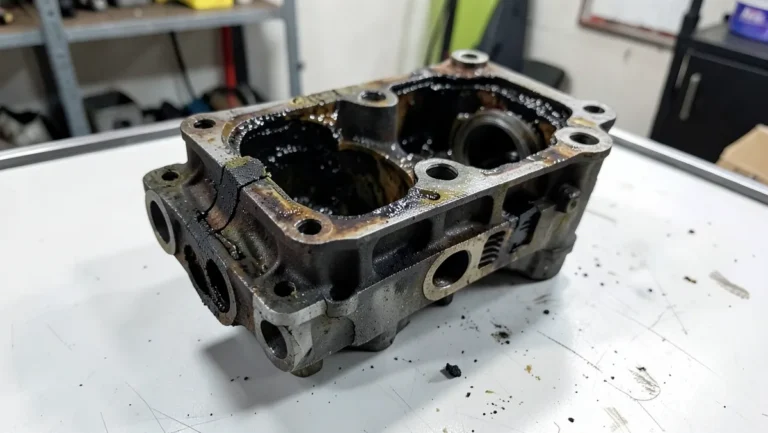
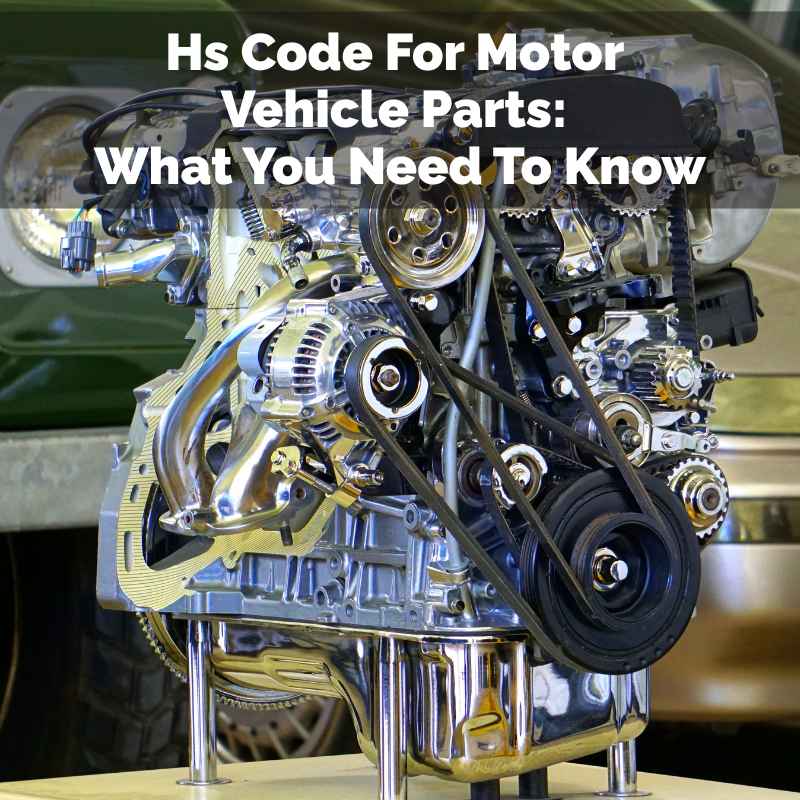
What about an engine? An engine is a major component. There are codes for complete engines. There are also codes for engine parts like pistons, crankshafts, and cylinder heads.
The code will specify if it’s a new engine, a reconditioned one, or just a part of an engine.
Tires have their own category. They are often classified based on their material (rubber) and use (for motor vehicles). The size and type of tire (radial, bias-ply) can also play a role in more detailed subheadings.
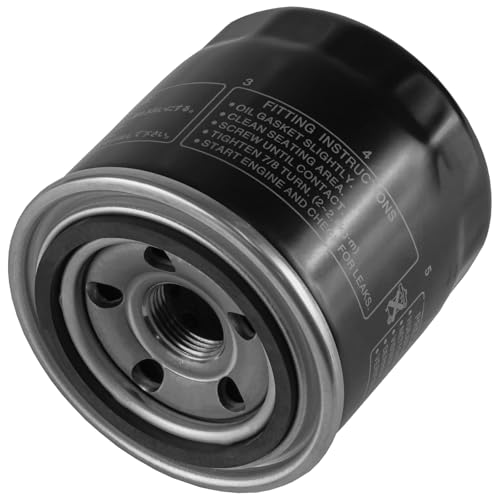
Filters – like oil filters, air filters, or fuel filters – are another common item. They are generally found under headings for filtering apparatus. The key is specifying they are for motor vehicles.
Lights and signals – headlights, taillights, turn signals – have their own codes. These usually fall under electrical equipment or lighting categories for vehicles.
Body parts – like fenders, doors, hoods, or bumpers – are also classified. These might be under headings for the body of the vehicle. If they are just raw metal panels, they might be under metal products headings, but it’s more common to see them classified as vehicle parts.
Even small things like spark plugs or wiper blades have specific codes. These are usually found under electrical equipment or miscellaneous accessory categories.
Contrast Matrix: New vs. Used Parts
| Feature | New Motor Vehicle Parts | Used Motor Vehicle Parts |
|---|---|---|
| HS Code General Area | Usually falls directly under the specific part’s heading (e.g., 8708 for parts of vehicles). | May have slightly different classifications or require additional declarations about their condition. Some countries have specific codes or procedures for used goods. |
| Duty/Tax Implications | Standard rates apply. | Can sometimes face higher duties or specific import restrictions depending on the country and the part. |
| Documentation Needed | Standard invoice and packing list. | May require a declaration of condition, origin of use, and sometimes a certificate of destruction for certain components if being imported as scrap. |
My Own Little Shipping Adventure
I remember a time when I was shipping some vintage car badges. They were small, metal pieces. I wasn’t sure if they were just “metal manufactures” or actual “parts.” I ended up guessing a code.
It seemed close enough.
Well, my package got held up. The customs agent was confused. They didn’t know what “fancy car decorations” meant.
It took me days to get them to open it. Then I had to explain they were specific emblems for a classic car model. They had to look up the correct code for me.
This took forever. It added almost two weeks to the delivery. I learned a big lesson that day.
Precision is everything with HS codes. Even for small items. It’s better to spend a few extra minutes finding the right code than days resolving a customs issue.
Where to Find Official HS Codes
So, where do you actually find these codes? You don’t want to guess like I did! Here are the best places to look:
1. Your Country’s Customs Authority Website: This is the most reliable source. In the U.S., it’s U.S.
Customs and Border Protection (CBP). They often have searchable databases or published tariff schedules.
2. World Customs Organization (WCO) Website: The WCO is the body that develops and maintains the HS. Their site has official nomenclature, but it can be complex for beginners.
3. Your Shipping Carrier’s Website: Many international shipping companies (like FedEx, UPS, DHL) have tools on their websites to help you find HS codes. They deal with this every day!
4. A Customs Broker: If you’re shipping a lot of parts or complex items, hiring a customs broker is often the best move. They are experts in this.
They can ensure everything is correct.
5. Import/Export Guides from Trading Partners: The country you are shipping to will have its own customs website. Look for their import tariff schedule.
This is what their customs will use.
When searching, use very specific terms. Type “motor vehicle brake pad,” not just “brake.” Or “engine piston for gasoline motor,” not just “engine part.” The more detail, the better your search results will be.
HS Codes for Different Types of Motor Vehicle Parts
Let’s dive a bit deeper into some common categories. This will give you a clearer picture.
Engines and Engine Parts
Engines themselves have specific codes. These depend on whether they are diesel, gasoline, or for other fuel types. Parts like cylinders, pistons, connecting rods, crankshafts, and valve mechanisms will have their own subheadings.
These are typically found under Chapter 84 (Nuclear reactors, boilers, machinery and mechanical appliances) or Chapter 87 (Vehicles other than railway or tramway rolling stock). For example, 8407 is for spark-ignition internal combustion piston engines. 8408 is for compression-ignition internal combustion engines (diesel or semi-diesel).
Parts for these will be listed under related headings like 8409.
Braking Systems and Parts
Brakes are critical for safety. HS codes for braking systems and their parts (like brake pads, brake discs, brake shoes, and hydraulic systems) often fall under heading 8708, which covers parts and accessories of motor vehicles.
Suspension and Steering Components
Parts like shock absorbers, springs, ball joints, tie rods, and steering wheels are also typically classified under heading 8708. The HS code would specify the exact type of suspension or steering part.
Electrical Equipment
This is a broad category. It includes items like alternators, starters, batteries, lighting equipment (headlights, taillights), ignition systems, and sensors. These can be found in various chapters, including Chapter 85 (Electrical machinery and equipment) and also under 8708 for parts specifically designed for motor vehicles.
Transmission Systems
This covers parts for gearboxes, clutches, drive shafts, axles, and differentials. Like other major components, these are generally found under 8708.
Body Parts and Chassis
Parts like car doors, hoods, trunks, bumpers, fenders, and chassis frames fall under this umbrella. These are almost always classified under 8708.
Wheels, Tires, and Tubes
Tires and inner tubes for motor vehicles are usually classified under Chapter 40 (Rubber and articles thereof). Wheels, whether complete or just rims, are often under 8708.
Stacked Micro-Sections: Key HS Code Considerations
Part Specificity: Always aim for the most precise description. “Spark plug” is better than “ignition part.”
Material Composition: The primary material (metal, rubber, plastic) often dictates the chapter or heading.
Intended Use: Ensure the code confirms it’s for a “motor vehicle” and not, for example, an industrial machine.
Completeness: Is it a complete assembly or just a component? This distinction is vital.
Origin Country: While not part of the HS code itself, the country of origin can affect duties and taxes, and sometimes influence the specific subheading chosen.
Common Mistakes When Classifying Motor Vehicle Parts
It’s easy to trip up. Here are some common errors people make:
- Being too general: Using a broad category like “mechanical parts” instead of specifying the actual part.
- Confusing similar items: Mistaking a part for an industrial component.
- Not checking country-specific additions: Many countries add extra digits to the basic six-digit HS code. Failing to use these can lead to errors.
- Ignoring material differences: A plastic fender might have a different code than a metal one, or parts made of precious metals could have special rules.
- Shipping used parts without proper declaration: Used goods often have special rules or require more documentation.
I once saw a business try to ship car seat covers. They classified them as “textile articles.” While technically true, they missed the fact that they were specifically designed for motor vehicles. This meant they should have been classified under motor vehicle accessories, which might have different duty rates or import rules.
It caused a minor delay until they corrected it.
HS Code 8708: A Special Note
You’ll see heading 8708 pop up a lot when discussing motor vehicle parts. This is a very common heading in the HS system. It covers “Parts and accessories of the motor vehicles of headings 8701 to 8705.” This includes things like tractors, special purpose vehicles, and more.
If your part isn’t a complete vehicle but is designed for one of these types, 8708 is often where you’ll start.
Within 8708, there are many subheadings. For example:
- 8708.10 – Bumpers and parts thereof
- 8708.29 – Other parts and accessories of the body
- 8708.40 – Gear boxes and parts thereof
- 8708.94 – Steering wheels, steering columns and steering boxes and parts thereof
This heading is crucial. It’s where most aftermarket and replacement parts will land. You will then need to go down to the 4, 6, or even 8-digit level to find the exact classification for your specific part.
Quick-Scan Table: Common Part Categories
- Engine Components (e.g., pistons, rings, valves): 8409
- Braking System Parts (e.g., pads, discs): 8708
- Tires & Tubes (Rubber): 4011 (new pneumatic tires), 4012 (retreaded or used tires), 4013 (inner tubes)
- Electrical Parts (e.g., alternators, starters): 8511 (ignition/starting), 8507 (batteries), 8512 (lighting) – if not specific to 8708.
- Body Panels (e.g., fenders, doors): 8708
What This Means for You
Knowing the right HS code is not just busywork. It’s essential for smooth international trade. For businesses shipping parts, it means faster customs clearance.
It means predictable costs. It means fewer unhappy customers waiting for their items.
For individuals sending a part to a friend or family member, it prevents surprises. You don’t want them getting hit with unexpected import fees because you guessed the code.
When it’s normal: Most parts for common vehicles will fall into well-defined categories. If you are shipping standard replacement parts, the process is usually straightforward if you are precise.
When to worry: You should pay extra attention if you are shipping:
- Parts for rare or classic vehicles.
- Custom or performance parts.
- Used or salvaged parts.
- Parts made of unusual materials.
- Large quantities of diverse parts.
In these cases, it’s highly recommended to consult with a customs broker or the customs authority of the destination country.
Quick Tips for Getting it Right
Here are a few action items you can take:
- Always check the destination country’s import tariff. Codes can sometimes vary slightly or have national subdivisions.
- If unsure, ask. Contact your shipping provider, a customs broker, or the destination country’s customs authority.
- Keep good records. Note down the HS codes you use. This will help for future shipments.
- Be specific in your description. Your written description of the part should match the HS code exactly.
For example, if your HS code is for “Spark plugs for internal combustion engines,” your description should clearly state “Spark plugs.” Avoid vague terms. Make sure the material and purpose are clear.
Observational Flow: The Journey of an HS Code
Step 1: You Identify the Part. You have a specific component, like a car alternator.
Step 2: You Use a Search Tool. You go to a customs website or use a shipping carrier’s tool. You type “car alternator.”
Step 3: You Find Potential Codes. The tool might give you a few options, for example, 8511.80 (alternators for spark-ignition or compression-ignition engines) or perhaps a more specific 8-digit code.
Step 4: You Verify with Description. You read the description for the code. Does it perfectly match your alternator? Is it specifically for motor vehicles?
Step 5: You Select the Final Code. Once confirmed, you use that code on your shipping documents.
Step 6: Customs Review. When the package arrives, customs uses this code to process it.
Frequently Asked Questions About Motor Vehicle Part HS Codes
What is the main HS code chapter for motor vehicle parts?
The primary chapter for many motor vehicle parts is Chapter 87, which covers “Vehicles other than railway or tramway rolling stock, and parts and accessories thereof.” Within this, heading 8708 is very commonly used for parts and accessories.
Are there different HS codes for new versus used parts?
Yes, often there are. Used goods can sometimes fall under different classifications or require specific declarations and may even face different import duties or restrictions depending on the destination country.
How do I find the HS code for a specific engine part like a piston?
You would typically look under headings related to engines (like 8409 for parts of spark-ignition or compression-ignition engines) or under heading 8708 for parts of vehicles. The code will specify “pistons” or “parts of pistons.”
What if my part isn’t listed directly in the HS code search?
This is when you need to use the “General Rules for the Interpretation of the Harmonized System” (GIRs). These rules guide you to classify items based on their closest resemblance to listed items, considering their function and material. If still unsure, consult a customs broker or the customs authority.
Do tires have their own HS codes, separate from other parts?
Yes, tires and inner tubes usually have their own specific classifications. New pneumatic tires are typically under Chapter 40 (Rubber and articles thereof), like heading 4011. Used tires are often under 4012.
Can one part have multiple HS codes?
Ideally, no. The HS system aims for single classification. However, a part might be described in a way that seems to fit multiple codes.
In such cases, the General Rules for Interpretation (GIRs) provide a hierarchy to determine the most appropriate code, usually prioritizing the most specific description.
Is the HS code the same in every country?
The first six digits of the HS code are internationally standardized. However, countries can extend these codes with additional digits (8, 10, or more) for their own specific purposes, such as collecting more detailed statistics or applying specific national duties.
Conclusion
Navigating the world of motor vehicle parts and their HS codes might seem daunting. But it’s a solvable puzzle. By understanding the system, knowing where to look for information, and being specific with your descriptions, you can get it right.
Remember, accuracy saves time and money. It ensures your parts reach their destination without unwanted delays or fees. Take a little extra time, and you’ll make your shipping journey much smoother.
Products related to this article
Sponsored / affiliate links. As an Amazon Associate I earn from qualifying purchases. I may earn additional commission from eligible campaigns.