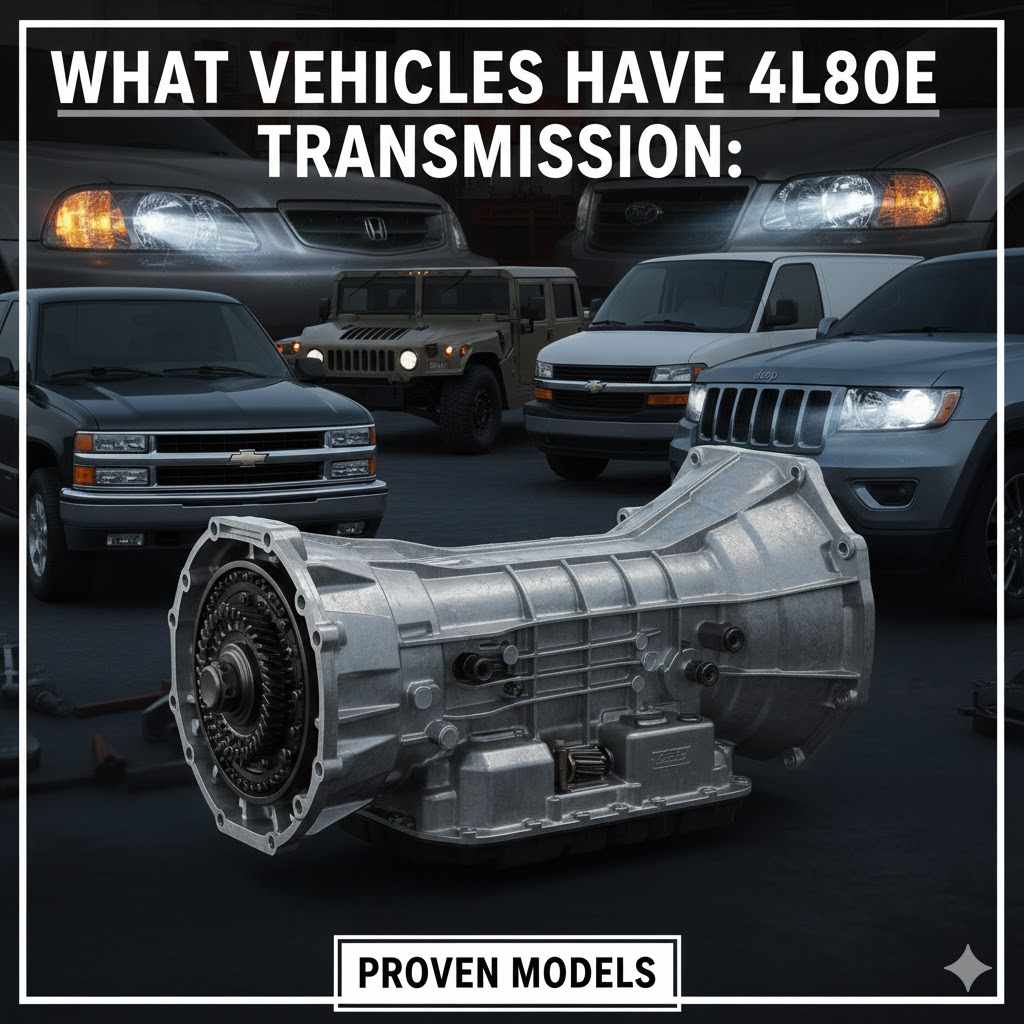
What Vehicles Have 4L80E Transmission: Proven Models
The 4L80E transmission is a heavy-duty, durable automatic transmission primarily found in full-size Chevrolet and GMC trucks, vans, and SUVs from the early 1990s through the mid-2000s. To find out if your vehicle has this reliable unit, check the model year and vehicle type—it’s common in heavy-duty applications requiring strength.
If you’ve heard the name “4L80E” tossed around at the mechanic shop or while scrolling through performance forums, you might be wondering what it is and, more importantly, if your truck or SUV has one. The 4L80E is famous among truck enthusiasts for being tough, reliable, and capable of handling serious power. However, pinpointing exactly which vehicles came equipped with this sought-after gearbox can feel like a treasure hunt, especially when you are just starting to learn about automotive components.
Don’t worry! We are going to break this down simply. You do not need to be a master mechanic to understand this system. We will guide you through the common models that used this transmission, when they used them, and simple ways you can confirm what is sitting behind your engine. By the end of this guide, you will feel confident identifying the legendary 4L80E in your driveway.
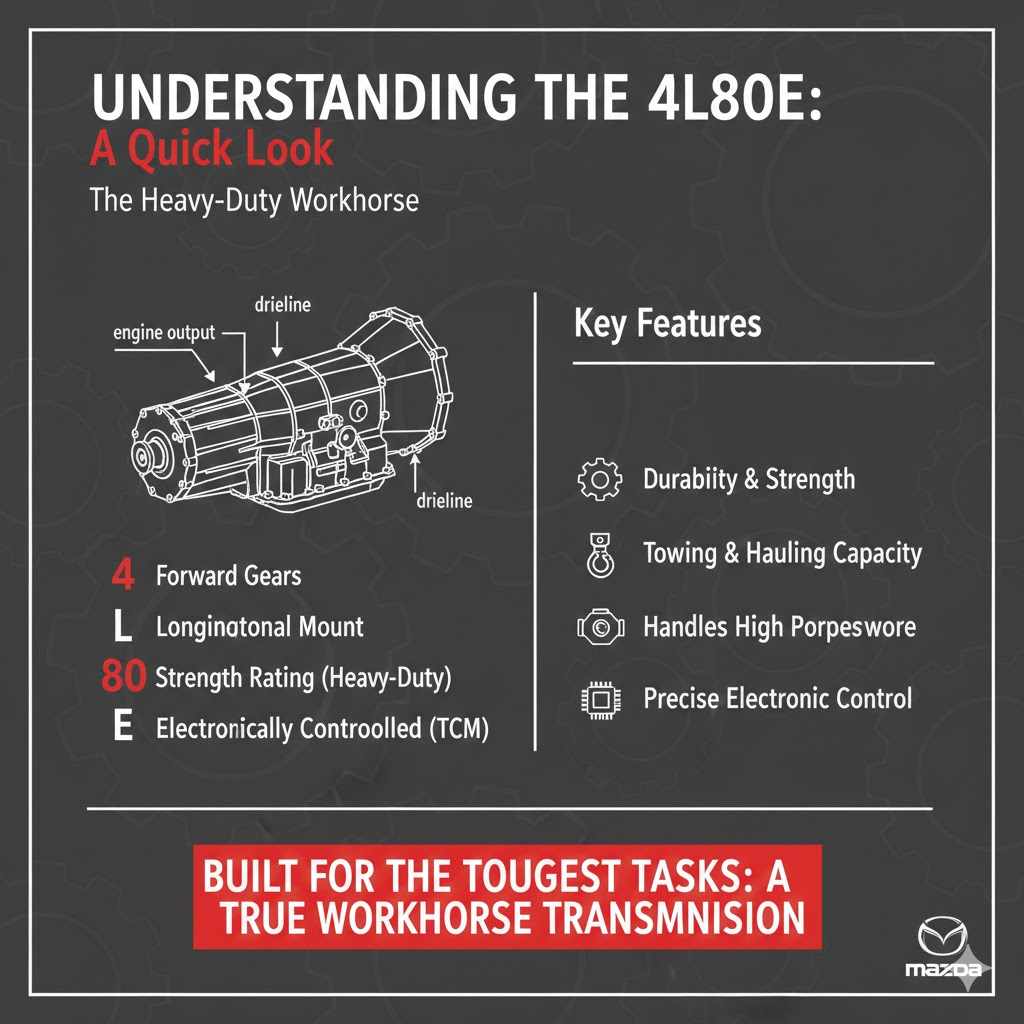
Understanding the 4L80E: A Quick Look
Before diving into the list of vehicles, let’s quickly understand why the 4L80E gets so much attention. Think of it as the big, strong sibling to the more common 4L60E transmission. It was designed by General Motors (GM) for heavy-duty use.
The “4L80E” name tells you a lot:
- 4: It has four forward gear ratios (speeds).
- L: It is longitudinally mounted (meaning the engine and transmission are aligned front-to-back, typical for rear-wheel-drive vehicles).
- 80: This refers to its strength rating. The “80” class indicates it is built for heavier loads and more torque than the lighter “60” series.
- E: This means it is electronically controlled, allowing the Transmission Control Module (TCM) to manage shifts precisely based on speed and throttle position.
This durability is why people often seek out vehicles equipped with the 4L80E if they plan on towing heavy trailers or modifying their engine for more horsepower. It’s a workhorse transmission.
The Core Vehicles That Used the 4L80E
The 4L80E was GM’s go-to heavy-duty automatic transmission for many years. It served in the largest trucks, SUVs, and vans that needed to haul or tow significant weight reliably. If you are looking for a vehicle with this transmission, focus your search on models produced roughly between 1991 and 2000 for the initial versions, moving into the 4L85E (a slightly stronger variant) and eventually the early 2000s.
Chevrolet and GMC Full-Size Trucks
This is where the 4L80E truly shines. If you have a heavy-duty (HD) version of these trucks, you likely have the 4L80E.
Proven Models:
- Chevrolet C/K Series Trucks (1991–1999): Specifically, the 2500 and 3500 series trucks (three-quarter ton and one-ton models).
- Silverado/Sierra 2500/3500 (1999–2000 initial run): While the GMT800 platform (starting in 1999) often used the 4L80E initially, later heavy-duty models transitioned to the Allison transmission. However, early 2WD/4WD gas engine versions might still feature it.
- Heavy-Duty 6.0L Vortec Engine: When equipped with the larger V8 engines, especially the 6.0L, the 4L80E was the standard heavy-duty automatic pairing.
Chevrolet and GMC Full-Size SUVs
If you own a large SUV built on a truck platform during this era, the chances are high that it houses the 4L80E, especially if it has a powerful V8 engine.
Proven Models:
- Chevrolet Suburban / GMC Yukon XL (K-Series, 4×4 models): Often paired with the 5.7L V8 or larger engines in 2500 series configurations.
- Chevrolet Tahoe / GMC Yukon (Full-Size, not the later smaller versions): Look for the larger, older body styles (GMT400 platform). The 2500 series Tahoe is a prime candidate.
- Cadillac Escalade (Early Generations): The original, truck-based Escalades often shared the heavy-duty drivetrain components with their Chevy and GMC counterparts.
Chevrolet and GMC Vans
Vans, which carry heavy loads constantly, were perfect candidates for the robust 4L80E transmission.
Proven Models:
- Chevy Express / GMC Savana (1500, 2500, and 3500 Series): Especially models equipped with V8 engines (5.7L, 7.4L/454 cid). These vans often used the 4L80E for heavy hauling applications well into the 2000s.
- Chevrolet G-Series Vans (Pre-Express): The older G-series vans that utilized full-size truck platforms also frequently received the 4L80E.
How to Confirm If Your Vehicle Has a 4L80E
Just seeing a truck that looks like it should have one isn’t enough. Sometimes, options were swapped, or manufacturers changed suppliers mid-year. Here are the three most reliable ways to check, ranging from the easiest visual check to finding the official factory code.
Method 1: Checking the VIN Sticker (The Easiest Way)
Your Vehicle Identification Number (VIN) sticker, usually located on the driver’s side door jamb, holds the secrets to your vehicle’s original configuration. This is often the fastest and most accurate way for newer vehicles (post-1990s).
Steps to Check the RPO Codes:
- Open the driver’s side door fully.
- Locate the certification label (the sticker that lists tire pressure and manufacturing details).
- Look for the section labeled “RPO Codes” or “Options.”
- Search for the specific transmission RPO code.
Key RPO Codes to Look For:
- M30: This code almost always signifies the 4L80E transmission in GM trucks and vans.
- M31: This code often represents the 4L85E, a slightly strengthened version of the 4L80E, which is an excellent find for durability.
If you see M30 or M31 listed, you have the strong transmission you are looking for!
Method 2: Visual Inspection of the Transmission Pan and Tail Housing
If the sticker is missing or unreadable, you can often identify the transmission by looking underneath the vehicle (safely, using jack stands, never just a jack!). The physical differences between the 4L60E and the 4L80E are quite noticeable, especially to a beginner.
Key Visual Differences:
| Feature | 4L60E (Smaller) | 4L80E (Larger/Heavy Duty) |
|---|---|---|
| Pan Shape | Rectangular, relatively flat. | Has a distinct, large, deep step or lobe on one side (usually the rear passenger side). |
| Case Size | Visibly smaller overall housing. | Significantly larger and longer case structure. |
| Speed Sensor Location | Usually has a tail-shaft housing mounted VSS (Vehicle Speed Sensor). | The speed sensor is often mounted directly on the transmission housing near the tail. |
Safety Note: Always ensure the vehicle is safely supported on sturdy jack stands on a level surface if you need to look underneath. Never work under a car supported only by a jack. For more on safe vehicle support, consult resources like those provided by the National Highway Traffic Safety Administration (NHTSA) guidelines regarding safe vehicle maintenance practices.
Method 3: Checking the Engine and Bellhousing Bolt Pattern
The 4L80E uses the same bellhousing bolt pattern as the larger Big Block Chevy (BBC) engines, known as the Big Block pattern. This is different from the smaller Small Block Chevy (SBC) pattern used by the 4L60E.
If your truck has one of the following engines, it is almost certainly paired with a 4L80E or an even stronger transmission (like the Allison in later diesels):
- 7.4L (454 cubic inch) V8
- 6.0L Vortec V8 (in heavier 2500/3500 applications)
- Some early 5.7L V8s in 3/4-ton configurations (though 4L60E was common here too).
If you plan on swapping this transmission into another vehicle, the engine compatibility (Big Block vs. Small Block pattern) is a crucial factor to remember!
The 4L80E vs. Its Competitors (Why It Matters)
As a beginner, it’s helpful to know what you don’t have. The main confusion usually lies between the 4L60E and the 4L80E, as they look somewhat similar from a distance, and both were common in the 90s and early 2000s GM trucks.
4L80E vs. 4L60E
The 4L60E is a good transmission, but it’s designed for lighter duty—think standard half-ton trucks (1500 series) or passenger cars. The 4L80E is the designated heavy-hauler.
When the 4L80E is almost always present:
- The truck is a 2500 or 3500 series (heavy-duty).
- The engine displacement is 6.0L or larger (e.g., 7.4L).
- The vehicle is a large van designed for commercial use.
The 4L85E: A Quick Note
You may also find the 4L85E. This is essentially an upgraded 4L80E, often found in high-end trucks or later model years (like the GMT800 platform). It has slightly stronger internal components, such as five-pinion planetary gear sets instead of four. If you see the RPO code M31, you have this robust unit, and it is interchangeable with the 4L80E in most applications.
Model Year Breakdown: When to Expect the 4L80E
Knowing the approximate model years helps narrow down your search significantly. The 4L80E was phased out as newer transmissions took over, especially with the introduction of the 6-speed automatics.
Here is a general guide for GM trucks and SUVs. Remember, always verify with the RPO code if possible!
| Vehicle Type | Years Primarily Using 4L80E | Typical Engine Pairing |
|---|---|---|
| C/K Trucks (2500/3500) | 1991 – 1999 | 5.7L, 7.4L V8 |
| Silverado/Sierra (Early GMT800) | 1999 – 2000 (Gas) | 6.0L V8 |
| Suburban/Tahoe (2500) | 1991 – 2000 | 5.7L, 7.4L V8 |
| Express/Savana Vans | 1996 – Approx. 2003/2004 (Before Allison Swap) | 5.7L, 7.4L V8 |
Once GM introduced the heavier-duty 2500/3500 trucks with the Duramax Diesel engine (around 2001), they almost exclusively switched to the Allison 1000 series transmission, which is even stronger than the 4L80E.
Why the 4L80E is Sought After by DIYers
If you are a beginner looking to maintain or slightly upgrade your vehicle, knowing you have a 4L80E is generally great news. These transmissions offer a fantastic balance of reliability and upgrade potential without the complexity of modern 8-speed units.
Here are the main benefits for the everyday driver and budding DIY mechanic:
- Simplicity of Repair: Because the electronics are simpler than modern transmissions, diagnosing common issues (like solenoid failures) is often easier than troubleshooting a newer, highly complex unit.
- Strength Out of the Box: It handles factory torque ratings easily, meaning less worry about premature wear during standard towing or hauling.
- Upgrade Potential: Enthusiasts love the 4L80E because it can handle significant power increases (upwards of 500–600 horsepower) with simple internal upgrades like stronger clutches and valve body modifications. This means you can safely add power later without replacing the entire transmission.
- Abundant Parts: Since these were used in millions of trucks and vans, replacement parts, shift kits, and overhaul kits are widely available and generally affordable. You can find great repair guides and parts from various suppliers online, helping you save money on labor.
If your goal is to keep a classic truck running strong or modify a workhorse for better performance, confirming you have the M30 (4L80E) is the first step toward a solid, dependable drivetrain foundation.
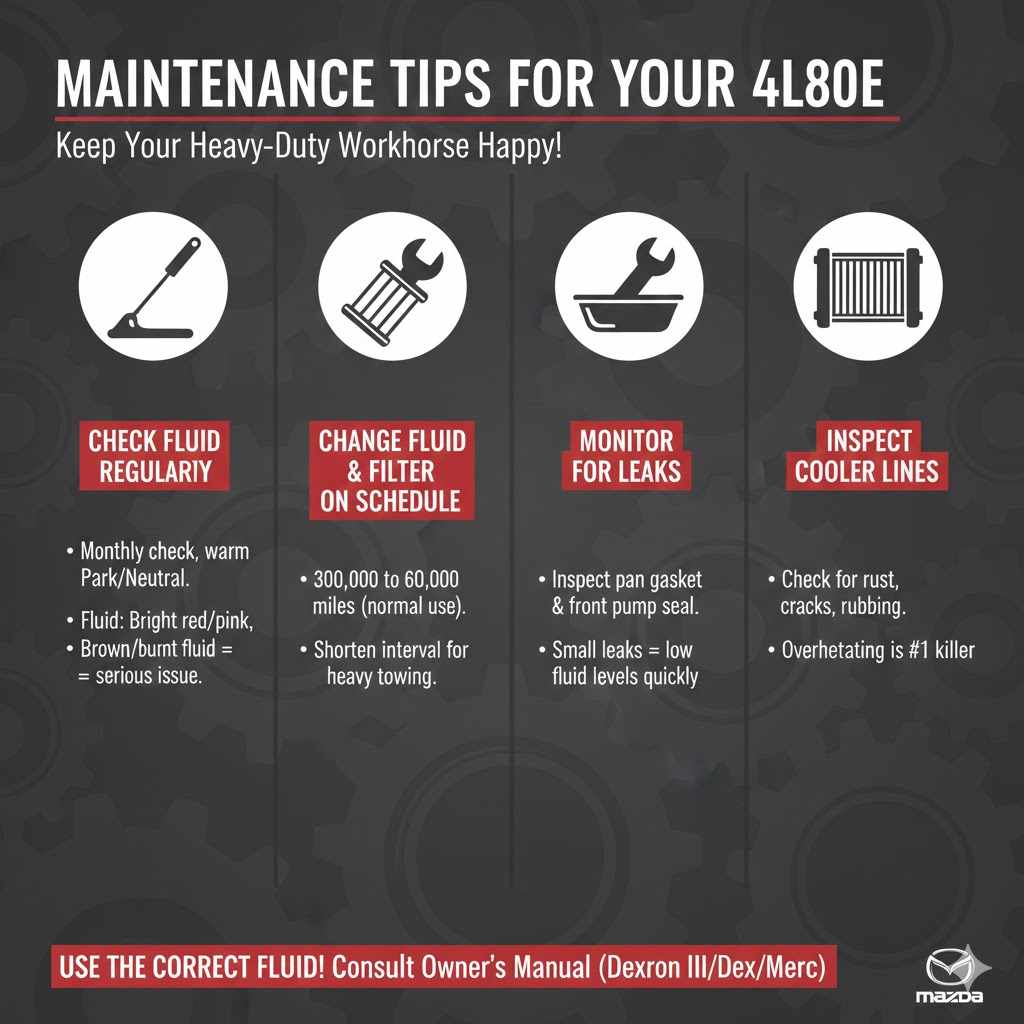
Maintenance Tips for Your 4L80E
Owning a vehicle with a 4L80E means you have a durable transmission, but durability doesn’t mean zero maintenance. Keeping this unit happy is simple if you stick to a routine. Treat it well, and it will last a very long time!
Essential Checks You Can Do Today:
- Check Fluid Regularly: Transmission fluid is the lifeblood. Check it monthly (when the transmission is warm and the engine is running in Park or Neutral, per your owner’s manual specifications). The fluid should be bright red/pink and smell clean. Brown or burnt-smelling fluid is a serious warning sign.
- Change Fluid and Filter on Schedule: For normal use, aim to change the filter and fluid every 30,000 to 60,000 miles. If you tow heavy loads frequently, shorten this interval.
- Monitor for Leaks: Check the pan gasket and the front pump seal for any signs of dampness or drips. Even small leaks can lead to low fluid levels quickly.
- Inspect the Cooler Lines: The transmission cooler lines run from the transmission to the radiator. Ensure they are not rusted, cracked, or rubbing against any sharp edges. Overheating is the number one killer of any automatic transmission.
For help selecting the correct fluid type, always consult your owner’s manual or look up the recommended specifications for your model year. Most 4L80Es require Dexron III or later specification fluid (often labeled as Dex/Merc). Using the wrong fluid can cause shifting issues immediately.
Frequently Asked Questions About the 4L80E
Q1: Is the 4L80E good for towing heavy loads?
A: Yes, absolutely. The 4L80E was specifically designed for heavy-duty trucks and vans that tow. It handles more torque than the lighter 4L60E and is famous for its reliability under strain, provided the fluid is clean and maintained.
Q2: Can I swap a 4L80E into a vehicle that originally had a 4L60E?
A: Yes, this is a popular swap, especially in classic truck circles. However, it requires more than just bolting it in. You will need a new transmission crossmember, a different driveshaft length, a different torque converter, and, critically, reprogramming the vehicle’s computer (PCM/TCM) to recognize and control the 4L80E electronically.
Q3: What is the maximum horsepower the stock 4L80E can handle?
A: In stock, factory condition, the 4L80E is generally considered reliable up to around 400–450 horsepower and corresponding torque levels. With basic internal upgrades (like an upgraded valve body and better clutches), many enthusiasts push them reliably past 600 horsepower.
Q4: How can I tell if my transmission is a 4L80E or a 4L85E?
A: The easiest way is by checking the RPO code on the driver’s door jamb sticker (M30 for 4L80E, M31 for 4L85E). Visually, they look nearly identical, but the 4L85E has five-pinion planetary gears internally, making it slightly stronger than the 4L80E’s four-pinion setup.
Q5: Do I need to use special fluid for the 4L80E?
A: Generally, the 4L80E requires a high-quality automatic transmission fluid meeting the Dexron III or Dex/Merc specification. Do not use modern Dex VI fluids unless specifically told to by a high-quality aftermarket builder, as older friction materials might not work as well with the newer formulations.
Q6: Is the 4L80E known for any common failures?
A: The main weakness on older, high-mileage units is often the 3-4 clutch pack burning out due to overheating or aggressive shifting, especially if the internal filter setup is compromised. However, this is usually a repairable issue, not a catastrophic design flaw like some other transmissions.
Conclusion: Your 4L80E Identification Made Easy
Finding out what transmission is in your vehicle doesn’t have to be complicated. By focusing on heavy-duty GM trucks, vans, and SUVs from the 1990s and early 2000s, you are already looking in the right place. Remember the key identifiers: the RPO code M30 on the door sticker, or the visibly larger case and distinct, stepped pan shape compared to smaller transmissions.
The 4L80E is a piece of automotive history known for its steadfast reliability when hauling or towing. Whether you just confirmed you have this legendary gearbox, or you are looking to purchase a vehicle that does, you now have the tools to identify it confidently. Take pride in knowing you have one of the toughest automatics GM ever built under your hood! Keep up with simple maintenance—fluid checks are your best friend—and your 4L80E will keep serving you reliably for many miles to come.