What Will Happen to Gas Cars: Essential Survival Guide
Gas cars will still be around for many years, but their sales will gradually decrease as electric vehicles become more popular. You can keep your gas car running reliably by focusing on smart maintenance, finding compatible repair shops, and understanding local regulations.
The future of cars can feel a bit uncertain, especially with all the buzz about electric vehicles (EVs). You might be wondering, “What will happen to my trusty gas car?” It’s a valid question, and you’re not alone if you feel a little confused. Many drivers worry their gasoline-powered vehicles will become obsolete overnight. But don’t worry! As your friendly auto guide, I’m here to break it down in a simple, reassuring way. We’ll look at what the road ahead means for your current car and how you can keep it in great shape, no matter what the industry trends are. Let’s navigate this together and ensure you feel confident about your car’s future.
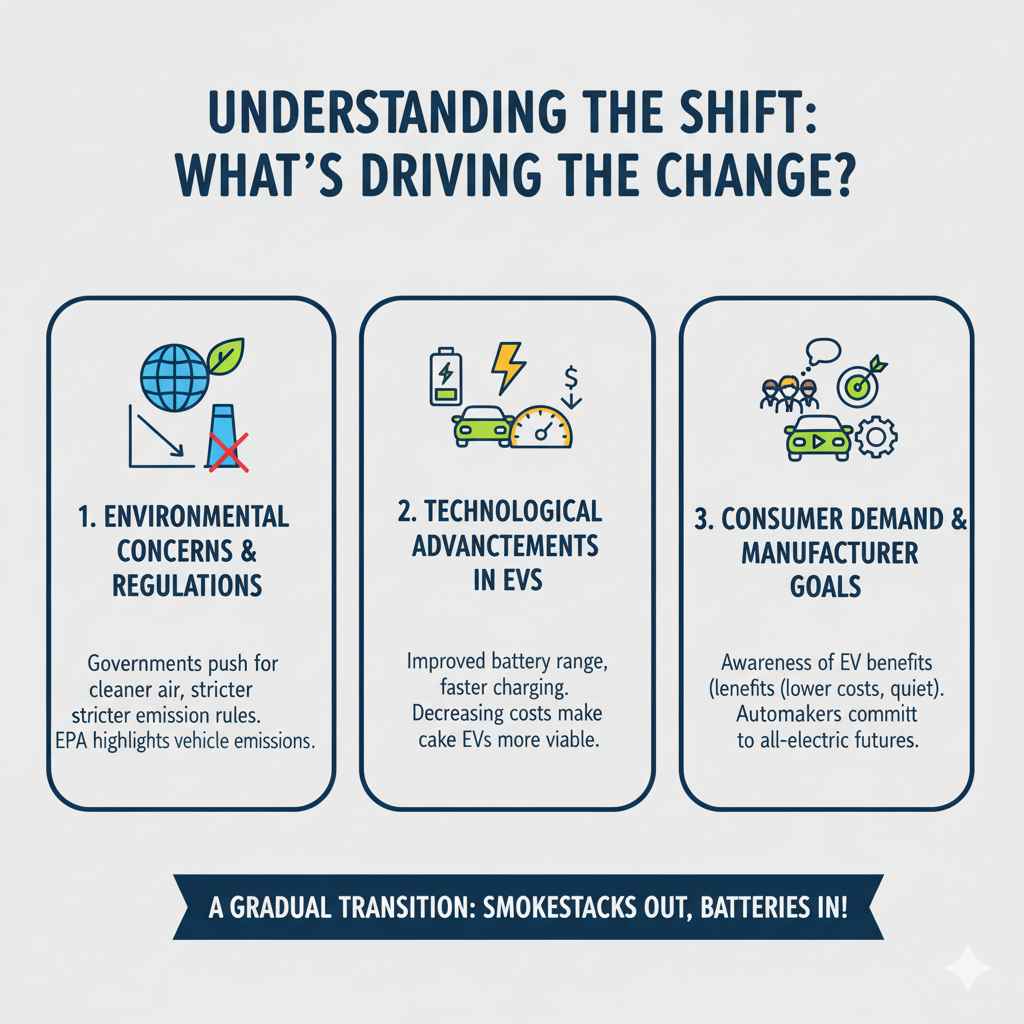
Understanding the Shift: What’s Driving the Change?
You’ve probably seen more electric cars on the road and heard news about automakers phasing out gas engines. This isn’t a sudden switch; it’s a gradual transition driven by a few key factors. Think of it like how smartphones replaced flip phones – it took time, and older technology remained useful for a while.
Environmental Concerns and Regulations
Governments worldwide are pushing for cleaner air and reduced carbon emissions. This means stricter rules for gas cars, like emission standards. For instance, the U.S. Environmental Protection Agency (EPA) highlights how vehicle emissions contribute to climate change. These regulations encourage the development and adoption of cleaner technologies.
Technological Advancements in EVs
Electric vehicles are becoming more capable. Battery technology is improving, leading to longer ranges and faster charging times. Plus, the cost of EVs is slowly coming down, making them a more viable option for more people.
Consumer Demand and Manufacturer Goals
As people become more aware of the benefits of EVs (like lower running costs and quieter rides) and automakers invest heavily in them, consumer interest grows. Many car companies have set targets to go fully electric in the coming decades.
Will Gas Cars Disappear Overnight? The Realistic Timeline
The short answer is no. While sales of new gas cars will likely decline, they won’t vanish from our roads anytime soon. Here’s why:
- Long Vehicle Lifespans: Cars are built to last, and many gas-powered vehicles are well-maintained and can be driven for 15-20 years or even longer.
- Infrastructure: Charging stations for EVs are growing, but gas stations are still widespread and convenient for everyone.
- Cost: EVs often have a higher upfront cost than comparable gas cars, which can be a barrier for many buyers.
- Specific Needs: Some people need gas cars for specific purposes, like towing heavy loads or driving in remote areas where charging infrastructure is limited.
The U.S. Department of Energy provides insights into vehicle trends, showing a steady, not abrupt, shift. We can expect a mix of vehicle types on the road for many years to come.
Essential Survival Guide for Your Gas Car Owner
So, what does all this mean for you, the owner of a gasoline car? It means continuing to care for your vehicle is more important than ever, and making smart choices about its future. Here’s your essential guide to keeping your gas car running smoothly and making informed decisions.
1. Mastering Your Car’s Maintenance Schedule
This is the bedrock of keeping any car on the road, and it’s even more crucial as cars age and new technologies emerge. Following your manufacturer’s recommended maintenance schedule is your best friend. It prevents small issues from becoming big, expensive problems.
Key Maintenance Tasks to Never Skip:
- Oil Changes: This is the lifeblood of your engine. Clean oil lubricates, cleans, and cools engine parts. Check your owner’s manual for the recommended interval (often every 5,000-7,500 miles, or once a year).
- Tire Rotations and Pressure Checks: Properly inflated tires wear evenly, improve fuel efficiency, and enhance safety. Rotating them helps them last longer.
- Brake Inspections: Your brakes are critical for safety. Regular checks ensure your pads and rotors are in good condition.
- Fluid Checks: This includes coolant, brake fluid, power steering fluid, and windshield washer fluid. Low or dirty fluids can cause significant damage.
- Filter Replacements: Air filters, fuel filters, and cabin air filters all play a role in your car’s performance and the air quality inside.
Why Regular Maintenance Matters for the Future:
A well-maintained gas car will simply last longer and perform better. It also holds its value better if you decide to sell it down the line. Think of it as an investment in your car’s extended life and reliability.
2. Finding Reliable Mechanics for Your Gas-Powered Ride
As the number of new gas cars sold decreases, some mechanics might shift their focus entirely to EVs. This could make finding specialized technicians for traditional engines a bit trickier in the future.
Tips for Securing a Good Mechanic:
- Build a Relationship Early: Find a trusted independent mechanic now and stick with them. Good mechanics are invaluable.
- Ask for Recommendations: Friends, family, and online reviews can point you to reputable shops.
- Look for Specialists: Some shops might specialize in older vehicles or specific makes.
- Don’t Be Afraid to Ask Questions: A good mechanic will explain what they find and why repairs are needed in simple terms.
- Consider Mobile Mechanics: For some routine tasks, a mobile mechanic can come to you, saving you time and hassle.
The good news is that most common repairs for gas cars are well-understood by a vast number of technicians. You just need to be proactive in finding and keeping a good one.
3. Understanding Your Car’s Value and When to Sell
Your gas car still has value, and knowing when to trade it in or sell it is part of the survival strategy.
Factors Affecting Your Gas Car’s Value:
- Make and Model: Some cars hold their value better than others.
- Mileage: Lower mileage generally means higher value.
- Condition: Regular maintenance significantly impacts value.
- Age: Older cars will naturally depreciate more.
- Market Demand: As EVs become more popular, the demand for used gas cars might shift.
When Might It Be Time to Consider a Change?
If your car is becoming increasingly expensive to repair, if its reliability is a constant concern, or if you’re looking for the benefits of newer technology (like improved fuel efficiency or advanced safety features), it might be time to consider upgrading. Resources like Kelley Blue Book or Edmunds can help you estimate your car’s current market value.
4. Preparing for Potential Fuel Price Volatility
Gas prices can fluctuate wildly due to global events, supply, and demand. While this affects all drivers, it’s an important consideration for gas car owners.
Strategies for Managing Fuel Costs:
- Drive Smarter: Gentle acceleration and braking, maintaining a steady speed, and avoiding excessive idling can improve your MPG.
- Keep Tires Properly Inflated: Underinflated tires can decrease fuel economy.
- Reduce Weight: Don’t carry unnecessary heavy items in your car.
- Plan Your Trips: Combine errands to reduce the number of cold starts, which use more fuel.
- Use Fuel Apps: Apps like GasBuddy can help you find the cheapest gas stations in your area.
5. Embracing Fuel Efficiency Technologies
Even within the realm of gas cars, there are ways to enhance their efficiency.
Technologies and Practices to Consider:
- Engine Tuning: A well-tuned engine runs more efficiently.
- Aerodynamics: Keeping your car clean and free of roof racks when not in use can help.
- Low Rolling Resistance Tires: These tires can offer a slight MPG improvement.
- Hybrids: If you’re considering a new purchase but aren’t ready for a full EV, hybrid vehicles offer a bridge by combining a gas engine with an electric motor for better fuel economy.
The Future Landscape: What to Watch For
While your gas car might be your current ride, it’s wise to keep an eye on the broader automotive landscape. This helps you make informed decisions about maintenance, repairs, and future vehicle purchases.
Changes in Emissions Testing
As regulations evolve, emissions testing requirements for gasoline cars might become more stringent in certain regions. Staying informed about your local testing requirements can save you from unexpected compliance issues. The U.S. Department of Energy’s FuelEconomy.gov is a great resource for understanding these standards.
Availability of Parts and Fuel
For the foreseeable future, parts for most popular gas cars will remain readily available. Major manufacturers will continue to produce parts for the vast fleet of existing gasoline vehicles. Similarly, gasoline stations are expected to remain a common sight for many years. However, in very niche or remote areas, or for extremely rare classic cars, sourcing specific parts might become more challenging over decades.
Resale Value Trends
The resale value of gas cars is influenced by many factors, including the continued growth of EVs. While older, well-maintained gas cars will always have a market, their value might decline at a faster rate than in the past. proactive maintenance can help mitigate this depreciation.
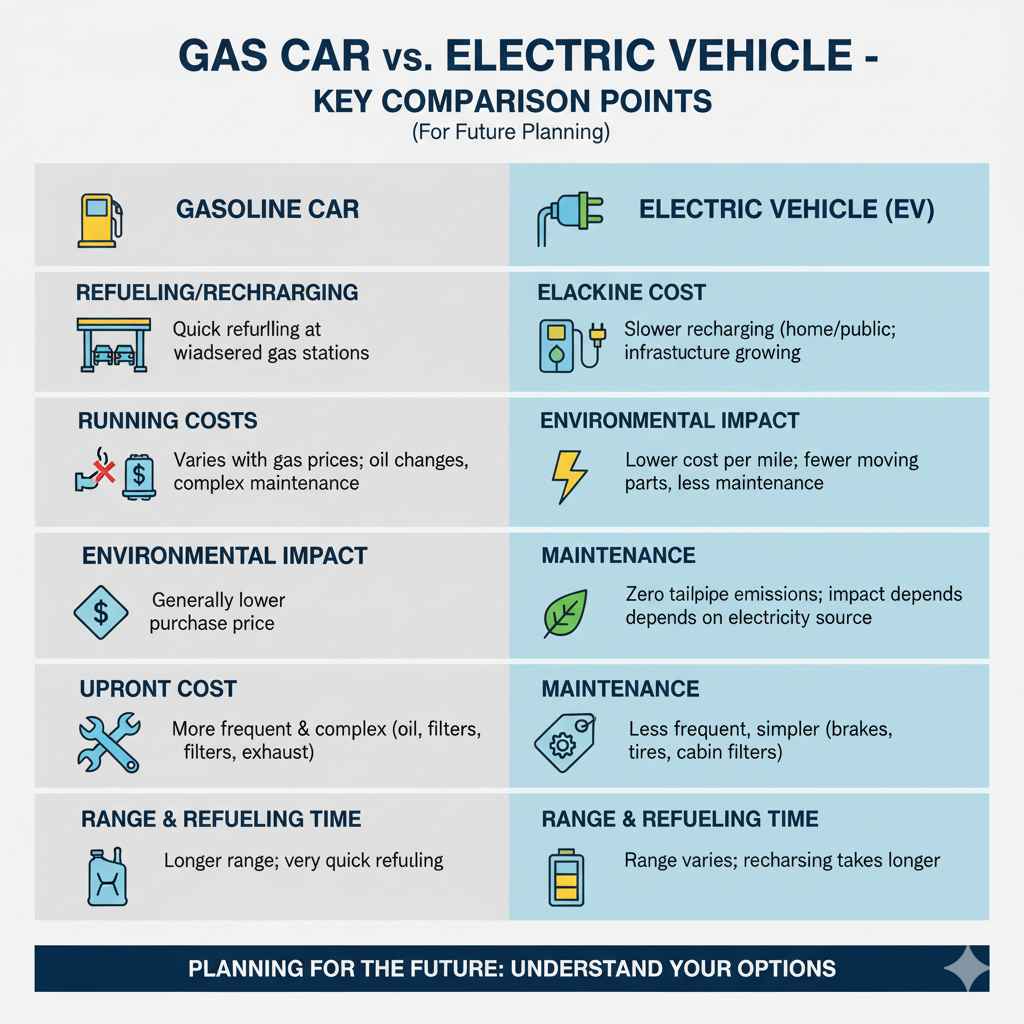
Table: Gas Car vs. Electric Vehicle – Key Comparison Points (For Future Planning)
To help you visualize the landscape as you plan for the future, here’s a comparison. While this article focuses on your current gas car, understanding the alternatives is part of an informed strategy.
| Feature | Gasoline Car | Electric Vehicle (EV) |
|---|---|---|
| Refueling/Recharging | Quick refueling at widespread gas stations. | Slower recharging at home or public charging stations; charging infrastructure is growing. |
| Running Costs | Varies with gasoline prices; requires regular oil changes and more complex engine maintenance. | Lower cost per mile (electricity typically cheaper than gas); fewer moving parts mean less maintenance. |
| Environmental Impact | Emits greenhouse gases and pollutants. | Zero tailpipe emissions; overall environmental impact depends on electricity generation source. |
| Upfront Cost | Generally lower purchase price for comparable models. | Often higher purchase price, though government incentives can help and TCO (Total Cost of Ownership) can be lower. |
| Maintenance | Requires more frequent and complex maintenance (oil, filters, exhaust, etc.). | Less frequent, simpler maintenance (brakes, tires, cabin filters). |
| Range & Refueling Time | Longer range on a full tank; very quick refueling. | Range varies greatly by model; recharging takes longer than refueling. |
FAQs: Your Gas Car Questions Answered
Here are some common questions people have about the future of their gas cars.
Q1: Will I be able to buy gas for my car in 10 years?
Yes, absolutely. Gas stations and fuel for gasoline cars will remain widely available for well beyond 10 years. The infrastructure is too vast, and millions of vehicles on the road will still require gasoline.
Q2: Will my gas car become worthless?
No, your gas car will retain value, especially if it’s well-maintained. While the rate of depreciation might change over time compared to the past, it will still be a functional and valuable asset. Classic and well-kept older cars often find niche markets.
Q3: Are mechanics going to stop fixing gas cars?
It’s highly unlikely. While more mechanics are training in EV repair, the sheer number of gasoline cars means there will be a continued demand for technicians specializing in internal combustion engines for many years to come.
Q4: Are there any new regulations I should be aware of for my current gas car?
In some regions, emissions standards are becoming stricter. It’s wise to stay informed about your local vehicle inspection and emissions testing requirements to ensure your car remains compliant and road-legal.
Q5: Should I start converting my gas car to electric?
While some niche conversion kits exist, they are typically very expensive, complex, and often don’t perform as well as factory-built EVs. For most owners, it’s more practical to maintain their gas car or consider purchasing a new EV when it’s time for a replacement.
Q6: How can I make my gas car last as long as possible?
The best way is to stick to your car’s recommended maintenance schedule strictly. This includes regular oil changes, tire rotations, brake checks, fluid top-offs, and addressing any small issues promptly before they worsen.
Conclusion: Your Gas Car’s Future is Manageable
It’s clear that the automotive world is changing, but this doesn’t spell the end for your gasoline-powered vehicle. The transition to new technologies is a gradual one, and your current car can continue to serve you reliably for many years. Your key strategies are simple: prioritize consistent, diligent maintenance to keep your engine healthy and your car safe. Build a strong relationship with a trusted mechanic who understands your vehicle. Stay informed about local regulations and potential shifts in market value. By being proactive and informed, you can confidently navigate the evolving automotive landscape and ensure your gas car remains a dependable part of your life for the foreseeable future. Keep driving smart, and keep your car well-serviced!