How to Move a Car Without a Key: Push, Tow, or Dolly
To move a car without a key, first get the transmission into neutral using the shift-lock override (or leave it in neutral if it’s already there), then either push it by hand with help, roll it on wheel dollies if the steering wheel is locked, or have it towed on a flatbed.
Losing your only key doesn’t have to mean the car is stuck for good. It usually just means the job takes an extra step or two compared to a normal move. The tricky part almost everyone runs into isn’t the transmission — it’s the steering wheel, which locks the moment the key comes out. This guide walks through exactly what to do, in order, and where each method actually falls short.
Why You Often Can’t Just Push a Car With No Key at All
FOR A LOCKED STEERING WHEEL
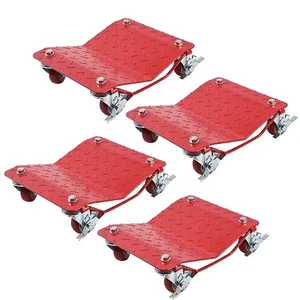 |
DEXSO Car Dolly Wheel Skates, Set of 4 – $89.99 Wheel dollies let you roll a car in any direction — including sideways and around corners — even when the steering wheel is fully locked, which a straight-line push can’t do.
|
Most guides on this topic focus entirely on getting the transmission out of Park. That’s genuinely the easy part. The part that actually stops people is the steering column lock: as soon as the key is removed (or was never there), the steering wheel locks itself in place as an anti-theft measure. Without a key or key blank to insert and jiggle, there’s usually no reliable DIY way to release it — forcing it can snap the lock pin or damage the column. That’s exactly why tow operators reach for a flatbed or a set of wheel dollies instead of trying to free the wheel by hand.
Step 1: Get the Transmission Into Neutral First
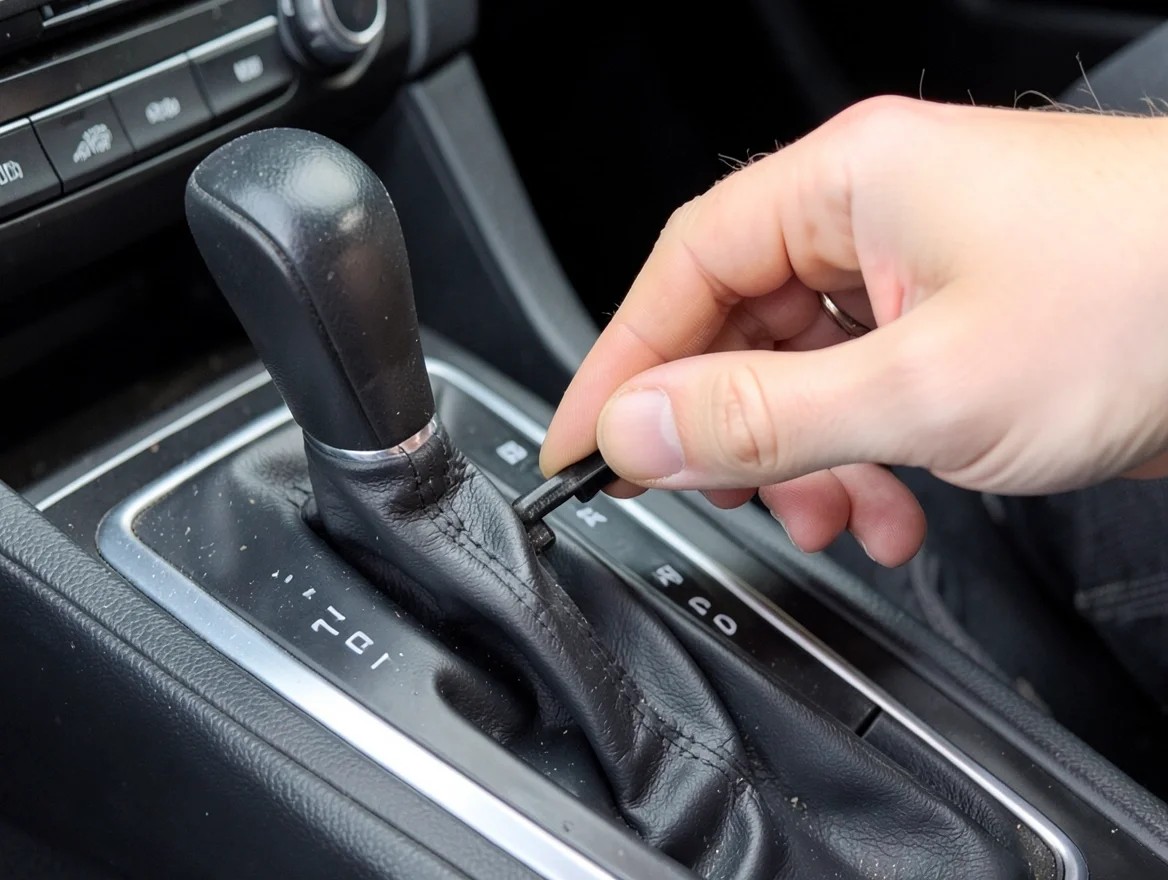
Nothing else on this page matters until the car is in neutral, since that’s what disconnects the engine and lets the wheels roll freely. If the car has power (a working battery, just no key), shifting out of Park is usually straightforward. If the battery is dead or there’s no key to turn the ignition to the accessory position, most automatic transmissions have a manual shift-lock override — a small slot near the gear shifter, often hidden under a plastic cap, that you press with a flat tool while moving the shifter to Neutral. Manual transmissions are simpler: with the engine off, just press the clutch (if you can) or confirm the shifter is already in neutral.
The exact override location varies by make and model, and it’s easy to force the wrong thing if you’re guessing. We cover that full process, model differences, and safety notes in a dedicated step-by-step guide to putting a car in neutral without a key — read that first if the shifter itself is what’s stuck.
Step 2: Solve the Locked Steering Wheel Problem
Once the car is in neutral, try turning the steering wheel gently. If it moves freely, you’re in good shape — someone can sit in the driver’s seat and steer while others push. If it’s locked solid, you have three realistic options, in order of how much they can accomplish:
- Push it in a straight line only. A locked wheel still lets the front tires roll forward or backward on their existing angle. This works fine for something like nudging a car a few feet out of a garage, but not for turning a corner.
- Put wheel dollies (skates) under each tire. These let the car be rolled and rotated in any direction — sideways, around a corner, spun in place — without ever needing to steer, because the whole wheel assembly sits on swiveling casters. This is how many repair shops reposition keyless cars indoors.
- Call a flatbed tow truck. For anything beyond a short reposition — across town, up a ramp, or over rough ground — a flatbed (rollback) loads the entire car so steering and rolling gear don’t matter at all.
A tow dolly that only lifts the two front wheels is not a good substitute here: it still requires the car to track straight while it’s being pulled onto the dolly, which a locked wheel can fight against. Save tow dollies for cars whose steering is free to move.
How to Push a Car Safely With Helpers
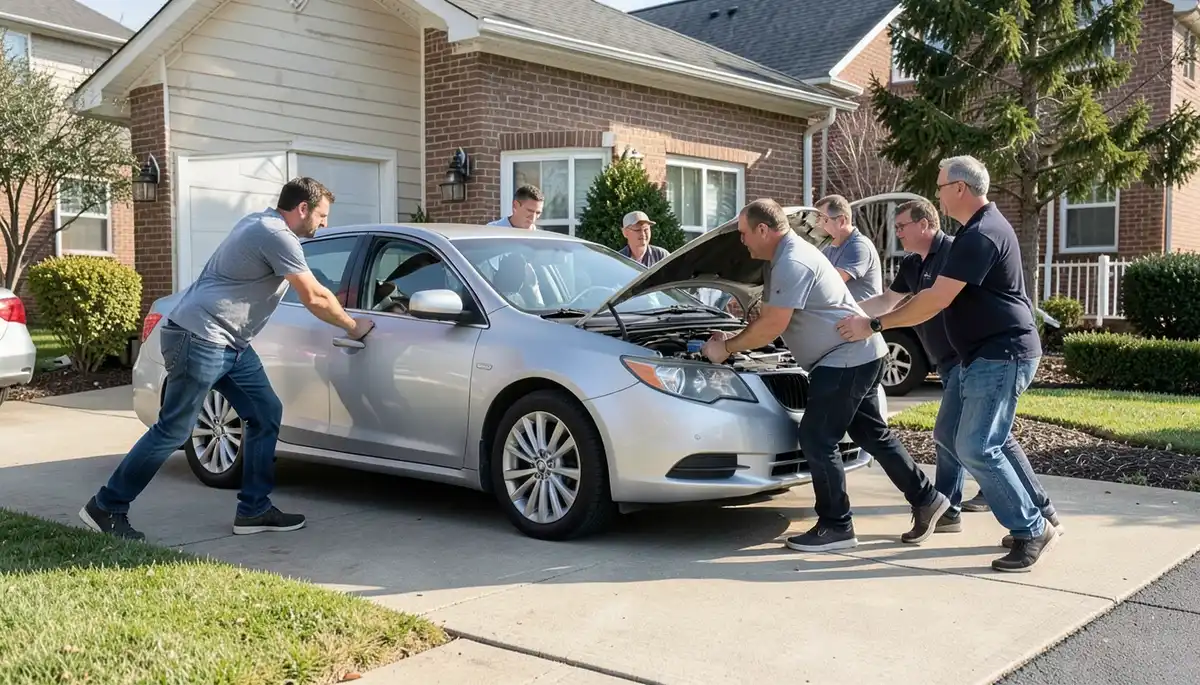
If the wheel turns freely (or you only need to go in a straight line), pushing by hand is the cheapest option. A few rules keep it from turning into a bigger problem than the lost key:
- Confirm the transmission is fully in neutral and the parking brake is released before anyone pushes.
- Push from the door frame or the rear bumper — never from directly in front of a tire or wheel well, where a foot can get caught.
- Put one person in the driver’s seat to steer (if the wheel moves) and to brake if the car starts rolling faster than expected.
- On any slope, add a second brake point — a wheel chock or a helper ready to grab the door — before releasing the parking brake.
- Two to three people is usually enough for a sedan on flat, paved ground; add more for an SUV, a truck, or any incline.
Is It Legal to Move a Car That Isn’t Yours?
If the car belongs to someone else — a family member, a roommate, an employer’s fleet vehicle — get their permission before moving it, even if it’s just a few feet. Rules around moving or towing a vehicle without the owner’s consent vary by state and by whether the car is on public or private property, and unauthorized towing companies have faced real legal trouble for moving cars without proper authority. Keep a text message or note as proof of permission, and when in doubt, contact the registered owner, a property manager, or local law enforcement’s non-emergency line before touching a car you don’t own.
Want to Unlock or Start the Car Instead?
This page assumes you already have access to the car (or the doors are unlocked) and just need to relocate it. If your actual problem is different, these guides cover it:
- Locked out entirely and the key is lost or replaced: How to Start a Car Without a Key
- You have the key fob but its battery is dead: How to Crank a Car Without a Key
- Shifter itself won’t budge and that’s the only issue: How to Put a Car in Neutral Without a Key
Frequently Asked Questions
What If I Lost My Key and Need to Move My Car?
Get the car into neutral (most automatics have a manual shift-lock override near the gear shifter), then either push it, roll it on wheel dollies if the steering wheel is locked, or have it towed on a flatbed. If you also need to drive it afterward, contact a locksmith or your dealership for a replacement key — always have proof of ownership ready.
How Do You Put a Car in Neutral Without a Key?
Look for the manual shift-lock release slot near the gear shifter, usually under a small plastic cap, and press it with a flat tool while moving the shifter into Neutral. The exact location varies by model, so check your owner’s manual if you can’t find it.
How Do You Move a Car Without Starting It?
Shift the transmission into neutral and release the parking brake, then either push the car by hand with help, roll it on wheel dollies, or have it loaded onto a tow truck. The car never needs to start for any of these methods — it just needs to be in neutral so the wheels can turn freely.
Can You Unlock a Locked Steering Wheel Without Any Key at All?
Usually not reliably. The common trick of turning the wheel while wiggling the key only works because there’s a key (or key blank) in the ignition cylinder to begin with. With zero keys, most people can’t safely release the lock, and forcing it risks breaking the lock pin. This is exactly why tow companies use wheel dollies or a flatbed instead of trying to free the wheel.
Do You Need a Tow Dolly or a Flatbed to Move a Car With No Key?
Use a flatbed if the steering wheel is locked, since a flatbed loads the entire car and doesn’t rely on the front wheels tracking straight. A two-wheel tow dolly works only if the steering still turns freely. Wheel dollies (skates) under all four tires are the best option for short, local repositioning without any towing at all.
Is It Legal to Move Someone Else’s Car Without Permission?
Generally, no — get the owner’s permission first, even for a short move, since rules on moving or towing a vehicle without consent vary by state and by whether the car is on public or private property. Keep written proof of permission (a text message is fine) in case anyone questions it.
Conclusion
Moving a car without a key almost always comes down to two separate problems: getting the transmission into neutral, and dealing with a steering wheel that’s likely locked. Solve the first with a shift-lock override, then match the second to the situation — push it straight, roll it on wheel dollies, or call a flatbed. Whatever you do, get permission first if it isn’t your car, and don’t force a locked steering column by hand.
Products related to this article
Sponsored / affiliate links. As an Amazon Associate I earn from qualifying purchases. I may earn additional commission from eligible campaigns.