All-Terrain Tires for Cars: What They Are and Who Really Needs Them
All-terrain (A/T) tires are built mainly for trucks, SUVs, and Jeep-style 4x4s — not typical passenger sedans. If you drive a standard car, you almost certainly want all-season or all-weather tires instead; A/T tires only make real sense once you own a crossover, SUV, or truck that occasionally leaves paved roads.
That said, “all-terrain tires for cars” is a common search because a lot of compact crossover SUVs — the Toyota RAV4, Honda CR-V, Subaru Forester, and similar models — are colloquially called “cars,” and some of them can genuinely run a lighter, smaller-sized all-terrain tire. This guide breaks down what A/T tires actually do, how they compare to mud-terrain and highway tires, and which vehicles they’re really built for.
Compare All-Terrain Tire Options by Vehicle Type
BEST FOR COMPACT SUVS & CROSSOVERS
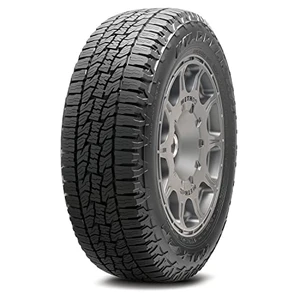 |
Falken Wildpeak A/T Trail 225/65R17 102H – $208.00 Sized for compact crossovers rather than full-size trucks, this is the closest thing to a genuine “all-terrain tire for a car” that still rides and sounds civilized on the highway.
|
Beyond that one crossover-friendly size, most all-terrain tires are sold in light-truck (LT) and SUV sizing meant for body-on-frame trucks, Jeeps, and larger SUVs — not unibody sedans. Here’s how the category breaks down by who it’s actually built for:
| Vehicle Type | Do A/T Tires Make Sense? | Typical Sizing | Better Alternative |
|---|---|---|---|
| Standard sedan (Camry, Civic, Accord, etc.) | No | N/A — A/T tires generally aren’t made in sedan sizes | All-season or all-weather tires |
| Compact crossover SUV (RAV4, CR-V, Forester) | Sometimes | 215/70R16 – 235/65R17 | All-terrain if you drive gravel/dirt roads regularly; all-season if you don’t |
| Mid-size or full-size SUV (4Runner, Tahoe, Explorer) | Yes | 245/70R17 – 275/65R18 | All-terrain is a normal, common choice here |
| Pickup truck or Jeep Wrangler | Yes | LT-sized, e.g. 30×9.50R15LT, 265/70R17 | All-terrain is standard; mud-terrain if you off-road heavily |
What Are All-Terrain Tires, Exactly?
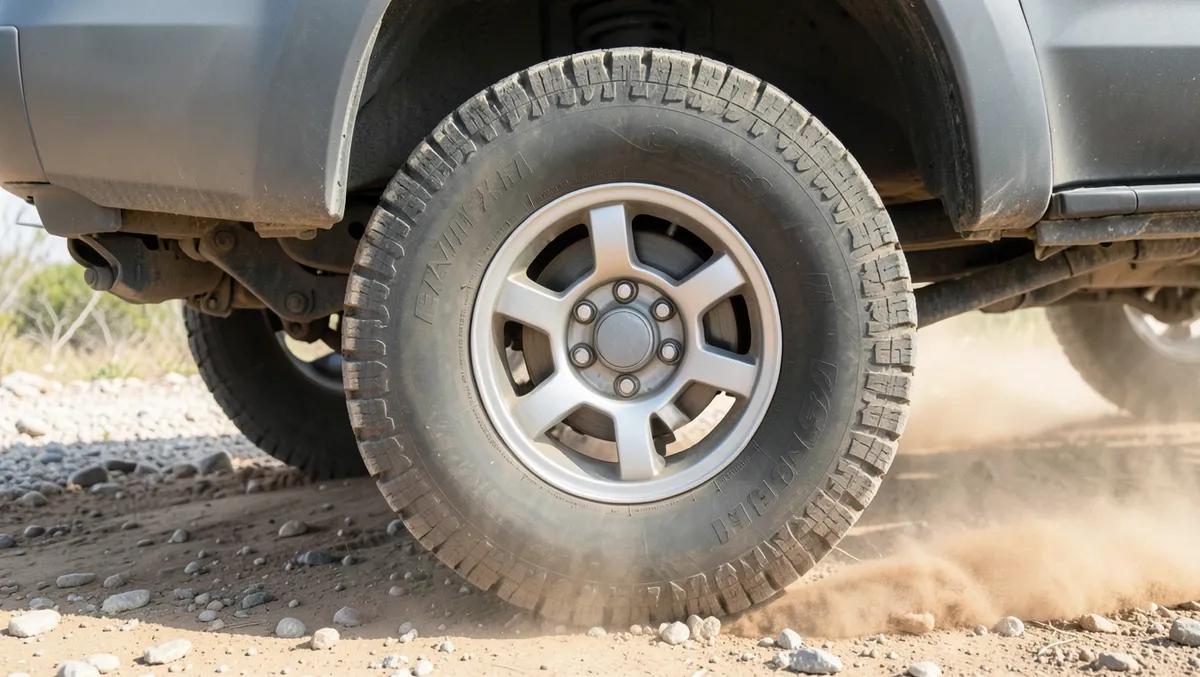
All-terrain tires sit between a highway tire and a mud-terrain tire. They use a moderately aggressive tread block with a void ratio (the amount of open space in the tread pattern versus solid rubber) of roughly 25 to 35 percent — enough open space to bite into gravel, dirt, and light mud, but still enough rubber touching the road for a reasonably quiet, stable highway ride. Many all-terrain tires also carry the 3-Peak Mountain Snowflake (3PMSF) certification, meaning they’ve passed a standardized severe-snow traction test, which regular all-season tires don’t have to pass.
The tradeoff is that all-terrain tires are heavier and have a stiffer sidewall than an equivalent all-season tire, since they’re built to resist punctures from rocks and to survive off-pavement impacts that a car tire was never designed to handle.
All-Terrain vs. Mud-Terrain vs. Highway Tires
The three main tire categories for a truck or SUV differ mainly in how much open tread space they use and what that does to noise and fuel economy:
| Tire Type | Void Ratio | Highway Noise (~65 mph) | Fuel Economy Impact | Best For |
|---|---|---|---|---|
| Highway / All-Season | ~15–20% | Quietest | Best | Daily driving on paved roads |
| All-Terrain (A/T) | ~25–35% | Moderate (~69 dB on quality models) | About 1 mpg less than highway tires | Trucks/SUVs that mix pavement with gravel, dirt, or light off-roading |
| Mud-Terrain (M/T) | ~40–50% | Loud (~78–80 dB) | 1–3 mpg less than A/T tires | Serious mud, rocks, and heavy off-road use |
If your driving is mostly highway with the occasional dirt road or campsite, an all-terrain tire is usually the right balance. If you’re regularly driving through deep mud, mud-terrain tires’ larger, self-cleaning tread blocks will out-perform any A/T tire — but expect a noticeably louder, less fuel-efficient ride the rest of the time. For readers specifically shopping for mud-terrain tires or a roadside tire repair kit, our guide to off-road tires and repair kits covers that side of the category in more depth.
Do Passenger Cars Actually Need All-Terrain Tires?
For the overwhelming majority of sedans, hatchbacks, and coupes, the honest answer is no. All-terrain tires aren’t typically manufactured in sedan sizes at all, because a low-riding unibody car doesn’t have the ground clearance to make off-road tread useful, and the stiffer A/T sidewall would only cost you ride comfort and fuel economy with no real benefit. If your car struggles on snow or wet roads, a dedicated all-season or winter tire will outperform an all-terrain tire in every real-world category, including snow and ice.
Where all-terrain tires genuinely apply is crossover SUVs, mid-size and full-size SUVs, and pickup trucks — vehicles with the ground clearance and available tire sizing to use them. One more important distinction: if you’re shopping for tires for an ATV or UTV rather than a road-going car, truck, or SUV, you need an entirely different tire category and sizing system (something like 25×8-12), and none of the on-road all-terrain tires in this guide will fit or be legal for street use.
Top All-Terrain Tire Picks for Trucks and SUVs
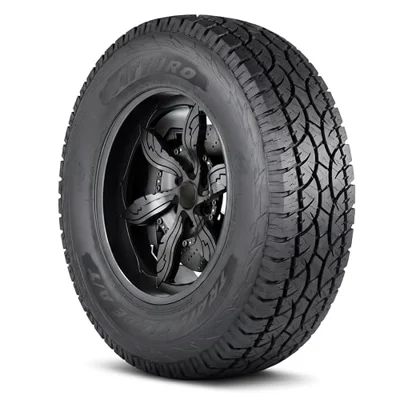
Atturo Trail Blade A/T (30×9.50R15LT) is sized for Jeep Wranglers and smaller pickups rather than crossovers. Its interlocked center tread stays stable on the highway while jagged sipes bite into wet pavement, gravel, and packed dirt. It carries the 3PMSF snow certification, up to 15/32″ of tread depth, and a 50,000-mile warranty on qualifying sizes — a reasonable value pick if your truck sees daily highway miles with occasional dirt roads mixed in.
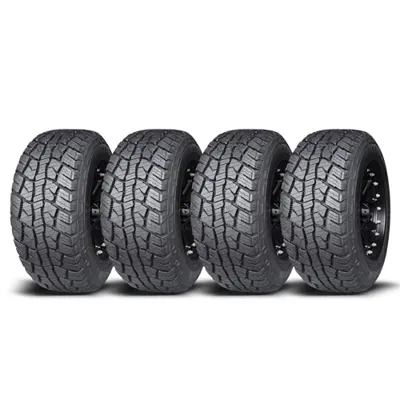
Finalist Terreno A/T (265/70R17, sold as a set of 4) is built for mid-size and full-size SUVs — a common fit for vehicles like the 4Runner, Tahoe, or Explorer. It’s an all-season, all-terrain tread designed to handle highway commuting and light off-road trails without needing a seasonal tire swap, and it ships with a road hazard warranty included. Keep in mind this listing is tires only; wheels are sold separately.
Frequently Asked Questions
Can I put all-terrain tires on a regular car?
Usually not in a practical sense. All-terrain tires aren’t typically manufactured in standard sedan sizes, and even if you found a technically compatible size, the stiffer sidewall and heavier construction would hurt your ride quality, fuel economy, and braking distance without any real off-road benefit for a low-clearance car.
What is the difference between all-terrain and all-season tires?
All-season tires use a tighter tread pattern optimized for pavement, giving a quieter ride and better fuel economy. All-terrain tires use a more open tread with a higher void ratio to grip gravel, dirt, and light mud, at the cost of some highway noise and roughly 1 mpg less fuel economy.
Do all-terrain tires wear out faster on the highway?
Quality all-terrain tires typically last 45,000 to 65,000 miles under normal driving, which is close to a highway all-season tire’s lifespan. They can wear noticeably faster if you use them for frequent off-road driving, since the tread and sidewall take more abuse than they would on pavement.
Are all-terrain tires good in snow?
Many all-terrain tires carry the 3-Peak Mountain Snowflake (3PMSF) certification and handle mild-to-moderate snow reasonably well. For severe winter conditions, a dedicated winter tire will still outperform an all-terrain tire, since winter tires use a softer rubber compound designed specifically for sub-freezing traction.
What size all-terrain tire fits a compact SUV like a RAV4 or CR-V?
Compact crossovers typically use all-terrain tires in the 215/70R16 to 235/65R17 range, depending on the trim and wheel size. Always match the exact size, load index, and speed rating listed on your driver-door-jamb sticker rather than assuming a “similar-looking” size will fit correctly.
Should I get mud-terrain tires instead of all-terrain?
Only if you regularly drive through deep mud, sand, or rocky trails. Mud-terrain tires grip those surfaces better, but they’re louder, less fuel-efficient, and wear faster on pavement than all-terrain tires. For drivers who mostly stay on highways with occasional dirt roads, all-terrain is the better everyday compromise.
Bottom Line
All-terrain tires are a truck and SUV product first, and a “car” product only in the loose sense that some crossover SUVs qualify. If you drive a standard sedan, an all-season or all-weather tire will serve you better in every way that matters. If you drive a crossover, SUV, or truck that spends real time on gravel or dirt, an all-terrain tire like the Falken Wildpeak A/T Trail, Atturo Trail Blade A/T, or Finalist Terreno A/T is a legitimate, worthwhile upgrade over a standard highway tire — just match the size to your specific vehicle before you buy.
Products related to this article
Sponsored / affiliate links. As an Amazon Associate I earn from qualifying purchases. I may earn additional commission from eligible campaigns.