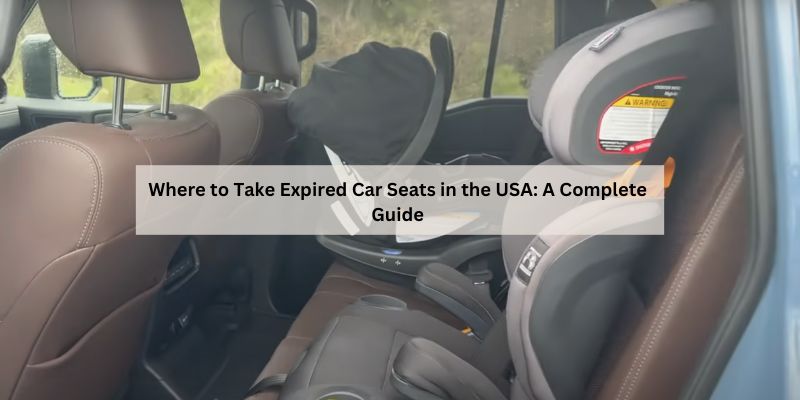
Where to Take Expired Car Seats in the USA: A Complete Guide
Hey there, friend! So, you’ve got an old car seat that’s expired, and you’re wondering, “Where do you take expired car seats?” I’ve been in your shoes, staring at a dusty car seat in my garage, trying to figure out how to get rid of it responsibly. After digging into this topic and exploring all the options, I’ve learned the best places to take those old seats to keep them out of landfills and ensure they’re handled safely. Picture us sitting together, maybe in wavelength
System: in your driveway, chatting about how to clear out that clutter. Whether you’re a busy parent or just want to do the right thing, this guide will walk you through where to take expired car seats, why it matters, and how to make it easy. Let’s get started and find the perfect solution for that old car seat!
Why Car Seats Expire
Let’s start with the basics—why do car seats even expire? I was confused about this when I first noticed the expiration date on my kid’s car seat. Car seats typically last 6 to 10 years from their manufacture date, depending on the brand. You’ll find this date on a sticker, usually on the bottom or side of the seat.
The expiration is about safety. Over time, the plastic, foam, and straps can break down from heat, cold, or sunlight. I once pulled a car seat out of storage and noticed the plastic felt brittle—it wasn’t safe anymore. Safety standards also evolve, so older seats might not meet the latest crash test requirements. Using an expired seat could put a child at risk, which is why you can’t just pass it along. Disposing of it properly keeps it out of the wrong hands and protects the environment.
Why You Shouldn’t Throw Them in the Trash
Tossing an expired car seat in the trash might seem quick and easy, but I learned it’s not the best choice. Car seats are made of plastic, metal, and fabric, which can take years to break down in landfills. I read that millions of car seats end up in dumps annually, adding to environmental waste. Even worse, someone might pull the seat from the trash and use it, not knowing it’s unsafe. I’ve heard stories of parents finding car seats curbside and thinking they’re a steal, only to risk their kids’ safety.
Instead, you can recycle, trade in, or donate (if the seat is still safe) to do your part for the planet and child safety. Let’s explore the best places to take your expired car seat.
Checking the Condition of Your Car Seat
Before you decide where to place your car seat, take a minute to check its condition. I always start by asking a few key questions:
- Is it expired? Look for the expiration date on the sticker. Most seats are good for 6-10 years from the manufacturer’s date.
- Was it in a crash? Even a minor accident can weaken the seat’s structure, making it unsafe.
- Is it recalled? Check the National Highway Traffic Safety Administration (NHTSA) website by entering the model number to see if it’s been recalled.
- Is it still in good shape? If it’s not expired, crash-free, and clean with at least a year before expiration, you might donate it.
I had a seat that was still in great condition, so I donated it to a local charity. But for expired or damaged seats, recycling or proper disposal is the way to go. Let’s look at your options.
Retail Trade-In Programs
One of my favorite ways to get rid of expired car seats is through retail trade-in programs. They’re super convenient and often come with perks like discounts. Here’s what I’ve found works best:
Target Car Seat Trade-In Event
Target runs a Car Seat Trade-In Event twice a year, usually in April and September. I took part in one last fall, and it was a breeze. You bring any car seat—expired, damaged, or even just the base—to a participating Target store. They accept infant seats, convertible seats, boosters, you name it. In return, you get a 20% off coupon for a new car seat, stroller, or select baby gear. I used mine to buy a new booster for my son, which saved me some cash.
Target works with recycling companies like TerraCycle to break down the seats into plastic, metal, and fabric for recycling. I was amazed to learn they’ve recycled over a million pounds of car seats this way! Check Target’s website for the next event—dates for 2025 are already set for April 14-27 and September 8-21. You can drop off seats at in-store collection bins during those times.
Walmart and Other Retailers
Walmart has offered trade-in events in the past, though they’re not as regular as Target’s. I called my local Walmart, and they suggested checking their website or app for announcements. Other retailers, like Babies R Us, sometimes run trade-ins with discounts up to 25% off new gear. I keep an eye on their websites or sign up for email alerts to catch these events. Timing is key, but the savings and eco-friendly disposal make it worth it.
Manufacturer Recycling Programs
Some car seat brands offer their recycling programs, which I found helpful when I missed a trade-in event. Here’s what I’ve learned:
Clek Recycling Program
Clek, a popular car seat brand, has a year-round recycling program that accepts any brand of car seat. I used this for an old seat that was too worn out for trade-in. You order a recycling kit from Clek’s website, which includes a prepaid shipping label. Pack the seat in a box, drop it at a UPS store, and they take care of recycling it. There’s a fee—around $10-$20 for shipping—but it’s super convenient. I loved knowing the seat was being responsibly recycled.
Other Brands
Brands like Chicco, Graco, and Britax don’t always have direct recycling programs, but they offer guidance. I called Chicco’s customer service, and they directed me to a local recycling center that takes car seats. Britax recommends preparing the seat by cutting the straps, removing padding, and marking it “expired” with a permanent marker to prevent reuse. Check the manufacturer’s website or call their support line for specific advice. Some even offer discounts on new seats when you recycle, which is a nice bonus.
Local Recycling Centers
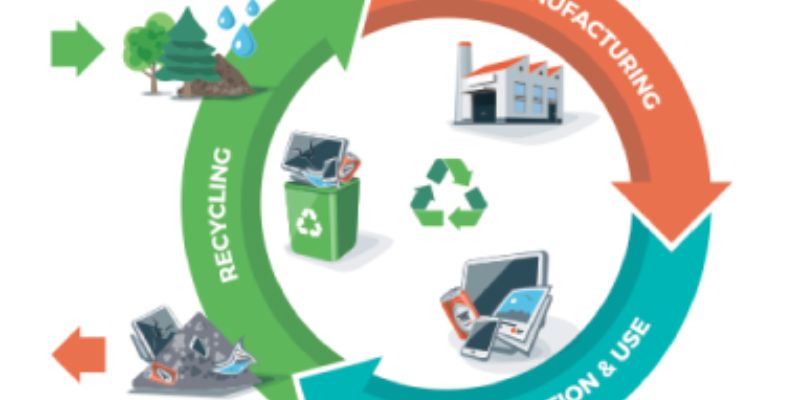
Your local recycling center might accept car seats, but it varies by location. I called my nearby center in Colorado, and they took car seats but required me to remove the fabric, straps, and foam first. It took about 15 minutes with scissors and a screwdriver to break it down. Places like Harford County Recycling Drop-Off Center in Maryland have bins just for car seat plastic shells. Others, like Alpha Ridge Landfill, accept them during regular hours.
To find a center near you, search online for “car seat recycling near me” or call your local waste management office. I found a great resource at recycleyourcarseat.org, which lists participating centers across the USA. Some charge a small fee, like $5, but many accept prepared seats for free. Always call ahead to confirm their rules—some centers don’t take car seats at all.
Community and Nonprofit Programs
If your car seat isn’t expired or damaged, donating it to a community organization is a great option. I did this with a seat that still had a couple of years left. Here’s what I’ve found:
- Charities and Shelters: Organizations like Kentucky Refugee Ministries or Nurses for Newborns accept clean, unexpired car seats with at least a year before expiration. I donated a seat to a local women’s shelter, and they were so grateful. Call first to confirm their requirements.
- Foster Care Programs: Groups like Families Helping Families of Iowa provide car seats to foster kids. I love that this helps kids in need while keeping the seat out of landfills. Expired seats usually aren’t accepted due to safety concerns.
- Hospitals and Fire Stations: Some hospitals, like Children’s Hospital Los Angeles, have drop-off programs for car seats on specific days, like the first Friday of each month. I called my local fire station, but they didn’t have seats, so it’s worth checking with yours.
Expired seats typically can’t be donated, so you’ll need to recycle or dispose of them through other methods.
Mail-In Recycling Programs
If local options aren’t available, mail-in recycling programs are a lifesaver. I used one when I couldn’t make a Target event. TerraCycle offers a paid car seat recycling program that accepts all brands. You buy a Zero Waste Box from their website—prices start at about $140 for a small box and go up to $263 for a large one. Fill it with your car seat, ship it back with the prepaid label, and they recycle the plastic, metal, and fabric. It’s not cheap, but it’s a reliable way to ensure proper recycling. I held onto a seat until a free event came up, but TerraCycle is great if you’re in a rush.
Preparing Your Car Seat for Recycling
Before taking your car seat anywhere, you need to prepare it to prevent reuse and make recycling easier. Here’s how I do it:
- Cut the Straps: Use scissors to cut all harness straps and belts. This ensures the seat can’t be used again.
- Remove Fabric and Foam: Peel off or cut away the fabric cover and foam padding. I found this takes a few minutes but makes recycling easier.
- Mark it as Expired: Write “EXPIRED” or “DO NOT USE” on the plastic shell with a permanent marker. I did this to make sure nobody tries to salvage it.
- Remove Metal Parts: If possible, unscrew metal clips or bars. Some recycling centers require this, though Target’s program doesn’t.
- Clean It: Wipe down the seat to remove dirt or crumbs. I used a damp cloth to clean mine before dropping it off.
Check with your recycling program for specific instructions. Some, like Clek, don’t require disassembly, which saves time.
Local Government and Waste Management Programs
Some cities and counties offer car seat recycling through waste management programs. I called my local sanitation department and found out they host occasional drop-off events for bulky items like car seats. For example, the City of Santa Clarita, California, has a Household Hazardous Waste Center that accepts car seats on specific days. Other programs, like those in Snohomish County, Washington, partner with Total Reclaim to recycle car seats for free or a small fee.
Search your city’s website or call the waste management office to find out about local programs. I was surprised to learn my town had a free drop-off day once a month—perfect for getting rid of old car seats.
Why Recycling Car Seats Matters
Recycling car seats is good for the planet and safety. Car seats are made of multiple materials—plastic, metal, foam, and fabric—that can be recycled separately. I learned that recycling just one car seat can save about 15 pounds of waste from landfills. Plus, it prevents unsafe seats from being reused. I felt great knowing my old car seat was turned into new products instead of sitting in a dump.
Recycling also supports sustainability. Programs like TerraCycle and Target’s trade-in event turn plastic into new goods, like playground equipment. It’s a small step that makes a big difference, and I’m all about that.
Donating vs. Recycling: What’s the Difference?
I often get asked if donating is the same as recycling. Here’s the deal:
- Donating: If your car seat is unexpired, crash-free, and in good condition with at least a year before expiration, you can donate it to a charity, shelter, or family in need. I gave a seat to a local nonprofit, and it helped a family who couldn’t afford one.
- Recycling: Expired or damaged seats should be recycled to prevent unsafe use. Programs like Target’s trade-in or TerraCycle break down the materials for reuse.
Always check with donation programs first, as most won’t take expired seats due to liability. I learned this when a charity turned down my expired seat, so I recycled it instead.
How to Find Car Seat Recycling Near You
Finding a place to take your car seat is easier than you think. I start with these steps:
- Check Retailers: Visit Target’s website for trade-in event dates or call Walmart and Babies R Us for local programs.
- Search Online: Use recycleyourcarseat.org to find recycling centers in your area. I found a nearby drop-off this way.
- Call Local Waste Management: Your city or county might have free drop-off days or recycling facilities.
- Contact Manufacturers: Brands like Clek and Chicco can guide you to recycling options or mail-in programs.
- Ask Community Groups: Local parenting groups or social media pages often share info about donation and recycling events.
I called my local Target and waste management office, and between them, I had two great options within a week.
Common Mistakes to Avoid
I made a couple of mistakes when disposing of car seats, so let me save you some trouble:
- Not Checking Expiration: Don’t assume a seat is safe to donate. Always check the expiration date first.
- Throwing It Away: Trashing a car seat risks someone reusing it unsafely. I almost did this until I learned about recycling.
- Not Preparing the Seat: Forgetting to cut straps or mark it “expired” can lead to misuse. I now double-check this step.
- Missing Trade-In Events: Retail events like Target’s are time-limited. I set calendar reminders for April and September to catch them.
- Assuming All Centers Take Seats: Not every recycling center accepts car seats. I called one that didn’t, wasting a trip.
Taking a few extra minutes to prepare and plan makes the process smooth.
When to Replace Your Car Seat
Knowing when to replace a car seat helps you decide if it’s time to dispose of it. I replace mine when:
- It’s Expired: Check the sticker for the expiration date, usually 6-10 years from manufacture.
- It’s Been in a Crash: Even minor accidents can compromise safety.
- It’s Recalled: Check the NHTSA website for recalls using the model number.
- Your Child Outgrows It: Follow the seat’s height and weight limits. My son outgrew his infant seat at 12 months.
If any of these apply, it’s time to recycle or dispose of the seat. I keep a list of my kids’ car seat expiration dates to stay on top of it.
Tips for Safe Car Seat Disposal
Here are some tips I’ve learned to make disposal safe and easy:
- Disassemble Properly: Cut straps, remove padding, and mark the seat as expired to prevent reuse.
- Use Recycling Programs: Choose Target, Clek, or local centers over trash bins.
- Check for Donations First: If the seat is unexpired and safe, donate it to a charity or shelter.
- Plan Ahead: Keep an eye on trade-in event schedules or call recycling centers to avoid delays.
- Clean the Seat: Wipe it down to make it easier for recyclers to handle. I use a damp cloth for quick cleanups.
These steps ensure your car seat is disposed of responsibly and safely.
Conclusion
There you go, friend! Getting rid of expired car seats doesn’t have to be a headache. Whether you’re dropping it off at Target’s trade-in event, mailing it to Clek, or recycling it locally, there are plenty of ways to keep those seats out of landfills and ensure they’re handled safely. I’ve felt so much better knowing my old car seats were recycled or donated responsibly, helping the environment and keeping kids safe. With options like retail programs, manufacturer kits, and local recycling centers, you’re sure to find a solution that works for you. So, let’s clear out that garage and make a difference—one car seat at a time!
FAQs
How do I know if my car seat is expired?
Check the sticker on the bottom or side of the seat for the manufacturer date and expiration, usually 6-10 years from that date.
Can I throw an expired car seat in the trash?
It’s not recommended. Someone might reuse it unsafely, and it adds to landfill waste. Recycle or donate it instead.
Where can I recycle my car seat?
Try Target’s trade-in events, Clek’s mail-in program, local recycling centers, or TerraCycle’s Zero Waste Box program.
Can I donate an expired car seat?
No, most charities and shelters won’t accept expired car seats due to safety concerns. Donate only unexpired, crash-free seats.
What do I do with a car seat that’s been in a crash?
It’s unsafe to reuse, even if it looks fine. Recycle it through a program like Target’s or a local center after cutting the straps.
Do I need to prepare my car seat for recycling?
Yes, cut the straps, remove the fabric and foam, and mark it “expired” to prevent reuse. Check with the program for specific rules.
Are there free ways to recycle car seats?
Yes, Target’s trade-in events and some local recycling centers accept car seats for free. Always call to confirm.