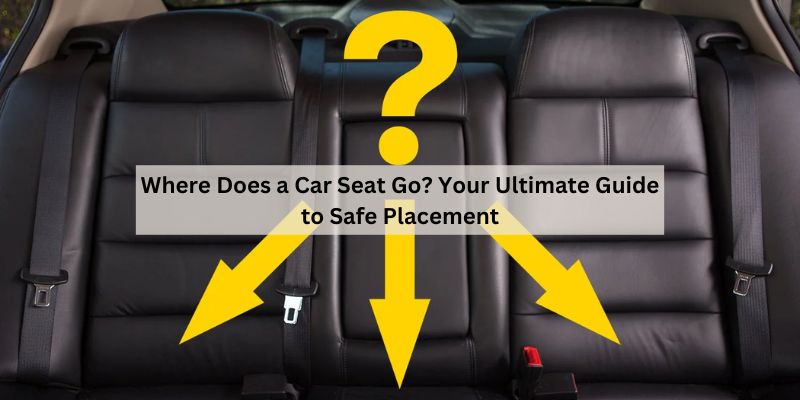
Where Does a Car Seat Go? Your Ultimate Guide to Safe Placement
Hey there! So, you’re trying to figure out where a car seat should go in your vehicle? I get it—that’s one of the first things I puzzled over when I became a parent. I still remember wrestling with my son’s car seat in the back of my old sedan, wondering if I was doing it right.
It’s a big deal because your kid’s safety depends on it, and getting it wrong can feel scary. I’ve spent years learning the ins and outs of car seat placement, from installing them in my cars to helping friends and family get it right. In this guide, I’ll share everything I’ve learned about where to put a car seat, why it matters, and how to make sure it’s secure. It’s like we’re working on your car together, making sure your little one is safe and sound. Let’s jump in!
Why Car Seat Placement Is a Big Deal
Let’s start with the basics: why does it matter where you put a car seat? When I first started, I thought any spot in the back seat would do, but I quickly learned it’s not that simple. A car seat’s job is to protect your child in a crash, and its placement can make a huge difference. The right spot works with your car’s safety features, like seat belts and airbags, to keep your kid secure. I’ll never forget the peace of mind I felt once I knew my daughter’s car seat was in the safest possible place. Getting this right also makes installation easier and ensures the seat stays put, no matter how bumpy the road gets.
Different Types of Car Seats
Before we dive into placement, let’s talk about the types of car seats. I’ve used a few over the years as my kids grew, and each one has specific needs. Here’s what I’ve learned about the main types:
- Infant Car Seats: These are for newborns and babies up to about 1 year or 20-35 pounds. They’re always rear-facing and often come with a base you can leave in the car. I loved how easy it was to snap my son’s infant seat in and out when he was tiny.
- Convertible Car Seats: These are for infants and toddlers, switching from rear-facing to forward-facing as your child grows. I switched to a convertible seat for my daughter when she outgrew her infant seat—it saved me from buying another one.
- Booster Seats: These are for older kids, usually 4-8 years old, who need a boost to use the car’s seat belt properly. My son’s booster seat made him feel like a big kid, and it was easier to install.
- All-in-One Seats: These cover everything—rear-facing, forward-facing, and booster. I haven’t used one, but my sister swears by hers because it grows with her kid.
Each type has its own placement rules, so always check the car seat’s manual. I keep mine in the trunk for quick reference—it’s saved me a few times when I wasn’t sure.
The Safest Place for a Car Seat
So, where’s the best spot for a car seat? I used to guess, but safety experts have clear advice. The back seat is the safest place for kids under 13. Why? The front seat has airbags that can be dangerous for children, even in a minor crash. I remember reading about how front airbags can deploy with enough force to hurt a kid—it’s why I never put my kids up front.
In the back seat, the center position is usually the safest. It’s the farthest from side impacts, which can happen in a crash. I always try to put my kids’ seats in the middle of our SUV’s back seat. But here’s the thing—not every car’s center seat is ideal. Some are too narrow or don’t have the right anchors. If the center doesn’t work, the outboard seats (behind the driver or passenger) are still safe. I’ll explain how to pick the best spot next.
Factors to Consider When Choosing a Spot
Choosing the right spot for a car seat depends on a few things. I’ve installed seats in everything from a compact car to a minivan, and each vehicle is different. Here’s what I look at:
Your Vehicle’s Layout
Cars come in all shapes and sizes. Sedans usually have a three-seat back row, while SUVs might have captain’s chairs or a third row. My sedan had a great center seat for an infant car seat, but my friend’s truck only had outboard seats that worked. Check your car’s manual to see what’s possible.
LATCH System
Most cars made after 2002 have a LATCH system (Lower Anchors and Tethers for Children). These are metal anchors in the back seat for securing car seats. I love how simple LATCH makes installation, but not every seat has anchors. In my old car, only the outboard seats had LATCH, so I couldn’t use the center. Look for LATCH symbols in your back seat—they’re usually small tags or buttons.
Number of Kids
If you have more than one child, fitting multiple car seats can be a challenge. I have two kids, and squeezing their seats into my sedan was like a game of Tetris. Make sure each seat fits securely without overlapping. I put my son’s infant seat in the center and my daughter’s booster on the side to make it work.
Rear-Facing vs. Forward-Facing
Rear-facing seats need more room because they recline. I had to slide my front seat forward to fit my son’s rear-facing seat in our compact car. Forward-facing seats are more compact but need a top tether anchor. Always follow your car seat’s instructions for the right setup.
Best Practices for Car Seat Placement
Here’s how I make sure a car seat is in the right spot, based on what’s worked for me:
Stick to the Back Seat
Kids under 13 should always be in the back. I once thought my 9-year-old could ride up front with a booster, but a safety tech told me it’s too risky because of airbags. The back seat is the way to go.
Try the Center First
If your center seat has LATCH or a compatible seat belt, use it. I found the middle seat in our minivan was perfect for my daughter’s car seat—it felt super secure. If the center doesn’t fit, the outboard seats are fine too.
Avoid the Front Seat
Unless your vehicle has no back seat (like some pickup trucks), keep car seats out of the front. If you must use the front, turn off the passenger airbag and push the seat back. I helped a friend set up a car seat in his truck, and we made sure the airbag was off.
Ensure a Tight Fit
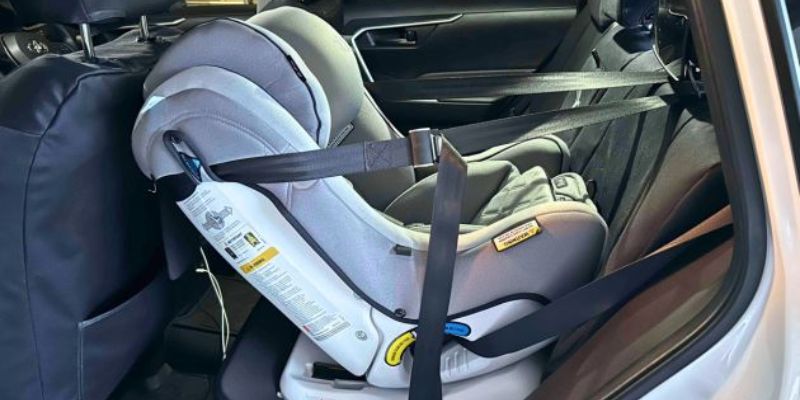
A properly installed car seat shouldn’t move more than an inch side-to-side. I always tug on the seat after installing it to make sure it’s solid. One time, I thought I had it secure, but it wobbled—tightening the straps fixed it.
How to Install a Car Seat the Right Way
Installing a car seat can feel like a puzzle, but I’ve done it enough to make it simple. Here’s how I do it:
Step 1: Check the Manuals
Read your car seat’s manual and your car’s manual. I keep both handy in case I need to double-check. The manuals tell you exactly how to position and secure the seat for your specific vehicle.
Step 2: Pick the Spot
Choose the center seat if it works, or an outboard seat if it doesn’t. I check for LATCH anchors or a seat belt that locks properly. In my sedan, the center seat belt wasn’t ideal, so I used the outboard LATCH points.
Step 3: Secure with LATCH or Seat Belt
You can use either the LATCH system or the car’s seat belt, but don’t use both unless the manual says it’s okay. I prefer LATCH for its simplicity, but I’ve used seat belts in older cars. Thread the straps or belt through the car seat’s paths and pull them tight.
Step 4: Use the Top Tether
For forward-facing seats, attach the top tether to the car’s tether anchor (usually behind the seat or on the floor). I forgot this once, and the seat wasn’t as secure as it should’ve been. It’s a simple step that makes a big difference.
Step 5: Test for Stability
Grab the car seat near the belt path and give it a firm tug. If it moves more than an inch, tighten the straps or reposition it. I had to redo my daughter’s seat a couple of times to get it just right.
Handling Tricky Vehicles
Not every car makes it easy. I’ve dealt with some tough setups, so here’s what I’ve learned:
Pickup Trucks
Trucks often have small back seats or none at all. In my friend’s extended-cab truck, we used the outboard back seat because the center was too narrow. For single-cab trucks, use the front passenger seat, but turn off the airbag and push the seat back as far as it goes.
Compact Cars
Small cars can be tight for rear-facing seats. I had a hatchback where I had to move the front passenger seat forward to fit my son’s seat. If space is an issue, try the center or the outboard seat behind the passenger.
Multiple Car Seats
With two or more kids, fitting everyone can be tough. I put my infant’s seat in the center and my daughter’s booster on the side. If you have three kids, look for slim-fit car seats or consider a bigger vehicle like a minivan. I’ve seen friends make it work with careful planning.
Common Mistakes to Watch Out For
I’ve messed up a few times, so let me share some mistakes to avoid:
- Incorrect angle: Rear-facing seats need the right recline angle (check the manual). I had to adjust my son’s seat when it was too upright.
- Loose installation: A wobbly seat won’t protect your child. I learned to tug hard to check for movement after installing.
- Using both LATCH and seat belt: Unless the manual allows it, stick to one. I made this mistake early on and had to start over.
- Front seat use: Keep kids in the back unless you have no choice. I saw a parent put a car seat up front once, and it was a big no-no because of airbags.
Getting Your Car Seat Checked
Even if you think you’ve got it right, it’s worth a professional check. I took my car seats to a local fire station for a free inspection, and the technician found a strap I hadn’t tightened enough. Many fire stations, police departments, and hospitals offer free car seat checks in the USA. You can also find certified Child Passenger Safety Technicians through organizations like Safe Kids Worldwide. I felt so much better knowing an expert had approved my setup.
Car Seat Laws in the USA
Car seat laws differ by state, but every state requires kids to use car seats or boosters until they’re big enough for adult seat belts. In my state, kids need a car seat until age 8 or 4’9” tall. Most states now require rear-facing until at least age 2. I kept my daughter rear-facing until 3 because it’s safer, even if the law allowed forward-facing sooner. Check your state’s DMV website for the rules—it’s an easy way to stay legal.
Maintaining and Replacing Car Seats
Car seats need some care to stay safe. I was surprised to learn they have expiration dates—usually 6-10 years from the manufacture date (check the label). I replaced my son’s seat after a minor fender-bender because even small crashes can weaken the structure. Clean seats with mild soap and water, and avoid harsh chemicals that could damage straps. I used a strong cleaner once and noticed the straps fraying—lesson learned.

Why Proper Placement Is Worth the Effort
Getting car seat placement right isn’t just about following rules—it’s about protecting your child. I can’t tell you how much better I sleep knowing my kids are safe in their seats. It takes a bit of time to learn, but once you’ve got it down, it’s quick and easy. I can now install a car seat in minutes, and I’m confident you’ll get there too with a little practice.
Conclusion
Phew, we covered a lot, didn’t we? Now you know exactly where a car seat should go and how to make sure it’s safe. From picking the back seat to mastering the LATCH system, you’re ready to keep your child secure on every drive. I still get a warm feeling every time I buckle my kids in, knowing they’re protected by a well-placed car seat. So, grab your car seat, check those manuals, and set up the safest spot for your little one. If you’re ever unsure, a quick check with a professional can give you extra confidence. Got more questions? Check out the FAQs below, or drop a comment on the blog—I’d love to hear how it went for you!
FAQs
What’s the safest spot for a car seat in my car?
The back seat is safest, ideally the center, because it’s farthest from side impacts. I always aim for the center, but if it doesn’t fit, the outboard seats behind the driver or passenger are good too.
Can I put a car seat in the front seat?
Avoid it unless your car has no back seat, like some trucks. If you must, turn off the passenger airbag and push the seat back. I set up a friend’s truck this way, and it worked safely.
How do I know if my car seat is secure?
It shouldn’t move more than an inch side-to-side when you tug it. I always test by grabbing near the belt path. If it’s loose, tighten the straps or adjust the position.
Can I use both LATCH and the seat belt for a car seat?
Usually, no—choose one unless the manual says it’s okay. I learned this after trying both and reading the manual, which told me to pick one.
Do car seat laws vary across the USA?
Yes, each state has its own rules, but all require car seats or boosters for young kids. In my state, it’s until age 8 or 4’9”. Check your state’s DMV website for details.