Where Does The Freon Go In A Car? Ac System Explained
Freon, or refrigerant, is a special fluid that cycles through your car’s AC system. It doesn’t actually “go” anywhere permanently when the system works right. It absorbs heat from inside your car and releases it outside.
If you lose refrigerant, it’s usually due to a leak in the system.
Understanding Your Car’s Air Conditioning
Your car’s AC is like a small, powerful cooling factory on wheels. It uses a special fluid called refrigerant. This fluid has a unique job.
It can easily change from a liquid to a gas and back again. This change is what makes cooling possible.
Think of it like a magic trick. The system uses pressure changes. These changes make the refrigerant boil at a very low temperature.
This low boiling point is key. It lets the refrigerant grab heat from the air inside your car. Then, it moves that heat outside.

How Refrigerant Moves Through the System
The AC system has several parts working together. A compressor is like the heart of the system. It squeezes the refrigerant.
This makes it hot and high-pressure. Then, it flows to the condenser. This part sits in front of your car.
It looks like a small radiator. Here, the hot refrigerant cools down. It turns into a high-pressure liquid.
Next, the liquid refrigerant goes through a drier or accumulator. This removes moisture. Moisture is bad for the system.
After that, it reaches the expansion valve or orifice tube. This is a tiny opening. It makes the refrigerant suddenly drop in pressure.
This makes it very cold.
The cold, low-pressure refrigerant then flows into the evaporator. This part is inside your dashboard. It’s like a mini-radiator for the cabin.
Your car’s fan blows air over the cold evaporator. The refrigerant absorbs heat from this air. This cools the air.
Then, the cooled air blows into your car. The refrigerant, now warm and low-pressure, goes back to the compressor. The cycle starts again.
What is “Freon” Anyway?
The term “Freon” is a brand name. It was widely used for refrigerants like R-12. This is older stuff.
It’s not used in cars much anymore. Most modern cars use R-134a. Some newer ones are switching to R-1234yf.
These are different chemicals but do the same job.
They are called refrigerants. Their main job is to carry heat. They do this by changing states.
They go from liquid to gas and back. This is called a phase change. It happens at specific temperatures and pressures.
The AC system is designed to control these changes.
So, when people say “Freon,” they usually mean the refrigerant in their car. It’s the stuff that makes the cold air. It’s essential for the AC to work.
Without enough refrigerant, the system can’t move heat effectively.
Why Does Refrigerant Seem to Disappear?
Refrigerant doesn’t just vanish into thin air. A car’s AC system is supposed to be sealed. It’s a closed loop.
Like a bicycle tire, it should hold its air. If you lose refrigerant, it means there’s a leak somewhere.
Think of tiny cracks or worn-out seals. Over time, these can develop. Small amounts of refrigerant can escape.
This usually happens as a gas. It’s hard to see. It mixes with the air.
It doesn’t leave a visible puddle.
Some leaks are bigger than others. A major leak can happen if a hose splits or a component fails. In these cases, you might lose a lot of refrigerant quickly.
But most of the time, it’s a slow process. You might not notice it until the AC isn’t blowing cold anymore.
Signs Your Car Might Be Losing Refrigerant
The most obvious sign is warm air blowing from your vents. This happens when the refrigerant level drops too low. The system can’t absorb enough heat.
Other signs can be less direct. You might hear strange noises from the AC system. These could be from the compressor working harder.
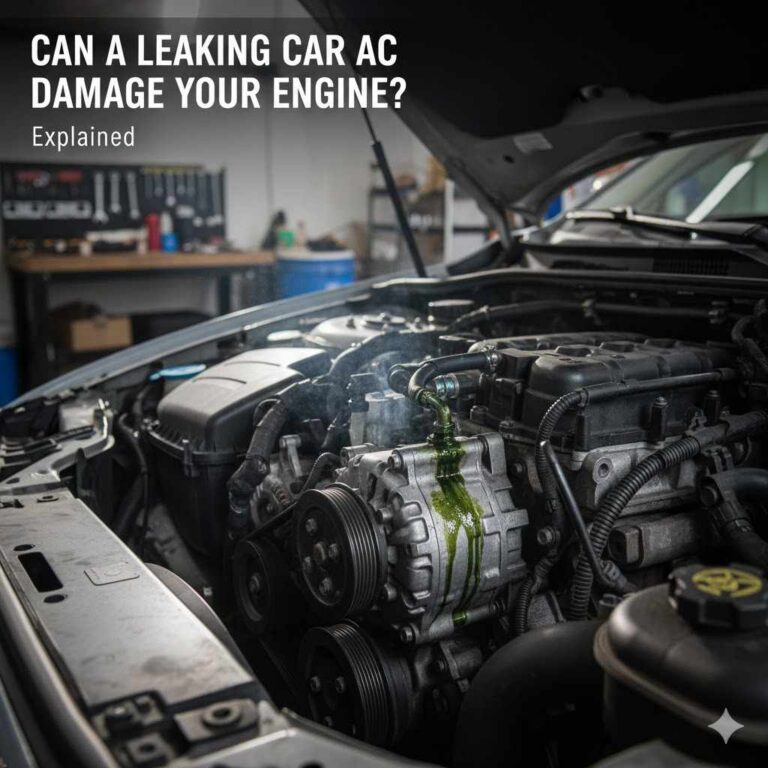
Sometimes, you might see oily residue. Refrigerant often carries a small amount of lubricant. This oil can show up near a leak.
It can look like a greasy spot on a hose or fitting. It’s a good clue for mechanics.
Another sign could be the AC cycling on and off more often. The system might struggle to maintain temperature. This makes it work harder and then shut down.
This on-and-off pattern can mean it’s low on refrigerant. It’s trying to protect itself.
The “Leak” Is the Real Culprit
It’s crucial to understand that the refrigerant itself isn’t consumed. It’s not like gasoline that burns. It’s a fluid that circulates.
If it’s gone, it means it escaped. The focus should always be on finding and fixing the leak.
Mechanics use special tools to find these leaks. They can use a fluorescent dye. This dye is added to the refrigerant.
They then use a black light to spot any glowing areas. This shows exactly where the refrigerant is escaping.
They can also use an electronic leak detector. This device sniffs the air for refrigerant. It beeps when it gets close to a leak.
Finding the source of the leak is the first step. Repairing it is the next.
Common Places for AC Leaks
Hoses and Seals: Rubber hoses can degrade. Seals can become brittle. These are frequent leak points.
Compressor Seals: The compressor has moving parts. Seals around these parts can wear out.
Condenser and Evaporator: These are like radiators. They can get small holes from road debris or corrosion.
O-rings: Small rubber rings connect many parts. They can dry out and crack.
Service Ports: Where mechanics connect their equipment. Caps or valves can fail.
What Happens If You Don’t Fix a Leak?
Ignoring a refrigerant leak can cause more problems. For starters, your AC won’t work well. You’ll be hot.
But it’s more than just discomfort. The AC system needs refrigerant to keep its parts lubricated. The refrigerant carries oil throughout the system.
When refrigerant levels get very low, the oil doesn’t circulate properly. This can cause the compressor to overheat and seize. A broken compressor is an expensive repair.
It’s often much more costly than fixing a small leak.
Also, when the system loses refrigerant, it can draw in air. Air contains moisture. This moisture can freeze.
It can form ice crystals. These crystals can block small passages in the system. This makes cooling even worse.
It can also damage other components like the expansion valve.
Adding Refrigerant: A Temporary Fix?
Many people try to recharge their AC system themselves. They buy a can of refrigerant from an auto parts store. This can sometimes make the AC blow cold again.
But it’s important to know this is usually a temporary solution. It doesn’t fix the underlying leak.
Think of it like putting air in a leaky tire. You can keep filling it up. But until you patch the hole, it will keep losing air.
Adding refrigerant without fixing the leak means you’ll just keep adding more refrigerant later.
It’s also possible to overcharge the system. Too much refrigerant can be just as bad as too little. It can cause high pressure.
This can damage the compressor or other parts. It’s best to have a professional check the system. They can ensure it’s properly filled to the correct level.
Understanding Refrigerant Types and Environmental Impact
As mentioned, older cars used R-12. This refrigerant harms the ozone layer. That’s why it’s phased out.
Newer cars use R-134a. It’s better for the ozone layer. But it’s a greenhouse gas.
This means it contributes to global warming if released into the atmosphere.
The newest standard is R-1234yf. It has a much lower global warming potential. Regulations are pushing for its wider use.
It’s important to know which type of refrigerant your car uses. Using the wrong type can damage the system.
Proper handling and disposal of refrigerants are important. That’s why certified technicians are required to recover and recycle old refrigerant. They have the equipment to do this safely and legally.
It prevents these chemicals from harming the environment.
Quick Scan: Refrigerant Facts
- What it is: A special fluid for cooling.
- How it works: Absorbs heat by changing state.
- Where it goes: Circulates in a closed system.
- Loss means: A leak in the system.
- Common types: R-12 (old), R-134a (common), R-1234yf (new).
- Environmental concern: Greenhouse gases, ozone depletion (R-12).
My Own “Hot Air” Moment
I remember one summer, my old truck’s AC just gave up. It was a blistering July day. I had been driving with the windows down, but even that was getting unbearable.
I finally hit the AC button, expecting that familiar rush of cool air. Instead, I got a weak puff of warm, humid air.
My heart sank a little. I’m not a mechanic. The thought of a car repair bill always makes me a bit nervous.
I pictured endless days of sweating in traffic. I’d heard people talk about “recharging” AC systems. So, I went to the auto parts store.
I bought a can with a gauge. It promised to be easy.
I followed the instructions. I hooked up the can to the low-pressure port. The gauge read very low.
I started adding the refrigerant. The can felt cold in my hand. I kept adding it until the gauge showed a “green” zone.
I felt a surge of relief. I thought I’d fixed it!
For about two weeks, it worked great. The air was cold again. I was so proud of myself.
Then, slowly, it started to fade. The air got less cold. The gauge was low again.
I realized I hadn’t fixed the problem. I had just refilled a leaky bucket. It was a good lesson.
Sometimes, the quick fix isn’t the right fix. It just delays the real work.
Real-World Context: Why Leaks Happen Over Time
Cars live a tough life. They are exposed to extreme temperatures, vibrations, and road shock. All these things stress the AC system.
Hoses can crack from repeated flexing and heat. Rubber seals can harden and shrink over time. Metal parts can corrode, especially in areas with salt or humidity.
Think about driving over bumps. This jostles everything. It can put stress on connections.
Small vibrations over years can loosen fittings. Even parking lots can be a hazard. A stray shopping cart or a stray rock can damage the condenser.
This thin metal is right at the front of your car.
In areas where roads are salted in winter, corrosion is a big issue. Salt can eat away at metal parts. This includes AC lines and the condenser.
It creates tiny holes. These holes let the precious refrigerant escape. It’s a slow, invisible battle against the elements.
What This Means For You: When is it Normal?
A perfectly sealed AC system should hold its refrigerant for the life of the car. However, wear and tear are normal. It’s not uncommon for an older car to develop a small leak over time.
If your AC is blowing cool but not super cold, it might be slightly low.
It’s also normal for the system to have some natural pressure variations. The refrigerant level fluctuates slightly with temperature. But a steady decline in cooling performance is a sign.
You should pay attention to that.
If your AC stops blowing cold suddenly, that’s a bigger clue. It might mean a more significant leak or a system failure. Don’t assume it’s just “empty.” Something caused it to become empty.
When to Worry and Simple Checks
You should worry if your AC suddenly stops working. Or if it’s blowing warm air consistently. Another worry sign is if you hear unusual noises from the engine bay when the AC is on.
These could be the compressor struggling.
A simple check you can do is to look under your car. After the AC has been running for a while, you might see a small puddle of water. This is normal.
It’s condensation from the evaporator. But if you see oily spots or greasy residue near AC lines or fittings, that’s a potential leak indicator.
Listen carefully when you turn on the AC. Do you hear the compressor clutch engage? It’s a distinct click.
If you don’t hear that, or if it sounds rough, there might be a problem. A low refrigerant charge can prevent the clutch from engaging.
Your AC Quick Check Guide
Check Air Temperature: Does it feel cool or warm?
Listen for Noises: Any hissing, grinding, or loud clicks?
Inspect Lines: Look for oily residue near hoses and fittings.
Feel Fan Speed: Is the fan blowing strongly?
Note Performance: Does it cool quickly or take a long time?
Quick Fixes and Tips
The best “fix” for a refrigerant leak is to repair the leak. This means finding the source and replacing the faulty part. This could be a hose, seal, or even the condenser.
If the leak is very minor, a qualified technician might use a special sealant. This sealant is added to the refrigerant. It can sometimes stop small leaks.
But it’s not a guaranteed solution for all leaks.
Regular AC maintenance is key. Even if you don’t have a problem, having the system checked periodically can catch issues early. A technician can check pressure levels and inspect for wear and tear.
This proactive approach can save you money and hassle down the road.
Tip: Run your AC for a few minutes every week, even in winter. This keeps the seals lubricated. It helps prevent them from drying out and cracking.
This can help prevent small leaks before they start.
Tip: Don’t ignore poor cooling. It’s often the first sign of a problem. Addressing it early can prevent more serious damage.
Refrigerant Service Flow Chart
Problem: AC Not Blowing Cold
Step 1: Visual Inspection
– Check for oily residue near AC lines.
– Look for obvious damage to hoses or condenser.
Step 2: Professional Check
– Technician uses gauges to check system pressure.
– Dye injection and leak detection may be used.
Step 3: Repair Leak
– Replace faulty hose, seal, or component.
– Evacuate system (remove air and moisture).
Step 4: Recharge System
– Add correct type and amount of refrigerant.
– Verify proper system operation.

Frequently Asked Questions
Does refrigerant get used up like gasoline?
No, refrigerant doesn’t get used up. It circulates in a sealed system. If you’re losing refrigerant, it means there’s a leak somewhere that needs to be fixed.
How long does a car AC system typically last?
A well-maintained AC system can last for many years. However, components like hoses and seals can degrade over time. Leaks are more common in older vehicles due to wear and tear.
Can I just add refrigerant myself?
You can buy DIY recharge kits. These can sometimes provide temporary cooling. However, they don’t fix the leak.
Overcharging the system can also cause damage. It’s generally best to have a professional diagnose and repair AC issues.
What are the signs of a refrigerant leak?
The main sign is weak or no cold air from the vents. You might also notice oily residue on AC lines or fittings, or hear unusual noises from the system.
Is it bad for the environment if my car leaks refrigerant?
Yes, it can be. Many refrigerants, like R-134a, are greenhouse gases. When they leak, they contribute to climate change.
Older refrigerants like R-12 also harm the ozone layer. Proper repair and handling are important.
What is the difference between Freon and refrigerant?
“Freon” is a brand name for older refrigerants like R-12. “Refrigerant” is the general term for the chemical used in AC systems. Modern cars use refrigerants like R-134a or R-1234yf.
Can a refrigerant leak cause my car to run hotter?
While a refrigerant leak directly affects the AC’s cooling ability, it doesn’t typically cause the engine to overheat. However, if the AC compressor is working much harder due to low refrigerant or other issues, it can add a slight load to the engine, but this is usually minor.
Conclusion
So, where does the Freon go? It doesn’t go anywhere on purpose. It escapes through leaks.
These leaks are often caused by normal wear and tear on your car’s AC system. Understanding this helps you know when to seek professional help. Keeping your AC system in good shape means fixing those leaks.
This will keep you cool and comfortable all summer long.
Products related to this article
Sponsored / affiliate links. As an Amazon Associate I earn from qualifying purchases. I may earn additional commission from eligible campaigns.