Why Is My Car Battery Dying So Fast? Common Causes
It’s a sinking feeling, isn’t it? You turn the key, or push the start button, and… nothing. Or worse, a weak sputter.
Your car battery just won’t start. And this isn’t the first time. You’re wondering, “Why is my car battery dying so fast?” It’s frustrating, especially when you need your car.
Let’s break down the common culprits.
A car battery dying quickly often points to a few key issues. These include a faulty charging system, parasitic drain, extreme temperatures, age, or leaving lights and accessories on. Understanding these can help you diagnose the problem and find solutions for better battery performance.
Understanding Your Car’s Battery
Your car’s battery is like its heart. It stores the power needed to start the engine. It also keeps your lights, radio, and other electronics running when the engine is off.
When a battery dies quickly, it means it’s not holding a charge like it should. Or something is draining the power away too fast.
There are a few main reasons this can happen. Some are simple fixes. Others might need a mechanic’s help.
We’ll explore each one so you can figure out what’s going on with your car.
The Charging System: Not Getting Enough Juice
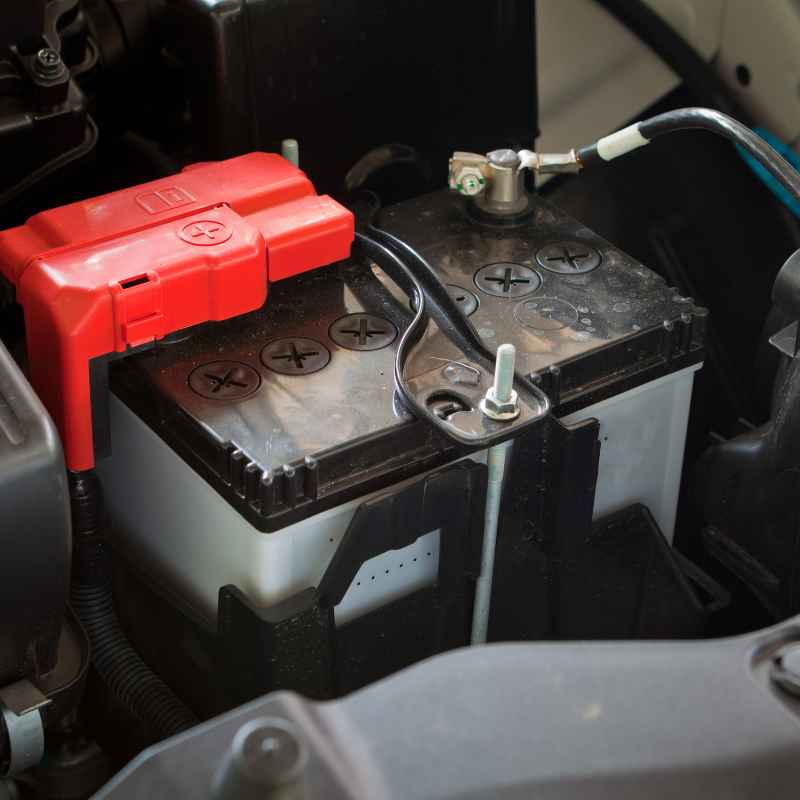
Your car’s charging system is key. It keeps the battery full. The alternator is the main part of this system.
It makes electricity when the engine is running. This electricity powers your car. It also recharges the battery.
If the alternator isn’t working right, it can’t keep up.
The battery might seem to die quickly. But the real problem is it never gets fully charged in the first place. Think of it like a leaky bucket.
Even if you keep pouring water in, it never fills up. This can happen for a few reasons.
The alternator itself could be failing. It might not be producing enough voltage. Worn-out brushes or a faulty voltage regulator can cause this.
The drive belt that spins the alternator could also be loose or broken. This means the alternator won’t spin fast enough to generate power. Sometimes, the wiring connecting the alternator to the battery is corroded or loose.
This stops the power from reaching the battery.
Signs of a bad charging system include flickering dashboard lights. Your headlights might also seem dimmer than usual. You might even see a battery warning light pop on the dashboard.
This light often looks like a battery. It means there’s a problem with the charging system. Your car might also start to run rough or stall.
If you notice these signs, it’s a good idea to get your charging system checked. A mechanic can test the alternator’s output. They can also check the voltage regulator and wiring.
Fixing the charging system is crucial. It protects your battery from premature failure. It also ensures your car runs smoothly.
Parasitic Drain: The Silent Power Thief
This is a common and sneaky cause. A parasitic drain is when something in your car uses electricity when the engine is off. Most cars have a small amount of this.
It’s normal for things like the clock or radio presets to use a little power. But if this drain is too high, it can kill your battery overnight.
Many things can cause a parasitic drain. A common culprit is a faulty relay or switch. For example, a door switch might be stuck, making the car think a door is open.
This can keep interior lights on. Or a trunk light might stay on. A faulty module or a stuck component in the car’s computer system can also draw power.
Sometimes, aftermarket accessories are the issue. Things like alarms, stereo systems, or GPS trackers that are not wired correctly can cause problems. Even a simple glove box light that doesn’t turn off can be enough to drain a battery over time.
The key is that the power draw is constant and significant enough to empty the battery.
How to spot a parasitic drain can be tricky. The car might seem fine when you turn it off. But after sitting for a few hours or overnight, it won’t start.
You might hear a faint clicking sound coming from the engine bay when the car is off. This could be a relay that is stuck on. You might also notice that certain electronics don’t turn off when they should.
For example, a power antenna that stays up.
Finding a parasitic drain usually requires special tools. A mechanic will use a multimeter. They disconnect the battery.
Then they connect the multimeter in series. This measures the current flowing out of the battery. They then pull fuses one by one.
When the current drops significantly, they’ve found the circuit causing the drain. This helps them narrow down the faulty component. It’s a bit like detective work.
But it’s essential for stopping that silent power thief.
Spotting Parasitic Drain: Quick Checks
What to look for:
- Interior lights that stay on.
- Trunk or glove box lights that don’t go out.
- Aftermarket electronics that seem to drain the battery.
- Faint buzzing or clicking sounds when the car is off.
What to do:
- Check all lights are off before leaving the car.
- Ensure doors, trunk, and hood are fully closed.
- If you have new accessories, consider if they might be the cause.
Extreme Temperatures Take Their Toll
Car batteries don’t like extremes. Both very hot and very cold weather can shorten a battery’s life. And they can make it seem like it’s dying faster.
Hot weather is particularly tough on batteries. High temperatures accelerate the chemical reactions inside the battery. This can lead to corrosion of the internal plates.
It also causes water in the electrolyte to evaporate faster. This weakens the battery’s ability to hold a charge. Think of it like leaving a battery out in direct sun all day.
It’s not good for it.
In cold weather, the battery’s cranking power is reduced. The cold makes the battery fluid thicker. This makes it harder for the battery to produce the necessary current to start the engine.
At the same time, the engine oil becomes thicker. This makes the engine harder to turn over. So, you need more power from the battery.
But the battery has less power to give. This combination can make a weak battery fail completely in the cold. It’s not that the battery is dying faster in terms of its overall lifespan.
It’s more that its ability to perform is severely hampered by the cold.
Many newer cars have battery management systems. These systems help to protect the battery from temperature extremes. However, older cars might not have this.
Also, if a battery is already old or weak, these temperature effects will be much more noticeable. Parking your car in a garage, even an unheated one, can help. It can moderate the temperature swings.
This can make a real difference in how your battery performs during extreme weather.
The Age Factor: Batteries Don’t Last Forever
Like all things, car batteries have a lifespan. Most car batteries last between 3 to 5 years. Some can go longer.
Others might fail sooner. Once a battery reaches the end of its life, it just won’t hold a charge effectively anymore. It might start to die quickly, leaving you stranded.
As batteries age, the lead plates inside them degrade. They can accumulate sulfation. This is a crystal buildup that reduces the battery’s capacity.
The electrolyte can also become less effective. This means the chemical reactions that produce power aren’t as strong. You might notice that the battery takes longer to crank the engine.
Or it might die after only a short period without the engine running. This is a classic sign of an old, worn-out battery.
How to tell if your battery is old can be done a few ways. First, check the date code. Most batteries have a sticker with a code.
This usually indicates the month and year of manufacture. Look for a letter for the month (A=Jan, B=Feb, etc.) and a number for the year. If your battery is four or more years old, it’s on borrowed time.
You can also get your battery tested at an auto parts store. They have testers that can tell you the battery’s health and remaining capacity.
If your battery is old and showing signs of weakness, it’s often best to replace it proactively. Waiting for it to die completely can leave you in an inconvenient spot. Especially if it happens in bad weather or at an odd hour.
Investing in a new battery can give you peace of mind. It ensures your car will start when you need it most.
Battery Age & Lifespan
Typical Lifespan: 3-5 years
Factors affecting life:
- Climate (hot and cold extremes)
- Driving habits (frequent short trips)
- Charging system health
- Parasitic drains
When to check: After 3 years, get it tested annually.
The “Lights On” Syndrome: Simple Mistakes, Big Problems
This is probably the most common reason for a dead battery. We’ve all done it. You rush into a store, or get a call and step out of the car for a moment.
You forget to turn off your headlights. Or the interior dome light stays on. Or maybe the radio is left playing.
Even a small power draw like this, left for several hours, can drain a car battery enough to prevent it from starting.
It’s easy to overlook. Modern cars have reminders for some of these things. Many cars will beep if you open the door with the headlights on.
Some cars have automatic shut-off features for interior lights. But not all cars are equipped with these. Or sometimes, those systems can fail.
What kinds of things get left on?
- Headlights: The most common culprit. Especially if they are the “auto” setting and something confuses the sensor.
- Interior dome lights: If the switch is set to “on” instead of “door.”
- Parking lights: These draw less power than headlights but can still drain a battery over a long period.
- Radio or stereo system: If left on without the engine running.
- Power windows or sunroof: If accidentally left open and drawing power.
- Charging ports: If a phone or device is left plugged in and drawing power after the car is off.
The good news is, this is usually a simple fix. If you realize you’ve left something on, you can often just jump-start your car. Then, drive it for a good while.
This allows the alternator to recharge the battery. If this happens repeatedly, it’s worth taking a moment to double-check before you leave your car. A quick scan can save you a lot of trouble.
Loose or Corroded Battery Terminals
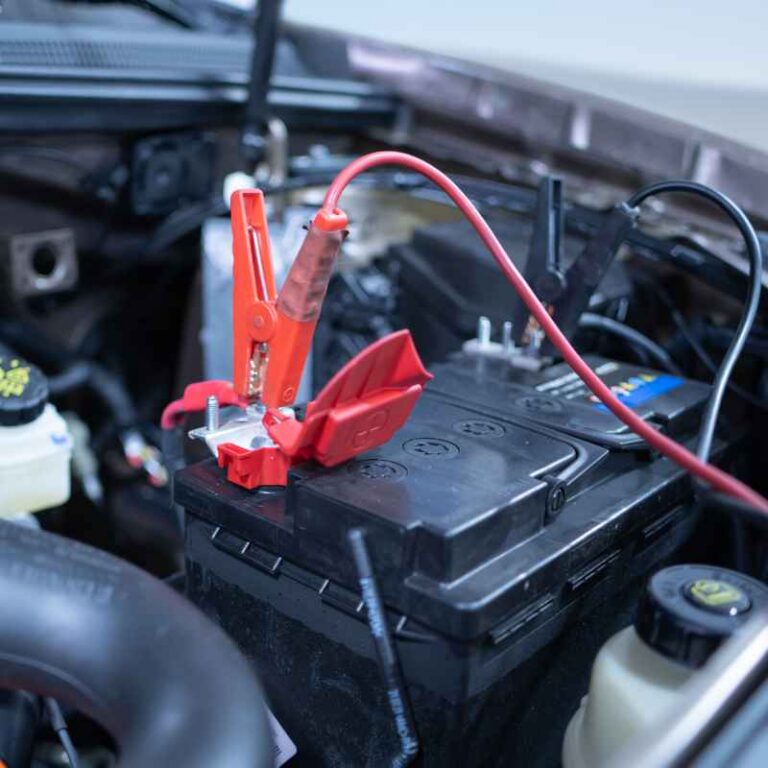
The battery terminals are where the cables connect to the battery. These connections need to be clean and tight. If they are loose, the battery might not be getting a good charge from the alternator.
And it might not be able to deliver enough power to start the engine.
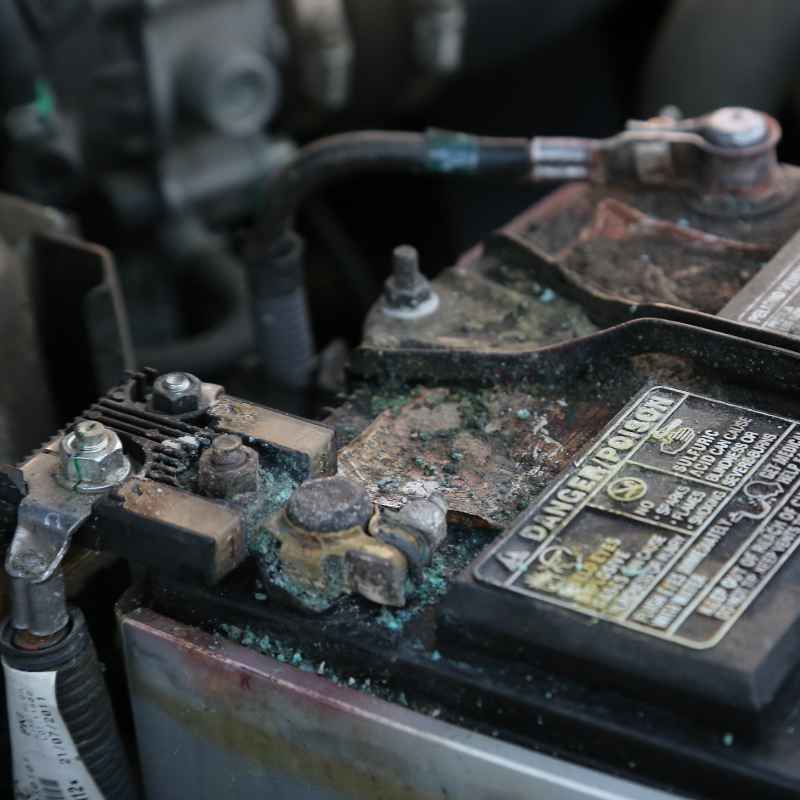
Corrosion is also a big problem. This is often a powdery, bluish-white or greenish substance. It builds up around the terminals.
Corrosion acts as an insulator. It creates resistance. This makes it harder for electricity to flow.
It can prevent the battery from charging properly. It can also make it harder for the car to start.
Signs of terminal problems include a poor connection when you jiggle the battery cables. You might see visible corrosion. The engine might crank slowly.
Or it might not crank at all. Sometimes, the car might start fine one moment and then not start the next. This intermittent connection can be a sign of loose or corroded terminals.
Cleaning battery terminals is a common DIY task. You’ll need a wire brush or a special terminal cleaner. You can also use a mix of baking soda and water.
Just be careful not to let the corrosive material get into your eyes. Disconnect the negative cable first, then the positive. Clean the terminals and the inside of the cable clamps.
Reconnect the positive cable first, then the negative. Make sure they are tight. If you’re unsure, a mechanic can do this for you quickly.
Terminal Maintenance Checklist
Inspect:
- Look for any white, blue, or green powdery buildup.
- Check if the battery cables are firmly attached.
Clean (if needed):
- Disconnect cables (negative first).
- Use a wire brush or battery terminal cleaner.
- Rinse with water (carefully) and dry thoroughly.
- Reconnect cables (positive first).
Why Your Driving Habits Matter
The way you drive can impact your car’s battery life. It’s not just about leaving the lights on. It’s about how your battery is used and recharged.
Frequent short trips are hard on a battery. When you start your car, the battery uses a lot of power to crank the engine. The alternator then needs time to recharge the battery.
If your trips are short, the alternator may not have enough time to fully replenish the charge. Over time, this can leave the battery in a perpetually low state of charge. This wears it out faster.
Excessive use of electronics when the engine is off also plays a role. This includes listening to the radio for long periods. Or using charging ports to power devices.
These all draw power directly from the battery. If the engine isn’t running to recharge it, the battery will eventually die.
Hard acceleration and braking can also indirectly affect the battery. While not a direct drain, aggressive driving can put more stress on the entire electrical system. This includes the alternator.
Over time, this added stress can contribute to wear and tear on components, including the battery.
For better battery health, try to balance your driving. If you frequently take short trips, make an effort to take a longer drive once a week. This gives the battery a chance to fully recharge.
Be mindful of using electronics. If you plan to listen to music for a long time, make sure the engine is running. These small adjustments can make a big difference.
Internal Battery Defects: A Rare but Possible Cause
Sometimes, even with perfect care, a battery can fail prematurely. This can be due to an internal manufacturing defect. Batteries are complex devices.
They have many internal components. A flaw in one of these components can lead to a battery that doesn’t perform as expected.
This might involve a faulty cell. Or a problem with the separators between the lead plates. These defects are rare.
Especially with reputable brands. However, they can happen. When a defect causes a battery to die quickly, it’s usually noticeable soon after it’s purchased.
Signs of a potential internal defect can include:
- The battery dying very quickly shortly after being installed.
- The battery not holding a charge at all, even after being fully charged.
- The battery becoming unusually hot during charging.
- Visible bulging or swelling of the battery case.
If you suspect an internal defect, the best course of action is to contact the place where you purchased the battery. Most batteries come with a warranty. If the battery is indeed defective, it should be replaced under warranty.
This is where keeping your receipt is important. It’s good to know that this is usually not the most common reason for a battery dying fast. But it’s a possibility to be aware of.
When Your Car Battery Dies Fast: What It Means For You
A car battery that dies quickly can be more than just an inconvenience. It can signal underlying issues that need attention. Understanding the potential causes helps you know when to worry and when it’s a simple fix.
When it’s normal (usually):
- You accidentally left your lights on overnight. The battery is likely just discharged. A jump-start and a good drive should fix it.
- It’s extremely cold, and your battery is older.
The cold is temporarily reducing its power.
When to worry:
- The battery dies repeatedly, even when you haven’t left anything on.
- Your headlights dim significantly or flicker while driving.
- The battery warning light on your dashboard stays on.
- You hear strange noises (like clicking or grinding) when you try to start the car.
- Your car is having trouble starting even after a jump.
- The battery is old (4+ years) and showing signs of weakness.
Simple checks you can do:
- Visual inspection: Look for corrosion on the terminals. Check for any cracks or swelling on the battery case.
- Listen: Try to hear if anything is running when the car is off.
- Check lights: Ensure all interior and exterior lights are off before closing the doors.
- Test the battery: Many auto parts stores offer free battery testing. This is a good way to check its overall health.
If you’re consistently experiencing battery issues, it’s best to get your car checked by a qualified mechanic. They can perform more thorough tests on your charging system and identify any parasitic drains. Addressing the root cause is more effective than constantly replacing batteries.
Quick Tips for Longer Battery Life
Want to make your car battery last longer? A few simple habits can help. These are practical steps you can take every day.
- Drive regularly: Make sure to take your car for a decent drive at least once a week. This helps keep the battery fully charged.
- Check connections: Periodically inspect your battery terminals for corrosion. Clean them if needed. Ensure they are tight.
- Turn off accessories: Before you turn off the engine, make sure your lights, radio, and other accessories are off.
- Avoid deep discharges: Try not to let your battery go completely dead too often. This can shorten its lifespan.
- Protect from extremes: If possible, park in a garage or shaded area during extreme hot or cold weather.
- Get it tested: Have your battery tested annually, especially after it’s three years old. This can catch problems early.
These tips aren’t complicated. They just require a bit of awareness. By taking care of your battery, you can avoid unexpected breakdowns and save money in the long run.
Frequently Asked Questions About Car Batteries Dying Fast
How long should a car battery typically last?
Most car batteries are designed to last between 3 to 5 years. However, factors like climate, driving habits, and vehicle maintenance can affect this lifespan.
Can extreme weather really kill a car battery faster?
Yes, both very hot and very cold weather stress car batteries. Extreme heat accelerates internal degradation and water loss. Extreme cold reduces the battery’s power output and makes the engine harder to turn over.
What is a parasitic drain and how do I find it?
A parasitic drain is when your car’s electrical system uses power even when the engine is off. This can be caused by faulty components or improperly installed accessories. Finding it usually requires a mechanic to measure the current draw with a multimeter.
My car battery died overnight. What’s the most likely reason?
The most common reasons for a battery dying overnight are leaving lights or accessories on, a parasitic drain, or an old battery that can no longer hold a sufficient charge.
Is it bad to jump-start my car frequently?
While jump-starting can get you going, frequent reliance on it suggests an underlying problem. It could be a weak battery, a faulty charging system, or a parasitic drain that needs to be addressed.
What’s the difference between a battery that won’t start and one that’s dying fast?
A battery that won’t start might be completely dead. One that’s dying fast means it’s losing its charge rapidly or not holding it well, leading to repeated starting issues.
Final Thoughts on Battery Longevity
A car battery dying too quickly is a common problem. It has several potential causes. Understanding these reasons can help you diagnose the issue.
It also helps you take steps to prevent it. From checking your charging system to being mindful of leaving lights on, small actions matter. Keeping your battery healthy ensures your car is ready when you are.
Products related to this article
Sponsored / affiliate links. As an Amazon Associate I earn from qualifying purchases. I may earn additional commission from eligible campaigns.