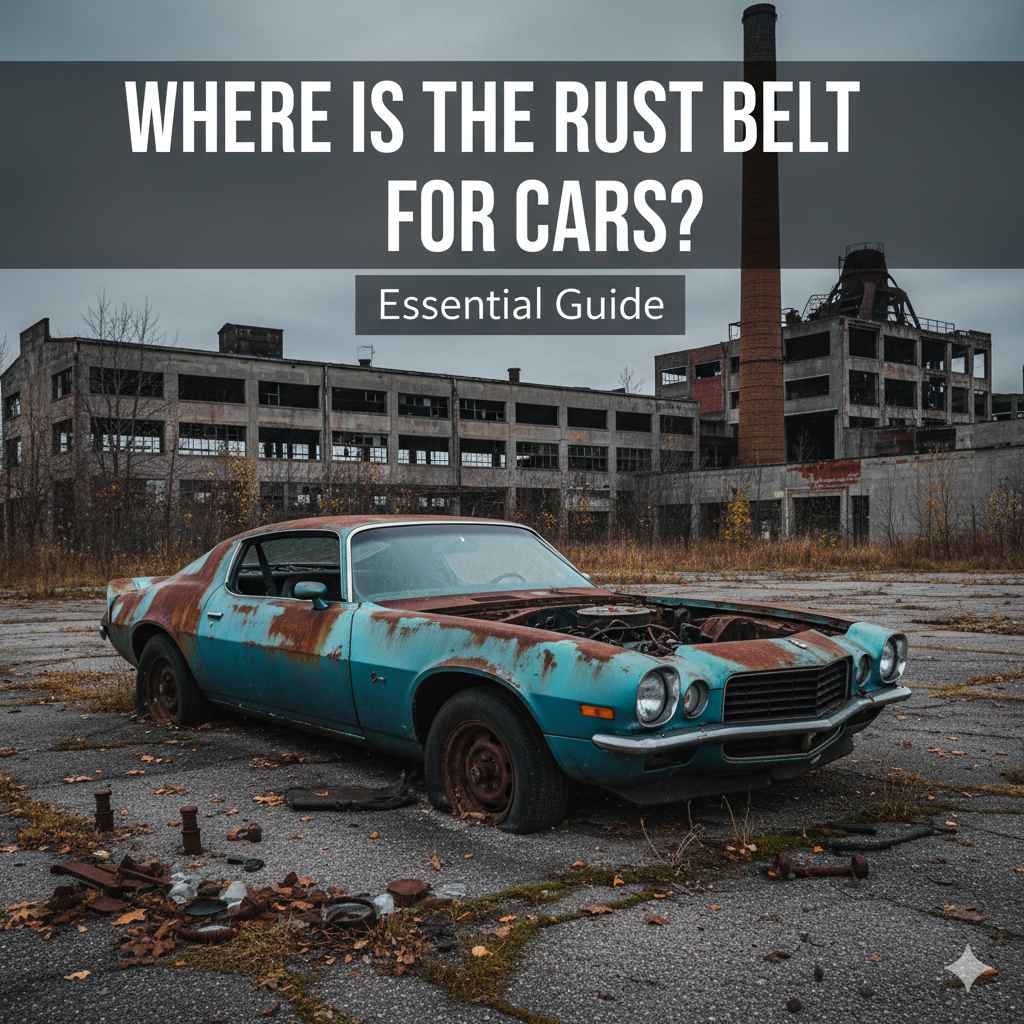
Where Is The Rust Belt For Cars: **Essential** Guide
Worried about car rust? The “rust belt” for cars refers to areas where moisture and road salt cause vehicles to corrode faster, primarily in northern states with harsh winters. Understanding these areas helps you choose your next used car wisely and take extra steps to protect your current vehicle.
Hey everyone, Md Meraj here! If you’ve ever looked at a car and noticed patches of flaky, reddish-brown damage, you’ve seen rust. It’s a car owner’s nightmare, especially if you live in certain parts of the country. But what exactly is the “rust belt” for cars, and why should you care? It’s not a physical belt, but a really common issue tied to location. We’ll break down what it means, where it’s most likely to happen, and how you can spot it – or even prevent it. Let’s get your car looking (and staying!) its best.
Understanding the “Rust Belt” for Cars
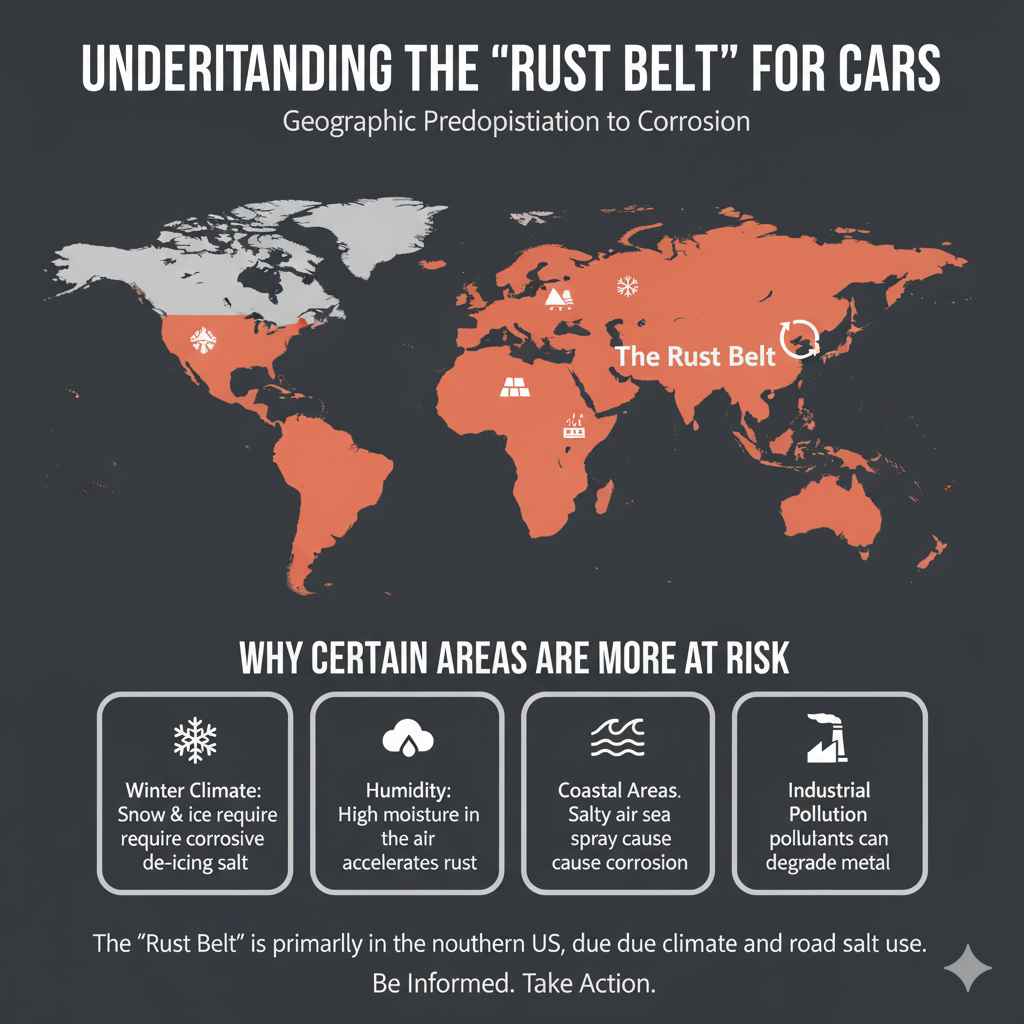
When we talk about the “rust belt” for cars, we’re referring to geographic regions where vehicles are more prone to developing rust. This happens because of a combination of factors, mainly related to climate and road maintenance practices during winter months. Think of it as a geographical predisposition to corrosion. It’s not about the car itself being faulty, but more about its environment.
The biggest culprits are moisture and salt. In areas that experience cold winters, road crews often spread salt (like sodium chloride) or other de-icing compounds on roads to melt snow and ice. While this keeps us safer on slick surfaces, this salt is highly corrosive to metal. When it mixes with water (from snowmelt or rain) and clings to your car’s undercarriage, wheel wells, and body panels, it starts the process of oxidation – which is rust.
Why Certain Areas Are More At Risk
- Winter Climate: The most significant factor is the presence of snow and ice, requiring de-icing agents.
- Humidity: High humidity levels, especially when combined with salt residue, accelerate rust formation.
- Coastal Areas: Salty air near the ocean can also contribute to corrosion, even without winter salt.
- Industrial Pollution: In some older industrial areas, airborne pollutants can also play a small role in accelerating metal degradation.
So, where is this problematic “rust belt” located for vehicles? It’s primarily concentrated in the northern half of the United States, historically associated with its manufacturing heritage, but also due to its climate.
The Classic “Rust Belt” States for Cars
While any car can develop rust under the right conditions, certain states have a well-earned reputation for being part of the automotive “rust belt.” These are generally the states that receive substantial snowfall and rely heavily on road salt during the winter. If you’re buying a used car, especially one that has lived its life in these areas, a thorough inspection for rust is absolutely essential.
Here’s a look at the states most commonly associated with the car rust problem:
Northeastern States
The Northeast is perhaps the most iconic region for rust issues. With long, cold winters and frequent snowstorms, road salt is a constant companion on the streets from November through March, sometimes even longer.
- New York
- Pennsylvania
- Massachusetts
- New Jersey
- Connecticut
- Rhode Island
- New Hampshire
- Vermont
- Maine
Midwestern States
The Midwest, particularly the Great Lakes region, also suffers from harsh winters and, consequently, significant rust concerns for vehicles.
- Michigan
- Ohio
- Illinois
- Indiana
- Wisconsin
- Minnesota
- Iowa
- Missouri
- Kentucky (especially northern parts)
Other High-Risk Areas
Beyond the core Northeast and Midwest, other areas experience similar winter conditions that contribute to rust:
- West Virginia
- Areas of the northern Great Plains like North Dakota and South Dakota
- Parts of the Rocky Mountain states that see heavy snow and de-icing treatments
It’s important to remember that even within these states, some areas might be worse than others. Cities that receive more salt, or areas with poor drainage that leave moisture sitting on cars longer, can exacerbate the problem.
Beyond Winter: Other Factors Contributing to Rust
While winter road salt is the main villain, it’s not the only factor that can lead to a rusty car. Understanding these other contributors can help you assess a vehicle’s condition, regardless of where it came from.
Humidity and Moisture
Constant exposure to high humidity can promote rust, especially if there are already paint chips or scratches where water can penetrate to the bare metal. Areas with frequent rain, fog, or near large bodies of water can see increased rust.
Coastal Environments
The salty air in coastal regions is corrosive. Tiny salt particles carried by the wind can settle on your car and begin the rusting process, even if the car rarely sees winter salt.
Poor Maintenance and Neglect
This is a big one! If a car isn’t washed regularly, especially the undercarriage, salt and corrosive materials can sit and eat away at the metal. Small paint chips or scratches that aren’t addressed will quickly turn into rust spots.
Garage Storage vs. Outdoor Parking
While outdoor parking exposes a car to the elements year-round, a poorly ventilated garage can sometimes trap moisture, leading to condensation and rust, especially if the car is parked dirty or wet.
Type of Vehicle and Paint Protection
Older cars may have had less robust rustproofing treatments than modern vehicles. Some manufacturers offer better corrosion warranties than others. The quality of the paint and any aftermarket coatings can also play a role.
Signs of Rust on a Car: What to Look For
Spotting rust early is key to preventing it from spreading and causing major damage. Rust doesn’t just look bad; it weakens the structural integrity of your car. Here’s what to keep an eye out for:
Common Rust Spots to Inspect
- Wheel Wells: The areas around your tires, especially the inside lip of the fender, are prime spots for rust due to road spray.
- Rocker Panels: These are the panels between the front and rear wheels, just below the doors. They often trap moisture and salt.
- Door Bottoms: Water can collect and sit at the bottom edge of car doors.
- Around Windows and Windshield: The seals can fail, allowing water to seep in and rust to form on the frame.
- Hood and Trunk Edges: Look for bubbling paint or flaky metal along the hood and trunk lid edges.
- Frame and Undercarriage: This is crucial. Get down and look underneath if possible. Significant rust on the frame or suspension components is a serious safety concern.
- Brake Lines and Fuel Lines: Visible rust on these critical components can be extremely dangerous and require immediate attention.
How to Identify Different Stages of Rust
Rust isn’t always a gaping hole. It progresses through stages:
- Surface Rust: This is a reddish-brown discoloration on the paint or chrome. It’s usually only on the surface and can often be polished or buffed out.
- Bubbling Paint: If you see paint bubbling up from the metal surface, it means rust is forming underneath. The paint is lifting because the rust is expanding.
- Perforation Rust: This is when the metal has rusted all the way through, creating holes. This is the most serious stage. You might see flaky, crumbly metal.
Tools for Inspection
You don’t need to be a mechanic to do a basic inspection. A good flashlight is your best friend. For used car purchases, sometimes a small magnet can help identify areas that have been body-filled (rust-free filler won’t attract a magnet as strongly as bare metal). Wear gloves if you’re getting under the car or into dirty areas.
Buying a Used Car: Navigating the “Rust Belt”
If you’re shopping for a used car, especially from a region known for rust, being vigilant is paramount. A car can look great on the outside but have serious structural issues lurking beneath.
Pre-Purchase Inspection (PPI) is Key
Always get a pre-purchase inspection from an independent mechanic you trust before you buy. They have the experience and tools to spot hidden rust and other problems. This is one of the most important steps in buying a used car, especially if it’s from a high-risk area.
What to Look for During Your Own Inspection
Even before the mechanic sees it, you can do your homework:
- Check the obvious spots: Go through the list of common rust areas mentioned earlier.
- Look underneath: If you can safely get the car on ramps or a lift, inspect the frame rails, floor pans, and suspension components. Light surface rust on the frame isn’t always a deal-breaker, but deep pitting or holes are serious.
- Inspect door bottoms, fender lips, and rocker panels carefully.
- Open and close doors, hood, and trunk: Check for stiffness or unusual noises that might indicate rust issues around the hinges or latches.
- Examine the exhaust system: While it’s meant to withstand heat, a heavily rusted exhaust can be a sign of a generally neglected car.
- Look for mismatched paint or signs of body filler, which can hide previous rust repair.
Using Online Resources
When you get the VIN (Vehicle Identification Number) of a car you’re interested in, you can run a vehicle history report. Services like CarFax or AutoCheck can sometimes indicate if a car has lived in a region prone to rust, or if it has had flood damage (which is also terrible for rust). Also, check websites from organizations like the National Highway Traffic Safety Administration (NHTSA) for general vehicle safety information and recall data, which can inform your inspection process.
| Inspection Area | What to Look For | Severity of Concern |
|---|---|---|
| Frame Rails | Deep pitting, holes, flaking metal, especially on I-beams. | High: Structural integrity is compromised. |
| Floor Pans | Holes, significant rust, especially around seat mounting points. | High: Affects cabin integrity and safety. |
| Rocker Panels | Bubbling paint, holes, flaky metal. | Medium to High: Can lead to door issues; structural. |
| Wheel Wells | Flaking metal, holes, especially on inner lip. | Medium: Common, but can spread to body. |
| Door Bottoms | Rust spots, flaking paint, holes. | Medium: Annoying, can affect door function. |
| Brake/Fuel Lines | Heavy corrosion, pitting. | Critical: Safety hazard, requires immediate replacement. |
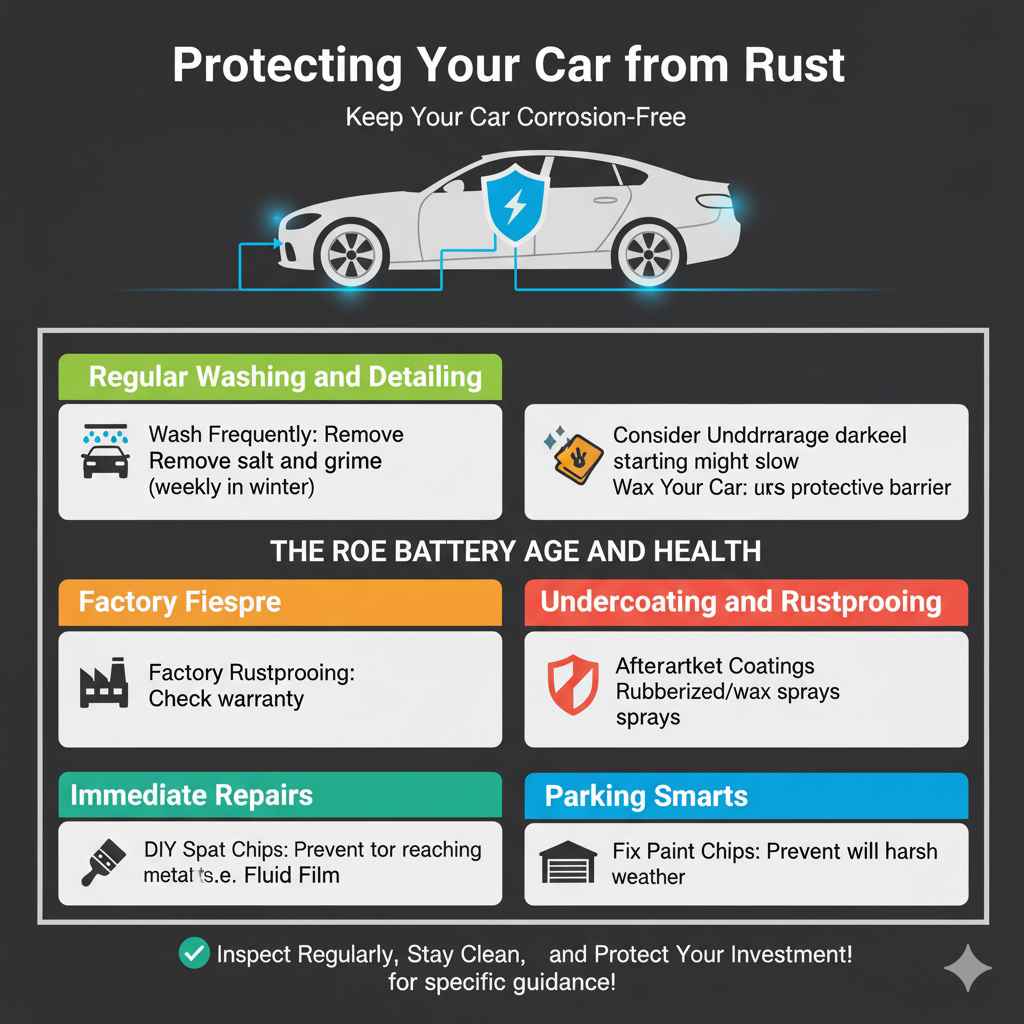
Protecting Your Car from Rust
Whether you live in a rust-prone area or not, taking preventative measures can significantly extend the life and appearance of your vehicle.
Regular Washing and Detailing
- Wash frequently: Aim to wash your car at least once a month, and much more often in winter (weekly if possible) to remove salt.
- Focus on the undercarriage: Pay special attention to washing the underside of your car. Many car washes offer an undercarriage spray option.
- Clean wheel wells and door jambs: These areas trap a lot of dirt and salt.
- Wax your car: A good coat of wax provides a protective barrier against the elements.
Undercoating and Rustproofing
Several options are available to add extra protection:
- Factory Rustproofing: Modern cars often come with good factory rustproofing. Check your vehicle’s warranty details.
- Aftermarket Undercoating: Professional application of specialized coatings (like various rubberized or wax-based sprays) can shield the undercarriage. These need periodic reapplication.
- Electronic Rust Inhibitors: These devices claim to use electrical currents to prevent rust. Their effectiveness is debated, and many automotive experts consider them unproven. The American Society for Testing and Materials (ASTM) has publication standards related to corrosion testing, but widespread independent endorsement of these specific devices is scarce.
- DIY Rustproofing Sprays: You can buy cans of rustproofing spray for touch-ups in vulnerable areas, though professional undercoating generally offers more comprehensive protection.
For DIYers, products from brands like Fluid Film are popular for their long-lasting, lanolin-based protection that can be applied to various car parts, including the undercarriage, and are known for their ability to creep into seams and crevices.
Immediate Repairs
Don’t ignore paint chips or scratches. Even small ones can allow moisture to reach the metal. Touch them up as soon as you notice them.
Parking Smarts
If possible, park in a garage or under a carport, especially during harsh weather. This keeps your car out of the direct path of snow, ice, and rain.
Conclusion
Understanding “where the rust belt is for cars” isn’t about avoiding certain states; it’s about being informed. Whether you’re buying a used car or looking to protect the one you have, knowing the risks and taking preventative steps makes a huge difference. Those northern states with harsh winters are indeed the historical “rust belt,” but moisture, salt, and time can turn any car into a rusty mess if not cared for properly.
By performing regular inspections, keeping your car clean, addressing minor damage promptly, and perhaps investing in extra protection, you can keep your vehicle looking great and running safely for years to come. Happy driving, and stay rust-free!
Frequently Asked Questions (FAQs)
What is the primary reason cars rust more in certain areas?
The main reason is the extensive use of road salt during winter months to melt snow and ice. This salt is highly corrosive and, when mixed with moisture, accelerates the rusting process on a car’s metal components.
Are modern cars still susceptible to rust?
Yes, but generally much less so than older vehicles. Modern cars benefit from better design, stronger materials, and more advanced rustproofing treatments from the factory. However, they are still vulnerable to road salt and harsh conditions.
How can I tell if a used car has rust damage that is a safety concern?
Look for rust on critical structural components like the frame rails, floor pans, and suspension parts. Significant pitting, flaking, or holes in these areas are serious safety concerns and can compromise the car’s integrity.
What is the best way to prevent rust on my car?
Regularly washing your car, especially the undercarriage, to remove salt and grime is crucial. Applying a coat of wax and promptly repairing any paint chips or scratches also provides essential protection.
Should I buy a car that has some rust on it?
It depends on the extent and location of the rust. Minor surface rust on non-structural parts might be manageable with repair. However, if there is significant rust on the frame, body panels, or critical mechanical components, it’s often best to walk away, especially if you’re not prepared for costly repairs.
If I live in a non-rust-prone area, do I still need to worry about rust?
While the risk is lower, it’s not zero. Humidity, coastal air, and even minor road treatments in some areas can still contribute to rust over time. Regular washing and a good protective coating are always beneficial.