Where is the Transmission Located in a Car: Ultimate Guide Revealed
Have you ever wondered where the transmission is located in your car? Knowing this simple fact can help you understand how your vehicle works and even save you money on repairs.
The transmission plays a key role in moving your car smoothly, but it’s often hidden from view. You’ll discover exactly where the transmission sits and why its position matters. Keep reading, and you’ll gain a clearer picture of your car’s heart that keeps it moving forward.
Transmission Basics
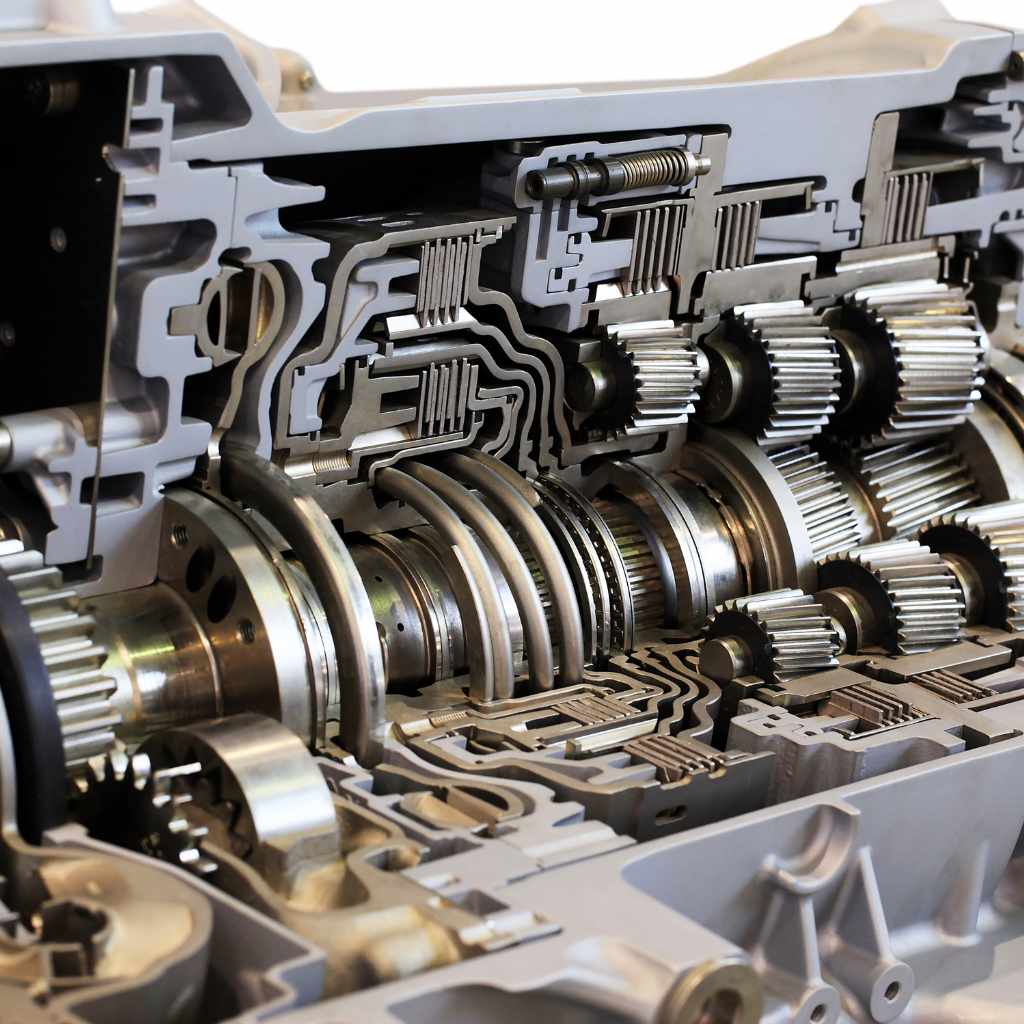
The transmission is a key part of a car’s drivetrain. It controls how power moves from the engine to the wheels. The transmission helps the car change speeds smoothly. It also makes sure the engine runs at the right speed. Understanding the basics of transmission helps you know more about your car’s function and maintenance.
Types Of Car Transmissions
There are two main types of transmissions. The first is manual transmission. It uses a clutch and gear stick to change gears. The driver must shift gears by hand. The second type is automatic transmission. It changes gears on its own. The driver only needs to use the gas and brake pedals. Each type has its own benefits and uses.
Role Of The Transmission
The transmission’s role is to match engine speed with wheel speed. It helps the car move at different speeds safely. It also increases fuel efficiency by keeping the engine in its best range. The transmission transfers power from the engine to the wheels. It makes driving smoother and protects the engine from damage.
Common Transmission Locations
The transmission in a car is a key part that moves power from the engine to the wheels. Its location changes based on the type of drive system the car uses. Understanding where the transmission is helps with repairs and maintenance.
This section explains common transmission locations in different drive layouts. Each layout has a unique setup. Knowing these can help you identify parts under the hood or beneath the car.
Front-wheel Drive Layout
In front-wheel drive cars, the transmission is usually placed next to the engine. Both engine and transmission share the same housing. This setup saves space and reduces weight.
The transmission sends power directly to the front wheels. It sits transversely, meaning sideways. This design fits well in small and mid-sized cars.
Rear-wheel Drive Layout
Rear-wheel drive cars often have the transmission behind the engine. It connects to a driveshaft that runs to the back wheels. This layout offers better balance and handling.
The transmission is mounted longitudinally, or front to back. You can find it between the engine and the rear axle. Trucks and sports cars commonly use this system.
All-wheel Drive Layout
All-wheel drive cars combine features from both layouts. The transmission is near the engine but includes extra parts. These parts send power to both front and rear wheels.
There is often a transfer case attached to the transmission. This case splits power between axles. It allows the car to drive on all wheels for better traction.
Manual Vs Automatic Transmission Placement
Manual and automatic transmissions differ in how they connect with the car’s engine and wheels. This affects where each transmission sits inside the vehicle. Understanding these positions helps explain why cars handle and feel different while driving.
Manual Transmission Positioning
Manual transmissions are usually placed directly behind the engine. They connect to the engine’s flywheel with a clutch. This setup allows the driver to change gears by hand. The transmission sits low and close to the engine to keep the drive shaft short. This positioning helps the driver control the power smoothly.
Automatic Transmission Positioning
Automatic transmissions also sit behind the engine but are often larger. They include a torque converter instead of a clutch. This means they need more space and cooling. Automatic transmissions can be placed slightly lower or further back in the car. This helps balance the vehicle and improve ride comfort.
Identifying The Transmission In Your Car
Understanding the location of the transmission in your car helps with basic maintenance and quick checks. The transmission connects the engine to the wheels. It controls the car’s speed and power. Identifying it is easier than many think. This section guides you through simple steps to find the transmission.
Visual Clues Under The Hood
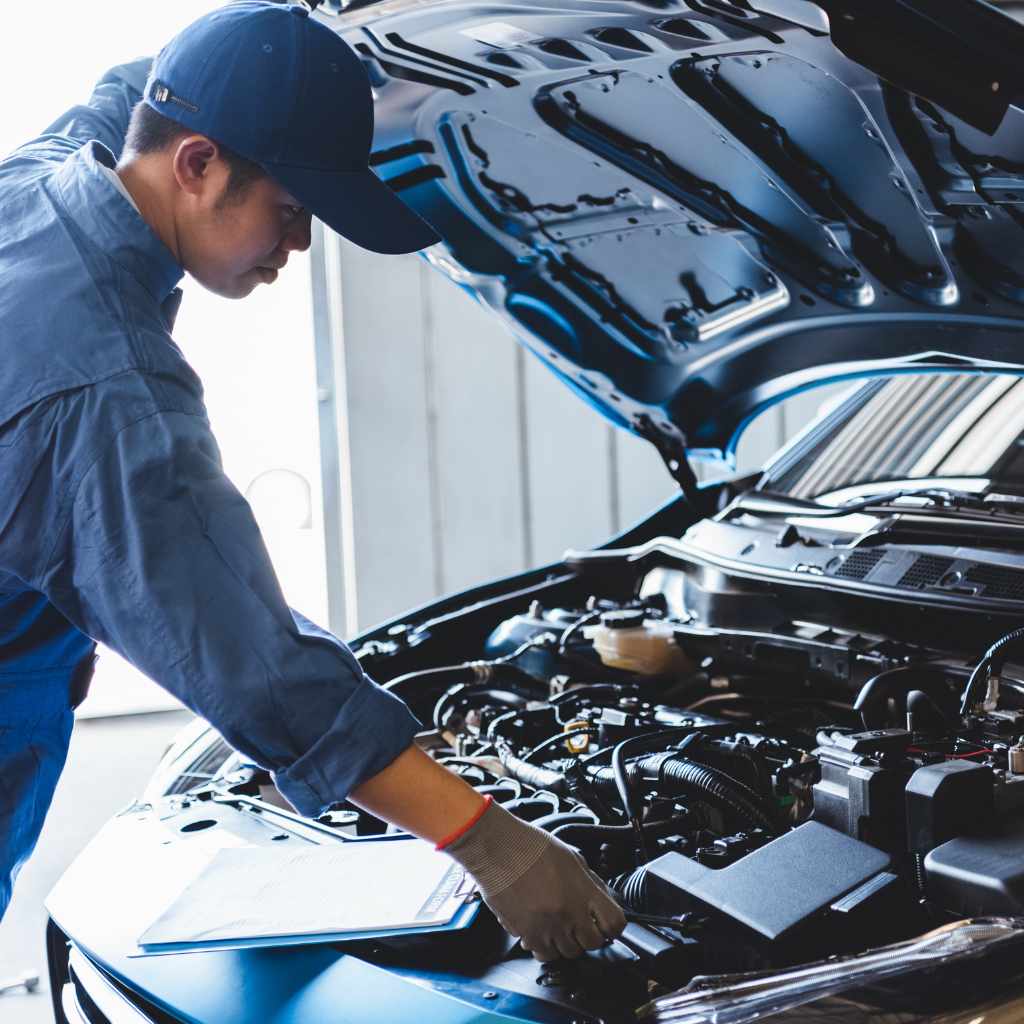
Open the car’s hood and look near the engine. The transmission usually sits close to the engine’s rear. It looks like a large metal box. Often, it has several bolts and a fluid dipstick. Transmission fluid is usually red or pink. You may see cables or linkages attached to it. These parts help change gears while driving.
Signs From The Car’s Undercarriage
Check under the car for the transmission case. It connects the engine to the driveshaft or axles. The shape is different from the engine’s block. It is often lower and towards the middle of the car. You may notice a fluid pan or drain plug underneath. These help with transmission fluid changes. The transmission is heavier and bulkier than other parts nearby.
Transmission And Engine Connection
The connection between the transmission and engine is vital in a car. It allows power from the engine to move the wheels. This connection must be strong and precise for smooth driving. Understanding where and how they connect helps in car maintenance and repair.
Bell Housing Location
The bell housing is a metal cover. It sits between the engine and the transmission. Its shape looks like a bell, hence the name. The bell housing protects the clutch or torque converter inside. It also holds the starter motor that starts the engine. This part is fixed to the engine block on one side. The transmission bolts to the other side of the bell housing.
Clutch And Torque Converter Placement
Inside the bell housing, the clutch or torque converter is placed. Cars with manual transmissions have a clutch. It connects and disconnects the engine power to the transmission. Automatic cars use a torque converter instead. This device transfers power smoothly without manual effort. Both parts help shift gears and control power flow. They are crucial for vehicle movement and performance.
Transmission Maintenance Tips
Taking care of your car’s transmission helps it last longer and work better. Regular maintenance keeps your drive smooth and prevents costly repairs. Small checks today save big problems tomorrow.
Checking Transmission Fluid
Transmission fluid keeps the parts inside cool and moving smoothly. Check the fluid level often, especially before long trips. Use the dipstick under the hood to see the fluid level. The fluid should be clear and red, not dark or dirty.
Low or dirty fluid can cause slipping or rough shifts. Top it up or change it if needed. Always use the fluid type your car’s manual recommends. Clean fluid helps your transmission work well and last longer.
Common Transmission Problems
Watch for signs like delayed gear changes or strange noises. These can mean transmission trouble. Another sign is your car slipping out of gear or not moving smoothly. Leaks under the car may also show fluid problems.
Early detection stops small issues from becoming big repairs. Pay attention to how your car shifts gears and sounds. Regular checks and quick fixes keep your transmission healthy and your car driving safe.
Frequently Asked Questions
Where Is The Car Transmission Usually Located?
The transmission is typically found between the engine and the drive shaft. In front-wheel-drive cars, it sits under the engine. In rear-wheel-drive cars, it is placed behind the engine, connected to the driveshaft.
How Can I Identify The Transmission In My Car?
Look for a large metal casing connected to the engine. It has input and output shafts. The transmission often has a fluid fill plug or dipstick near it for maintenance.
Does The Transmission Location Affect Car Performance?
Yes, the transmission’s location impacts weight distribution and drivability. Front-wheel-drive cars have transmissions near the front, improving space efficiency. Rear-wheel-drive cars have it centrally, enhancing balance and handling.
Can Transmission Location Vary By Car Type?
Yes, transmission placement varies based on drive type and design. Front-wheel-drive cars have it integrated with the engine. Rear-wheel and all-wheel-drive vehicles have it positioned along the drivetrain differently.
Conclusion
The transmission sits between the engine and the wheels. It helps the car change gears smoothly. Knowing its location helps with basic car care. It also makes it easier to explain problems to a mechanic. Understanding this part keeps your car running well.
Remember, regular checks can prevent costly repairs later. Keep your car’s transmission clean and well maintained. This simple knowledge improves your driving experience and safety.