Where To Put Water In A Car And What Type You Need
When your car needs fluid, it’s usually not just plain water. The cooling system needs a special mix. Other systems also use specific fluids.
Knowing where to put them and what kind to use is key to keeping your car running well and safely.
Understanding Your Car’s Fluid Needs
Cars have several systems that need fluids. Each system has a special job. And each system needs a specific type of liquid.
Putting the wrong fluid in can cause big problems. It can damage parts. It can also make your car unsafe to drive.
The most common place people think about adding “water” is the cooling system. This system keeps your engine from getting too hot. Overheating can cause severe engine damage.
It’s a serious issue. Other areas you might check include the windshield washer fluid reservoir and the brake fluid reservoir.
Knowing the difference is important. It saves you time and money. It also keeps you safer on the road.
Let’s break down where each fluid goes.
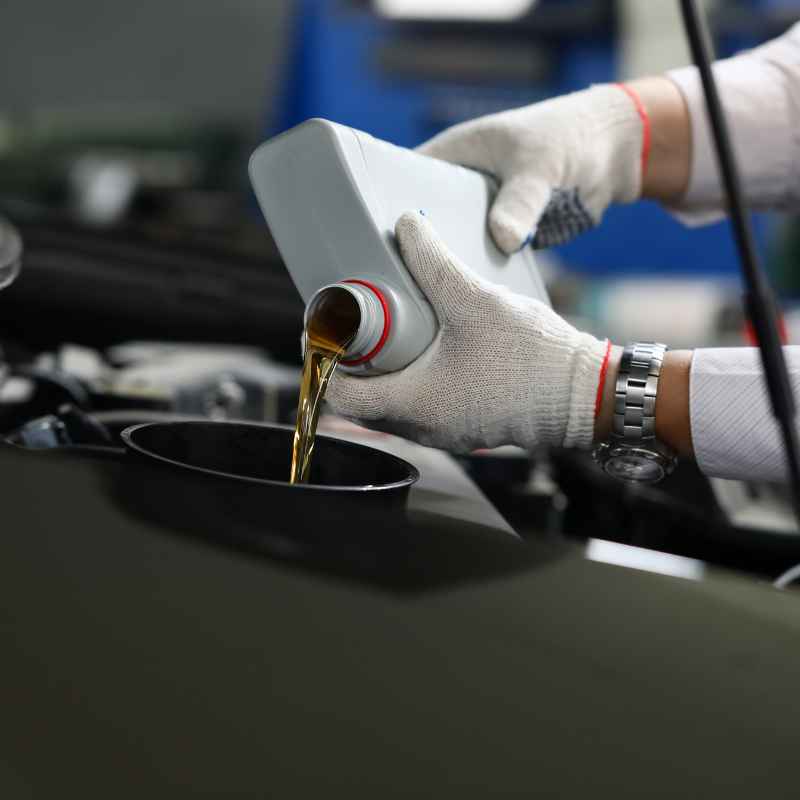
The Cooling System: Keeping Your Engine Cool
Your car’s engine creates a lot of heat when it runs. This heat can damage the engine if not managed. The cooling system’s job is to remove this extra heat.
It uses a special mixture of coolant and water. This mixture circulates through the engine.
The main part of the cooling system is the radiator. The hot coolant flows through the radiator. Air passes over the radiator’s fins.
This cools the coolant down. Then, the cooler coolant flows back into the engine. This cycle keeps the engine at a safe temperature.
There are a few key parts in the cooling system to know about.
The Radiator and Coolant Reservoir
The radiator is usually at the front of your car. It’s a metal grid. You can often see it through the car’s grille.
It has tubes and fins. This is where the heat escapes into the air.
Next to the radiator, or sometimes mounted elsewhere under the hood, you’ll find the coolant reservoir. This is a translucent plastic tank. It has “MIN” and “MAX” lines on the side.
This tank holds extra coolant. It allows for expansion when the engine gets hot.
You should check the coolant level when the engine is cold. Never open the radiator cap when the engine is hot. The system is under pressure.
Hot coolant can spray out. This can cause severe burns.
To add coolant, you usually add it to the reservoir. The reservoir is connected to the radiator. When the coolant cools, it gets pulled from the reservoir into the radiator.
If the level is low, the reservoir is the easiest place to add more.
What Type of Fluid for the Cooling System?
This is where many people make a mistake. They think any water will do. But that’s not true.
The liquid in your cooling system is called coolant or antifreeze. It’s not just water.
Coolant is a mix of ethylene glycol or propylene glycol and distilled water. This mix has two main jobs. First, it prevents the water from freezing in cold weather.
Water expands when it freezes. This can crack engine blocks and radiators. Second, it raises the boiling point of the water.
This helps prevent overheating in hot weather and under heavy load.
Always use a 50/50 mix of coolant and distilled water. Most auto parts stores sell pre-mixed coolant. This is the easiest option. You can also buy concentrated coolant and mix it with distilled water yourself.
Never use tap water. Tap water has minerals. These minerals can cause rust and build-up in the cooling system.
This can block tubes and hurt performance.
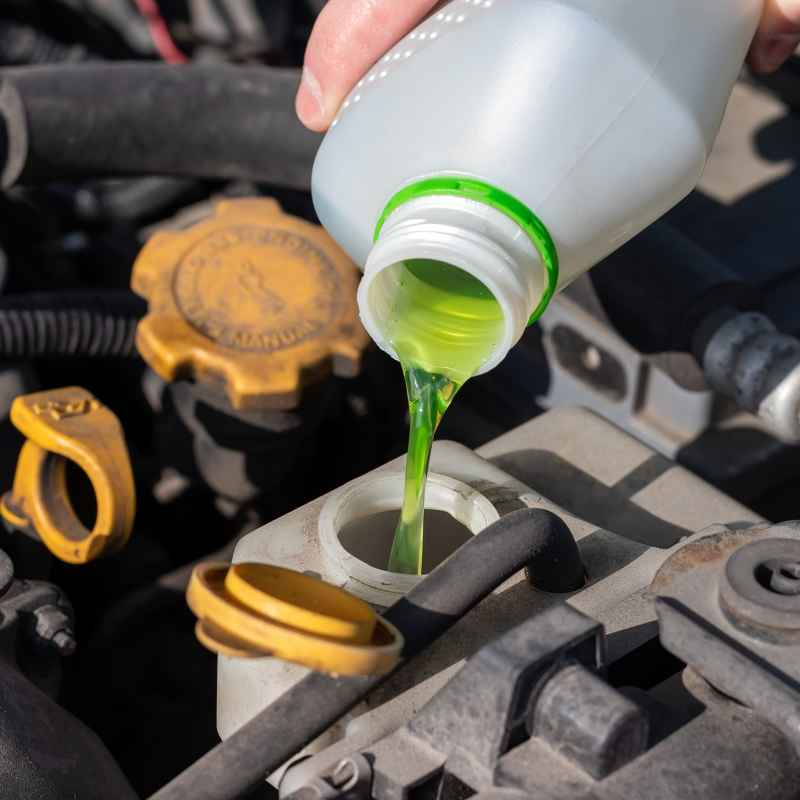
There are different colors of coolant. These colors often indicate different formulations. A common color is green.
Others are orange, pink, or yellow. It’s best to use the type recommended by your car’s manufacturer. Check your owner’s manual. If you’re unsure, stick to a universal coolant.
But be aware that “universal” doesn’t always mean it’s right for every car. Mixing different types of coolant can cause them to break down. This can create a gel-like substance.
This gel can clog your system.
So, the answer to “where to put water” in the cooling system is: in the coolant reservoir, and it should be a 50/50 mix of coolant and distilled water, not just plain water.
Coolant vs. Water: Why It Matters
Myth: I can just top off my radiator with plain water.
Reality: Plain water offers no freeze protection. It also boils at a lower temperature than coolant. Using only water can lead to freezing damage in winter.
It can also cause overheating in summer.
Myth: All coolant types are the same.
Reality: Different coolant formulations exist for different car makes and models. Mixing incompatible coolants can cause serious clogs and damage.
Tip: Always check your owner’s manual for the correct coolant type and mix ratio. Distilled water is crucial for mixing.
Windshield Washer Fluid: Clear Visibility
Another common fluid reservoir you’ll see under the hood is for windshield washer fluid. This system sprays fluid onto your windshield. It helps you clean off dirt, bugs, and road grime.
Clear visibility is vital for safe driving.
The windshield washer fluid reservoir is typically a plastic tank. It often has a symbol of a windshield with spray. This symbol makes it easy to identify.
To add washer fluid, you simply open the cap and pour the fluid in. Make sure not to overfill it. Most reservoirs have a fill line.
What Type of Fluid for the Washer System?
This is much simpler than coolant. You can use:
- Commercial windshield washer fluid. This is readily available at auto parts stores and supermarkets. It’s designed for this purpose. It often contains cleaning agents and chemicals to prevent freezing in colder weather.
- A mix of distilled water and a small amount of dish soap. This can work in warmer climates. However, it won’t provide freeze protection. It might also leave streaks if you use too much soap.
- In a pinch, plain water. This is okay for very temporary use in warm weather. But it won’t clean effectively and offers no protection against freezing.
Avoid using regular tap water, especially in freezing temperatures. It will freeze and can damage the pump and lines. Also, avoid using straight automotive antifreeze here. It’s too harsh and can damage paint and rubber.
It’s also not designed for cleaning.
The best practice is to use a dedicated windshield washer fluid. Choose one appropriate for your climate. In winter, get a fluid rated for low temperatures.
This will prevent the fluid from freezing in the reservoir or on your windshield.
Washer Fluid Quick Facts
Location: Usually a translucent tank with a windshield/spray icon.
Purpose: Cleans windshield for visibility.
Best Fluid: Dedicated windshield washer fluid (check for freeze rating).
Don’t Use: Tap water (can freeze), regular antifreeze (damaging), plain water (no cleaning/freeze protection).
Brake Fluid: Essential for Stopping
The brake fluid reservoir is another critical component under the hood. Your brakes work by hydraulic pressure. When you press the brake pedal, you push fluid through lines.
This fluid then activates the brakes at the wheels.
The brake fluid reservoir is usually a small, opaque plastic container. It’s often located near the master cylinder. It will have a symbol that looks like a circle with an exclamation mark inside or simply the word “BRAKE.”
Brake fluid is designed to be incompressible. This means it doesn’t compress easily. This allows the force from your foot on the pedal to transfer efficiently to the brakes.
Brake fluid also has a high boiling point. This is important because braking generates a lot of heat.
You typically don’t need to add brake fluid often. The level should stay consistent unless there’s a leak. If the brake fluid level is low, it can indicate a problem, such as worn brake pads or a leak in the brake system.
Low brake fluid is a serious safety concern. It can mean your brakes won’t work correctly.
If you need to add brake fluid, do so carefully. Open the cap and pour the correct type of fluid in. Be careful not to spill any on painted surfaces.
Brake fluid can damage paint.
What Type of Fluid for Brakes?
Brake fluid is not water. It’s a specialized hydraulic fluid. There are different types of brake fluid.
The most common are DOT 3, DOT 4, and DOT 5.1. DOT 5 is silicone-based and not compatible with other types.
Always check your owner’s manual for the specific type of brake fluid your car requires. Mixing different types can damage your brake system. DOT 3 and DOT 4 are glycol-based. They are hygroscopic, meaning they absorb moisture from the air over time.
This lowers their boiling point. This is why brake fluid needs to be flushed and replaced periodically.
Never use just water in your brake system. Water lowers the boiling point significantly. It can also cause corrosion inside the brake lines and components.
Brake Fluid Do’s and Don’ts
Do: Check your owner’s manual for the correct DOT type.
Do: Add fluid carefully to the reservoir to avoid spills.
Do: Consider flushing and replacing brake fluid as recommended by your mechanic.
Don’t: Use plain water.
Don’t: Mix different DOT types unless specified as compatible.
Don’t: Ignore a low brake fluid level; it’s a safety issue.
Power Steering Fluid: Easy Steering
Some cars have power steering. This system helps you turn the steering wheel easily. It uses hydraulic fluid to do this.
Older cars may not have power steering, or they might have electric power steering, which doesn’t use fluid.
The power steering fluid reservoir is another tank under the hood. It might be labeled “POWER STEERING FLUID.” Sometimes it’s a smaller tank. It can be harder to locate on some models.
If your car has hydraulic power steering, the fluid level is important. Low fluid can cause the steering to become stiff or noisy. You might hear a whining sound when you turn the wheel.
What Type of Fluid for Power Steering?
Similar to brake fluid, power steering fluid is a specialized hydraulic fluid. It is NOT water. There are different types, and using the wrong one can cause damage to the power steering pump and seals.
Check your owner’s manual. Some cars use a specific power steering fluid. Others may recommend a type of automatic transmission fluid (ATF). Some even use generic hydraulic fluid.
Never use just water in your power steering system. It will not provide the necessary lubrication and hydraulic pressure. It can cause the pump to fail.
If you need to top off your power steering fluid, use the exact type recommended. Many auto parts stores carry different types of power steering fluid. If your car uses ATF, use the specified type of ATF.
Automatic Transmission Fluid (ATF)
If your car has an automatic transmission, it uses a special fluid to operate. This fluid helps the transmission shift gears smoothly. It also cools and lubricates the transmission parts.
Checking automatic transmission fluid is a bit different. Many cars have a transmission dipstick. This dipstick usually has a red or yellow handle.
It’s often located near the back of the engine compartment.
Important Note: On many newer cars, the transmission fluid is not checked with a dipstick. Instead, it has a sealed filling port. Checking and changing this fluid requires special tools and knowledge.
It’s best left to a professional.
If your car does have a dipstick:
- Check the fluid when the engine is warm and running.
- Shift the transmission through all the gears slowly.
- Pull out the dipstick, wipe it clean, reinsert it fully, and pull it out again.
- Check the fluid level against the markings on the dipstick.
- Check the fluid’s condition. It should be reddish and smell slightly sweet. If it’s brown, burnt-smelling, or has particles in it, it needs to be changed.
What Type of Fluid for Automatic Transmissions?
Automatic Transmission Fluid (ATF) is very specific. It’s not water, and it’s not the same as power steering fluid or brake fluid. Different car manufacturers use different types of ATF.
Always consult your owner’s manual. Common types include DEXRON, MERCON, and various manufacturer-specific fluids. Using the wrong type can cause transmission damage, leading to expensive repairs.
If you need to add ATF, use the exact type recommended. Many vehicles require a specific Dexron or Mercon fluid, or a manufacturer-specific one like Honda DW-1 or Toyota WS. If the fluid is very low, there might be a leak.
It’s best to have a mechanic check for leaks.
ATF Check: A Quick Guide (If Dipstick Exists)
Engine: Warm and running.
Transmission: Cycle through gears, then leave in Park or Neutral (check manual).
Dipstick: Remove, wipe, reinsert, remove again.
Level: Should be between MIN and MAX marks.
Color/Smell: Reddish, slightly sweet smell is good. Brown or burnt is bad.
Warning: Many modern cars have sealed transmissions. Consult a professional for these.
Engine Oil: The Lifeblood of Your Engine
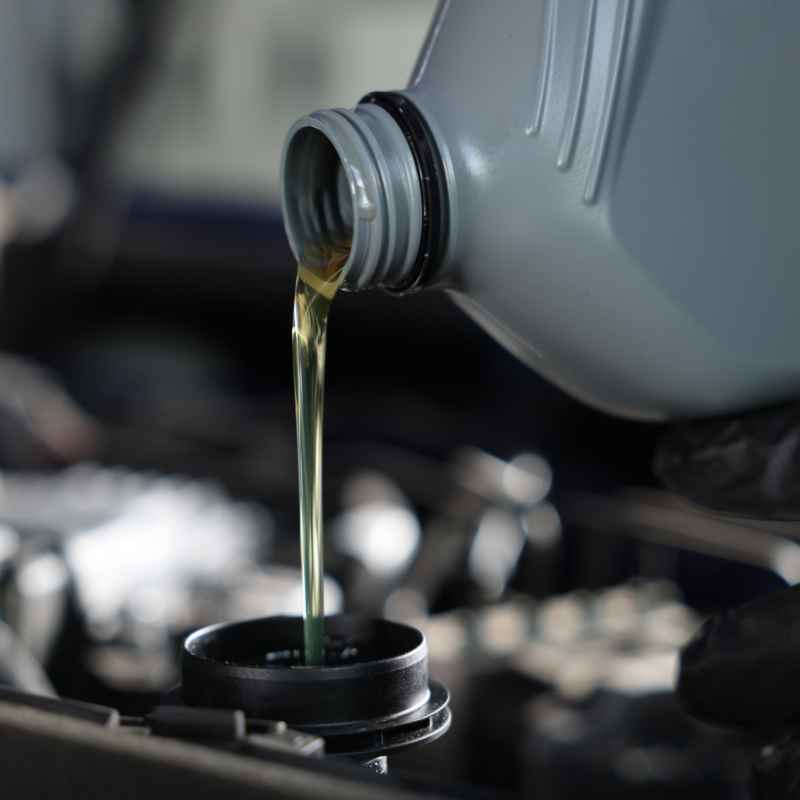
While not a fluid you’d typically “top up with water,” engine oil is crucial. It lubricates moving parts, reduces friction, and helps cool the engine. It also cleans engine components.
The engine oil dipstick is usually bright yellow or orange. It’s located on the engine. To check your oil:
- Park your car on a level surface.
- Turn off the engine. Wait a few minutes for the oil to settle.
- Pull out the dipstick, wipe it clean, and reinsert it fully.
- Pull it out again and check the oil level.
- The oil level should be between the “add” (or MIN) and “full” (or MAX) marks.
If the oil level is low, add the correct type of engine oil. This is very important. Using the wrong oil can harm your engine.
What Type of Oil Does My Car Need?
Engine oil is specified by its viscosity (e.g., 5W-30) and its API service category (e.g., API SP). Viscosity tells you how thick or thin the oil is. The API category tells you about its performance standards.
Always check your owner’s manual. It will specify the exact type of oil and the viscosity your car needs. Using the wrong viscosity can affect engine performance and fuel economy. It can also lead to premature wear.
Never use water as engine oil. It provides no lubrication and will cause catastrophic engine failure very quickly. Engine oil is a complex blend of base oils and additives designed for high temperatures and pressures.
Power Steering vs. Brake Fluid vs. Coolant: Key Differences
It’s easy to get these fluids confused. But they have very different jobs and chemical compositions.
Coolant (Antifreeze): Protects against freezing and boiling. It’s a mix of glycol and distilled water. Usually green, orange, pink, or yellow.
Found in the coolant reservoir.
Brake Fluid: Transmits hydraulic pressure to stop the car. It has a high boiling point. Types include DOT 3, DOT 4, DOT 5.1.
Found in the brake fluid reservoir.
Power Steering Fluid: Helps turn the steering wheel. It’s a hydraulic fluid, sometimes specific, sometimes ATF. Found in the power steering reservoir.
Automatic Transmission Fluid (ATF): Enables automatic gear changes. Lubricates and cools the transmission. Specific types vary by manufacturer.
Checked with a dipstick or sealed port.
Engine Oil: Lubricates the engine. Reduces friction and wear. Specified by viscosity and API rating.
Checked with an oil dipstick.
Fluid Comparison Table
| Fluid Type | Primary Location | Main Job | What NOT to Use | Key Identifier |
|---|---|---|---|---|
| Coolant | Coolant Reservoir | Engine Temperature Control | Tap Water, Plain Water | Color (Green, Orange, etc.) |
| Brake Fluid | Brake Fluid Reservoir | Stopping Power | Water, Any Other Fluid | Brake Symbol |
| Power Steering Fluid | Power Steering Reservoir | Easy Steering | Water, Wrong Fluid Type | “POWER STEERING” Label |
| Automatic Transmission Fluid (ATF) | Transmission Dipstick / Sealed Port | Gear Shifting | Water, Other Fluids | Dipstick Handle / Manual Spec |
| Engine Oil | Oil Dipstick | Engine Lubrication | Water, Wrong Oil Type | Oil Dipstick |
What Happens If You Put the Wrong Fluid In?
Mistakes happen. But putting the wrong fluid in a car system can be costly. Here’s a look at what can go wrong:
Cooling System Errors
If you put plain water in the cooling system, it won’t protect against freezing. In cold weather, it can crack your engine block. In hot weather, it may boil over and cause overheating.
This can lead to severe engine damage. Using the wrong type of coolant can cause gelling. This gelling can clog radiator tubes and heater cores.
Brake System Errors
Putting water or the wrong fluid in the brake system is extremely dangerous. Water contaminates the brake fluid. It lowers the boiling point drastically.
This can cause the fluid to boil during heavy braking. This leads to brake fade or complete loss of braking ability. It can also cause internal corrosion of brake lines and components.
Power Steering System Errors
Using the wrong fluid or water in the power steering can damage the pump. It can cause seals to fail. This leads to leaks.
The steering might become stiff, noisy, or even stop working.
Transmission Errors
Putting the wrong fluid in an automatic transmission is a recipe for disaster. The wrong fluid can cause the transmission to shift poorly. It can damage clutch packs.
It can lead to premature wear and eventual transmission failure. Repairing an automatic transmission is one of the most expensive car repairs.
When to Seek Professional Help
While checking and topping up some fluids is easy, some tasks are best left to experts. If you are ever unsure about a fluid type or level, it’s always best to consult your car’s owner’s manual or a trusted mechanic.
Here are some situations where you should definitely seek professional help:
- Low brake fluid: This indicates a serious safety issue that needs immediate inspection.
- Transmission fluid issues: Especially on modern cars with sealed transmissions.
- Any fluid leak: If you see puddles under your car, find out what they are and fix them.
- Overheating engine: Don’t ignore this. It can lead to very expensive repairs.
- Unusual noises or smells: These can be signs of fluid-related problems.
- When the owner’s manual is unclear: Some older cars or specialty vehicles have unique fluid requirements.
Mechanics have the right tools and knowledge. They can diagnose problems accurately. They can also ensure the correct fluids are used.
This protects your investment in your vehicle.
Frequent Questions About Car Fluids
Can I put just water in my radiator if it’s not freezing?
While you can technically put plain water in your radiator in warm weather, it’s not recommended for long-term use. Water lacks the anti-corrosion properties of coolant and has a lower boiling point. It’s best to use a 50/50 mix of coolant and distilled water for optimal engine protection.
What happens if I mix different colors of coolant?
Mixing different colors of coolant can be problematic because color doesn’t always guarantee compatibility. Different coolant formulations have different chemical inhibitors. Mixing them can cause the coolant to break down, form sludge, and clog your cooling system.
Always check your owner’s manual or use a universal coolant if unsure, but ideally stick to the specified type.
How often should I check my car’s fluids?
It’s a good habit to check your engine oil and coolant levels at least once a month. Also, check them before long road trips. Windshield washer fluid should be checked more often, as it gets used up.
Brake fluid and power steering fluid levels should be checked periodically, but they usually don’t need frequent topping up unless there’s a leak.
Is there a difference between antifreeze and coolant?
Antifreeze is a type of coolant. The term “antifreeze” refers to its ability to prevent water from freezing. “Coolant” is a more general term for the fluid that circulates through your engine to regulate temperature.
In practice, the terms are often used interchangeably. The important thing is the mixture of glycol and distilled water.
Can I use a universal brake fluid in my car?
It depends on your car. Most universal brake fluids are designed to be compatible with DOT 3 and DOT 4 systems. However, some high-performance vehicles or older cars might require a specific type.
Always check your owner’s manual to confirm the correct specification before using a universal fluid.
What does the “MIN” and “MAX” line on a fluid reservoir mean?
These lines indicate the safe operating range for the fluid. The “MIN” line shows the lowest acceptable level, often when the fluid is cold. The “MAX” line shows the highest acceptable level, usually when the fluid is hot and has expanded.
It’s important to keep the fluid level between these marks for proper system function and to prevent damage.
Final Thoughts
Understanding where to put fluids in your car is a vital part of car ownership. It’s not just about adding “water.” It’s about using the correct, specialized fluids for each system. These fluids ensure your car runs safely, efficiently, and lasts longer.
Always refer to your owner’s manual. It’s your best guide.
Products related to this article
Sponsored / affiliate links. As an Amazon Associate I earn from qualifying purchases. I may earn additional commission from eligible campaigns.