Do You Refill Coolant Tank When The Car Is Cold? Answered
Yes, it is generally recommended to refill your car’s coolant tank when the engine is cold. This is the safest and most accurate way to check the coolant level and add more if needed, preventing potential burns or engine damage.
Understanding Your Car’s Cooling System
Your car’s engine makes a lot of heat when it runs. This heat needs to go somewhere. That’s where the cooling system comes in.
It uses a special liquid called coolant, or antifreeze. This liquid flows through your engine. It picks up heat.
Then, it goes to the radiator. The radiator has fins. Air blows through the fins.
This cools the liquid down.
The cooled liquid then goes back into the engine. This cycle keeps your engine from getting too hot. A car engine that overheats can be very bad.
It can cause expensive damage. The cooling system needs to work right. This means it needs enough coolant.
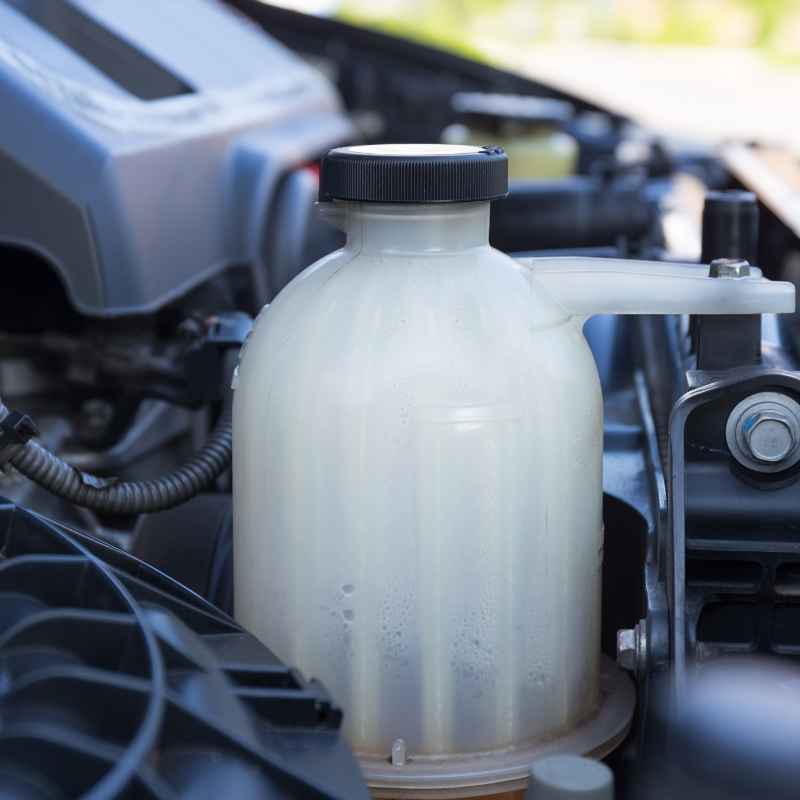
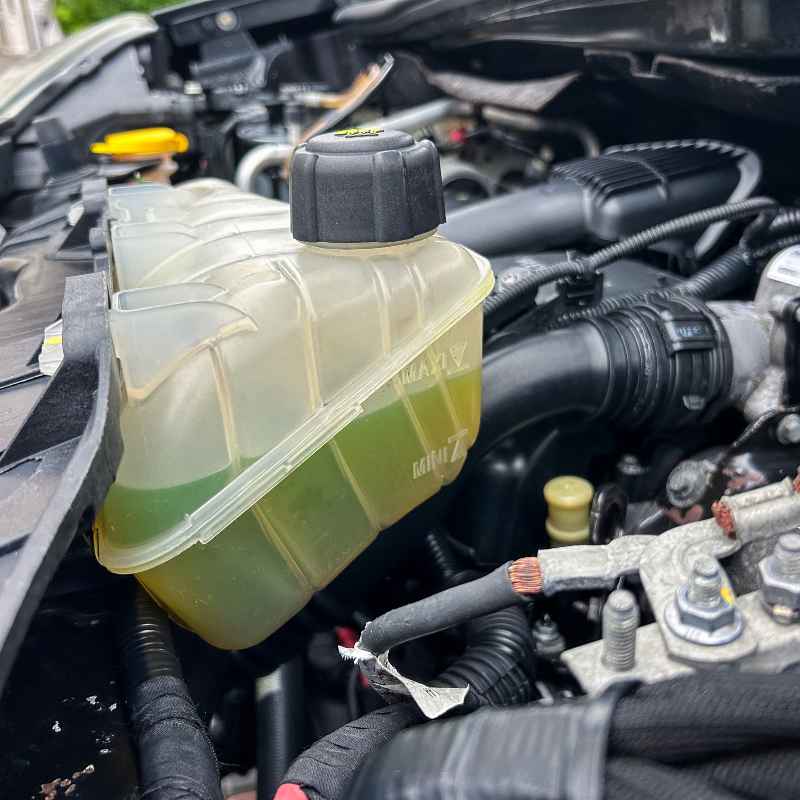
The coolant tank, often called the overflow tank or reservoir, is part of this system. It holds extra coolant. It also lets the system expand when hot.
When the engine cools, it pulls coolant back from the tank. This keeps the system full. It’s a clever design.
Coolant is a mix of antifreeze and water. The antifreeze stops the liquid from freezing in winter. It also stops it from boiling over in summer.
The water helps it flow and transfer heat. The ratio is usually about 50/50. Check your owner’s manual for what’s best for your car.
Why Checking When Cold Matters
Checking your coolant level when the engine is cold is super important. Think about what happens when an engine runs. It gets hot.
Very hot. When liquids get hot, they expand. So, the coolant inside your engine and hoses will expand.
This pushed some of the coolant into the overflow tank.
If you try to check the coolant level when the engine is still hot, the coolant is expanded. It might look like the level is full. You might even see it near the “MAX” line.
But then, when the engine cools down, the coolant shrinks. It goes back down. The level in the tank will drop.
If you only checked it when hot, you might miss that it’s actually low.
This is why the “cold engine” check is the real test. When the engine is cold, the coolant is not expanded. It’s at its normal, un-expanded state.
The level in the tank will show you the true, baseline amount of coolant in your system. If it’s below the “MIN” or “LOW” mark, you need to add more.
Also, touching hot engine parts is dangerous. The coolant itself can be scalding hot. If you open a hot radiator cap, pressurized steam can escape.
This can cause severe burns. Checking when cold makes it safe for you and gives you the right reading.
Personal Experience: The Time I Almost Burned Myself
I remember one sweltering summer day. My car’s temperature gauge was creeping up. It was a bit higher than usual.
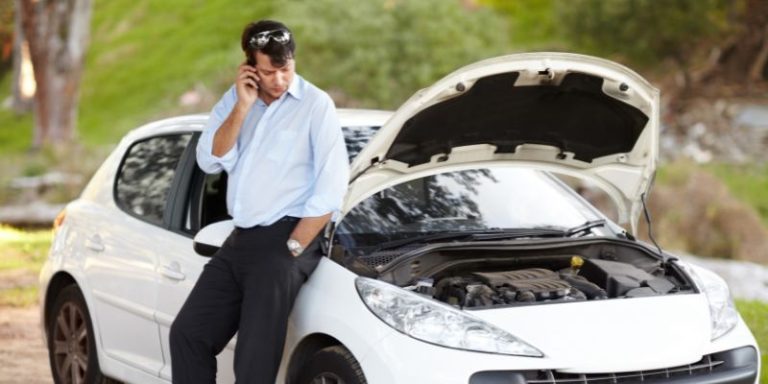
I pulled over to the side of the highway, heart pounding a little. I popped the hood. The engine looked okay.
I noticed the coolant tank was almost empty. Uh oh.
I grabbed a jug of coolant from my trunk. I was ready to pour some in. The engine was still pretty warm.
I figured it couldn’t hurt to top it off. I started to unscrew the radiator cap. Just as it clicked loose, I heard a hiss.
A puff of steam shot out! I yelped and jumped back. Luckily, I didn’t get burned, but it was a real scare.
That moment taught me a big lesson. Never open a hot radiator cap. And always, always check the coolant level when the engine is fully cold.
It’s not just about getting the right reading. It’s about staying safe. My mistake could have led to a nasty injury.
Now, I wait until the car has sat for a few hours before I even think about checking or adding coolant.
Coolant Level Check Steps
1. Park your car. Make sure it’s on a level surface.
2. Let it cool down. Wait at least 2-3 hours. Overnight is best.
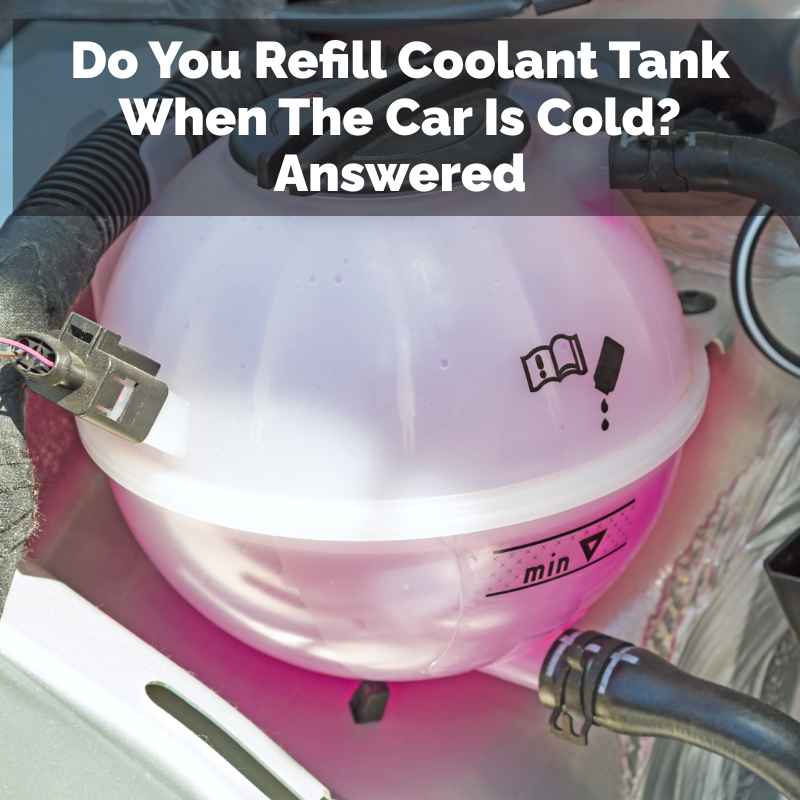
3. Locate the coolant tank. It’s usually a translucent plastic tank. Look for hoses going to it.
4. Find the MIN/LOW and MAX lines. These marks are on the tank.
5. Check the level. The coolant should be between the MIN and MAX lines.
6. If low, add coolant. Use the correct type for your car. Add slowly.
How Coolant Levels Change
Your car’s cooling system is a closed loop. This means it’s designed to keep the coolant inside. However, small amounts of coolant can be lost over time.
This can happen through tiny leaks. These leaks might be in hoses or seals. They can be so small you don’t see puddles under your car.
Evaporation can also play a small role. Even in a closed system, very small amounts of liquid can escape as vapor. This is normal over long periods.
Over many months or years, these tiny losses add up. That’s why checking your coolant level every few months is a good idea.
Another reason for low coolant is a bigger problem. This could be a leak in the radiator. Or it could be a leaky water pump.
Sometimes, the head gasket can fail. This lets coolant leak into the engine oil or exhaust. These are more serious issues.
They need professional repair.
If you’re constantly having to add coolant, don’t just keep topping it up. Get it checked by a mechanic. They can find the source of the leak.
A small leak now can prevent a big breakdown later. Always use the right type of coolant. Mixing types can cause problems.
When to Worry About Low Coolant
Constant Topping Up: If you add coolant often, there’s a leak.
Large Puddles: A big green or orange puddle under your car means a leak.
Sweet Smell: Leaking coolant has a sweet smell. You might smell it near the engine.
Engine Overheating: The temperature gauge climbing into the red zone is a warning.
Steam from Engine: This can mean coolant is leaking onto hot engine parts.
What Type of Coolant to Use
Using the correct type of coolant is vital. Cars use different kinds. They have different chemical properties.
These are designed to work with specific metals and seals in the engine. The most common types are green, orange, and pink. But colors can be misleading.
Not all green coolants are the same. Neither are all orange ones.
Your car’s owner’s manual is the best place to find this information. It will tell you exactly what kind of coolant your car needs. It might be a specific brand or a certain type, like OAT (Organic Acid Technology) or HOAT (Hybrid Organic Acid Technology).
Using the wrong coolant can cause corrosion. It can damage your cooling system. It can even cause engine parts to break down.
When you buy coolant, it often comes as a concentrate. This needs to be mixed with water. The usual mix is 50/50.
You can also buy pre-mixed coolant. This is already the right ratio. For most people, pre-mixed is easier and safer.
Just make sure to use distilled water if you’re mixing your own. Tap water has minerals. These can cause buildup in your cooling system.
If you’re not sure, ask your mechanic. They can tell you the right coolant. Or they can sell you a jug of the correct type.
Don’t guess. Getting this wrong can be costly.
Coolant Colors Explained (Mostly!)
- Green: Often traditional, older vehicles.
- Orange/Red: Common in many newer cars (e.g., some Fords, GM).
- Pink/Purple: Often long-life coolants (e.g., some European makes, Toyota).
- Yellow/Blue: Also used in some specific models.
Remember: Color is NOT a reliable indicator of type. Always check your owner’s manual!
The Role of the Radiator Cap
Many people forget about the radiator cap. It’s a small part. But it’s very important.
It’s not just a lid. It’s a pressure release valve. Your cooling system is designed to run under pressure.
This pressure raises the boiling point of the coolant. This lets the engine run hotter without boiling over.
The radiator cap has springs and seals. It keeps the system sealed. It also lets excess pressure escape.
If the pressure gets too high, the cap opens a little. It lets some coolant or steam into the overflow tank. When the system cools and pressure drops, the cap creates a vacuum.
This pulls coolant back from the overflow tank.
A damaged or worn-out radiator cap can cause problems. If it doesn’t seal properly, the system can’t build pressure. This can lead to boiling over.
If the spring is weak, it might release pressure too early. Or it might not seal again correctly. If it’s stuck closed, pressure can build up too much.
This could cause hoses to burst or the radiator to leak.
Checking the radiator cap is simple. Look for cracks in the rubber seals. Make sure the springs aren’t rusty or damaged.
If it looks old or worn, it’s a cheap part to replace. It’s a good idea to replace it every few years. Or when you do a coolant flush.
This is another simple step that helps keep your cooling system working.
What Does “Cold” Really Mean for Checking Coolant?
When we say “cold engine,” we mean truly cold. Your car’s engine has been sitting for a while. It’s at ambient temperature.
This means it’s the same temperature as the air outside. Think about parking your car overnight. By morning, it’s definitely cold.
Or if you park it at work and it sits all day.
If you just drove your car for a few minutes, the engine might still be warm. The coolant will be warmer too. It will have expanded.
So, even if you can touch the hood, the coolant inside might not be fully cold. The best practice is to let the car sit for at least two to three hours. If possible, waiting overnight is ideal.
This ensures all the heat has dissipated from the engine block and the coolant. You want the coolant to be at its lowest volume state. This way, you get an accurate reading.
If the level is just below the “MIN” line when cold, you know you need to add some. If it’s right at the “MIN” or above, it’s likely fine.
Don’t rush the cooling process. It’s better to wait a little longer. It ensures you’re doing the right thing for your car.
A few extra hours of waiting is much better than a damaged engine. Always prioritize safety and accuracy.
Quick Coolant Check Guide
- When: Engine is COMPLETELY cold (sat for 2-3+ hours).
- Where: On a level surface.
- What to Look For: Coolant level in the overflow tank, between MIN and MAX marks.
- If Low: Add the correct type of coolant.
- If High (when cold): This might indicate an issue.
- Safety First: NEVER open a hot radiator cap.
When You Might Need to Add Coolant
You’ll need to add coolant when the level in the overflow tank is below the “MIN” or “LOW” mark. This should be checked when the engine is completely cold. If the level is between “MIN” and “MAX,” it’s generally okay.
The system allows for expansion.
If you find the level is low, don’t panic. As we talked about, tiny leaks can happen. Or it might have slowly evaporated over time.
It’s important to add the correct type of coolant. Make sure it’s the one recommended in your owner’s manual. If you’re using a concentrate, mix it with distilled water.
A 50/50 ratio is common.
Pour the coolant slowly into the overflow tank. Don’t fill it past the “MAX” line. Overfilling can also cause issues.
Once you’ve added coolant, put the cap back on securely. You might want to run the engine for a bit. Then, let it cool down completely again.
Check the level one more time. This confirms the new level is stable.
If you have to add coolant frequently, or a large amount, it’s a sign of a problem. This could be a leak somewhere in the system. Or it might be that the system is not holding pressure.
In these cases, it’s best to have a mechanic inspect your car. They can find and fix the issue before it becomes serious.
Sometimes, if the coolant is very old, it can lose its effectiveness. It might need to be flushed and replaced. This is a maintenance item.
Your owner’s manual will have a schedule for this. It’s usually every few years or a certain number of miles. A coolant flush ensures the system is clean and full of fresh, protective fluid.
The Dangers of Overfilling Coolant
While low coolant is a common problem, overfilling can also cause issues. The cooling system is designed to work within specific temperature and pressure ranges. The overflow tank is there to handle the expansion of coolant as it heats up.
There’s a reason for the “MAX” line.
If you overfill the tank, the coolant has nowhere to go when it expands. This can create too much pressure in the system. This extra pressure can strain hoses, seals, and the radiator itself.
It can lead to leaks. In extreme cases, it could even cause a hose to burst or the radiator to crack.
When the engine is cold, the coolant level should be between the MIN and MAX marks. If it’s above the MAX mark when cold, it’s overfilled. You might need to drain some out.
Or, if you’ve just added a little too much, running the engine might help. As it heats up, some of the excess might be pushed into the overflow, but if it’s significantly overfilled, it’s best to address it.
Always add coolant slowly and carefully. Check the level often as you add it. It’s much easier to add a little more than to take too much out.
Respect the lines on the overflow tank. They are there for a reason. They help your car’s cooling system operate safely and efficiently.
When Is it Okay to Add Water Instead of Coolant?
This is a question that comes up a lot. In a true emergency, if you are stranded and the engine is overheating, and you have no coolant, adding plain water can be a temporary fix. Water can absorb heat.
It will help cool the engine down enough to get you to safety. But this is only a short-term solution.
Plain water does not have the same protective properties as coolant. It can freeze in cold weather. This can cause severe damage to your engine block and radiator.
Water also boils at a lower temperature than coolant. So, in hot weather, plain water won’t prevent your engine from overheating as well as coolant will.
Also, tap water contains minerals. These minerals can build up over time. They can clog passages in your cooling system.
They can also cause corrosion. This is why it’s always recommended to use distilled water if you are mixing your own coolant. Distilled water is pure.
It has no minerals.
So, if you’re ever in a situation where you must add water, do it only as a temporary emergency measure. Then, as soon as possible, have your cooling system drained, flushed, and refilled with the proper coolant mixture. Don’t make a habit of using water.
It’s not good for your car long-term.
Coolant vs. Water: Quick Look
| Feature | Coolant (Antifreeze/Water Mix) | Plain Water |
| Freezing Point | Very low (e.g., -34°F) | 32°F |
| Boiling Point | Higher than water (e.g., 265°F under pressure) | 212°F (at sea level) |
| Corrosion Protection | Yes | No |
| Mineral Content | Low (if distilled water used) | High (tap water) |
| Best Use | Regular operation | Emergency, temporary |
Regular Maintenance is Key
Your car’s cooling system is one of those things that needs regular attention. It’s not a set-it-and-forget-it system. Checking the coolant level when the engine is cold is a simple check you can do often.
It takes just a minute or two.
Beyond checking the level, there are other maintenance tasks. The coolant itself needs to be
Hoses and belts should be inspected regularly. Look for cracks, leaks, or signs of wear. A broken hose can lead to a sudden loss of coolant.
This can cause serious engine damage. The water pump also needs to function properly. If you hear whining sounds from the front of the engine, it might be the water pump.
The radiator should be kept clean. Debris like leaves and bugs can block airflow through the radiator fins. This makes it less efficient.
You can gently wash the radiator fins with a hose. Be careful not to bend them.
Paying attention to these things can save you a lot of trouble and money. A little bit of regular care goes a long way in keeping your engine running smoothly. It ensures your car is safe and reliable for all your travels.
What This Means for You
So, what’s the main takeaway here? For most drivers, it means making a simple habit. When you check your car’s oil, or tire pressure, add checking the coolant level to your routine.
Just remember the golden rule: engine cold.
This check tells you if your car has enough of the vital fluid to keep its engine from overheating. It’s a simple preventative step. It can stop minor issues from becoming major, expensive repairs.
If the level is low when cold, you know it’s time to add the correct coolant.
If you consistently find yourself needing to add coolant, don’t ignore it. It’s your car telling you something is wrong. It’s not normal for a car to constantly lose coolant.
Take it to a trusted mechanic. They can find the leak or issue. This saves you stress and potential breakdown down the road.
For those who aren’t mechanically inclined, don’t be afraid of the coolant tank. It’s usually easy to find and check. If adding coolant seems daunting, ask a friend or a service station attendant to show you the first time.
Knowing how to do this simple check is empowering. It helps you take better care of your vehicle.
Quick Fixes and Tips
Here are some quick tips to keep your cooling system in good shape:
- Check the level often. Aim for at least once a month. More often in very hot weather or if you notice the temperature gauge climbing.
- Use the right coolant. Check your owner’s manual. Never mix different types unless the manual says it’s okay.
- Mix concentrates correctly. Use distilled water. A 50/50 mix is usually best.
- Inspect hoses. Look for cracks, bulges, or leaks. Squeeze them gently to check for stiffness or mushiness.
- Clean the radiator. Remove debris from the fins for better airflow.
- Don’t ignore warning lights. The coolant temperature warning light is serious.
- Listen for odd noises. Whining or grinding sounds might indicate a failing water pump.
- Consider a coolant flush. Follow your car’s maintenance schedule. This keeps the system clean and effective.
Frequently Asked Questions
Is it safe to add coolant to a hot engine?
No, it is not safe. The coolant in a hot engine is under pressure and can be scalding hot. Opening the radiator cap can cause steam and hot liquid to spray out, leading to severe burns.
Always wait for the engine to cool down completely before checking or adding coolant.
What happens if I don’t have enough coolant?
If you don’t have enough coolant, your engine can overheat. Overheating can cause serious damage. This includes warping cylinder heads, blowing head gaskets, or even seizing the engine.
This can lead to very expensive repairs.
Can I use a different color coolant if I run out?
It is generally not recommended to mix different types of coolant, even if they are different colors. Different coolant formulations can react poorly with each other. This can create sludge or damage your cooling system.
Always use the type specified in your owner’s manual. If you must use a different type temporarily, flush the system thoroughly afterward.
How do I know if my coolant is old and needs changing?
Coolant degrades over time. It loses its protective properties. If your coolant looks rusty, cloudy, or has particles floating in it, it’s likely time for a change.
Also, check your owner’s manual for the recommended replacement interval, usually every few years or a certain mileage.
My car’s temperature gauge is normal, but the coolant tank looks empty. What should I do?
Even if the temperature gauge looks fine, an empty coolant tank is a serious sign. It means your cooling system might not have enough fluid to properly cool the engine, especially under stress. Check the level when cold.
If it’s truly empty, add the correct coolant immediately. Then, have your car inspected for leaks as soon as possible.
What is the difference between antifreeze and coolant?
Antifreeze is a concentrated chemical that is mixed with water to create coolant. Coolant is the ready-to-use fluid that circulates in your engine’s cooling system. Antifreeze protects against freezing in winter and boiling in summer, while the water helps with heat transfer and flow.
Conclusion
Taking care of your car’s cooling system is a crucial part of car ownership. By understanding why checking your coolant level when the engine is cold is important, you’re already ahead of the game. It’s a simple habit that ensures your engine stays protected.
It prevents costly damage and keeps you safe on the road. Make it a part of your regular car checks, and your engine will thank you.
Products related to this article
Sponsored / affiliate links. As an Amazon Associate I earn from qualifying purchases. I may earn additional commission from eligible campaigns.