Which Side of Car to Install Car Seat: A Simple Guide for Parents
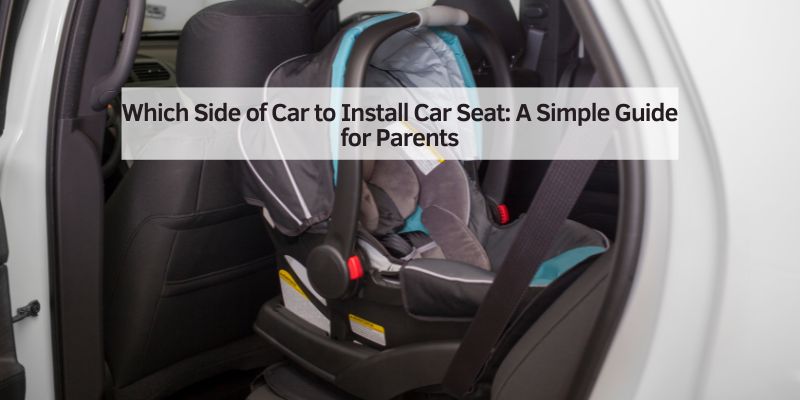
I remember my first time installing a car seat. I stood in my driveway, staring at my sedan, holding a brand-new infant car seat, feeling like I was solving a puzzle with no instructions. Should it go in the middle or on the side? I was nervous about keeping my baby safe. If you’re wondering which side of car to install car seat, this article will help. I’ll share easy tips, safety advice, and my own experiences to guide you. You’ll learn why placement matters, how to pick the best spot, and common mistakes to avoid. Let’s make car seat safety simple and stress-free!
Why Does Car Seat Placement Matter?
Car seat placement is about keeping your child safe. The right spot in your car can protect your baby during a crash. Studies show the back seat is safest for kids. Why? It’s far from airbags in the front seat, which can hurt small children. The back seat also shields kids from front or side crashes. Choosing which side of car to install car seat depends on your car’s setup and your daily needs. Let’s explore how to decide.
Is the Center Seat Always the Safest?
The center of the back seat is often the safest spot. Why? It’s farthest from the car’s sides, so it protects better in side crashes. A study found kids in the center are 43% safer than those on the side for kids aged 0-3. But the center isn’t always perfect. Some cars have a hump in the middle, making it hard to install a car seat tightly. If the seat wobbles, it’s not safe. Let’s look at how to pick the best spot.
How to Choose the Best Car Seat Position
Choosing which side of car to install car seat feels tricky, but it’s simple if you follow these steps. I learned this after trying different spots in my SUV. Here’s an easy guide:
- Check the center seat first. It’s safest if you can get a tight fit.
- Test the side seats. If the center doesn’t work, try the driver or passenger side.
- Think about convenience. Side seats are easier for getting your child in and out.
- Read your car’s manual. It tells you where LATCH anchors or seat belts work best.
- Ensure a snug fit. The car seat shouldn’t move more than one inch side-to-side.
Center Seat: Pros and Cons
The center seat is great but not always practical. Here’s a quick look:
| Position | Pros | Cons |
|---|---|---|
| Center Seat | Safest in side crashes, farthest from impact | Hard to install in some cars, less convenient for loading |
| Table 1: Comparing Center Seat Benefits and Drawbacks |
Side Seats: Driver vs. Passenger
Side seats are popular for convenience. The passenger side is often better if you park on the street. Why? You can load your child from the sidewalk, avoiding traffic. I chose the passenger side for my daughter because it felt safer on busy roads. The driver side works if you need to reach back while driving. Neither side is safer in crashes, so pick what fits your life.
| Position | Best For | Challenges |
|---|---|---|
| Driver Side | Easy to reach from driver’s seat | Risky when parking on busy streets |
| Passenger Side | Safer for street parking, sidewalk access | Harder to reach while driving |
| Table 2: Driver vs. Passenger Side Comparison |
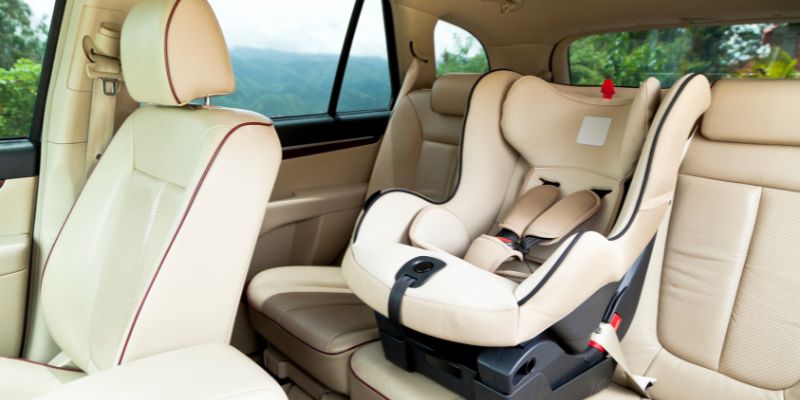
Step-by-Step Guide to Installing a Car Seat
Installing a car seat is easier than it looks. I fumbled my first try, but these steps made it simple. Follow them to get a safe, tight fit:
- Pick your spot. Try the center first, then a side if needed.
- Use LATCH or seat belt. LATCH clips to anchors in your car. Seat belts work too. Check your car seat manual.
- Secure the base. Push down hard to tighten. The seat shouldn’t move more than one inch.
- Check the angle. Babies need a semi-reclined seat to breathe well. Use the car seat’s angle indicator.
- Strap your child in. Harness straps go over shoulders, snug at the armpits.
Visual Idea: A diagram showing LATCH anchors in a car’s back seat would help here.
Tools You Need
You don’t need fancy tools to install a car seat. Here’s what I used:
- Car seat manual: Tells you how to install it right.
- Vehicle manual: Shows where LATCH anchors or seat belts work best.
- Rolled towel: Helps adjust the car seat angle if needed.
| Tool | Purpose | Where to Find |
|---|---|---|
| Car Seat Manual | Guides installation | Comes with car seat |
| Vehicle Manual | Shows anchor points | In your car’s glovebox |
| Rolled Towel | Adjusts recline angle | At home |
| Table 3: Tools for Car Seat Installation |
Common Mistakes to Avoid
I made mistakes when I started. Here are pitfalls to watch for:
- Loose installation. A wobbly seat isn’t safe. Tug it to check.
- Wrong angle. Too upright or too flat can harm your baby’s breathing.
- Twisted straps. Harness straps must lie flat, not twisted.
- Using both LATCH and seat belt. Most car seats allow only one. Check the manual.
Visual Idea: A checklist graphic for car seat installation would be handy.
Personal Tips for Car Seat Success
After years of installing car seats, I’ve learned a few tricks. First, always check with a Child Passenger Safety Technician (CPST). They’re experts who can spot mistakes. I found one through Safe Kids Worldwide, and it gave me peace of mind. Second, practice installing before your baby arrives. It’s less stressful without a crying newborn. Finally, if the center seat doesn’t fit, don’t force it. A tight side installation is safer than a loose center one.
Safety Tips for Parents
Here are my top safety tips:
- Keep kids rear-facing longer. It’s five times safer than forward-facing.
- Check expiration dates. Car seats expire after 6-10 years.
- Avoid extra padding. Only use what comes with the car seat.
Other Options: Third Row or Multiple Kids
If you have an SUV or minivan, the third row might work. I tried this in my minivan, and it was safe as long as the seat was tight. Check your vehicle manual to ensure third-row installation is allowed. For multiple kids, put the youngest in the center, as they need the most protection. If you have three car seats, use narrow models to fit them side-by-side.
Visual Idea: A simple sketch of a three-row SUV with car seat placements would clarify this.

Conclusion
Choosing which side of car to install car seat doesn’t have to be hard. The center is safest, but side seats work if they’re tight and convenient. Use LATCH or seat belts, check the angle, and strap your child snugly. My first installation was nerve-wracking, but practice made it easy. Try setting up your car seat this weekend, and share your setup with other parents. For extra help, visit a CPST or check trusted sites like NHTSA. Stay safe and enjoy the ride!
Frequently Asked Questions
Is the Center Seat Always the Safest?
The center seat is often safest because it’s farthest from side crashes. Studies show it’s 43% safer for kids aged 0-3. But it must be installed tightly. If it wobbles, a side seat with a secure fit is better. Check your car’s manual for LATCH or seat belt options.
Should I Use the Driver or Passenger Side?
Neither side is safer in crashes. Choose the passenger side if you park on streets for sidewalk access. The driver side is easier to reach while driving. Pick what’s convenient and ensures a tight fit. I used the passenger side for easy loading.
Can I Install a Car Seat in the Third Row?
Yes, if your vehicle manual allows it. Third rows are safe if the car seat is secure and doesn’t move more than one inch. Check for LATCH anchors or seat belts. I used the third row in my minivan, and it worked great.
What If I Have Two or More Kids?
Put the youngest child in the center, as they need the most protection. For two kids, use side seats if the center is too narrow. For three, choose narrow car seats. I installed two seats on the sides for easy access. Always ensure each seat is tight.
How Do I Know If My Car Seat Is Tight Enough?
Grab the car seat at the belt path and tug. It shouldn’t move more than one inch side-to-side or front-to-back. If it does, tighten the LATCH or seat belt. I learned this from a CPST, and it’s a game-changer.
What’s the Difference Between LATCH and Seat Belt?
LATCH uses clips to attach to car anchors, making installation easy. Seat belts work just as well if tightened properly. Most cars have LATCH on side seats, not the center. Check both manuals to choose. I used LATCH for a quicker setup.
When Should I Switch to a Forward-Facing Seat?
Keep kids rear-facing as long as possible, ideally until age 2 or more. It’s safer for their head and neck. Check your car seat’s weight and height limits. I kept my daughter rear-facing until she outgrew her seat at 3.