Who Invented Air Conditioning in Cars: Unveiling History
Imagine driving on a sweltering summer day, your car’s air conditioning offering a refreshing escape from the heat outside. It’s a comfort many of us take for granted, but have you ever wondered who invented air conditioning in cars?
The answer might surprise you. Knowing the origins of this cool convenience can deepen your appreciation for it and open your eyes to how innovation shapes your daily driving experience. You’ll discover the mastermind behind this game-changing automotive feature, explore the fascinating journey of its development, and uncover how it transformed our lives on the road.
Stay with us as we reveal the story behind the cool breeze that keeps your car journeys comfortable and enjoyable.
Early Innovations
Long ago, cars got very hot inside. People wanted cooler cars. They tried different ways. One idea was to use ice. Drivers would put ice in a box. The box had a fan. The fan would blow air over the ice. This made the air cooler. But, the ice melted fast. It was not a good way.
Engineers wanted better solutions. They thought of mechanical cooling. Machines could help. These machines blew air without ice. They used special parts. These parts made air cool. This was the start of new ideas. Soon, cars had real air conditioning. Everyone liked it. Cars became more comfortable.

Credit: www.peoplesworld.org
Pioneers In Auto Air Conditioning
Willis Carrier created the first air conditioner. His invention changed many things. Carrier’s work helped make air conditioning in cars. Comfort became important in vehicles. People could now travel cool and happy. Carrier’s ideas spread all over. Factories, homes, and cars used air conditioning. Many looked up to Willis Carrier. His impact was very big.
Packard made a big change in cars. Packard was the first to put air conditioning in cars. This happened in 1939. People loved this idea. Travel became more fun. Cars felt like home. Others followed Packard’s lead. Companies started adding air conditioning. Cars became more comfortable. Packard’s idea was very smart.
Technological Advancements
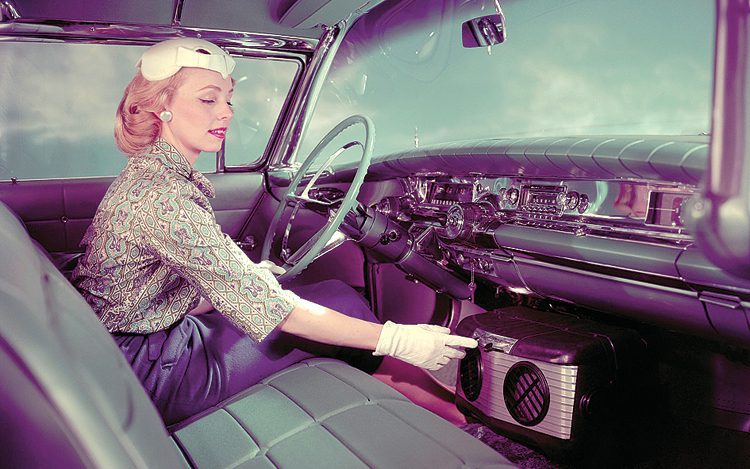
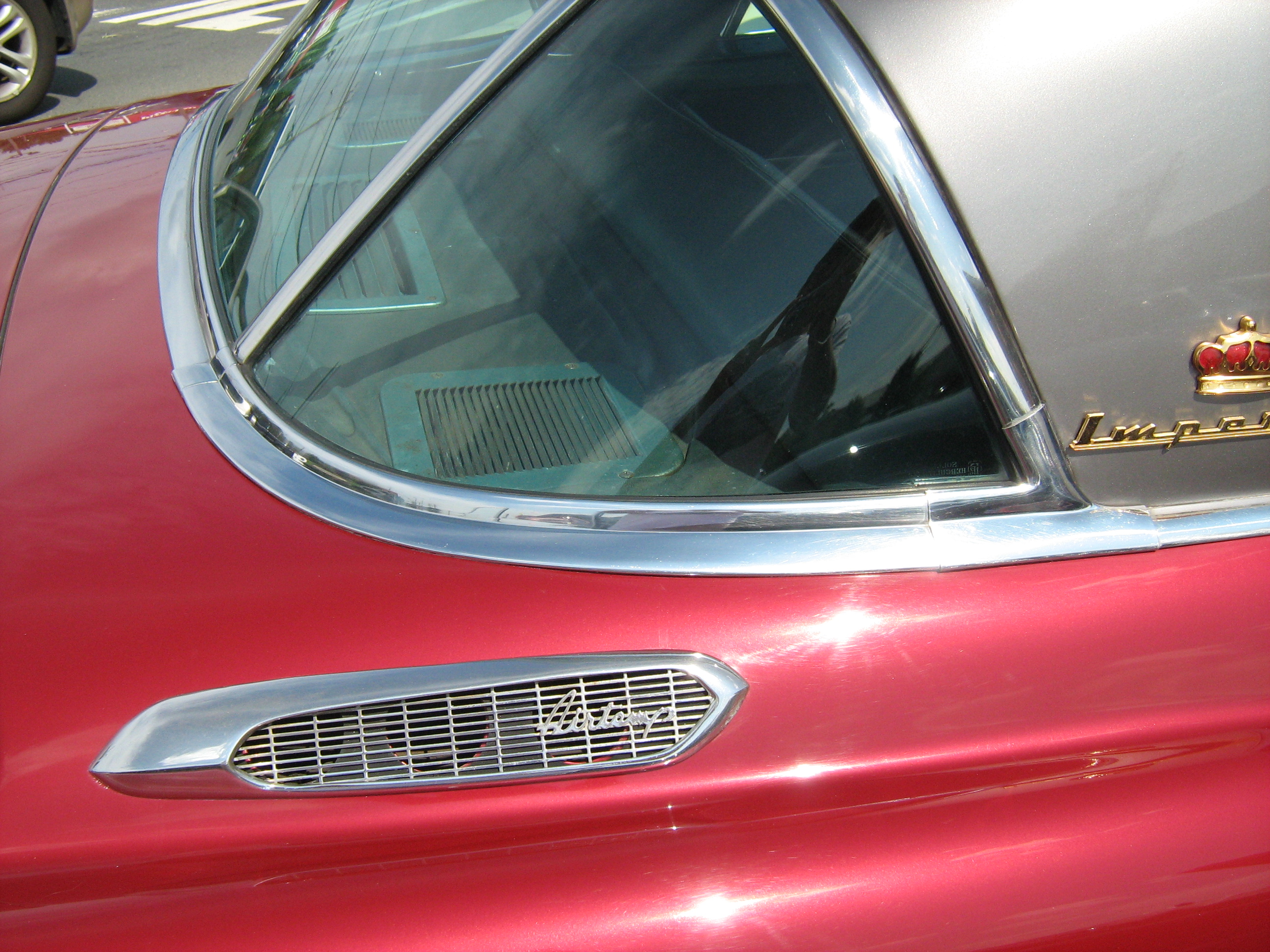
Air conditioning in cars began in the 1940s. The first factory-installedsystem was in 1953. This was a big step for car comfort. Packard was the first to offer this feature. Their cars became more popular due to this. Other car makers noticed this trend. Soon, many followed Packard’s lead.
By the 1960s, air conditioning spread more. It was no longer a luxury. More cars had this feature. It became a standard option. Car buyers liked this new comfort. It made long drives better. Car manufacturerssaw the demand. They started adding it to more models.
Today, almost every car has air conditioning. It’s a must-have feature now. The early systems changed car travel forever.
Credit: en.wikipedia.org
Challenges And Solutions
Making air conditioning for cars was hard. The system needed to be small and light. Cars could not carry heavy machines. Engineers had to think of smart ways to fit the system. Cooling the car without using too much fuel was also a challenge. They had to make sure the air was not too cold or too hot. The balance was important.
People were not sure about air conditioning at first. They thought it might break the car. Some worried it would cost too much money. Convincing people was important. Car makers had to show that it was safe and useful. They gave tests to show how it worked. Over time, more people liked the idea.
Modern Developments
Integration of Climate Controlin cars has changed comfort. Early systems were basic. Now, they are smart. Sensors measure temperature. They adjust the air inside. Passengers stay cool in summer. Warm in winter. Controls are easy to use. Buttons or touch screens make it simple. Some systems even remember your favorite settings. This makes driving more pleasant.
Eco-Friendly Innovationsare important today. Car makers use new materials. They reduce harmful effects. Some cars use solar power. It helps the air system. This saves fuel. Less pollution. New designs are better for Earth. Engineers are always looking for green solutions. These changes help the planet. They make cars safer and cleaner.
Impact On Automotive Industry
Air conditioning in cars became a must-have feature. Many car makers started to include it in all models. This made air conditioning a standardfeature. Most cars, even cheap ones, have it now. Before, only luxury cars had air conditioning. Now, everyone can enjoy a cool ride. This change helped make car travel more comfortable.
Car designs changed to fit air conditioning units. Engineers needed to find space for the new systems. They also had to think about airflow. Cars needed vents to spread cool air. This made car interiors look different. Designs became more efficientand user-friendly. Now, every seat can feel the cool air. This improved the car experience for all passengers.
Frequently Asked Questions
Who First Introduced Air Conditioning In Cars?
The first air conditioning system in cars was introduced by Packard Motor Car Company in 1939. This system, called “Weather Conditioner,” was an optional feature in their luxury vehicles. It marked a significant innovation in automotive comfort, setting the stage for more advanced climate control systems in future cars.
When Did Car Air Conditioning Become Popular?
Car air conditioning gained popularity in the 1950s. More manufacturers began offering it as an optional feature. By the 1960s, it became more common in luxury vehicles. Technological advancements and consumer demand led to its widespread adoption, eventually becoming a standard feature in most cars by the 1970s.
What Was The First Car With Air Conditioning?
The 1939 Packard was the first car equipped with air conditioning. Packard Motor Car Company introduced this system as a luxury feature. It was a significant innovation at the time, offering enhanced comfort. However, the system was bulky and expensive, making it a rarity in the early years.
How Did Early Car Air Conditioning Work?
Early car air conditioning systems used large compressors and refrigerants. They cooled the air by circulating it over evaporator coils. The cooled air was then distributed through vents in the car. These systems were manually controlled and lacked the efficiency of modern climate control technology.
Conclusion
Air conditioning in cars changed the driving experience forever. It made summer trips cooler and more comfortable. Early inventors laid the groundwork for modern systems. Their efforts brought relief during hot days. Today, we enjoy advanced climate control features. These systems keep passengers relaxed and safe.
The journey from invention to innovation is fascinating. Car air conditioning continues to evolve, making drives pleasant. Understanding its history helps appreciate technological progress. Next time you drive, remember those pioneers. Their innovation keeps us cool and happy on the road.