Car Door Molding Guide: Types, Protection & Installation
Car door molding covers two very different things: the trim strips that came on your car from the factory, and the aftermarket rubber edge guards owners add later to stop dings and scratches. Knowing which one you actually need saves you from buying the wrong product.
If a strip of chrome or body-color trim fell off your door, you need an OEM-style replacement molding matched to your make and model. If you’re trying to stop parking-lot dings, cart dents, and scratches before they happen, a no-glue rubber edge guard is the simpler and cheaper fix. This guide breaks down both types, how they’re installed, and how to pick the right one.
What Is Car Door Molding?
EASIEST NO-GLUE OPTION
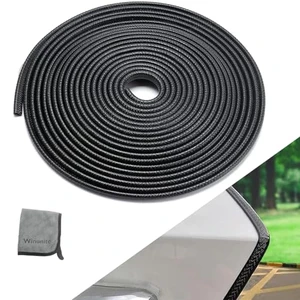 |
Winunite 16.4ft Car Door Edge Guards – $9.96 A budget-friendly, no-glue rubber edge guard long enough to cover both front doors on most sedans and small SUVs.
|
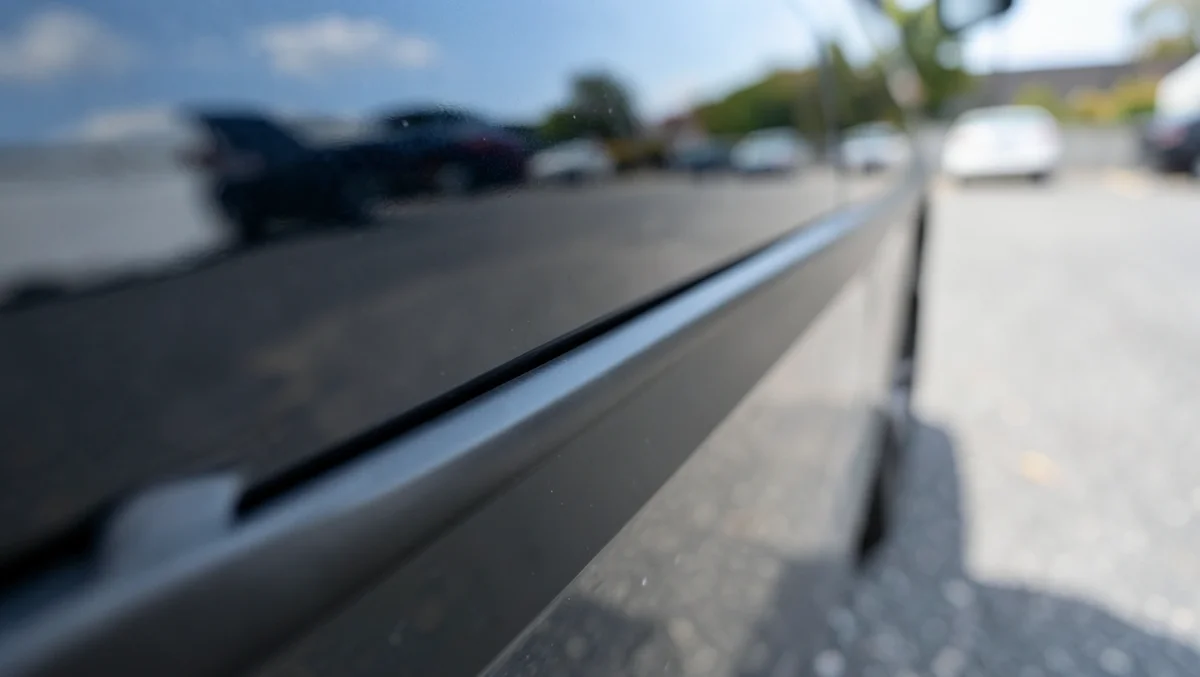
“Molding” on a car door can mean any of three separate parts. Body side molding is the decorative (and sometimes protective) strip that runs along the side of the door as part of the car’s original design – it can be chrome, matte black plastic, or painted to match the body. Weatherstripping is the rubber seal around the door frame that keeps water and wind noise out; it’s technically a seal, not a molding, but people often lump the two together. Edge guards are the aftermarket rubber or plastic strips owners add to the outer lip of the door to absorb impacts from other car doors, shopping carts, and tight parking spaces.
Most people searching for “molding for car doors” are actually looking for one of two things: a replacement for damaged OEM trim, or a way to add dent protection that wasn’t there before. The rest of this guide covers both.
Types of Door Molding and Trim, Compared
| Type | What It Does | Installation | Typical Cost |
|---|---|---|---|
| No-glue rubber edge guard | Cushions the outer door edge against dings and scratches | Slides on, no adhesive or tools | $8–$20 |
| Adhesive-backed edge guard | Same protection, more permanent hold | Peel-and-stick, needs a clean/dry surface | $10–$25 |
| OEM-style body side molding | Cosmetic trim strip along the door, sometimes with mild impact protection | Adhesive tape or factory clips, model-specific | $20–$80+ per set |
| Door weatherstrip seal | Seals out water, dust, and wind noise (not impact protection) | Snaps or glues into a factory channel | $15–$60 |
For most owners asking about “molding for car doors,” the no-glue rubber edge guard is the right starting point: it’s the cheapest, the easiest to install without any risk of damaging paint, and the easiest to remove later if you sell the car or change your mind. If you specifically need to replace a factory trim piece that fell off or cracked, you’ll want an OEM-style molding matched to your exact make, model, and year rather than a universal strip.
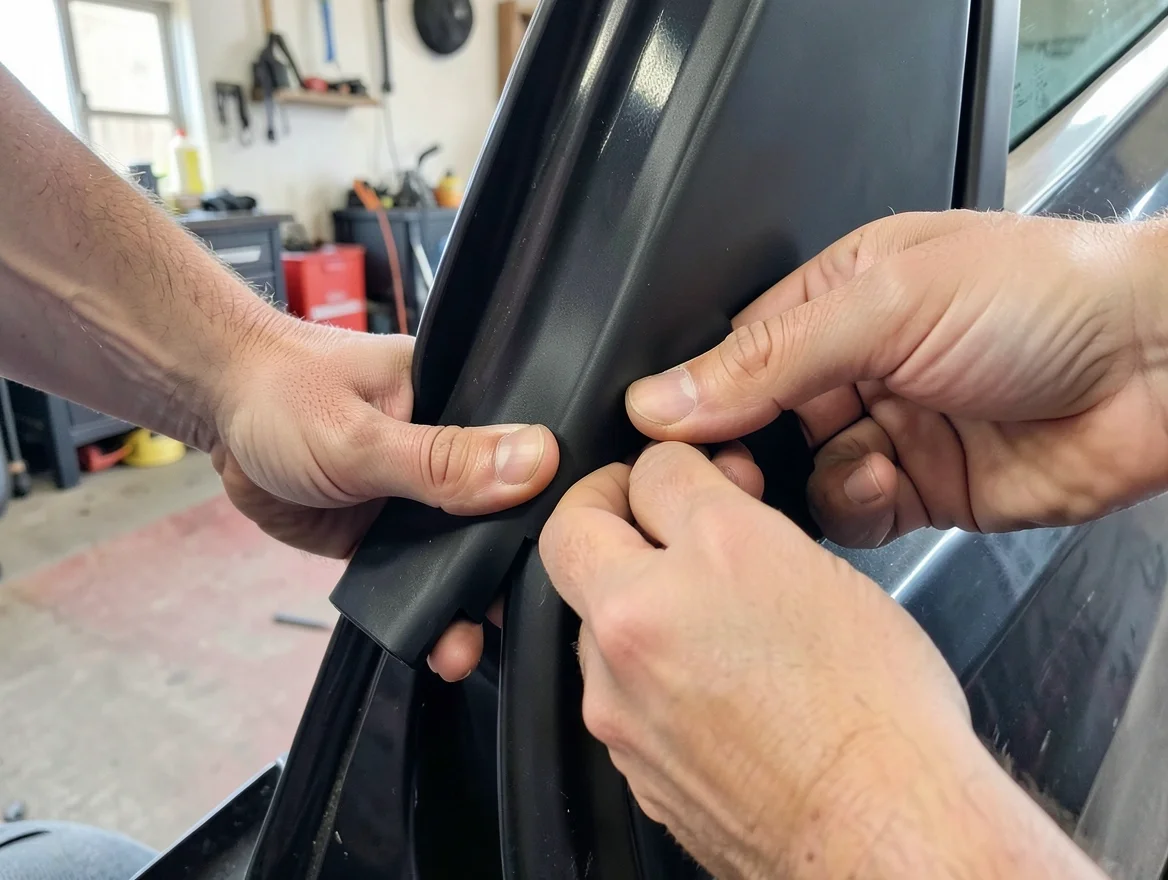
How to Install a No-Glue Door Edge Guard
- Wash and dry the door edge so no grit gets trapped under the guard.
- Measure the door edge you want to cover, then cut the edge guard to length with sharp scissors or a utility knife (most universal rolls are sold long enough for two full doors).
- Starting at one corner, open the U-shaped channel slightly and press it onto the door edge, working along the length in one continuous motion.
- Run your fingers along the full strip to make sure it’s seated evenly with no gaps, especially around the door’s curved corners.
A full car (both front doors) typically takes well under an hour, even for a first-timer, since there’s no glue to work around and no cure time to wait for. If a section won’t sit flush, it usually means the door edge is thicker than average there – trim a small notch out of the guard’s inner lip rather than forcing it.
Replacing OEM Body Side Molding
If your factory door trim is cracked, faded, or has fallen off entirely, a universal rubber edge guard won’t match the look of the rest of the car. In that case you need a replacement molding made for your specific make, model, and year, since the profile, curve, and mounting clips vary between manufacturers and even between trim levels of the same car. Dealerships and OEM parts suppliers sell exact-fit replacement moldings; some are held on with factory clips, others with automotive-grade double-sided tape that needs a clean, oil-free surface and a few hours of cure time before the car is washed or driven in rain.
Trying to force a universal aftermarket strip to substitute for a broken OEM piece usually looks mismatched and can leave gaps where water gets in, so it’s worth the extra cost of an exact-fit part for a cosmetic trim repair.
Frequently Asked Questions
What Is the Difference Between Door Molding and an Edge Guard?
Door molding usually refers to the factory trim strip that runs along the side of the door for looks (and sometimes light protection). An edge guard is an aftermarket rubber or plastic strip added to the outer lip of the door specifically to absorb impacts from other doors, carts, and tight parking spots. They can overlap in function, but they’re not the same part.
Do No-Glue Edge Guards Actually Stay On?
Yes, as long as they’re sized correctly for the door edge. The U-shaped rubber channel grips the edge through tension, similar to a rubber band stretched around an object. They can loosen over years of temperature swings, but most owners find they hold securely through normal daily driving and car washes.
Will an Edge Guard Fit Any Car?
Most universal edge guards fit sedans, SUVs, trucks, and even ATVs because they’re sold as a long roll you cut to length yourself. The one exception is unusually thick or oddly profiled door edges, where the standard U-channel may not seat flush without trimming a notch out of the inner lip.
Can I Paint Over Door Edge Guards?
No. Rubber and most flexible plastic edge guards are not designed to hold paint, and standard automotive paint will crack or peel off a flexible surface. If you want a color-matched look, look for edge guards sold in your car’s paint color instead of painting a black one.
How Do I Remove a Damaged OEM Molding Strip?
Most factory moldings are held on with either plastic clips or double-sided automotive tape. Clipped moldings usually pop off with steady, even pressure or a plastic trim removal tool; taped moldings often need gentle heat from a heat gun or hair dryer to soften the adhesive before prying, followed by an adhesive remover to clean up any residue left on the paint.
Conclusion
If you’re trying to stop dings and scratches before they happen, a no-glue rubber edge guard is the simplest fix and the one most owners should start with. If you’re replacing a broken or missing factory trim piece, get an exact-fit OEM-style molding for your specific vehicle instead of a universal strip. For a closer look at how several top-rated edge guards compare against each other on price and fit, see our full car door edge guard comparison.
Products related to this article
Sponsored / affiliate links. As an Amazon Associate I earn from qualifying purchases. I may earn additional commission from eligible campaigns.